
Some of the biggest scientific discoveries begin with a simple question. Others begin completely by accident. The story of CRISPR, one of the most powerful gene-editing tools ever developed, belongs to the second category.
It all started in 1987, when Japanese scientist Yoshizumi Ishino and his team were studying a gene in E. coli bacteria. While analysing its DNA, they noticed a strange pattern: short stretches of repeated DNA separated by unique sequences. At the time, no one knew what these repeating segments were for, and the observation was simply recorded.
Years later, Spanish microbiologist Francisco Mojica found similar DNA patterns in many different bacteria. He proposed that these sequences acted as part of a bacterial immune system, protecting bacteria from viruses. He also gave them the name CRISPR, short for Clustered Regularly Interspaced Short Palindromic Repeats.
In 2007, this idea was tested by Rodolphe Barrangou and his colleagues at the food company Danisco. They showed that when bacteria were given pieces of DNA from a virus, they became resistant to future attacks from that same virus. In other words, bacteria could “remember” viruses they had encountered before.
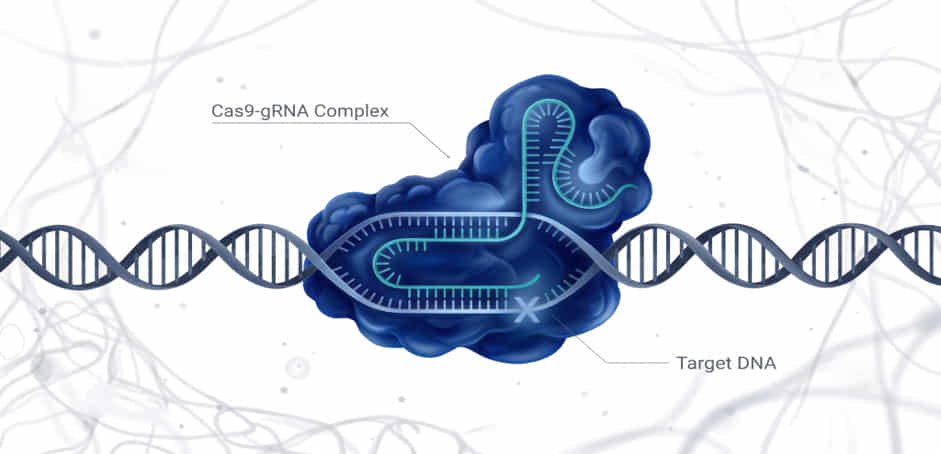
The biggest breakthrough came in 2012, when Jennifer Doudna and Emmanuelle Charpentier discovered that this natural defence system could be adapted into a tool for editing DNA. Scientists could now make precise changes to genes by cutting DNA at specific locations, earning CRISPR the nickname “gene scissors.”
Their work transformed biology and medicine, and in 2020, Doudna and Charpentier were awarded the Nobel Prize in Chemistry. What began as an unexplained pattern in bacterial DNA became one of the most important scientific breakthroughs of the 21st century.


