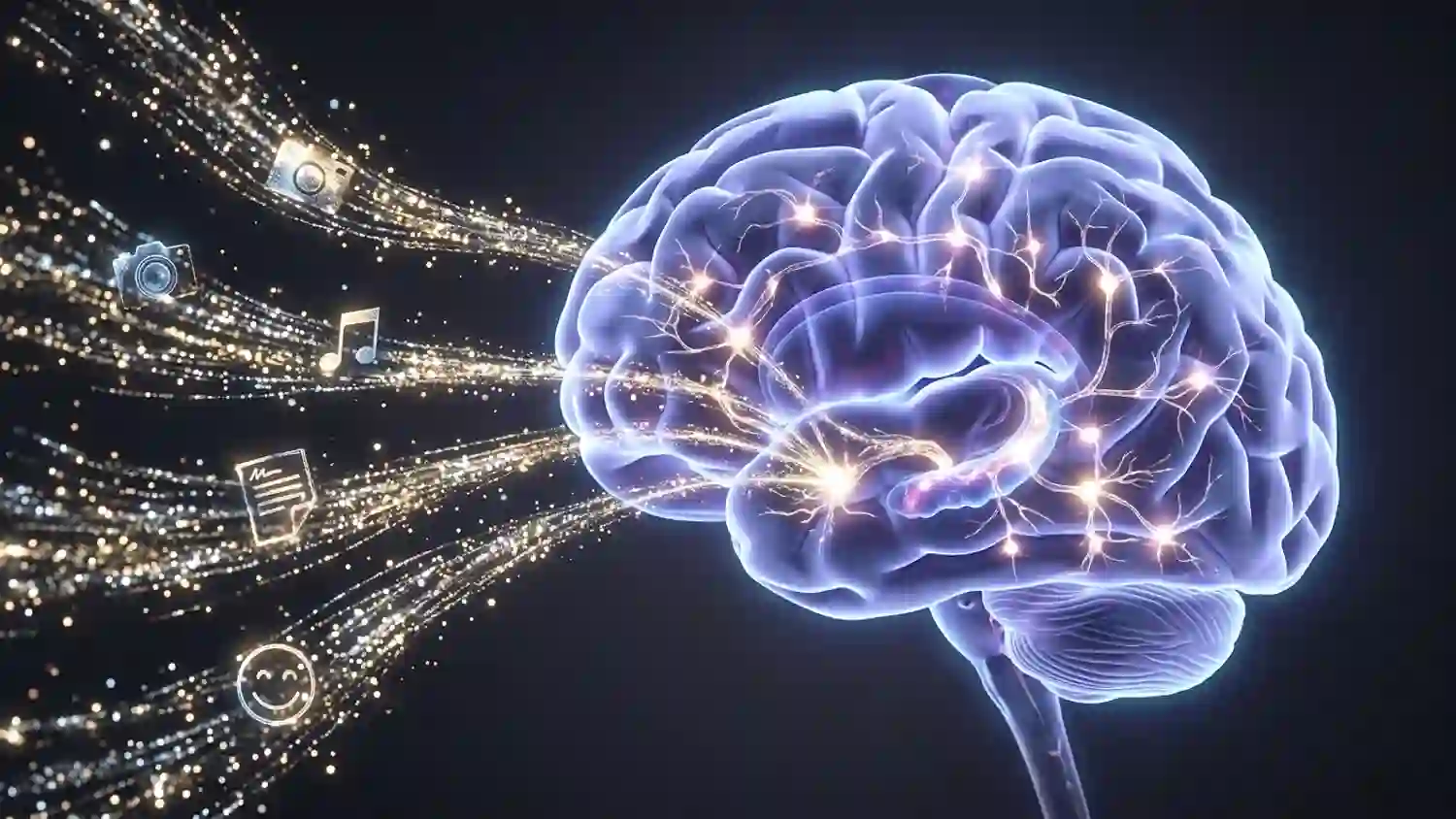
“My mind conceives the movement clearly, but my body refuses the command. It is as if a sudden frost has settled over the machinery of my limbs, turning action into an impossible weight.”
This heartbreaking sentiment captures the core reality of Parkinson’s disease. While other neurodegenerative conditions quietly dissolve memories and the sense of time, Parkinson’s attacks the biological engine of human movement. It is a cellular shutdown that gradually traps an active, fully aware mind inside an unyielding, rigid physical frame.
The Broken Bridge: Biochemical and Medical Mechanisms
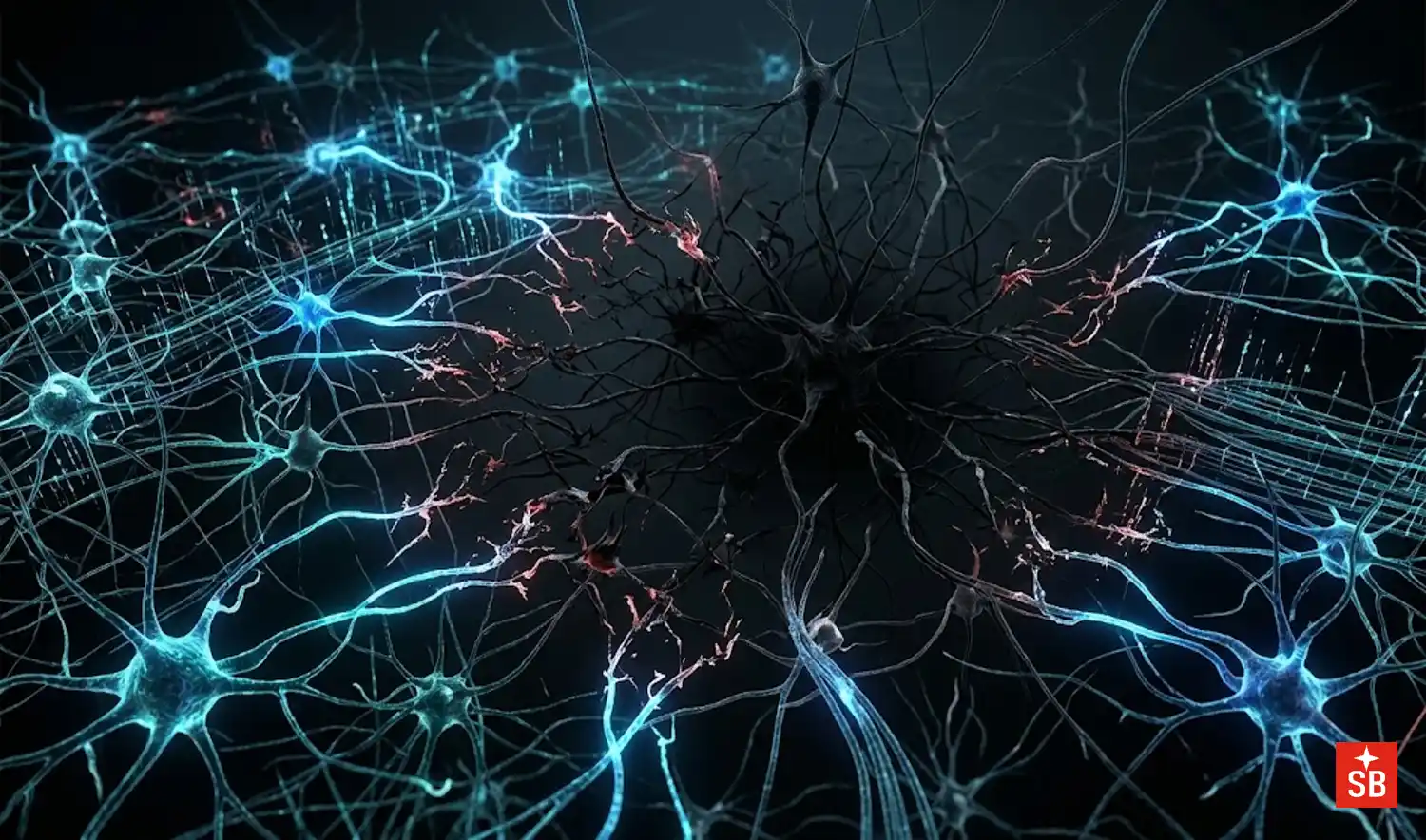
Deep within the midbrain lies a dense cluster of dark pigmented neurons called the substantia nigra. This structure acts as the primary power plant for dopamine, a vital neurotransmitter that functions as the brain’s chemical currency for coordinating smooth, purposeful muscle movements.

Under normal conditions, dopamine acts like an electrical lubricant, allowing signals to pass effortlessly from the brain down through the spinal cord. In Parkinson’s disease, this communication highway collapses:
- The Silent Threshold: The brain has an incredible capacity to compensate for damage. Because of this resilience, physical symptoms like tremors or shuffling remain entirely invisible until a catastrophic 60% to 80% of these dopamine-producing cells are already destroyed.
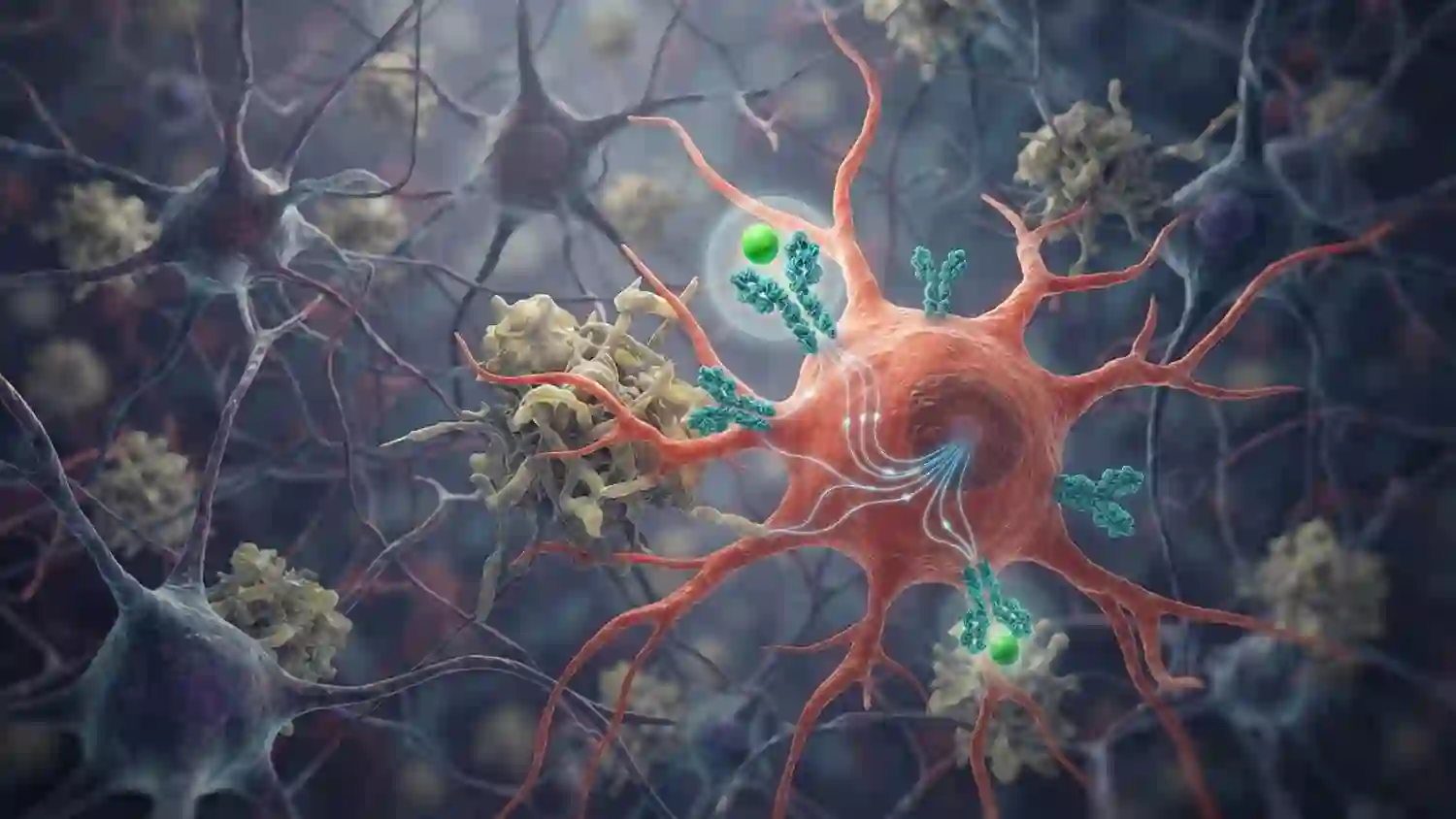
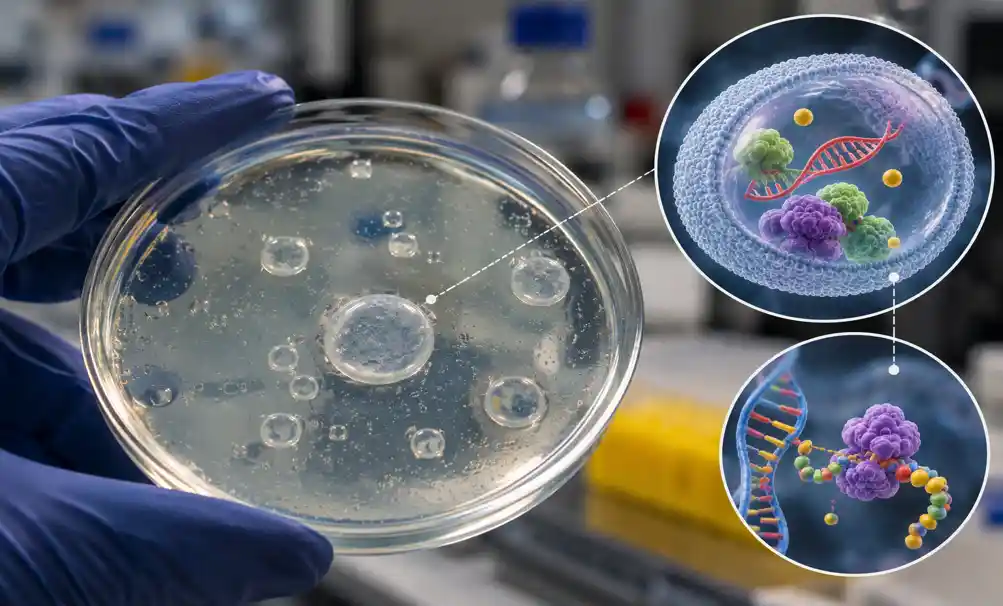
- The Protein Misfolding: The underlying cause of this cellular death is the accumulation of an abnormal protein called alpha-synuclein. In healthy brains, this protein helps regulate communication hubs. In Parkinson’s, it misfolds and clumps together into toxic, dense balls known as Lewy bodies. These clumps suffocate healthy nerve cells from the inside out.
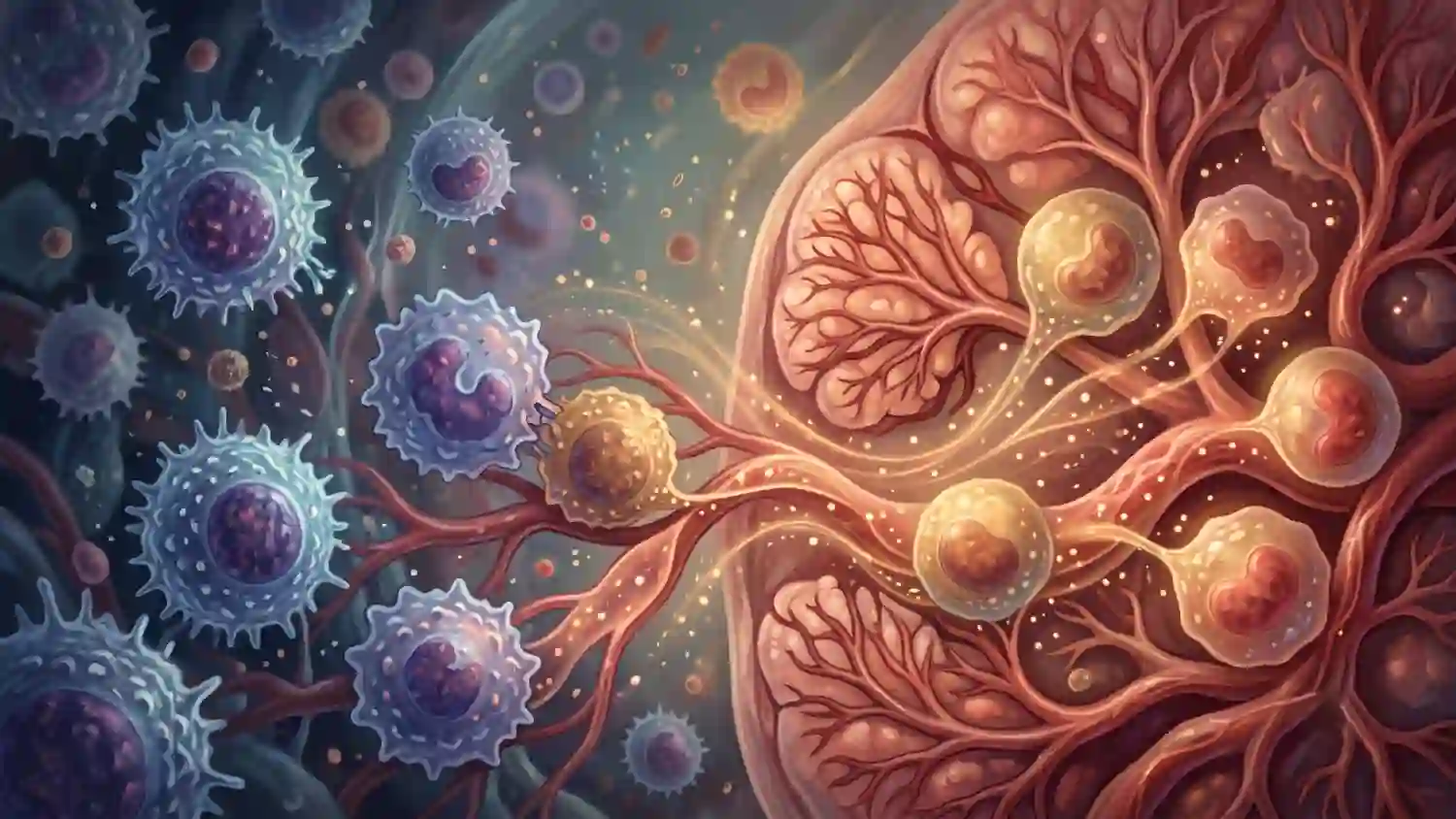
- The Shared Synaptic Cascade: Recent neurological research published in the Journal of Neuroscience highlights a terrifying molecular link: both Alzheimer’s and Parkinson’s share a common defect that disrupts how brain cells recycle their communication vesicles. In Alzheimer’s, this breakdown erodes memory pathways; in Parkinson’s, it causes total network failure in motor control systems.
When the dopamine supply lines fail, the brain can still form the exact intent to move, but it loses the chemical ability to execute the command. This structural failure leads to bradykinesia (extreme slowness of movement), muscle rigidity, and hypomimia a condition where facial muscles stiffen into an involuntary, expressionless mask that conceals inner human emotion.
Fortifying the Mind: Modern Preventive Measures
While aging and specific genetic traits contribute to the disease, large-scale medical studies offer powerful evidence for proactive prevention. Adopting specific lifestyle modifications can significantly lower risk or delay the onset of symptoms:
- Endurance Physical Activity: Regular, moderate-to-vigorous aerobic exercise such as brisk walking, swimming, or cycling acts as a shield for the brain. Exercise triggers the release of brain-derived neurotrophic factors (BDNF), essentially serving as “fertilizer” that strengthens and preserves vulnerable dopamine pathways.
- The Mediterranean-MIND Diet: Prioritising a diet rich in fresh vegetables, dark leafy greens, walnuts, and antioxidant-heavy berries significantly limits neuroinflammation. Clinical data shows that strong adherence to this nutritional profile can lower the risk of developing Parkinson’s by up to 60%.
- Environmental Filtration: Minimising direct exposure to harmful environmental toxins like industrial pesticides and heavy metals is critical. Utilizing high-quality carbon water filters (especially for well water in rural areas) and home air purifiers actively reduces the chemical stress that triggers alpha-synuclein misfolding.
Compassionate Anchors: Care for Those Affected
For families navigating a Parkinson’s diagnosis, managing the condition requires an organized approach combining specialized medical treatment, home safety adjustments, and nutritional strategies.
- Medication Optimization: The primary medical defense is Levodopa, a chemical agent that crosses the blood-brain barrier to replenish the brain’s dwindling dopamine supply. To prevent nausea, it is combined with carbidopa. Caregivers must ensure that levodopa is taken on an empty stomach either one hour before or two hours after a meal because dietary proteins can block its absorption and stop the medicine from working.
- The Neuroplasticity Workout: Physical care should incorporate targeted exercise programs like Tai Chi, boxing-based fitness, or specialized dance classes. These activities force the brain to bypass damaged motor pathways, improving balance, reducing muscle stiffness, and significantly lowering the risk of sudden falls.
- Environmental Modification: Modifying the living environment is critical to maintaining a loved one’s independence. Families should remove loose rugs, secure electrical cords, install sturdy side rails in bathrooms, and place anti-slip flooring in high-risk areas. Furthermore, avoiding progressive eyeglass lenses is highly recommended for individuals with Parkinson’s, as the split focus can distort depth perception and trigger dangerous falls.
“We are not treating a collection of stiff muscles and tremors; we are protecting the dignity of a human life fighting to stay connected to the world.”
Ultimately, managing Parkinson’s disease is about transforming the environment to provide safety, adjusting daily schedules to support medication timing, and recognizing that beneath the quiet, masked expression rests the exact same vibrant individual.
References:
Agarwal, P., Wang, Y., Buchman, A. S., Holland, T. M., Bennett, D. A., & Morris, M. C. (2018). MIND diet associated with reduced incidence and a slower rate of parkinsonian signs in older adults. The Journal of Gerontology: Series A, 73(10), 1425–1430. doi.org
Metcalfe-Roach, A., Yu, A. C., Golz, E., Cirstea, M., Sundvick, K., Kliger, D., Foulger, L. H., Mackenzie, M., Finlay, B. B., & Appel-Cresswell, S. (2021). MIND and Mediterranean diets associated with later onset of Parkinson’s disease. Movement Disorders, 36(4), 977–984. doi.org