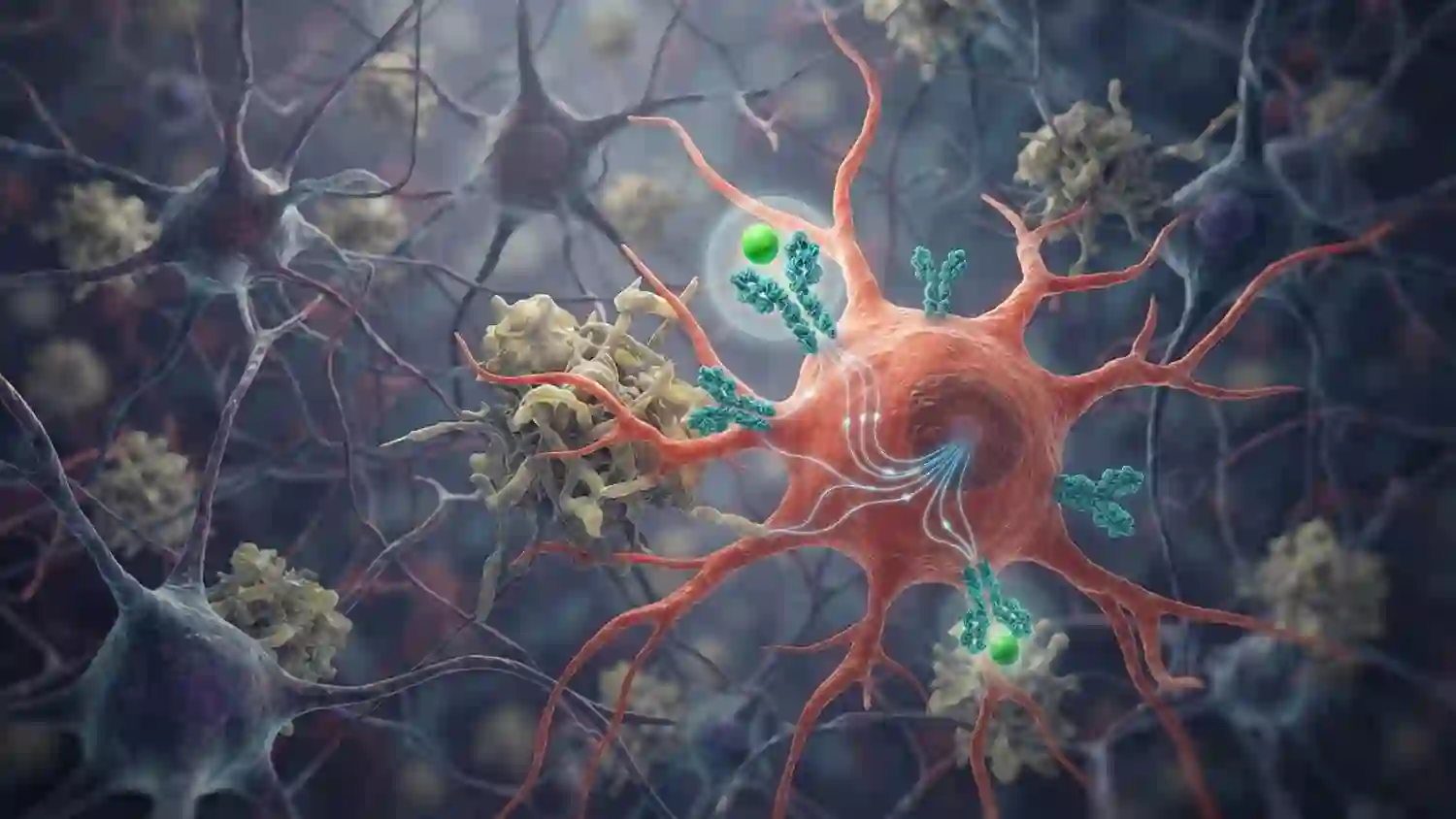
When it comes to fighting off nasty intruders like cancer or viruses, our bodies have a built-in surveillance system that works 24/7. Think of your immune system like a high-tech security team; their job is to sniff out trouble, identify the bad guys, and neutralize the threat. But what if that security team was missing a crucial piece of gear?
New research from Rockefeller University, published in the journal Cell, suggests that a shortage of a common, unassuming nutrient-an amino acid called arginine – might be the reason our immune systems sometimes miss the mark.
In a world where we are always looking for the next “miracle cure,” it turns out the answer might be hiding in our diet.

The Surveillance Breakdown
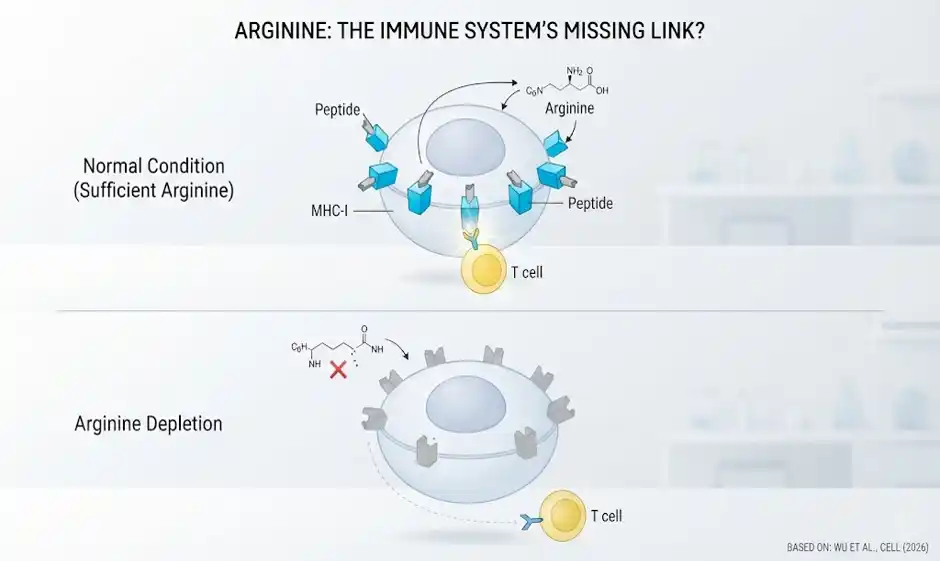
To understand why arginine matters, you have to know how your immune system “sees” danger. Your cells have a warning system involving proteins known as MHC-I. You can picture these like little billboards on the surface of every cell in your body.
These billboards display tiny fragments of what’s happening inside the cell. If a cell has turned cancerous or has been hijacked by a virus, it displays a “wanted poster”-a specific protein fragment-on its MHC-I billboard. When a T cell (the immune system’s elite swat team) patrols by, it reads the billboard, spots the wanted poster, and swings into action.
Here is where things go south: The researchers discovered that building these MHC-I billboards requires a lot of arginine. If your body is running low on this amino acid, the manufacturing process for these billboards grinds to a halt. Essentially, the security team is left blindfolded because the cells can no longer display their warning signs. The cancer or the virus effectively becomes invisible, letting them “slip under the radar” and multiply unchecked.
The “Aha!” Moment in the Lab
The team, led by researchers at the Elizabeth and Vincent Meyer Laboratory of Systems Cancer Biology, found that arginine was consistently the most depleted nutrient in subjects battling colon cancer, influenza, and SARS-CoV-2.
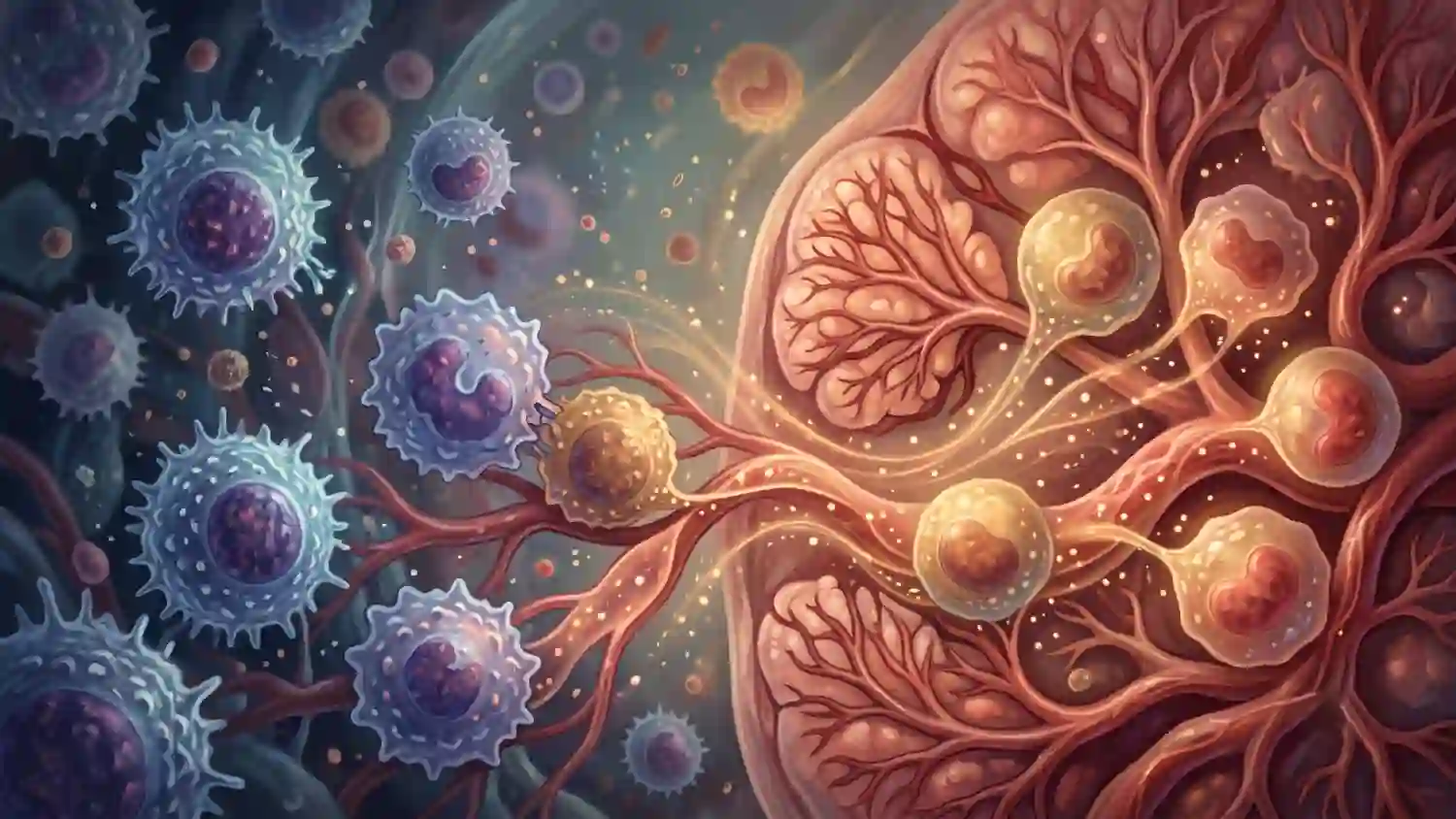
When they gave mice a diet rich in arginine, the results were striking. The mice showed a better immune response, fewer colon tumors, and milder symptoms when hit with respiratory viruses. Even more surprising? Giving the mice arginine after they had already been infected with the flu and actually improved their outcomes.
As the study’s first author, Qiushuang Wu, put it, the team was surprised at how impactful this simple dietary tweak could be. It wasn’t just a slight improvement; it was a game-changer for the immune system’s ability to “see” the enemy.
What Does This Mean for You?
Before you rush out to clear the shelves of arginine supplements, keep in mind that this research was primarily conducted in lab models and mice. Science is a marathon, not a sprint, and we need clinical trials in humans to confirm that this “silver bullet” approach works the same way in our complex bodies.
However, the implications are incredibly exciting. Arginine is inexpensive, widely available, and found in everyday foods like meat, fish, dairy, nuts, seeds, and legumes.
“Arginine supplementation could be readily tested in patients receiving immunotherapies,” says Sohail Tavazoie, the lab’s lead researcher. If we can “boost” the immune system’s visibility by simply ensuring it has the right building blocks, we might be able to make current cancer treatments and antiviral therapies work significantly better.
The Bottom Line
It’s a classic case of “you are what you eat.” As we age, our natural levels of arginine tend to drop, which might help explain why our immune systems become less efficient as the years tick by. This research highlights how our diet isn’t just about fuel; it’s about providing the “materials” our immune system needs to keep the billboards lit and the security team on high alert.
While we wait for the scientists to connect all the dots, it’s a good reminder to keep our nutrition in check. After all, when it comes to defending your health, you don’t want your security team working on an empty stomach.
Reference:
Wu, Q., Seydlitz, L. M., Iakimov, V., Hsu, D. J., Habibzadeh, P., Hoffmann, H. H., Paty, P. B., Rice, C. M., & Tavazoie, S. F. (2026). Dietary arginine drives codon-dependent MHC class I translation and improves immunity in colon tumorigenesis and respiratory viral infection. Cell, 189(16).