Fluoroimmunoassay (FIA): Principle, Procedure and Applications
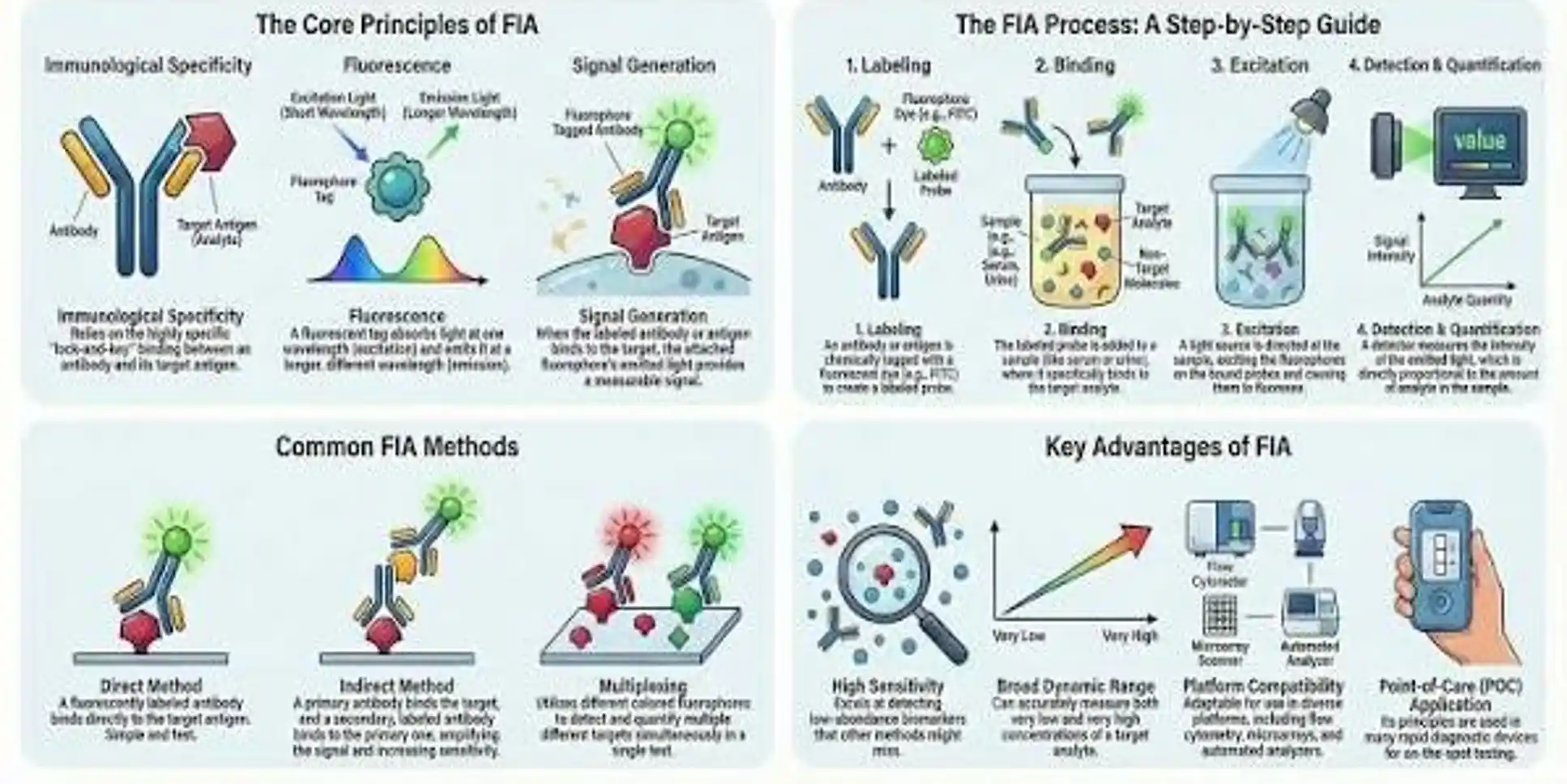
Fluoroimmunoassay (FIA) is a laboratory technique used to detect and measure very small amounts of specific substances, such as antigens, antibodies, hormones, proteins, and drugs. It combines the specificity of an antigen-antibody reaction with the sensitivity of fluorescence detection. Because it can detect substances at very low concentrations, FIA has …
Read More

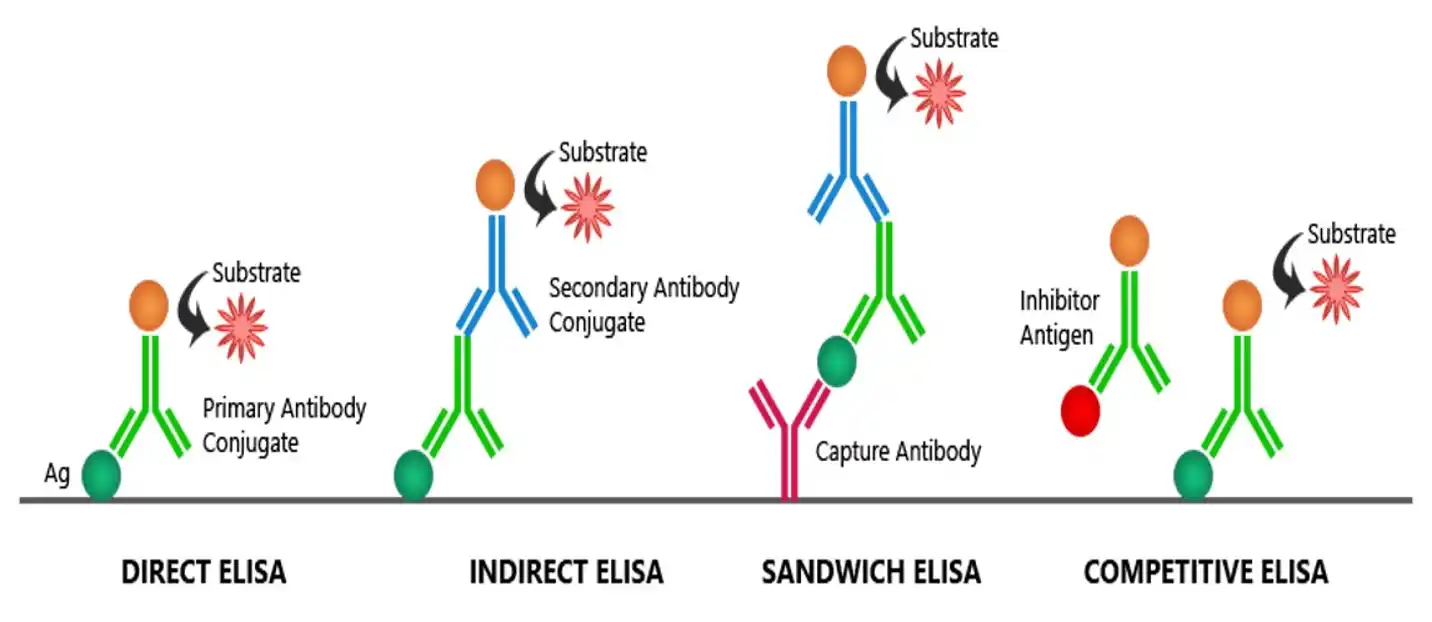
ELISA: Types, Principle, Procedure and Applications

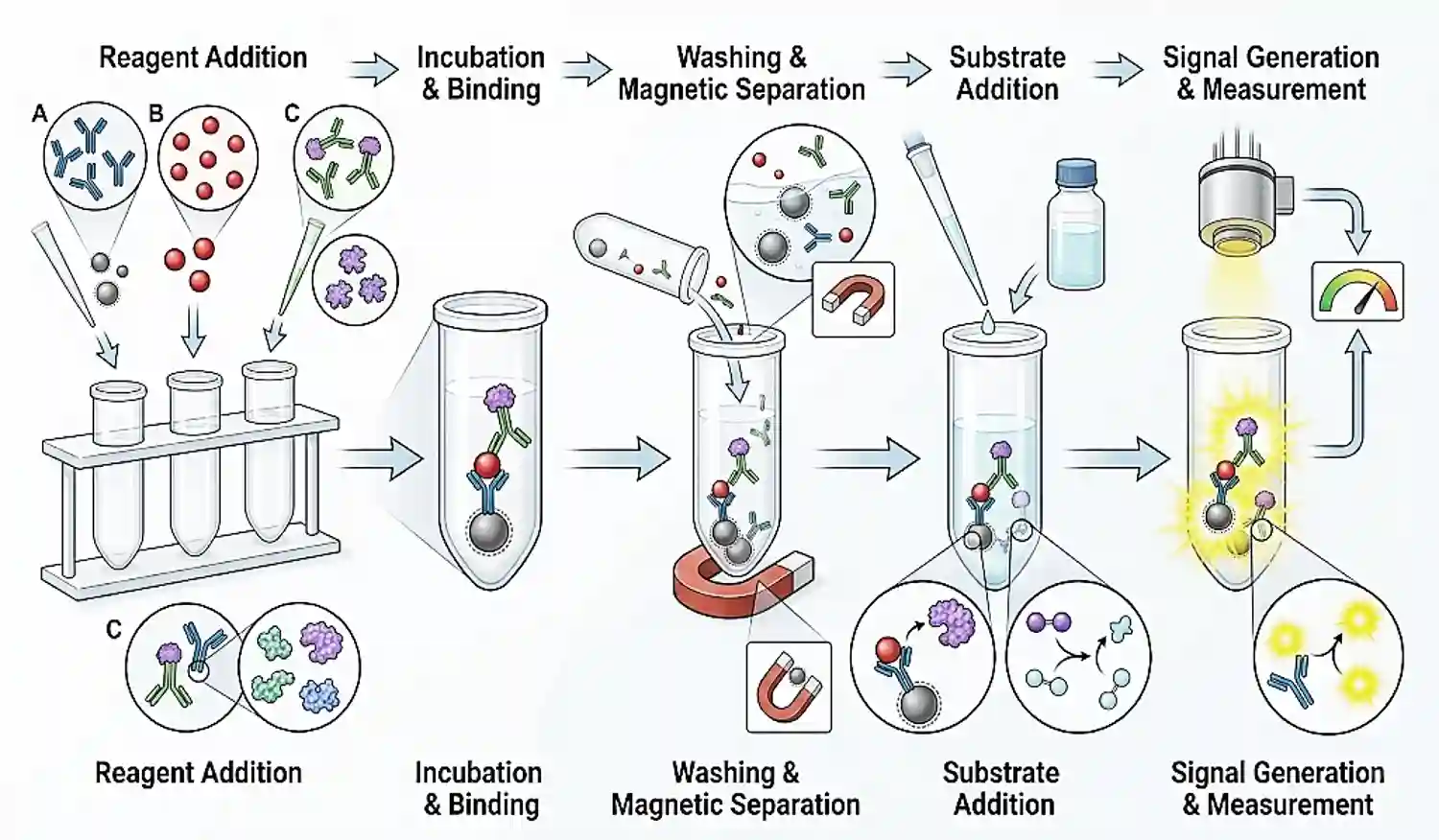
Enzyme-Linked Immunosorbent Assay (ELISA) is a commonly used laboratory technique for detecting and measuring specific antigens or antibodies in a sample. It works based on the specific reactions between an antigen and an antibody. ELISA is widely used because it is sensitive, relatively simple to perform, and does not involve …

Read More

Large-scale whole-genome sequencing reveals the landscape and health implications of de novo mutations

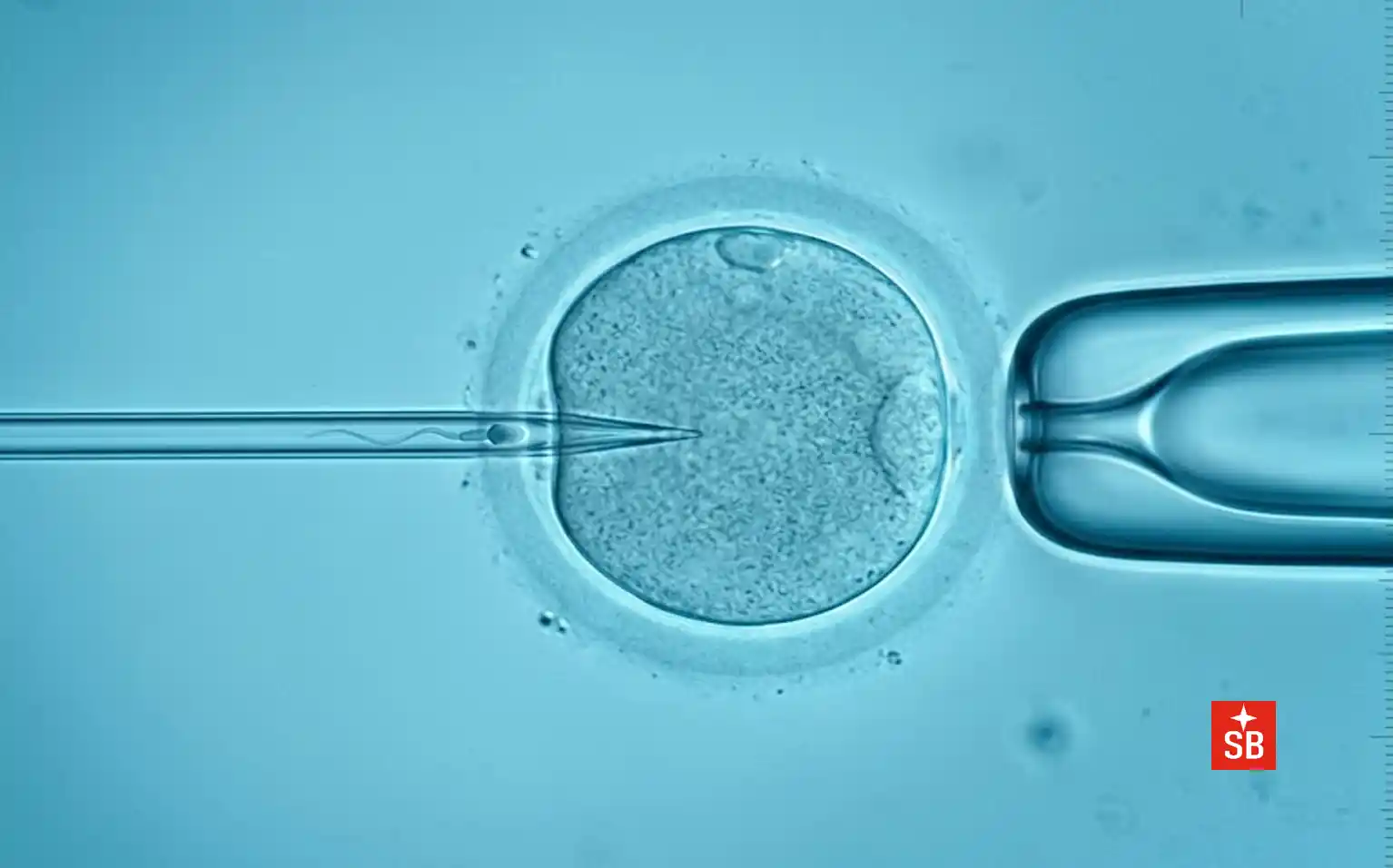
Intracytoplasmic Sperm Injection (ICSI) under an inverted light microscope

Large-scale whole-genome sequencing reveals the landscape and health implications of de novo mutations De novo mutations (DNMs), spontaneous genetic alterations arising in the germline or early embryonic development that are absent in parental genomes, are a critical driver of congenital diseases and developmental disorders. With global trends shifting toward delayed …

Read More

RNA Isolation and Formaldehyde Gel Electrophoresis

RNA Isolation and Formaldehyde Gel Electrophoresis

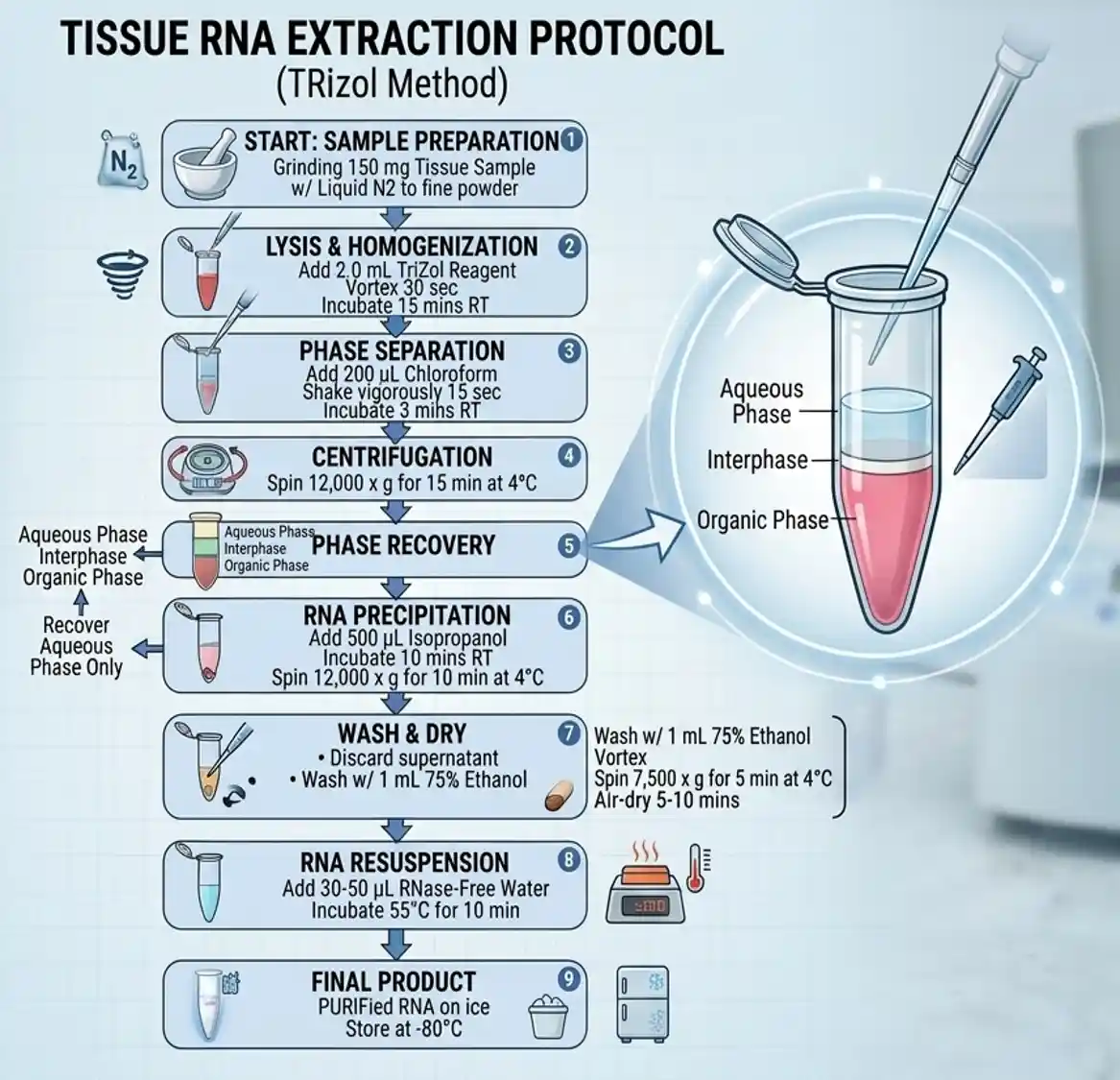
Part A: TRIzol RNA Isolation Part B: Formaldehyde Gel Electrophoresis Required Chemicals & Reagents Core Isolation Reagents Electrophoresis Reagents Buffer and Gel Compounding 1. 10x FA Gel Buffer 2. 1x FA Gel Running Buffer (1 Litre) 3. 5x RNA Loading Buffer (12 mL Total Volume)  Required Precautions RNase Decontamination Chemical …

Read More

Radioimmunoassay: Principle, Procedure and Applications

Radioimmunoassay

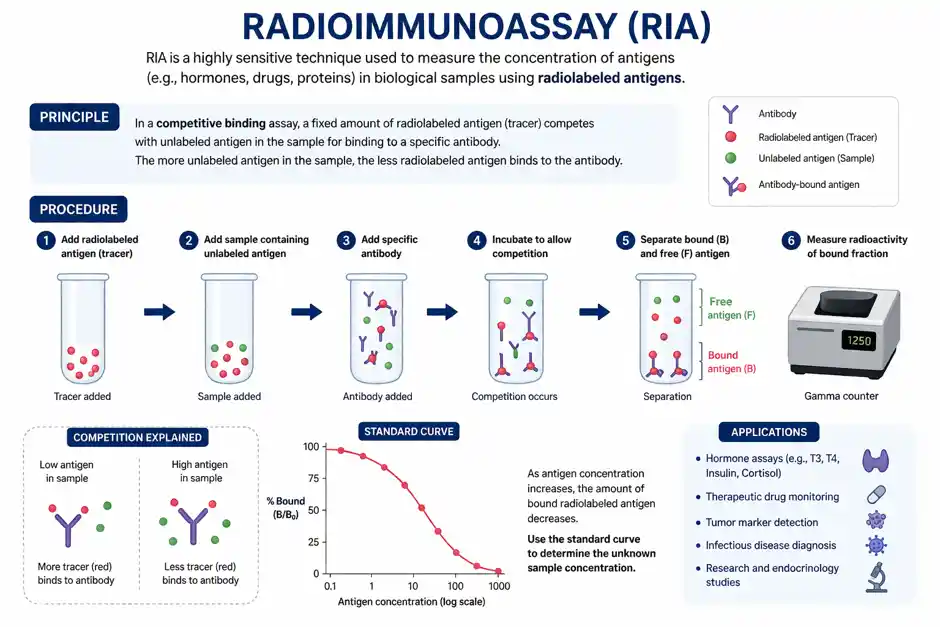
Radioimmunoassay (RIA) is a highly sensitive laboratory technique used to measure extremely small amounts of substances in biological samples. It is especially useful for detecting hormones, drugs, vitamins, and other substances that may be present in very low concentrations. RIA was developed by Rosalyn Yalow and Solomon Berson in 1959 …

Read More