Why some animals survived the asteroid impact that wiped out the dinosaurs

Why Did Some Animals Survive the Dinosaur Extinction

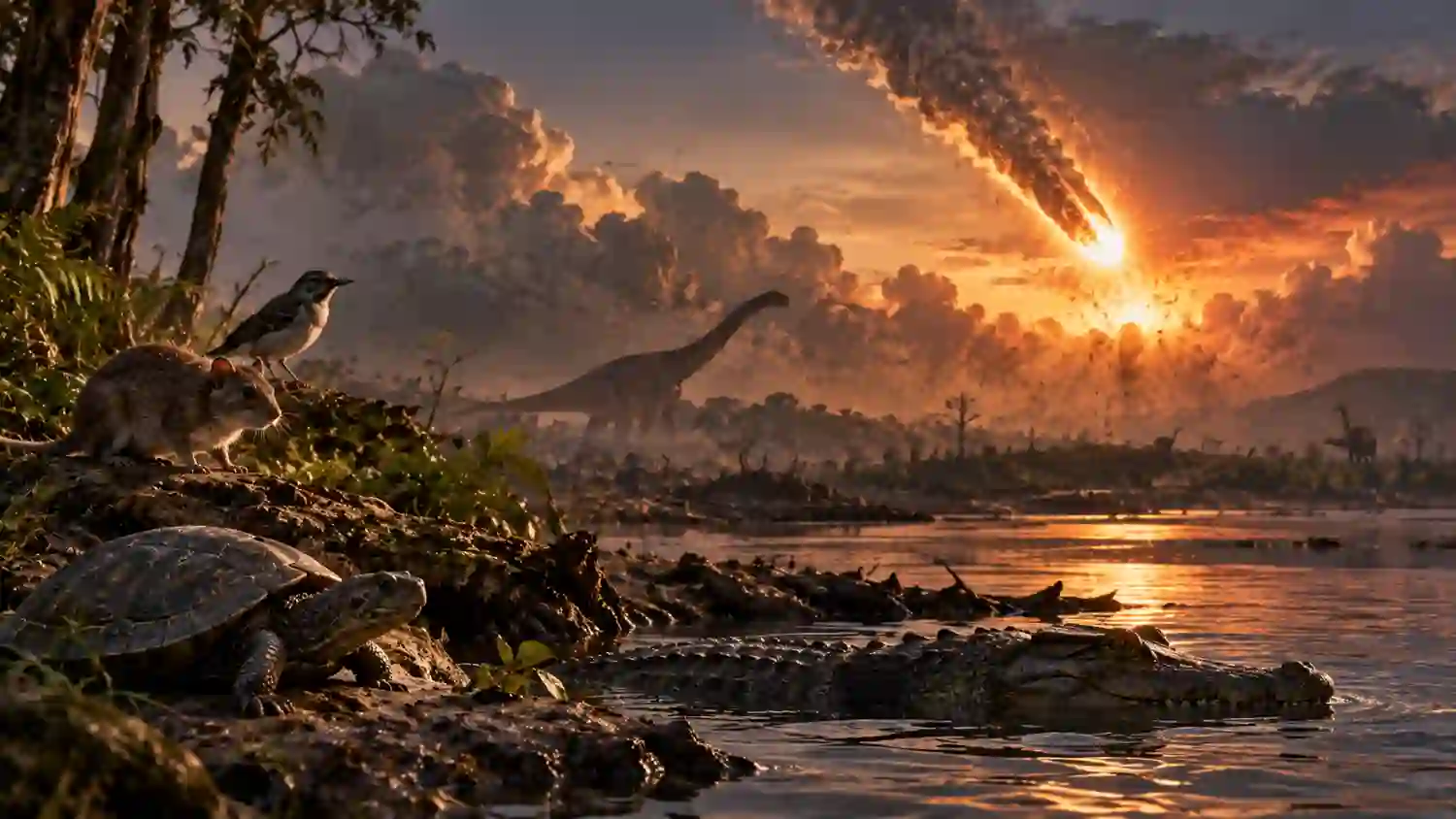
Sixty-six million years ago, an asteroid struck the region now known as Mexico’s Yucatán Peninsula, triggering one of the most devastating mass extinctions in Earth’s history. Non-avian dinosaurs disappeared, along with numerous marine reptiles and other organisms. Yet crocodiles, turtles, mammals, birds and several other animal groups survived. Why did …

Read More

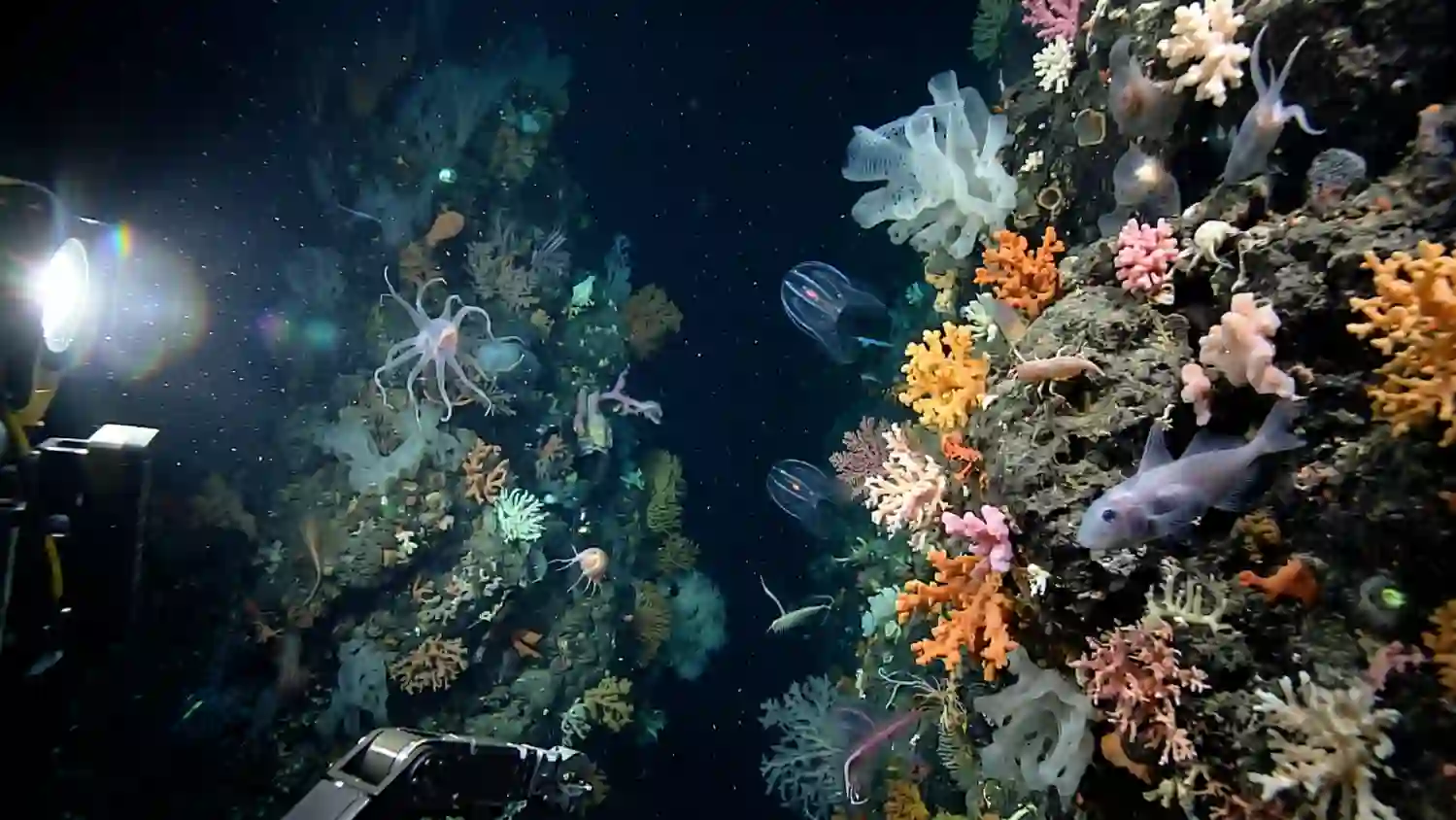
This deep-sea canyon was hiding 57 species new to science

This deep-sea canyon was hiding 57 species new to science

Thousands of metres beneath the Atlantic Ocean, where sunlight never reaches and pressure is immense, scientists found something that sounds almost impossible: 57 species that had never been scientifically identified before. The discoveries came from Argentina’s Mar del Plata Submarine Canyon, a vast underwater valley more than 3,500 metres deep. …

Read More

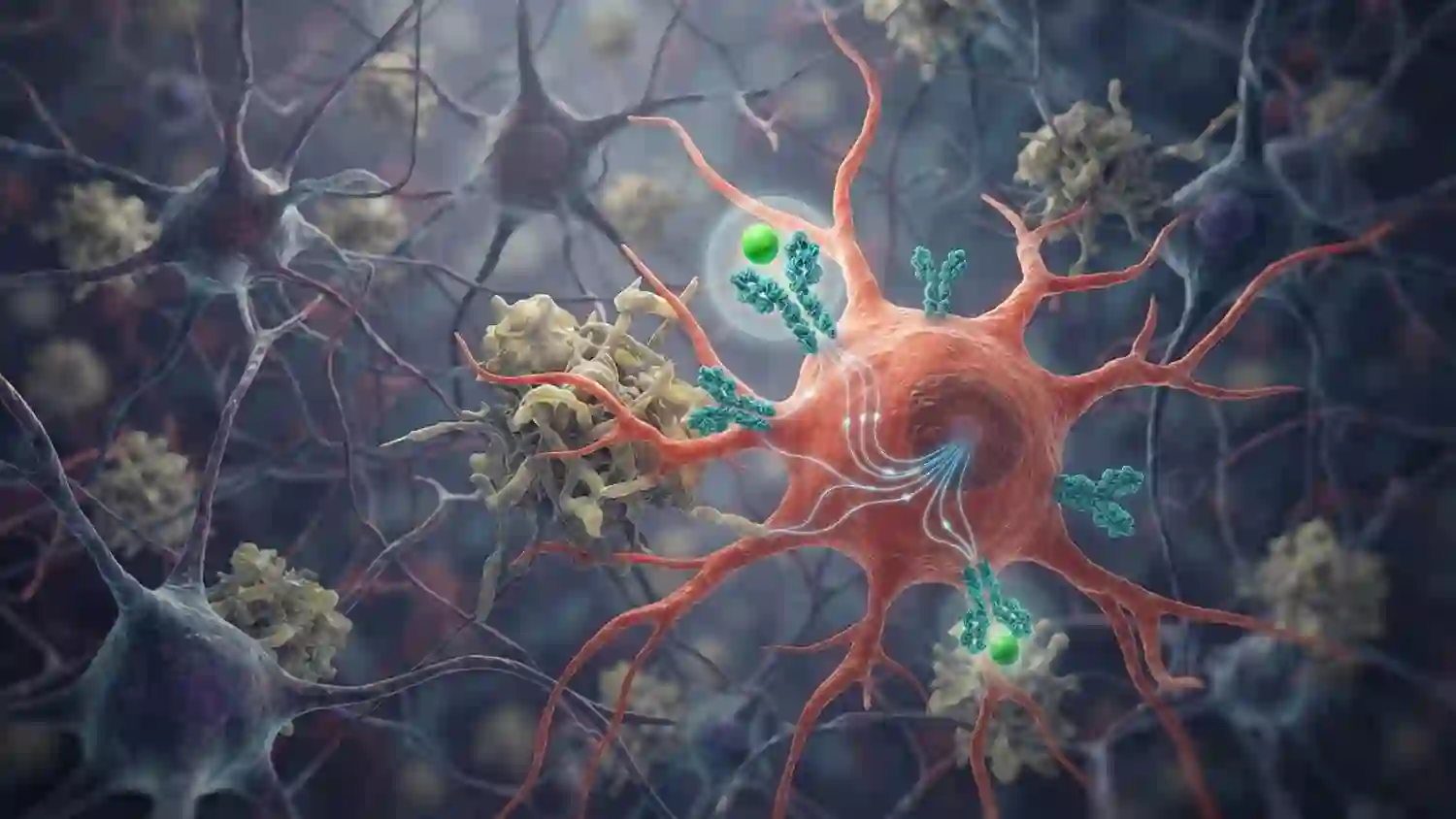
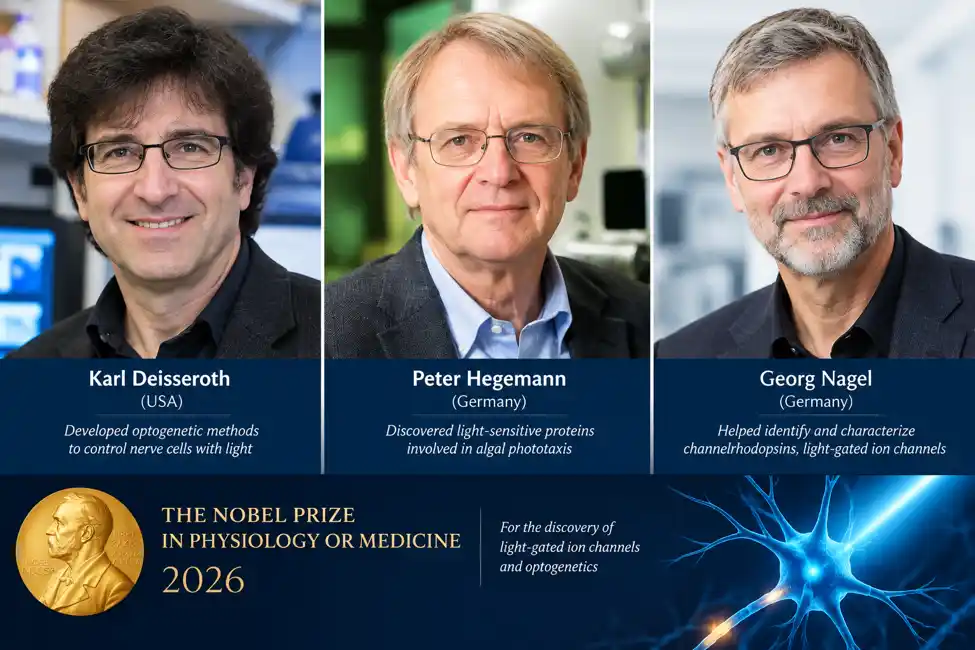
Nobel prize honors the scientists who taught brain cells to respond to light

Nobel prize honors the scientists who taught brain cells to respond to light

Stockholm, October 5, 2026 Scientists won the 2026 Nobel Prize in Physiology or Medicine for developing optogenetics, a gene-therapy based technique that uses light to control individual nerve cells in the brain. The Nobel Assembly cited their “discoveries concerning light-gated ion channels and optogenetics.” The three share the 12 million …

Read More

Photonic Computing: How Light Could Transform AI

Could Photons Replace Electrons in Future Computers

For decades, computers have relied on electrons moving through semiconductor circuits to store, transmit and process information. But as artificial intelligence demands increasingly enormous amounts of computation, conventional electronics are facing growing challenges in speed, heat generation and energy consumption. One possible alternative is to use something that already moves …

Read More