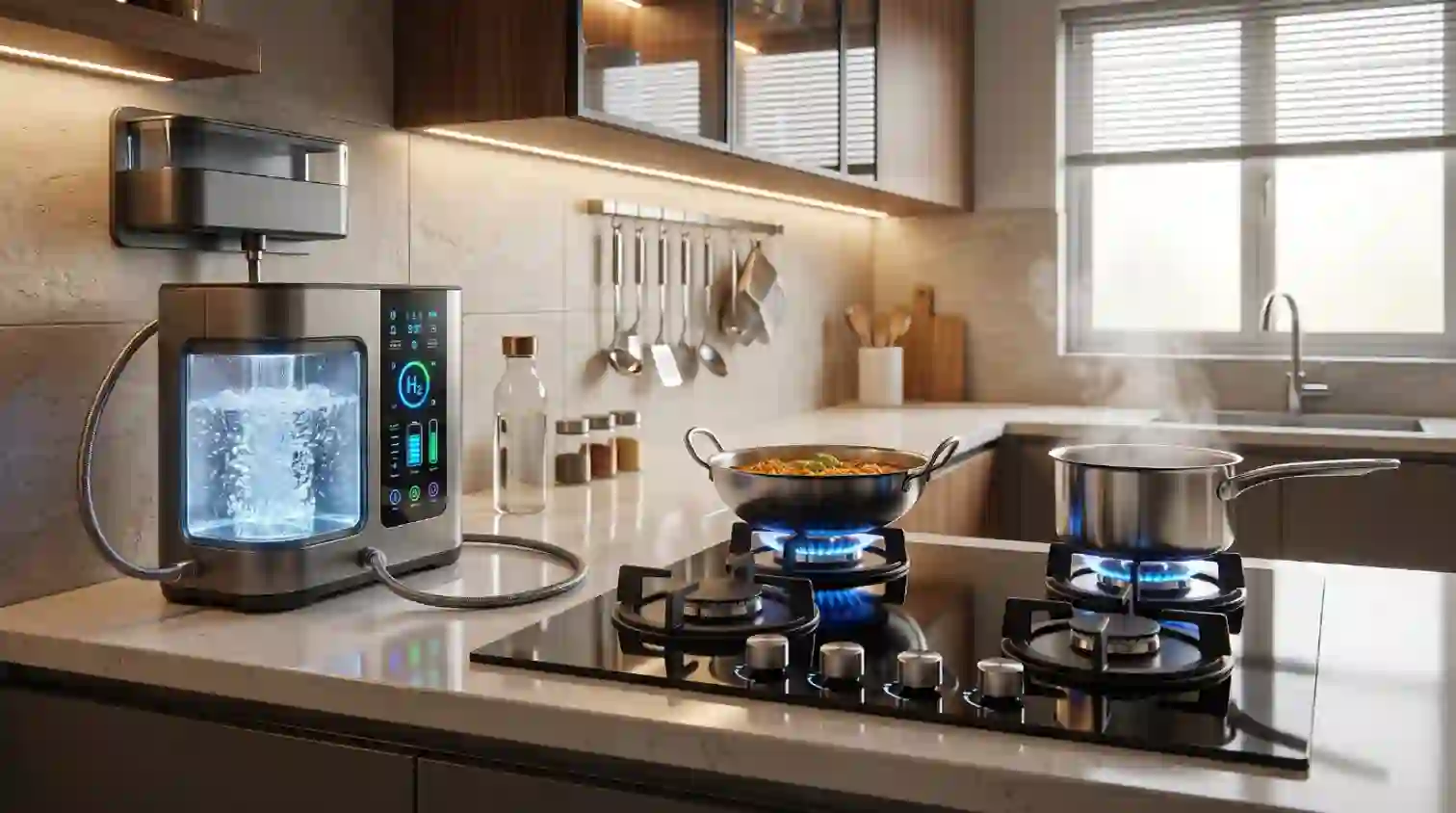
Imagine preparing your morning tea without worrying about your next liquefied petroleum gas (LPG) cylinder refill. Instead of connecting a gas cylinder, you fill a small tank with water, switch on the stove and produce the fuel you need to cook. It sounds futuristic, but an Indian clean-energy startup is working to make this possible with a hydrogen-powered cooking system. The idea comes at a time when India remains heavily dependent on imported LPG. Supply disruptions and fluctuating prices have renewed interest in alternatives that could give households greater control over their energy needs.
How can water become cooking fuel?
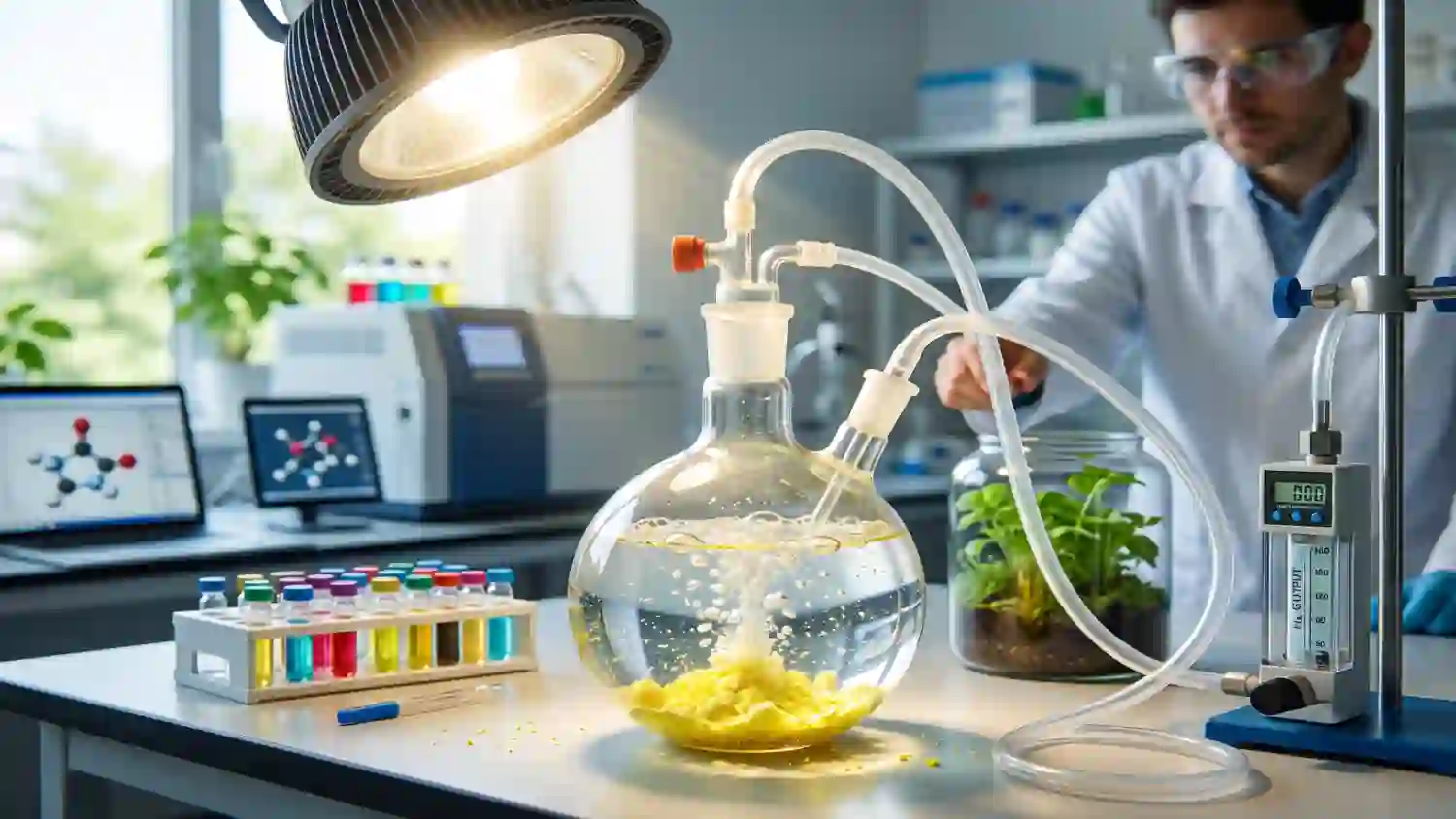
The technology developed by GreenVize uses a process called electrolysis. Inside the appliance, a proton exchange membrane (PEM) electrolyser uses electricity to split water molecules into hydrogen and oxygen. The hydrogen is then directed through safety components before reaching a specially designed burner, where it reacts with oxygen in the air and releases heat. The main product of this combustion is water vapour, rather than the carbon dioxide produced when LPG burns. Unlike conventional hydrogen systems that depend on transporting and storing gas in cylinders, this appliance is designed to generate hydrogen on demand. That means the fuel can be produced as it is needed, reducing the need for a separate hydrogen supply network. The system uses a catalytic burner and incorporates components such as a buffer tank and flame arresters to help manage the risks associated with hydrogen, which ignites easily and can burn rapidly.

Could it replace LPG in Indian kitchens?
One potential advantage is cleaner combustion at the point of use. Because hydrogen contains no carbon, burning it does not directly release carbon dioxide. It could also reduce some of the indoor pollution associated with cooking using wood, charcoal or kerosene. However, the environmental benefits depend on where the electricity comes from. If the electrolyser runs on renewable electricity, the system could offer a low-carbon cooking option. If its electricity comes mainly from fossil fuels, the overall emissions may be considerably higher. And water is not the source of the energy itself. Splitting water requires electricity, and converting that electricity into hydrogen and back into heat involves energy losses. The important question is whether the appliance can compete with existing cooking options in real-world efficiency and cost.
The technology is still relatively expensive. The company has reported prices of around ₹1.05 lakh for a single-burner model and ₹1.5 lakh for a double-burner model, before applicable taxes. That is a substantial upfront investment for many households. Hydrogen also requires carefully engineered equipment, ventilation and safeguards against leaks and flame flashback. Independent testing, long-term reliability data and transparent comparisons of electricity consumption will be important before widespread adoption. India’s hydrogen stove is an intriguing example of how clean energy technology could reach beyond factories and transport into everyday life. It may not replace every LPG cylinder soon, but it raises an important possibility: Could the future of cooking involve producing fuel right where it is used?