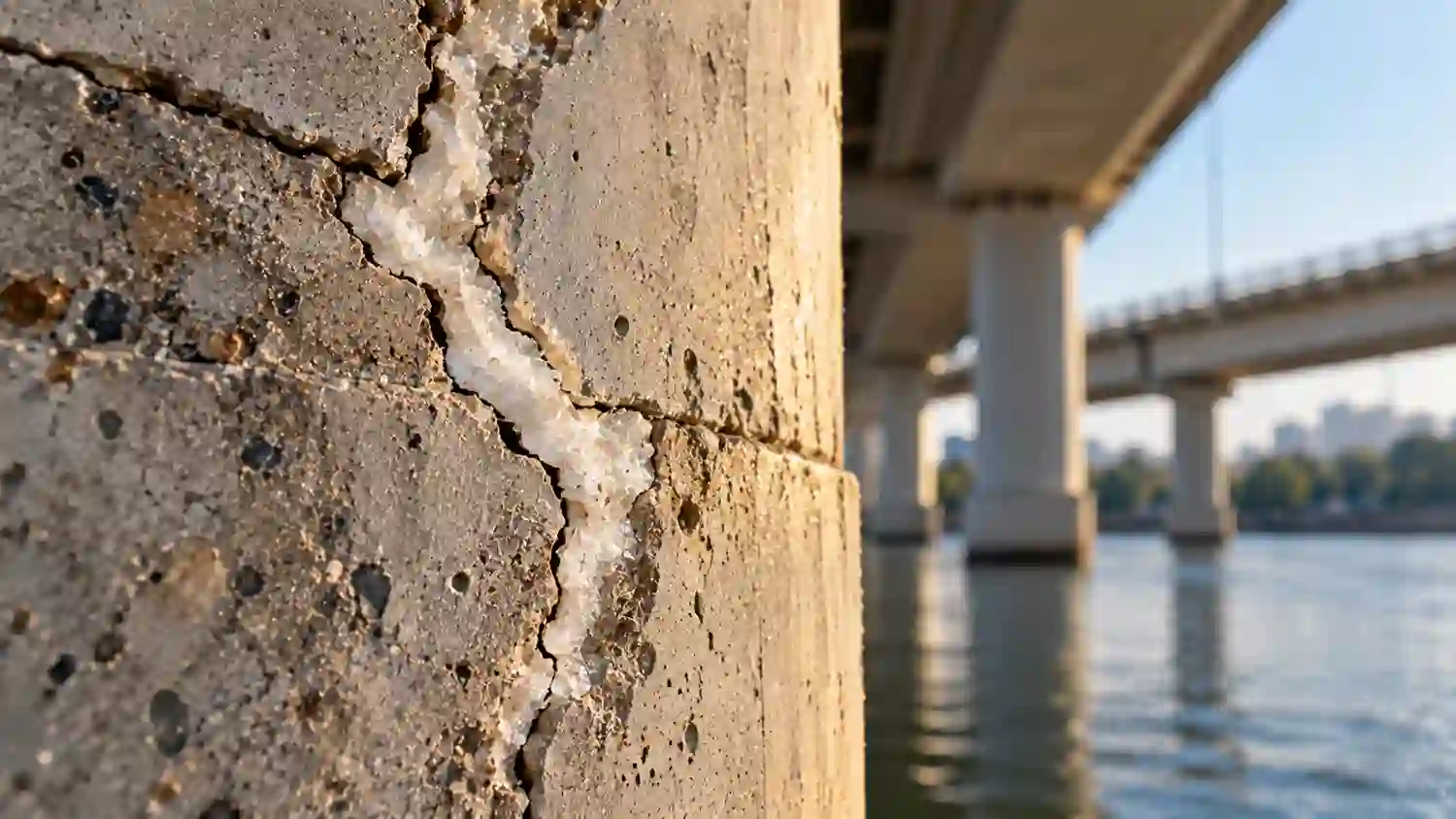
Concrete is one of the most widely used materials on Earth, but it has one major weakness: it cracks. Tiny cracks can allow water, salts, and other chemicals to penetrate deep into the material, eventually corroding the steel reinforcement and weakening structures. Repairing this damage is expensive, difficult, and often requires replacing large sections of concrete.
But what if concrete could heal its own cracks?
Scientists and engineers have been developing self-healing concrete, a class of materials designed to repair cracks without conventional human intervention. One approach uses special bacteria embedded inside the concrete. These bacteria can remain dormant for long periods and become active when a crack allows water and oxygen to enter. They then produce calcium carbonate essentially limestone which gradually fills the crack.
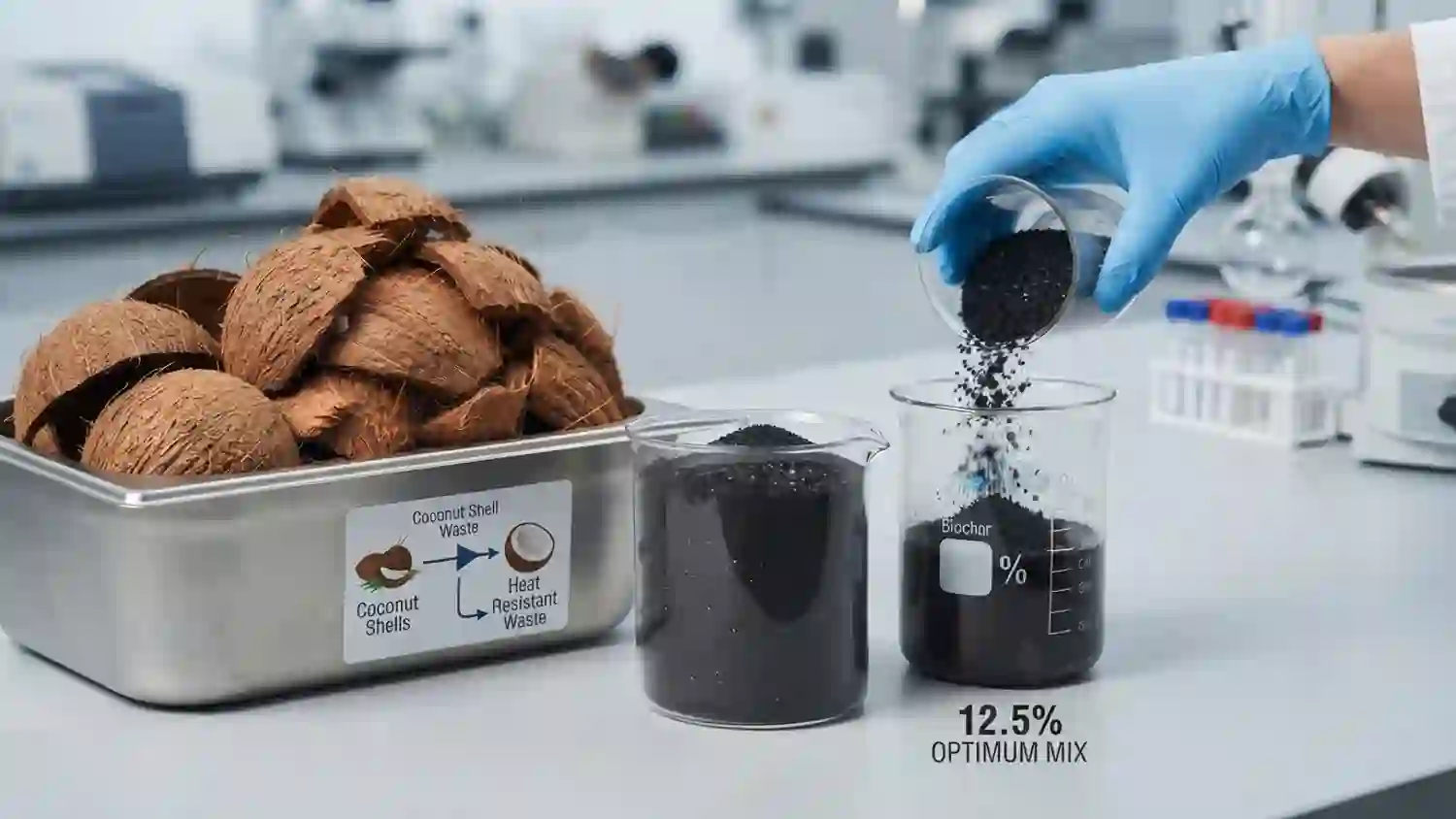
Other approaches use microcapsules containing healing chemicals, expansive minerals, or specialized polymers that react when cracks form. Another fascinating strategy involves engineered cement materials that can repeatedly seal microscopic cracks. Instead of simply filling a large fracture once, some materials are designed to undergo controlled chemical reactions or mineral formation whenever water reaches newly formed cracks.
The potential impact is enormous. Self-healing concrete could potentially extend the lifetime of bridges, tunnels, buildings, dams, and roads, reduce maintenance costs, and decrease the environmental footprint associated with producing new cement. This is particularly important because cement production contributes significantly to global carbon dioxide emissions.
However, self-healing concrete isn’t yet a magical material that can repair every crack. Many technologies work best on small cracks, and researchers still have to address questions surrounding long-term durability, cost, healing speed, performance in different climates, and whether the healing mechanisms remain effective for decades.
The bigger idea is fascinating: instead of designing buildings that simply resist damage, could we design materials that respond to damage the way living systems respond to injury?
The future of construction may not be about making concrete that never cracks but making concrete that knows what to do when it does.