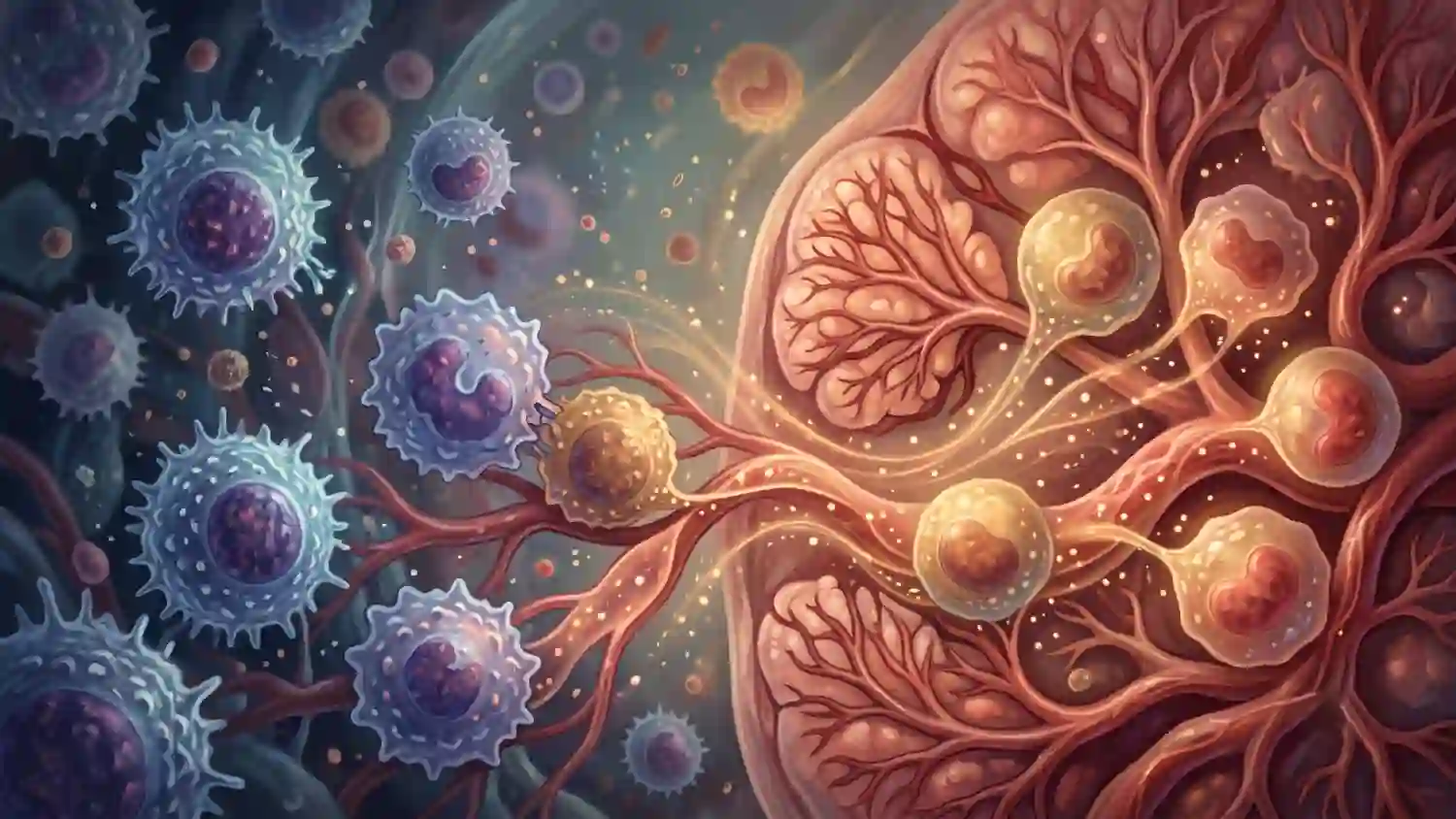
During an infection, neutrophils are among the body’s first responders. They rush toward threats, attack invading microbes and can trigger inflammation. But during early pregnancy, some of these same immune cells appear to take on a very different job: helping the placenta establish itself. A new study has found that the developing placenta can reshape the behavior of maternal neutrophils, turning them from potentially damaging immune cells into supporters of placental development.
Early in pregnancy, specialized placental cells called extravillous trophoblasts migrate into the mother’s uterine lining. This invasion is not a sign of disease. It is a crucial part of pregnancy because these cells help anchor the placenta and remodel maternal blood vessels, allowing enough blood to reach the developing embryo. Researchers from the Medical University of Vienna examined human tissue from the first trimester and found unusually large numbers of neutrophils in a region associated with the maternal fetal interface.
These cells, called decidual fibrinoid-associated neutrophils, were different from neutrophils circulating in the blood. The difference was striking. In laboratory experiments, the tissue associated neutrophils helped placental trophoblasts move into surrounding tissue. Blood derived neutrophils, in contrast, initially damaged the placental cells and triggered their death.
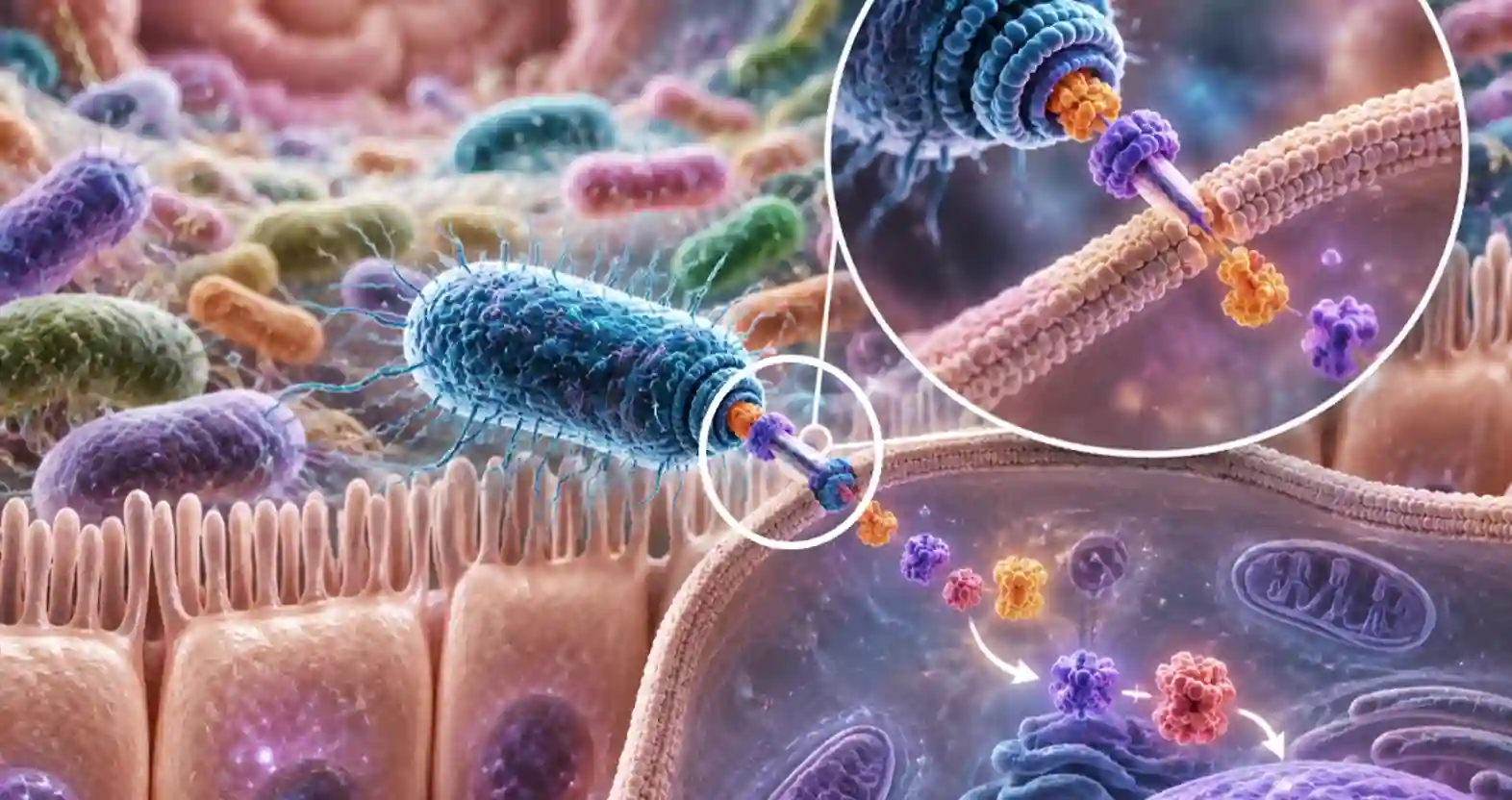
They then uncovered how the placenta could change this behavior. The tissue associated with neutrophils produced high amounts of an enzyme called matrix metalloproteinase-9, or MMP-9. This enzyme helped activate transforming growth factor beta (TGF-β), a signaling molecule produced by the placenta. TGF-β then suppressed the damaging behavior of blood derived neutrophils and pushed them toward a state that produced more MMP-9 and supported trophoblast invasion.
In other words, the placenta does not simply tolerate the mother’s immune system. It appears to actively communicate with immune cells and modify what they do. This finding highlights how flexible neutrophils can be. The same type of immune cell can promote inflammation and attack cells in one environment, yet support tissue development in another.
The discovery could also help us understand pregnancy complications in which placental invasion or blood vessel remodeling goes wrong. However, the study does not show that abnormal neutrophil behavior causes conditions such as preeclampsia or miscarriage. Whether this immune-cell reprogramming is altered in complicated pregnancies remains an important question for future research. For early pregnancy, the immune system may not simply be standing guard. It may be helping build the very structure that makes the pregnancy possible.