Science Says There Could Be Life Forms That Don’t Use DNA!

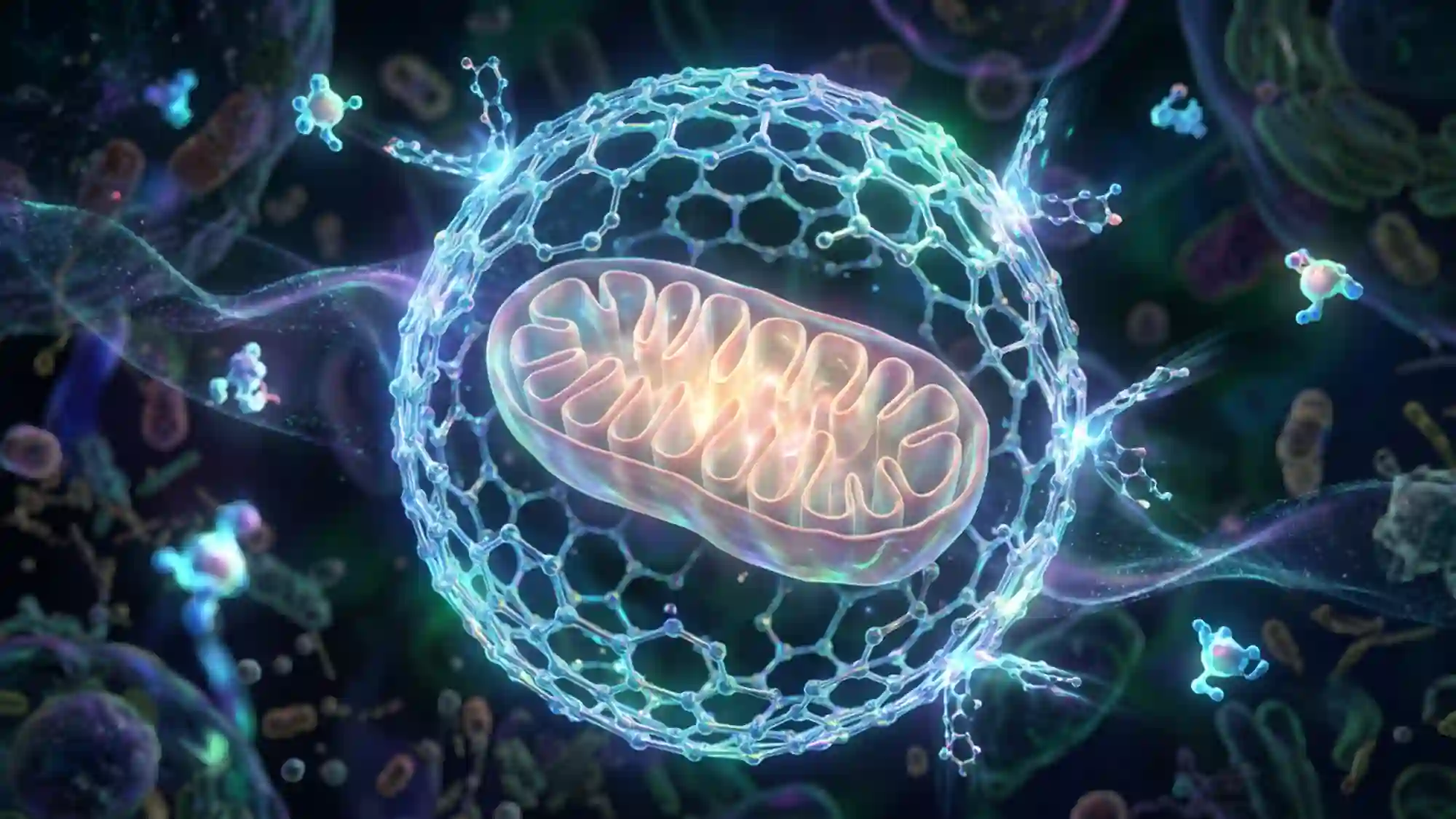
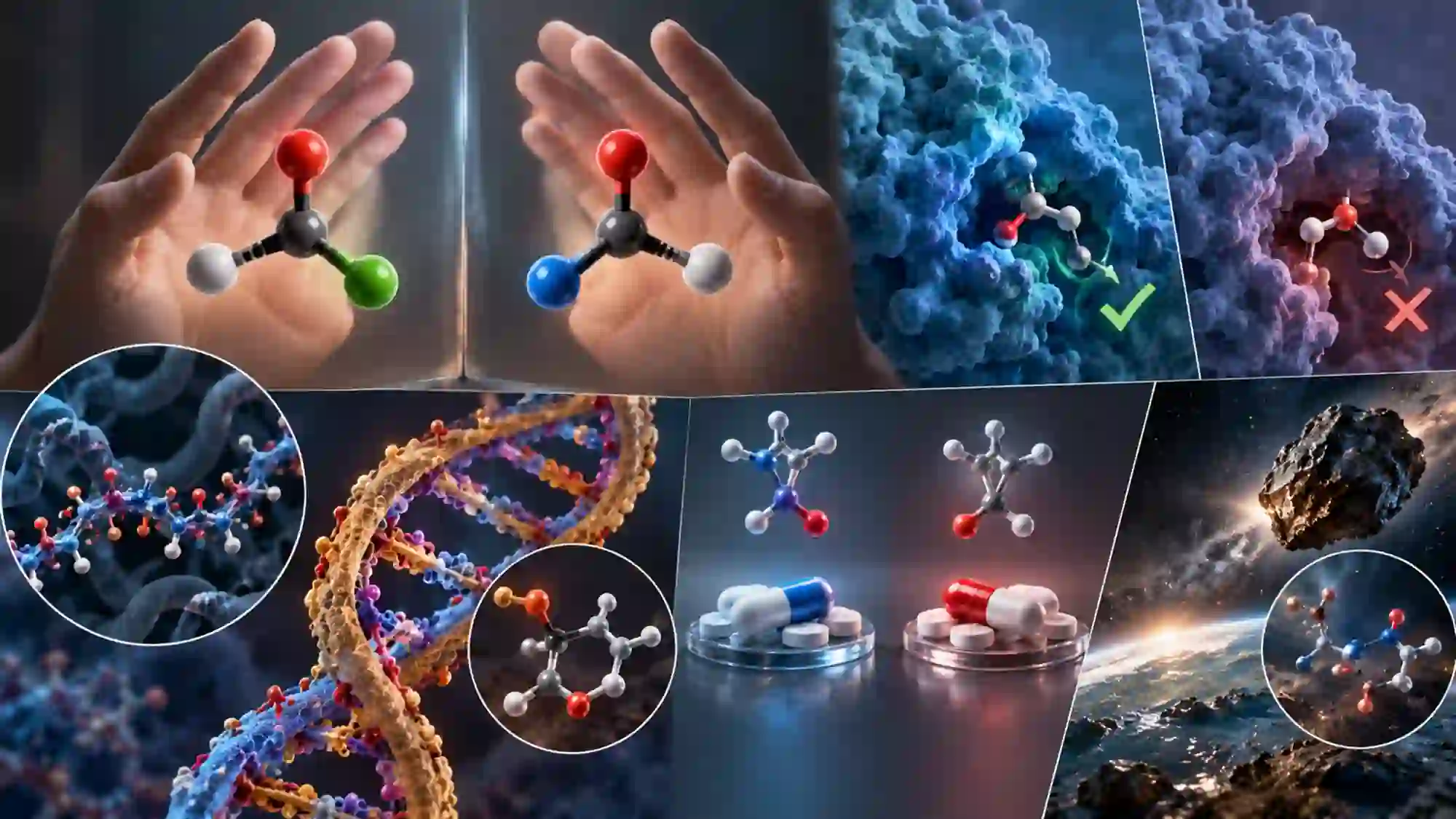
Science Says There Could Be Life Forms That Don't Use DNA

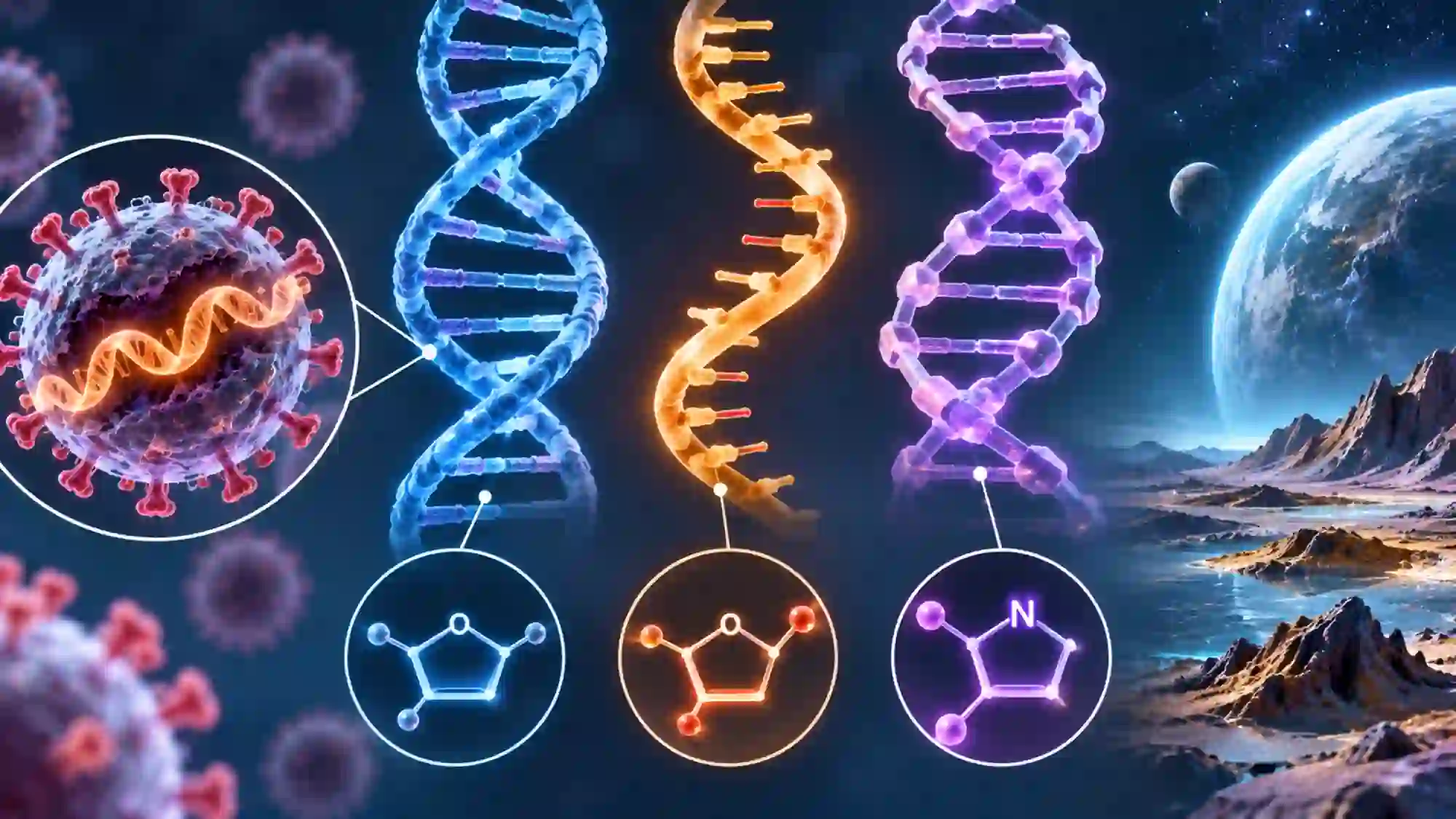
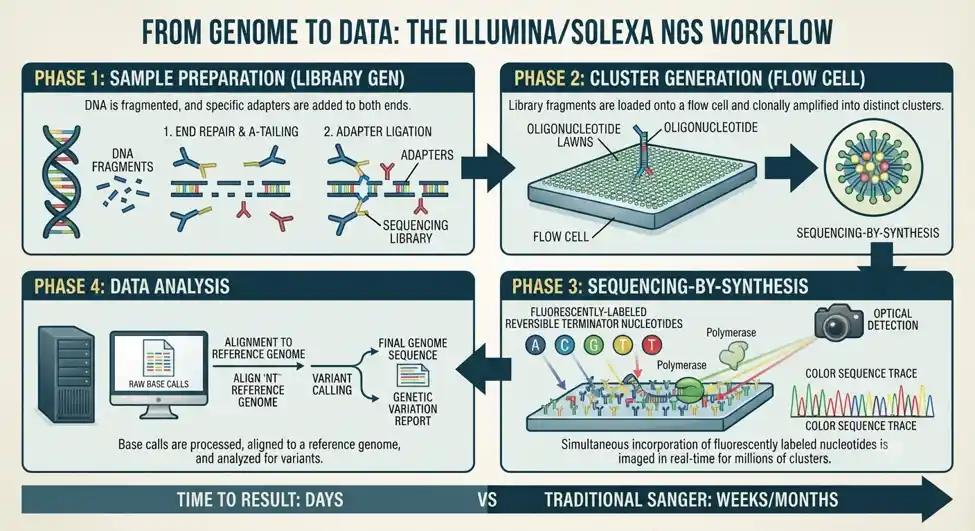
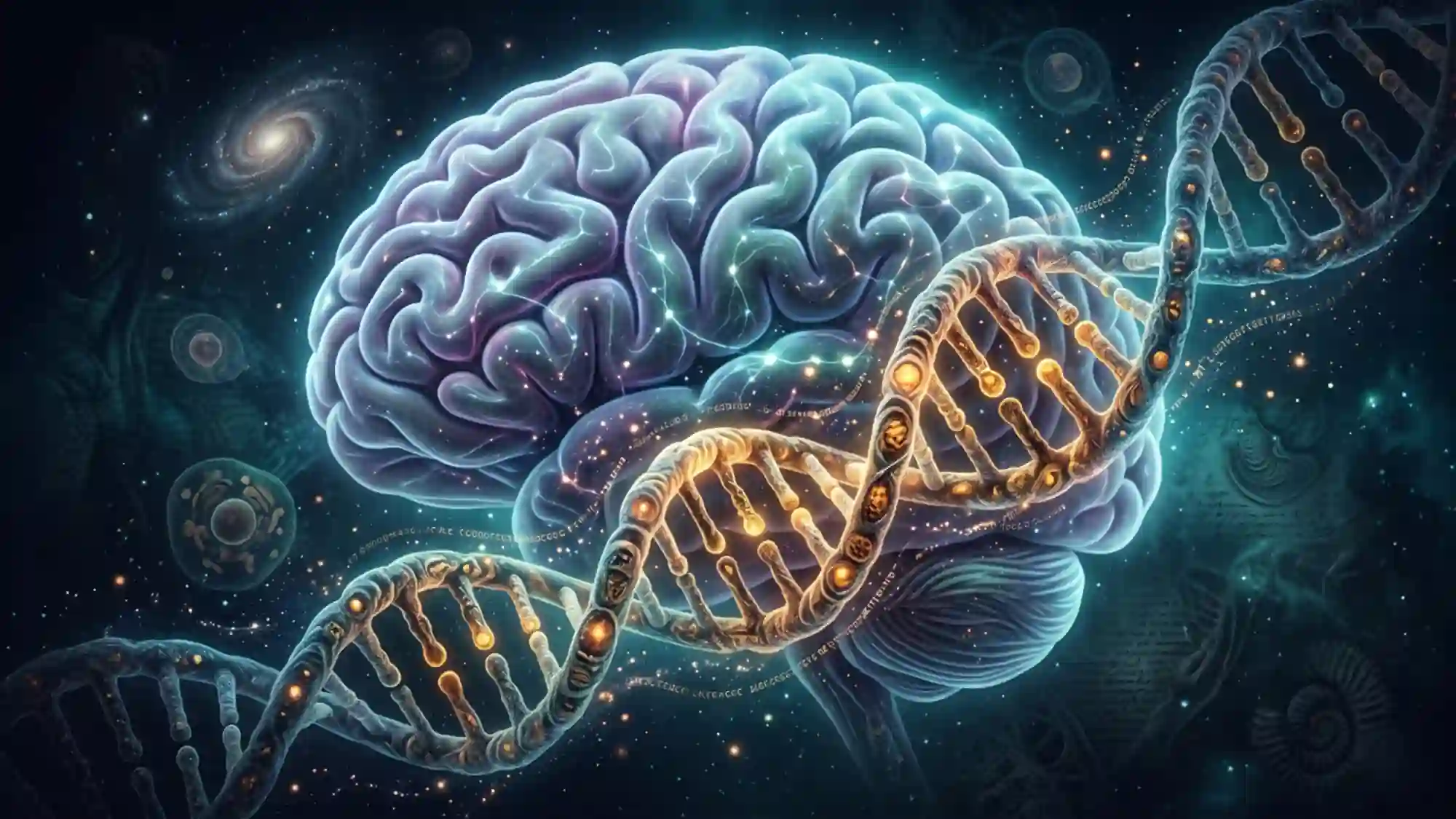
All known cellular life on Earth uses DNA to store its genetic instructions. From microscopic bacteria to humans, DNA carries the information needed for growth, reproduction and cellular function. But could life exist without this molecule? Surprisingly, scientists have discovered biological systems that use RNA instead of DNA and are …
Read More

Why some animals survived the asteroid impact that wiped out the dinosaurs

Why Did Some Animals Survive the Dinosaur Extinction

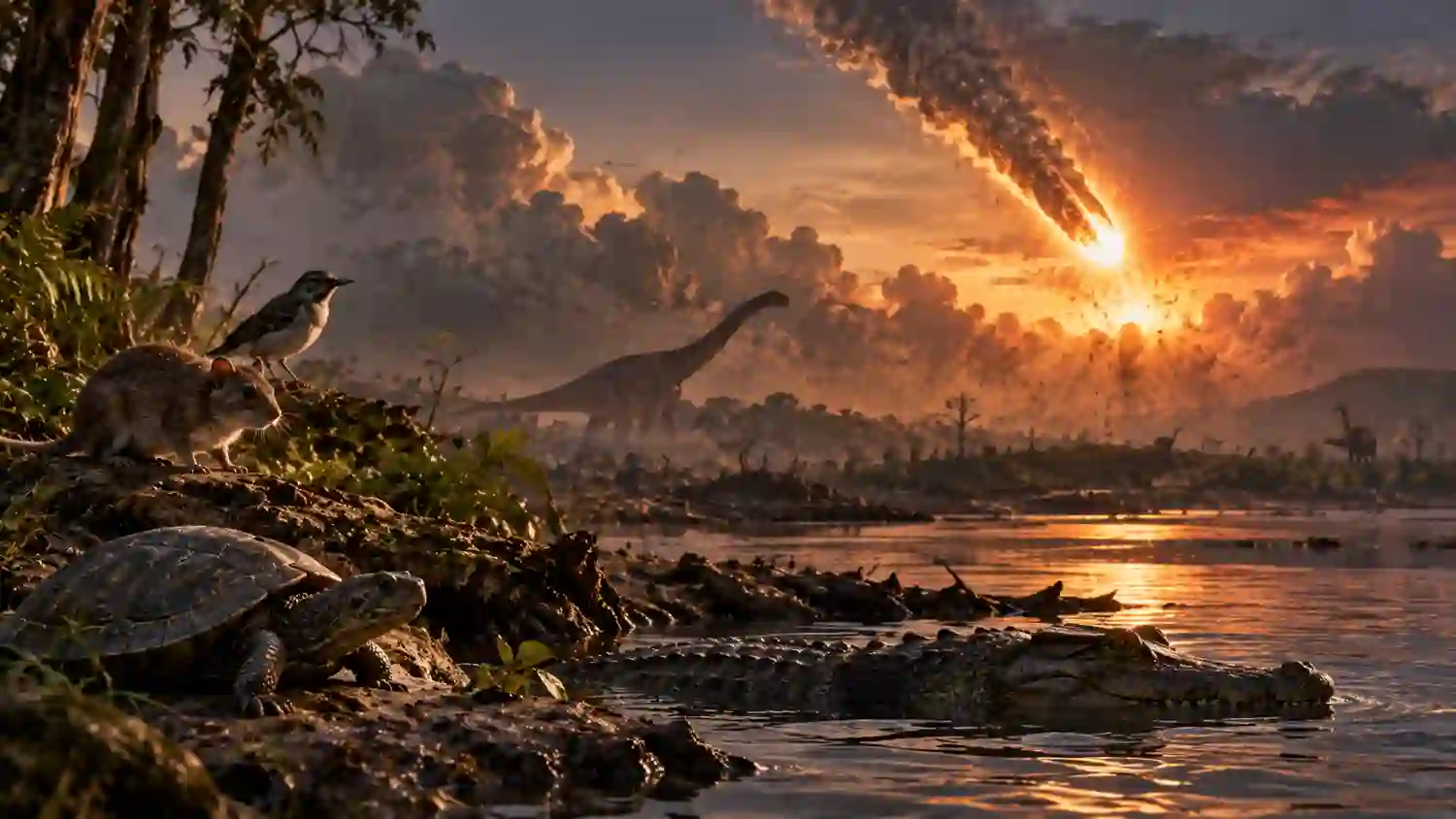
Sixty-six million years ago, an asteroid struck the region now known as Mexico’s Yucatán Peninsula, triggering one of the most devastating mass extinctions in Earth’s history. Non-avian dinosaurs disappeared, along with numerous marine reptiles and other organisms. Yet crocodiles, turtles, mammals, birds and several other animal groups survived. Why did …

Read More

Can dogs help us understand why some people live longer?

Can dogs help us understand why some people live longer

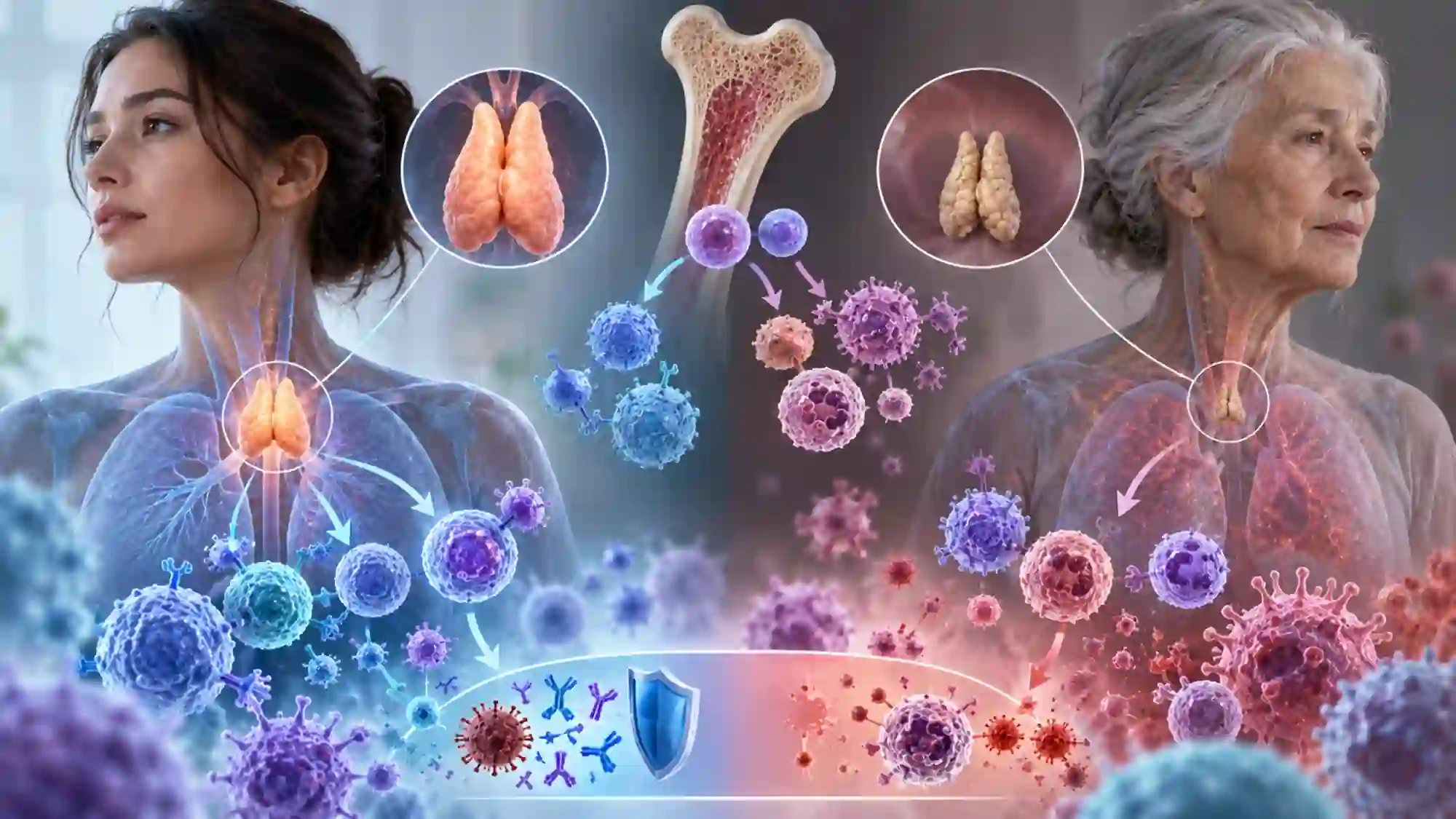
Why do some individuals remain healthy into old age while others develop multiple diseases decades earlier? The answer may be hiding somewhere unexpected: our dogs. Scientists increasingly see companion dogs as valuable models for understanding human aging. Unlike laboratory animals raised under highly controlled conditions, pet dogs live in the …

Read More

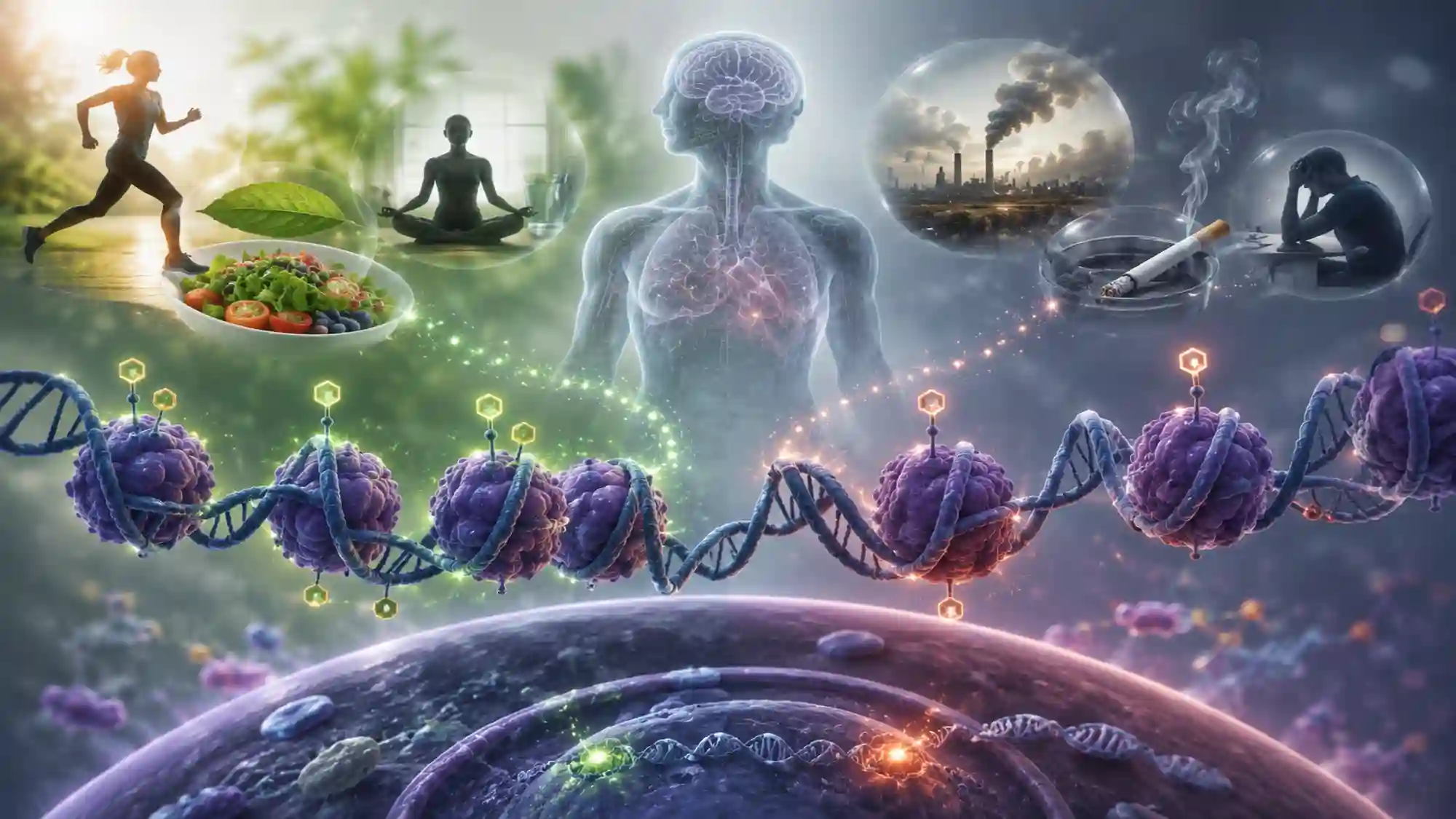
How human genes adapted to changing diets: The evolutionary science of food

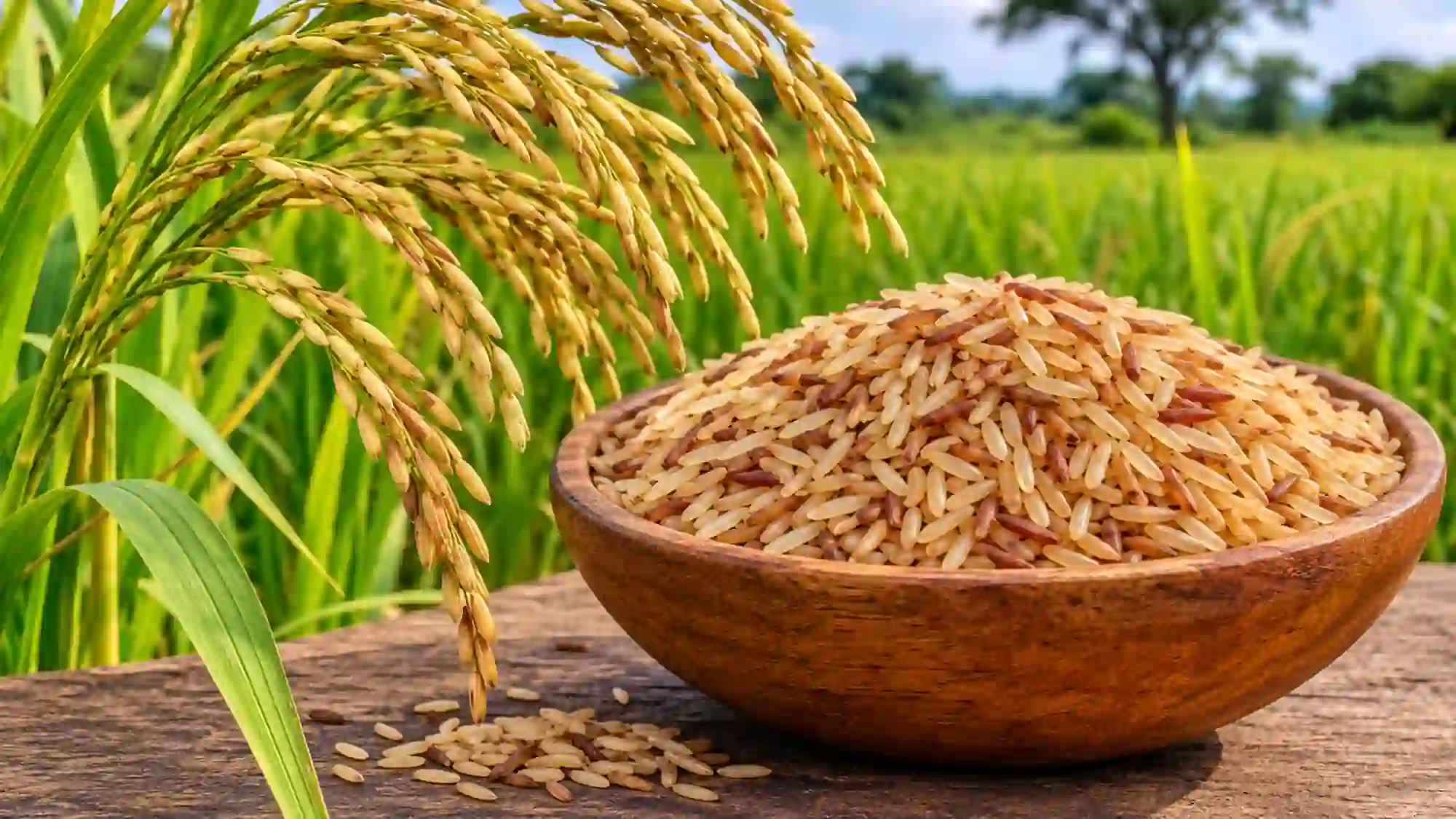
How human genes adapted to changing diets

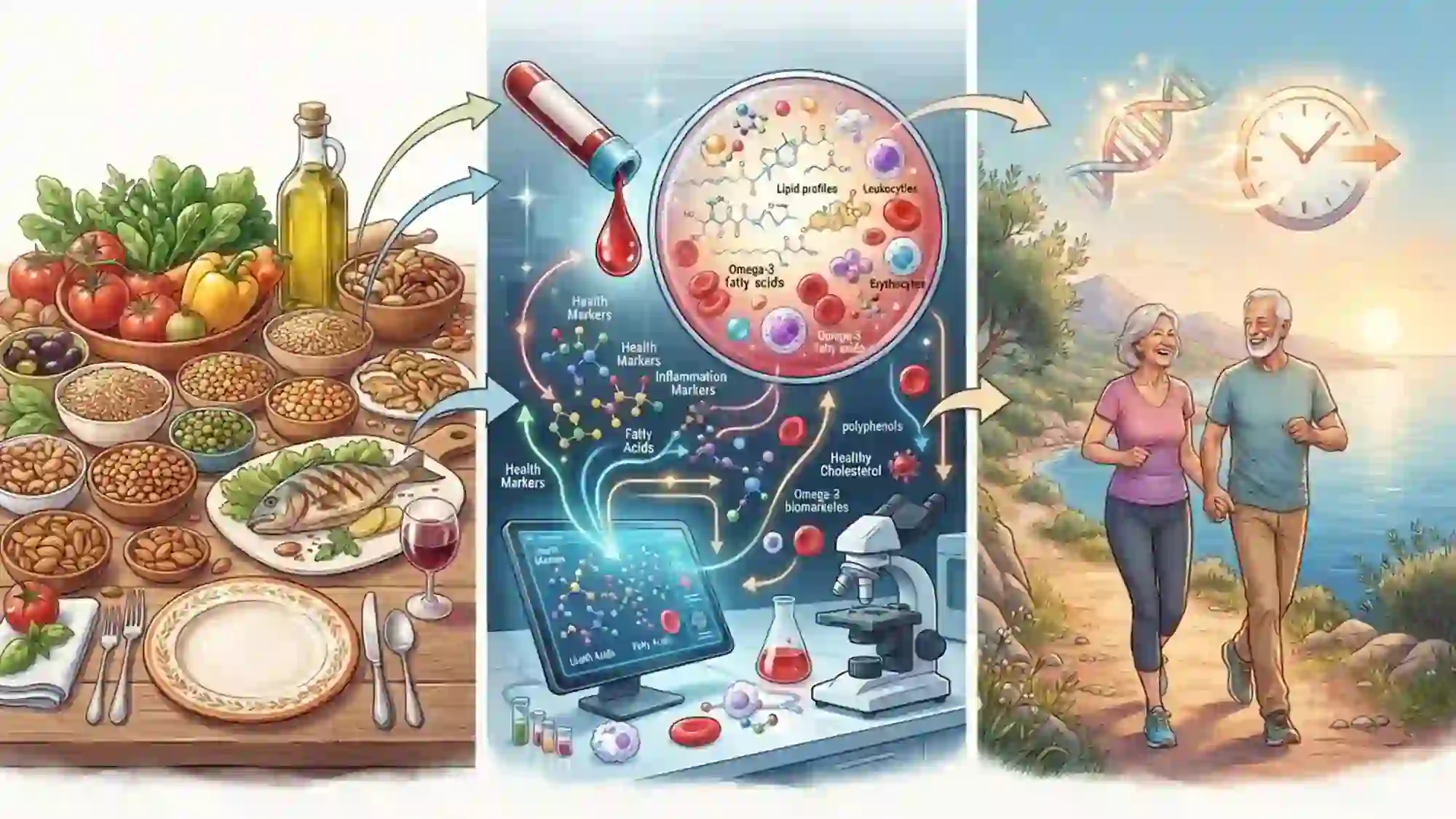
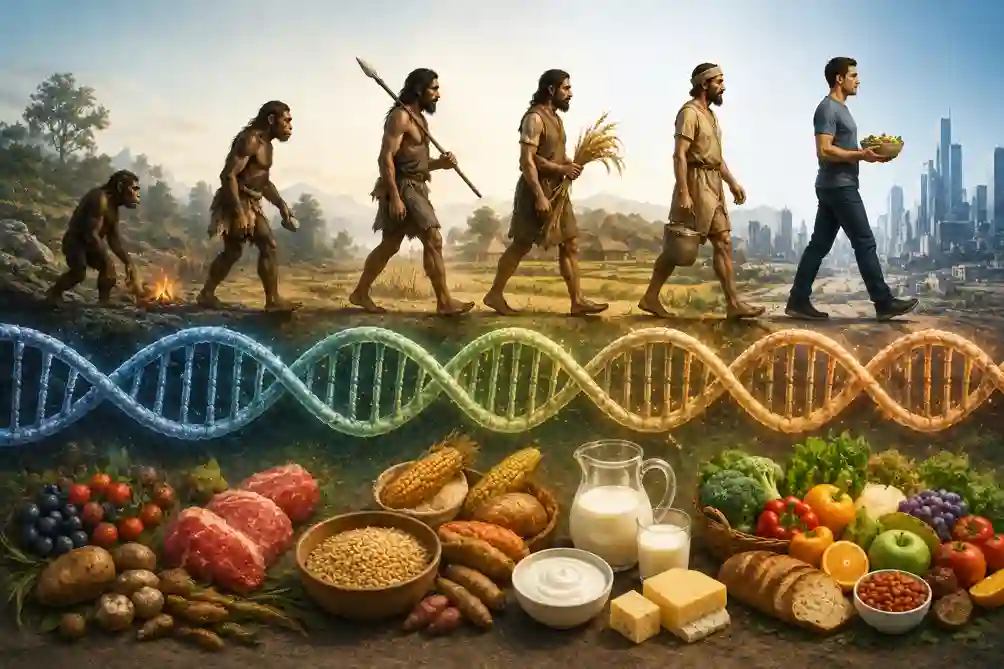
Human diets have changed dramatically throughout evolution. Our ancestors moved from hunting and gathering to farming, began consuming more grains and dairy, developed new food-processing methods, and adapted to environments ranging from tropical forests to the Arctic. Surprisingly, some of these dietary changes may have left measurable signatures in our …

Read More