Science Says There Could Be Life Forms That Don’t Use DNA!

Science Says There Could Be Life Forms That Don't Use DNA

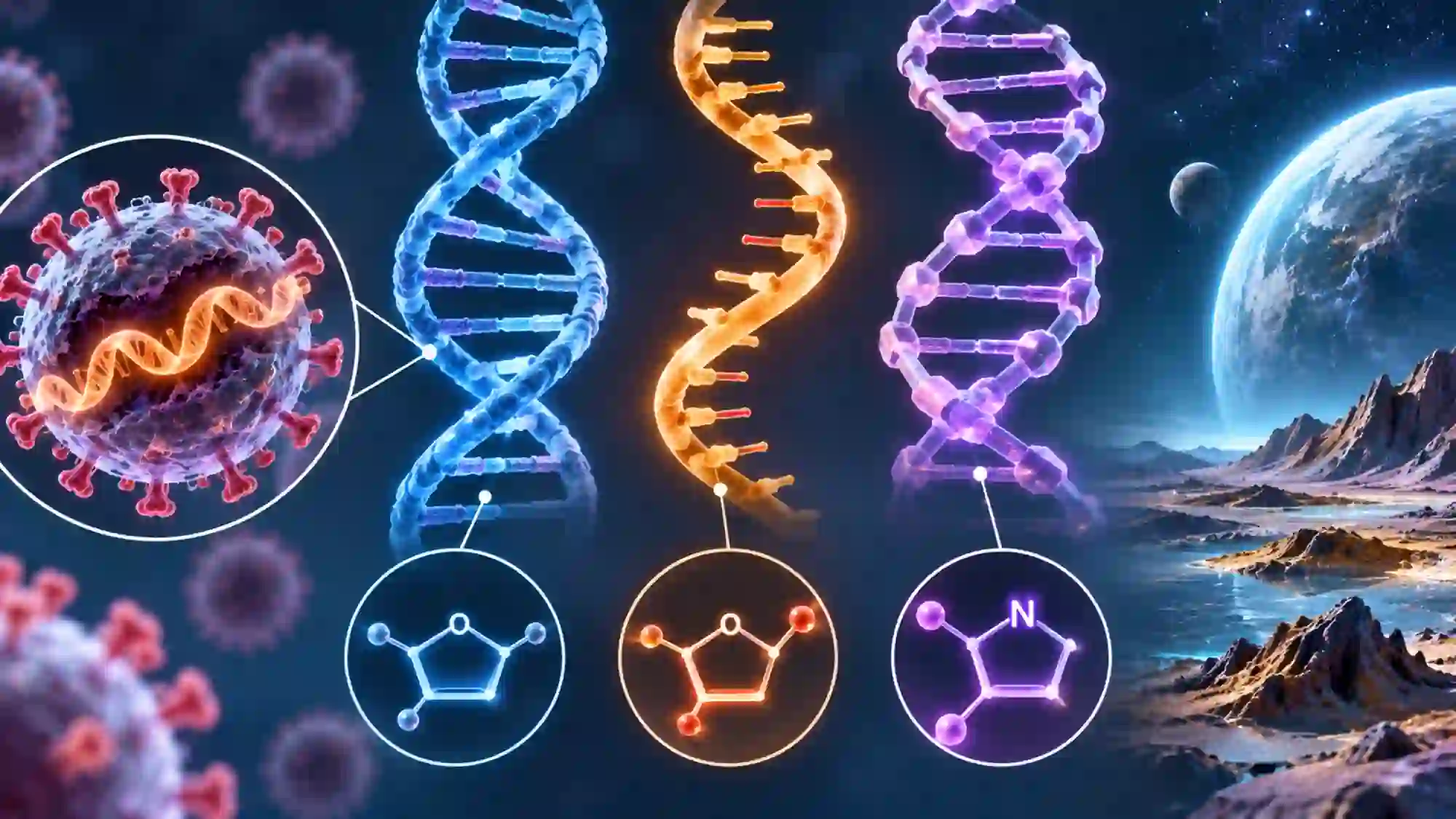
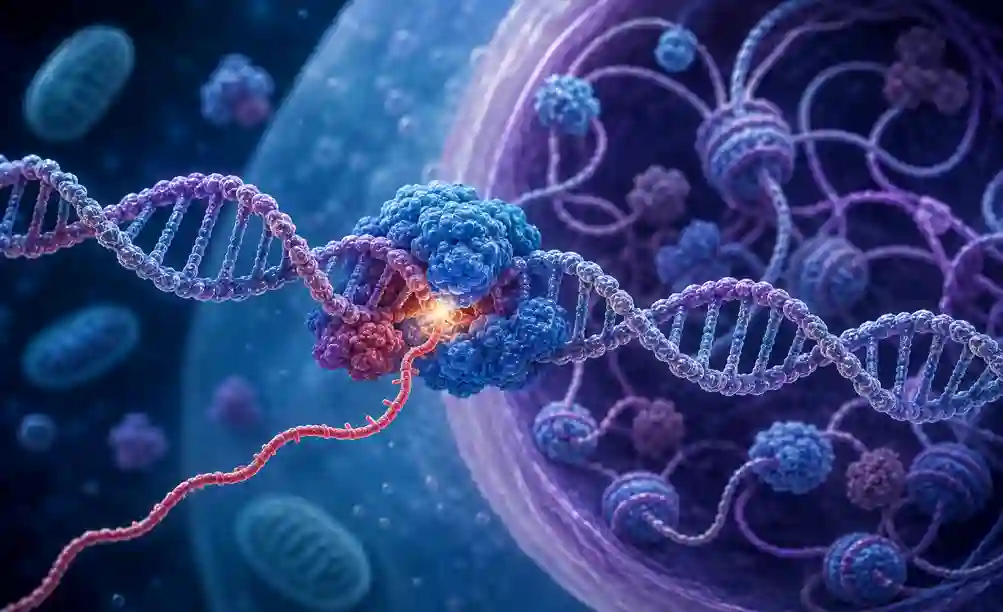
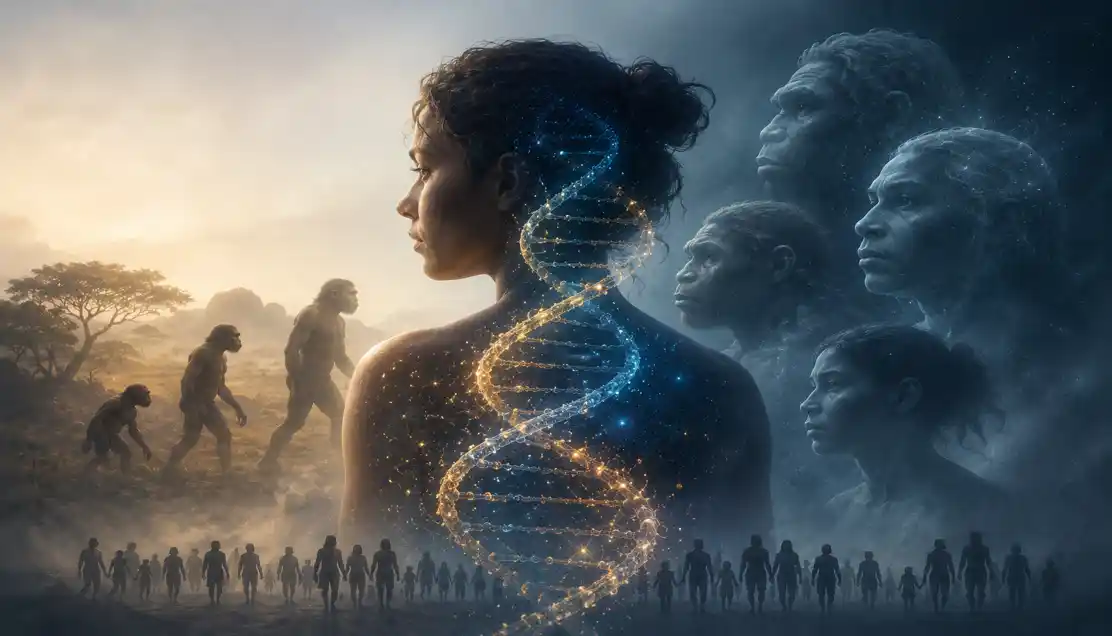
All known cellular life on Earth uses DNA to store its genetic instructions. From microscopic bacteria to humans, DNA carries the information needed for growth, reproduction and cellular function. But could life exist without this molecule? Surprisingly, scientists have discovered biological systems that use RNA instead of DNA and are …

Read More

Jurassic medicine: Ancient mammal proteins resurrected to fight drug-resistant bacteria

Jurassic Medicine: Ancient Proteins Are Beating Superbugs

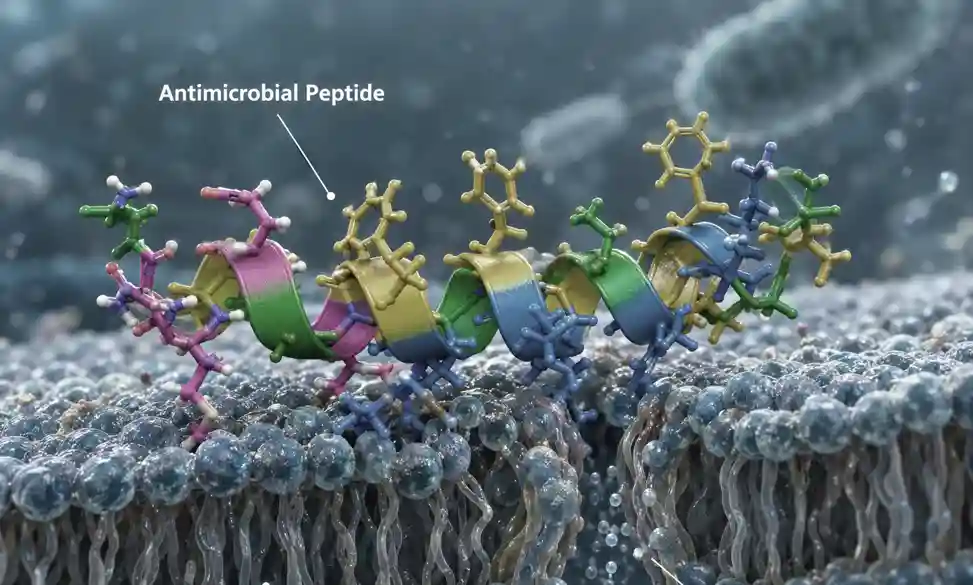
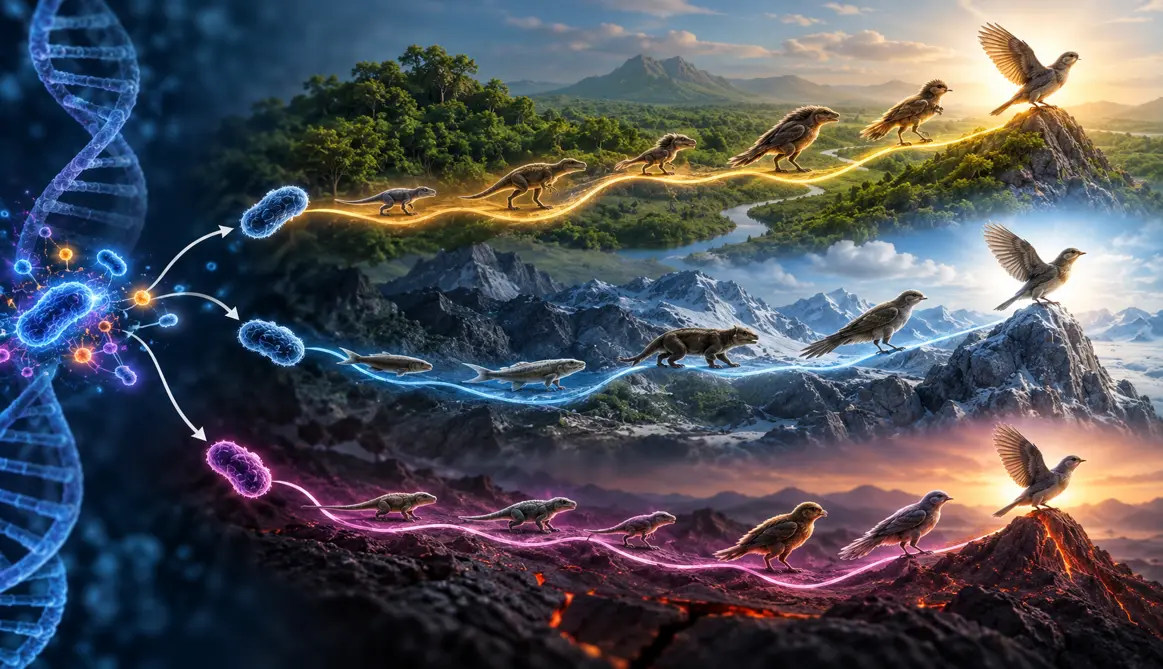
Antibiotic resistance is a pressing global health problem, and some of the most promising leads may come from a surprising source: extinct animals. Rebuilding a 160-million-year-old defense Biologists at the University of Oregon have resurrected antimicrobial peptides, short protein fragments, from the ancestors of placental mammals. These ancestors date back …

Read More

The light odyssey: How plants evolved to see it

The light odyssey: How plants evolved to see

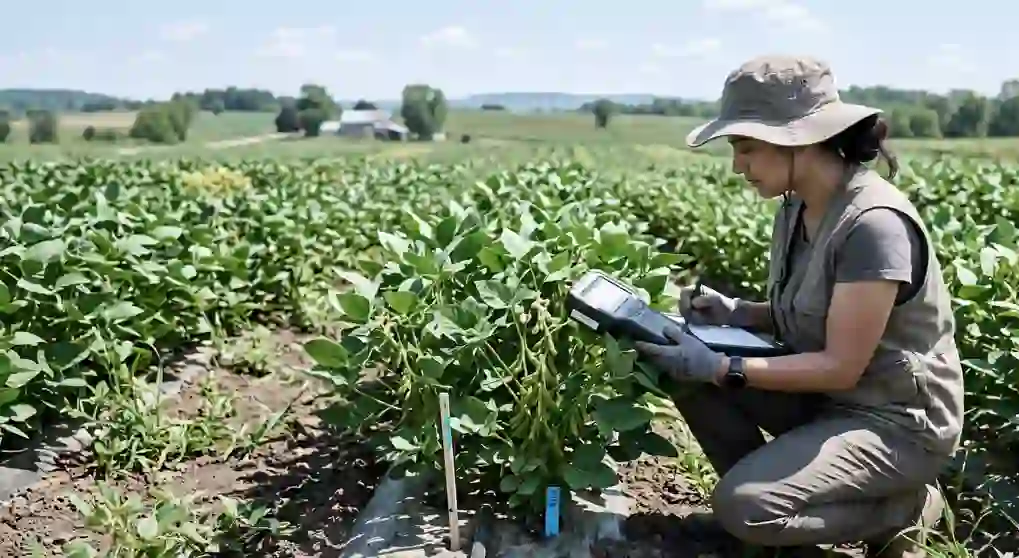
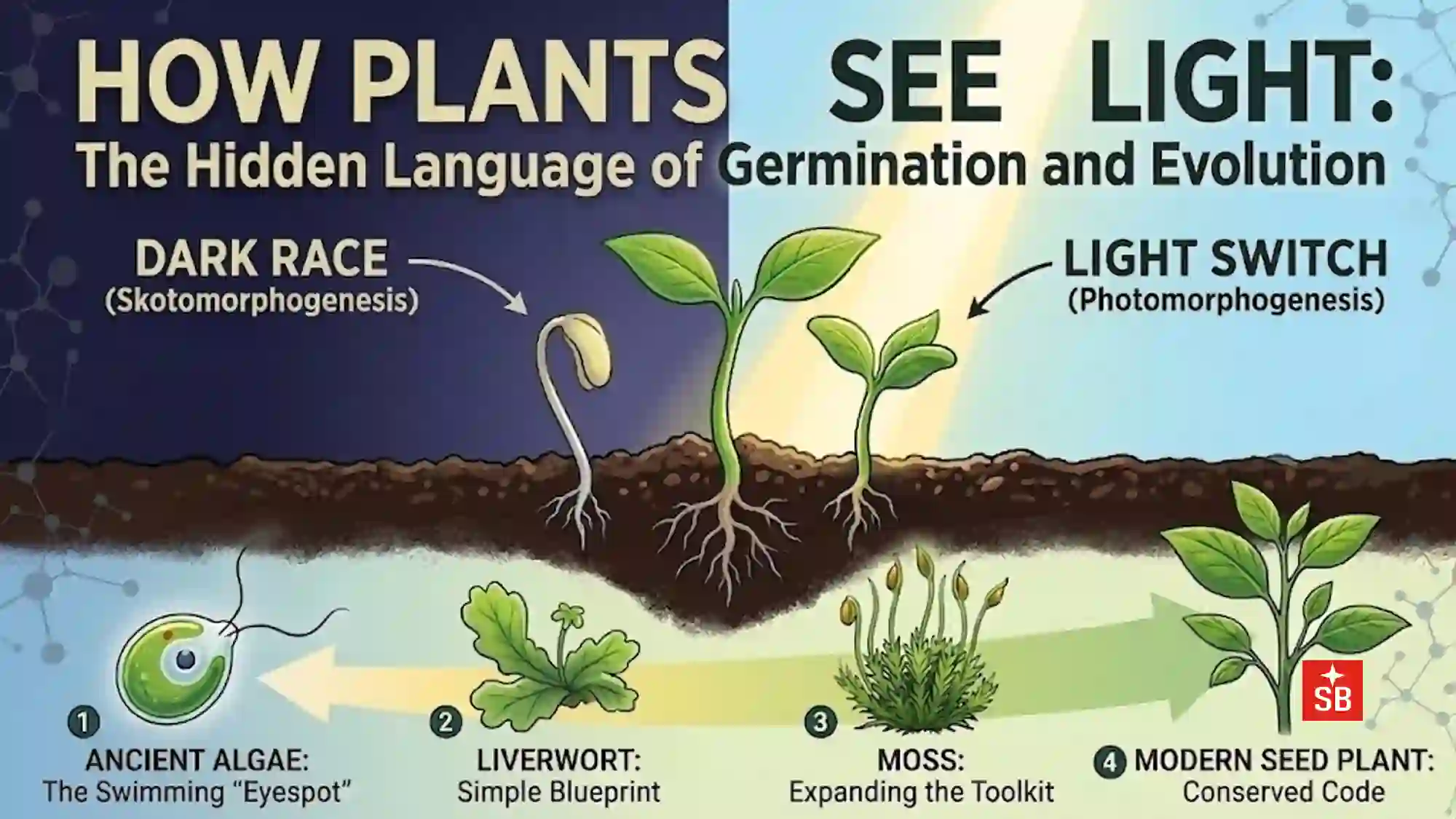
“Nature is constantly communicating with us, but its primary language is written in rays of light.” When pioneering botanist Luther Burbank uttered these words, he was speaking not of poetic abstraction, but of a fundamental biological reality. To human proteins, a beam of sunlight is merely warmth or illumination. To …

Read More

How space travel changes human DNA and reveals the genome’s remarkable adaptability

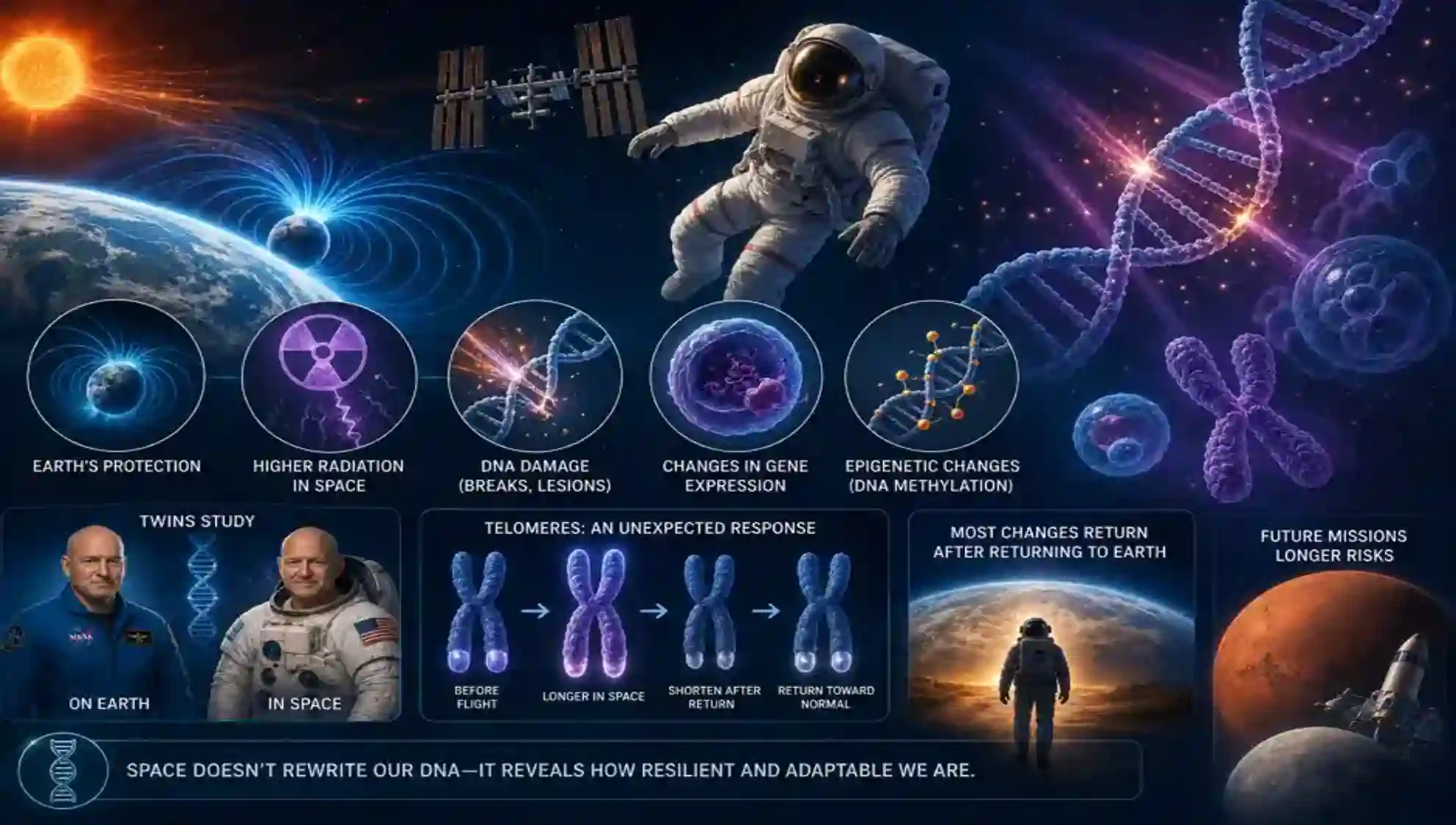
Space may look empty and peaceful from Earth, but for the human body, it is an extreme environment. Astronauts face microgravity, isolation, disrupted sleep, and perhaps most importantly, higher exposure to space radiation. Scientists have therefore been asking a fascinating question: What happens to our DNA when we leave Earth? …

Read More