Sanjana S Rao, M.Sc
Sanjana is a molecular biologist with a Master’s degree in Genetics from Jain (Deemed-to-be University), specializing in molecular cloning, recombinant DNA technology, genetic engineering, and bioinformatics. Her current research investigates the potential role of melatonin as a regulatory ligand influencing terpenoid indole alkaloid biosynthesis in Catharanthus roseus, to increase the production of anti-cancerous compounds such as vincristine and vinblastine, using an integrated molecular biology and computational approach. Alongside her research, she writes The Science Decode, a science communication initiative dedicated to presenting evidence-based scientific developments, addressing common misconceptions and myths, and making complex biological concepts accessible to a wider audience.
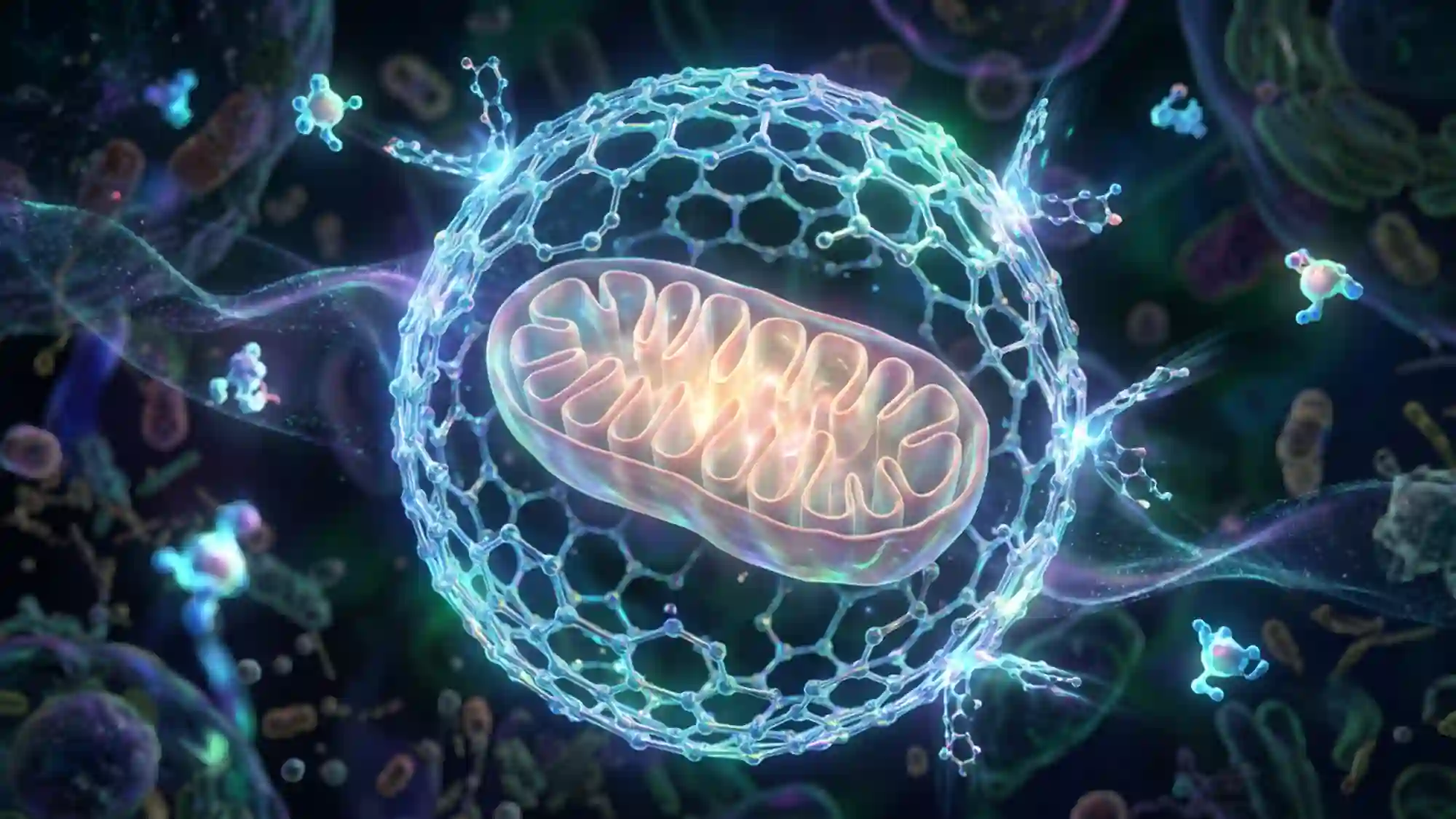
A tiny molecular shield could help deliver healthy mitochondria

This new ‘super ice’ can absorb 70 times more energy before breaking

Can space reveal how our brains and hearts age?



Could duct tape protect your home from flooding better than sandbags?

Could the immune system hold the clue to some premature births?


Scientists recreate honey’s antibacterial power without bees

Could noise-cancelling headphones help prevent nausea after surgery?


Scientists find a way to restore bleached corals in just seven weeks


Why your brain may learn more when you write by hand




Chimpanzee mothers carry their dead babies for months


Coconut shell waste may help roads survive the heat

Eggshells could give magnesium alloys a stronger, cheaper future