What if scientists could study some of the changes associated with aging without waiting decades for them to develop? Space may offer a surprising way to investigate that question. In October 2026, miniature human brain and cardiovascular tissue models travelled to the International Space Station aboard SpaceX’s CRS-35 mission. Their purpose is to help researchers understand how spaceflight affects living tissues—and whether those changes can reveal new clues about age-related diseases on Earth. The experiments are being led by researchers at the Icahn School of Medicine at Mount Sinai in New York. Rather than sending whole organs into orbit, the team is using laboratory-grown human tissue models that reproduce selected features of the brain, heart and blood vessels.
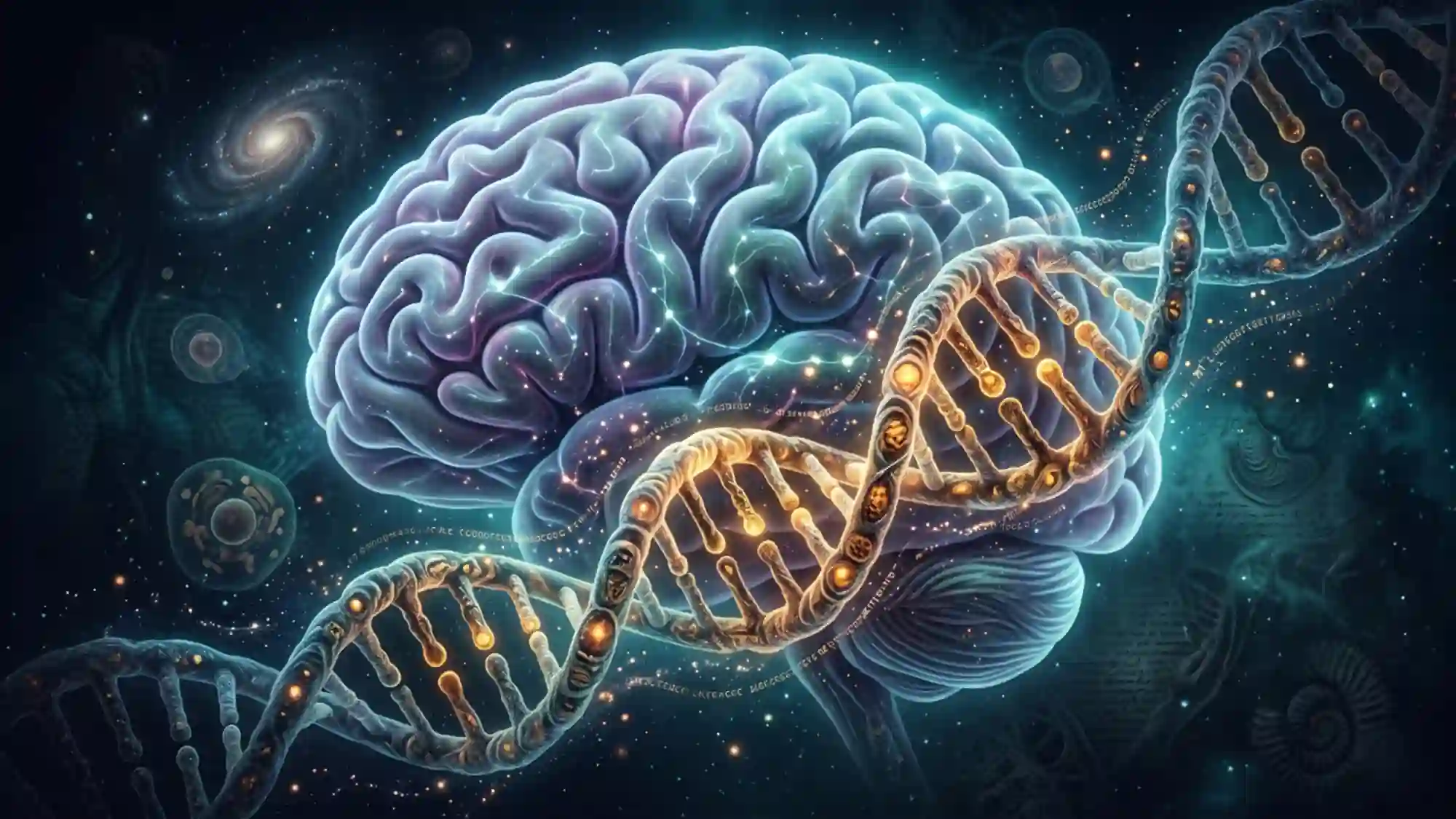
One investigation uses a model called miBrain, developed from human induced pluripotent stem cells. These cells can be generated from adult cells and reprogrammed into a flexible state, allowing scientists to produce different cell types for research. Unlike a model containing neurons alone, miBrain incorporates several important components of brain tissue, including neurons, supporting astrocytes, immune cells and blood-vessel structures. This allows researchers to examine interactions between different cell types rather than studying them in isolation. In orbit, the team will investigate how microgravity and spaceflight-related radiation affect brain-cell activity and communication. Researchers are also interested in whether genetic factors influence how brain tissue responds to these conditions. One focus is APOE4, a genetic variant associated with an increased risk of Alzheimer’s disease. By comparing space-exposed tissue with appropriate ground-based controls, scientists hope to identify changes that could indicate cellular stress or vulnerability to neurological damage.
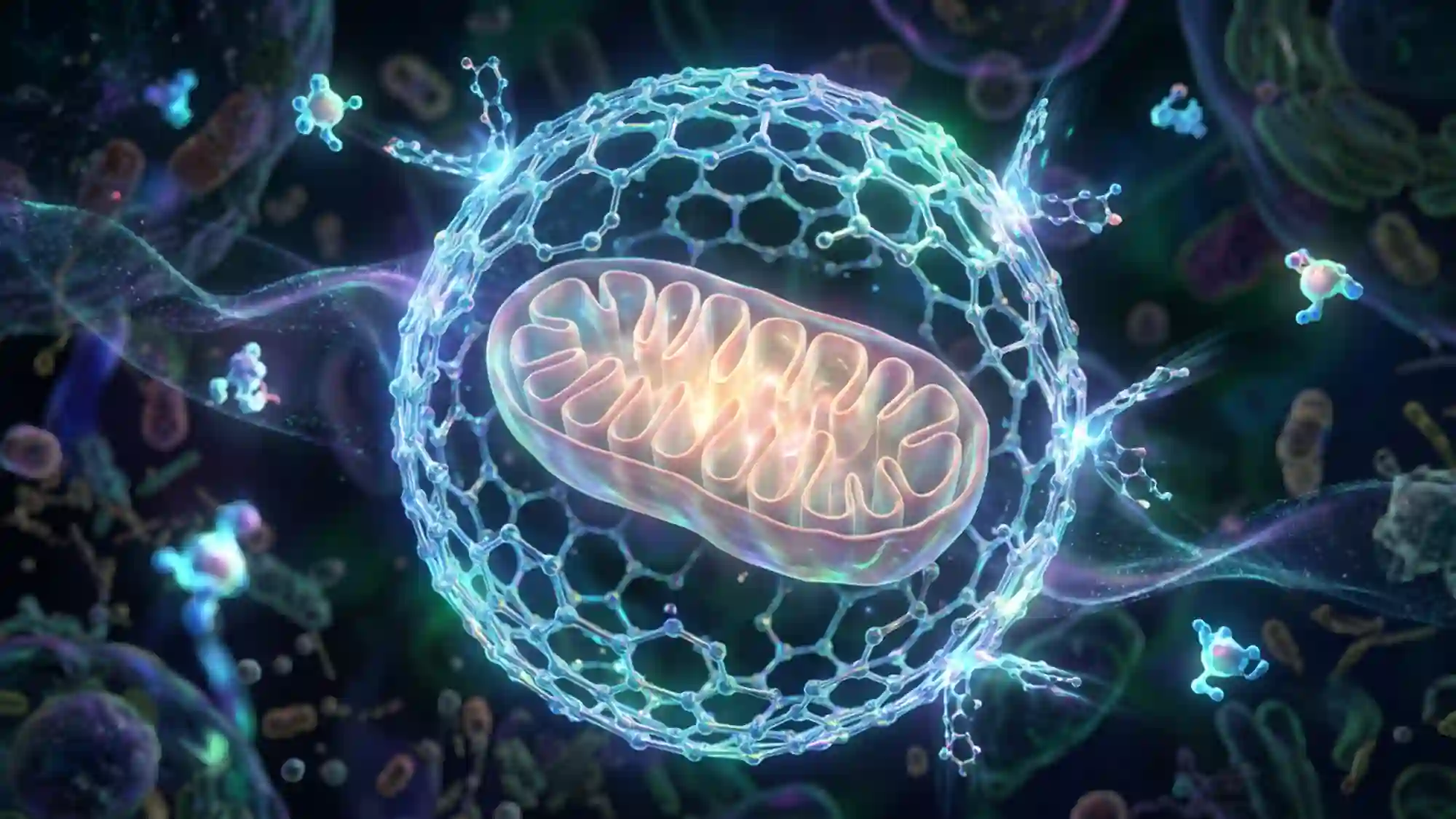
The second investigation focuses on cardiovascular health. Researchers have placed stem-cell-derived cardiovascular organoids, small, organised clusters of cells that mimic selected features of heart and blood-vessel tissue inside specialised microfluidic chips. These devices allow researchers to maintain and monitor living tissue in a controlled environment. During the mission, the system is designed to perform electrical pacing, pressure testing, microscopic imaging and fluid collection. The experiments will help reveal how the tissues respond to prolonged exposure to microgravity. This matters because spaceflight can alter cardiovascular function. Astronauts may experience changes in circulation and heart performance, while some biological effects of spaceflight resemble aspects of aging. Studying these responses at the cellular level could help researchers understand which processes are involved and how they might be prevented.

Does space really speed up aging?
The idea requires some caution. Microgravity and radiation can cause biological changes over relatively short periods, but these changes do not necessarily reproduce the full process of natural aging. Spaceflight exposes tissues to a distinctive combination of stresses, and researchers must determine which findings are relevant to age-related disease on Earth. The models also cannot reproduce everything that happens in a complete human body. They lack many of the interactions among organs, hormones, immune responses and other systems that influence aging. Nevertheless, these experiments could provide a useful bridge between conventional cell studies and research involving whole organisms. They may also help scientists investigate why some individuals are more susceptible than others to neurological or cardiovascular damage. The immediate goal is to understand how the brain and cardiovascular tissues respond to the space environment, not to test an anti-aging treatment. If researchers identify reliable markers of tissue damage or protective biological responses, future studies could explore whether those findings help predict risk or guide therapies for diseases on Earth. As missions to the Moon and Mars become longer, understanding how the human body responds to space will also become increasingly important for astronaut health. For now, these miniature tissues are offering scientists a new way to investigate a much larger question: how do our most vital organs respond to stress, and what can those responses teach us about keeping them healthy as we age?
Sources:
Mount Sinai Health System. (2026, October 13). Mount Sinai scientists to send human tissue models into space to study brain, heart health, and aging in microgravity [Press release]. https://www.mountsinai.org/about/newsroom/2026/mount-sinai-scientists-to-send-human-tissue-models-into-space-to-study-brain-heart-health-and-aging-in-microgravity