Replacing a damaged organ is already difficult. Replacing a gland that controls several other organs through hormones is an entirely different challenge. Now, scientists in Japan have taken an important step toward doing exactly that. They grew pituitary tissue from human stem cells, transplanted it into a macaque monkey whose own pituitary gland had been removed, and found that the transplanted cells began producing a hormone signal that ultimately increased cortisol levels. It is the first reported demonstration that lab-grown human pituitary cells can function and survive after transplantation into a primate.
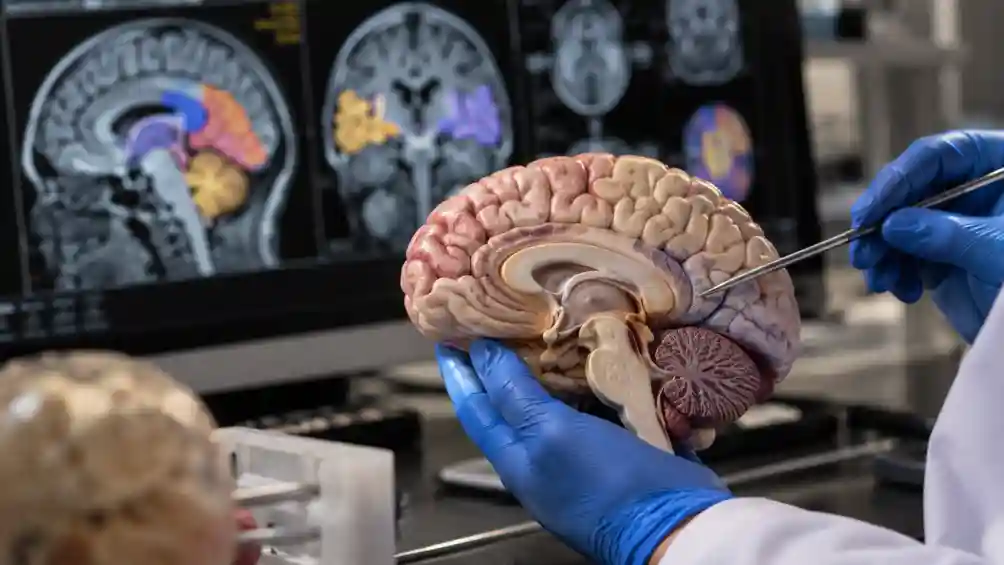
The pituitary gland is a small structure at the base of the brain, but its influence extends throughout the body. It releases hormones that regulate processes including growth, reproduction, metabolism and the body’s response to stress. One of its important hormones is adrenocorticotropic hormone, or ACTH. ACTH travels through the bloodstream to the adrenal glands, where it stimulates production of cortisol.
Cortisol helps the body respond to stress and also contributes to the regulation of blood pressure and blood sugar. When the pituitary gland cannot produce enough ACTH, the adrenal glands may fail to produce adequate cortisol. This can occur in people with hypopituitarism, including after damage or removal of the pituitary. Patients can receive hormone replacement, but medication does not perfectly reproduce the body’s continuously changing hormone signals. Cortisol requirements, for example, change with factors such as the time of day and physical stress. That makes a functioning replacement tissue particularly attractive: instead of continuously supplying the hormone from outside, the body could potentially receive the upstream signal from living cells.

The researchers started with human pluripotent stem cells and directed them to develop into pituitary cells capable of producing ACTH. They assembled these cells into small three-dimensional tissues called organoids, laboratory-grown structures that reproduce some characteristics of an organ. Before moving to a primate, the researchers tested the cells in mice whose pituitary glands had been removed. The transplanted tissue continued producing ACTH for more than six months.
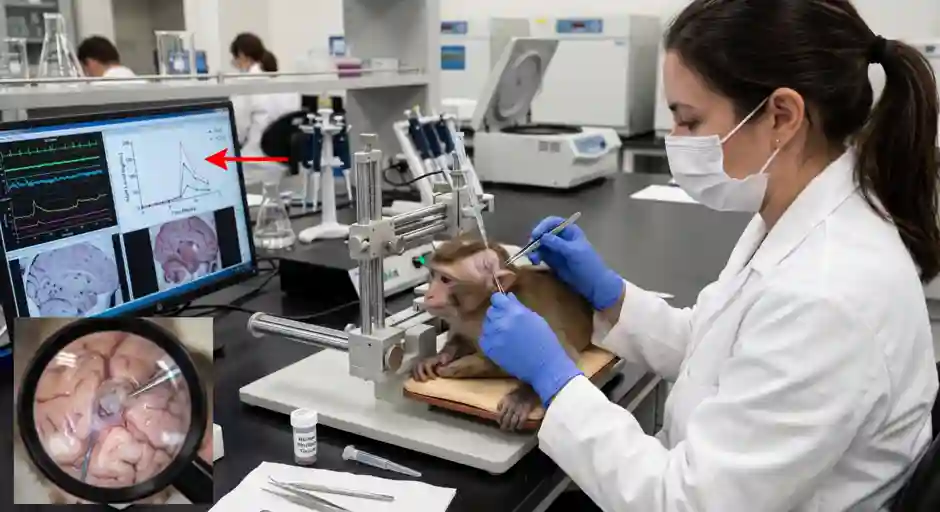
The treated mice also lived longer than mice that did not receive the transplant, and the researchers did not observe unwanted tumors or abnormal tissue growth in those experiments. The team then moved to a much more demanding test. A human-to-primate transplant They surgically removed the pituitary gland of a macaque monkey, creating a model of hypopituitarism. They then transplanted the human stem-cell-derived pituitary tissue beneath the skin. Because the graft came from another species, the researchers used immunosuppressive drugs to reduce the risk of rejection. The transplanted cells began producing ACTH. And that signal appeared to work.
The monkey’s blood ACTH levels increased, followed by an increase in cortisol. The animal had also experienced substantial weight loss following removal of its pituitary gland, and this weight loss slowed during the period when the transplant was functioning. In other words, the researchers were not simply detecting a hormone made by the transplanted human cells. They were seeing evidence that the transplanted ACTH-producing cells could communicate with the monkey’s adrenal system.
The transplanted tissue remained functionally active for about six weeks in the macaque. Three months after transplantation, researchers could still find surviving transplanted cells, but strong immune rejection had limited the graft’s effectiveness. And there was only one primate in the experiment.
They also looked for evidence that transplanted cells had migrated to other organs and found no signs of the graft in the lungs or liver. That is encouraging because uncontrolled growth or migration is one of the concerns surrounding stem-cell-based therapies. However, much more extensive safety testing will be needed before such an approach could be considered for humans.
The study demonstrates that human stem-cell-derived pituitary cells can produce ACTH and influence cortisol production in a primate model. They now need to determine how to make the graft survive longer, function more reliably and avoid immune rejection without relying on potentially risky long-term immunosuppression. The pituitary is particularly challenging because it does not simply release one hormone.
A fully functional gland coordinates several hormonal systems and responds to signals from the hypothalamus and other parts of the body. So the goal is not merely to grow pituitary like cells. It is to create replacement tissue that can survive, communicate with the body and release the right hormones at the right time. For now, a tiny cluster of human stem-cell derived tissue has achieved one part of that challenge inside a monkey: it produced ACTH, and the monkey’s adrenal glands responded by making more cortisol.