Dr. Jawahar G
Dr. Jawahar is a plant biotechnologist specializing in stress physiology, molecular biology, tissue culture, and metabolic engineering. His research focuses on understanding the molecular mechanisms underlying salinity and drought tolerance. He has also contributed significantly to enhancing the production of valuable secondary metabolites, including colchicine, through in vitro culture and biotechnological approaches. Dr. Jawahar has authored numerous research articles, reviews, and book chapters published in leading journals and international publishers, including PLOS ONE, Environmental and Experimental Botany, Physiologia Plantarum, and Industrial Crops and Products. His research interests include functional genomics, metabolomics, crop improvement, and sustainable agricultural biotechnology.
Your saliva may carry clues about brain aging
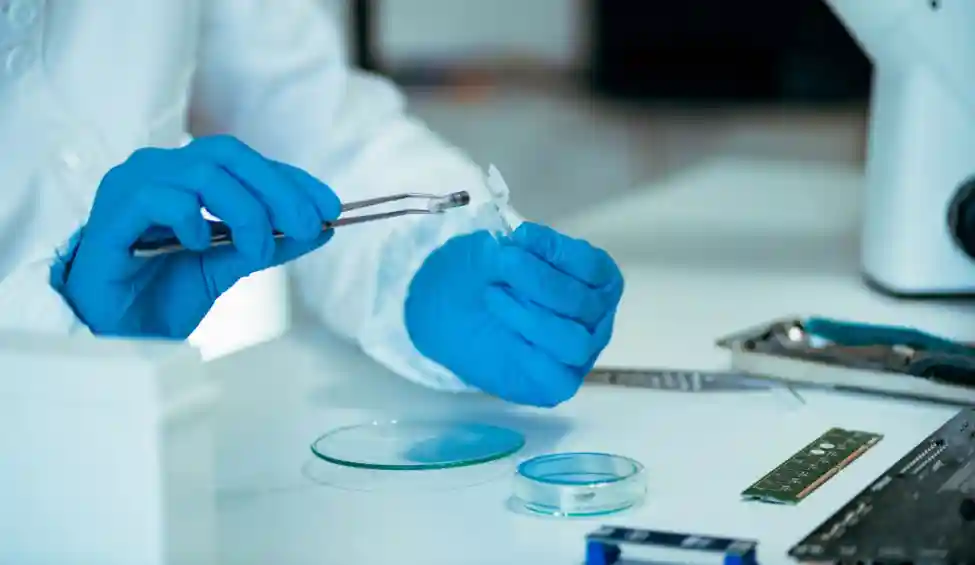
A Smart Medical Implant Brings New Hope for Ovarian Cancer Treatment
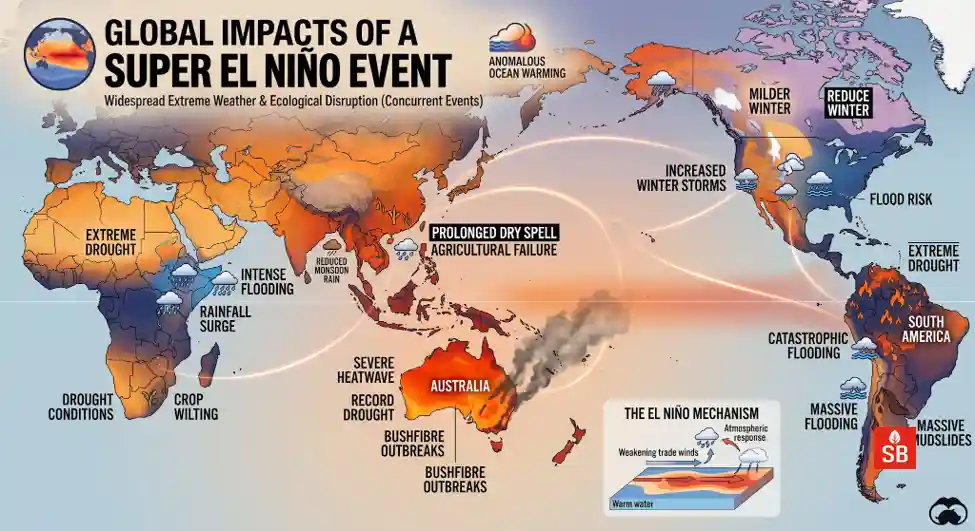
Super El Niño is already here, and this one may not follow the old script

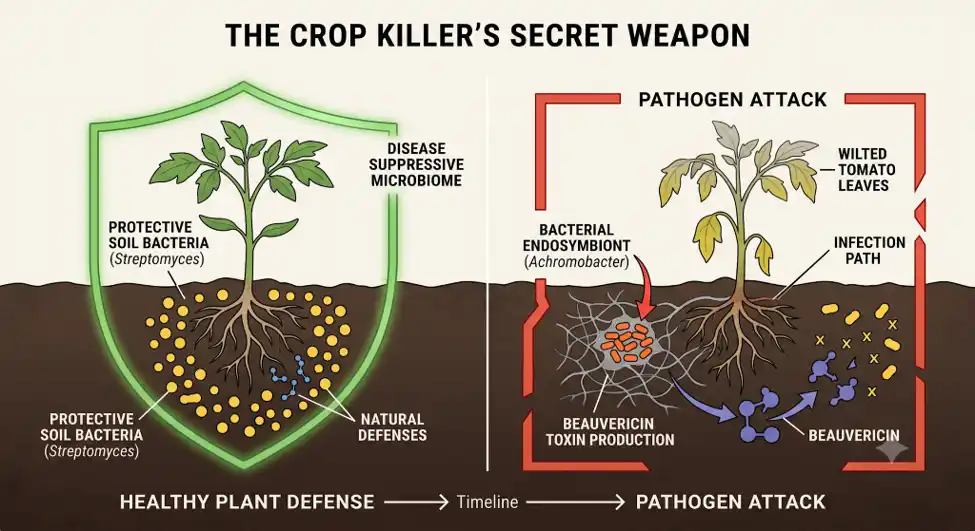
The crop killer with a secret weapon: Tiny bacteria living inside a fungus
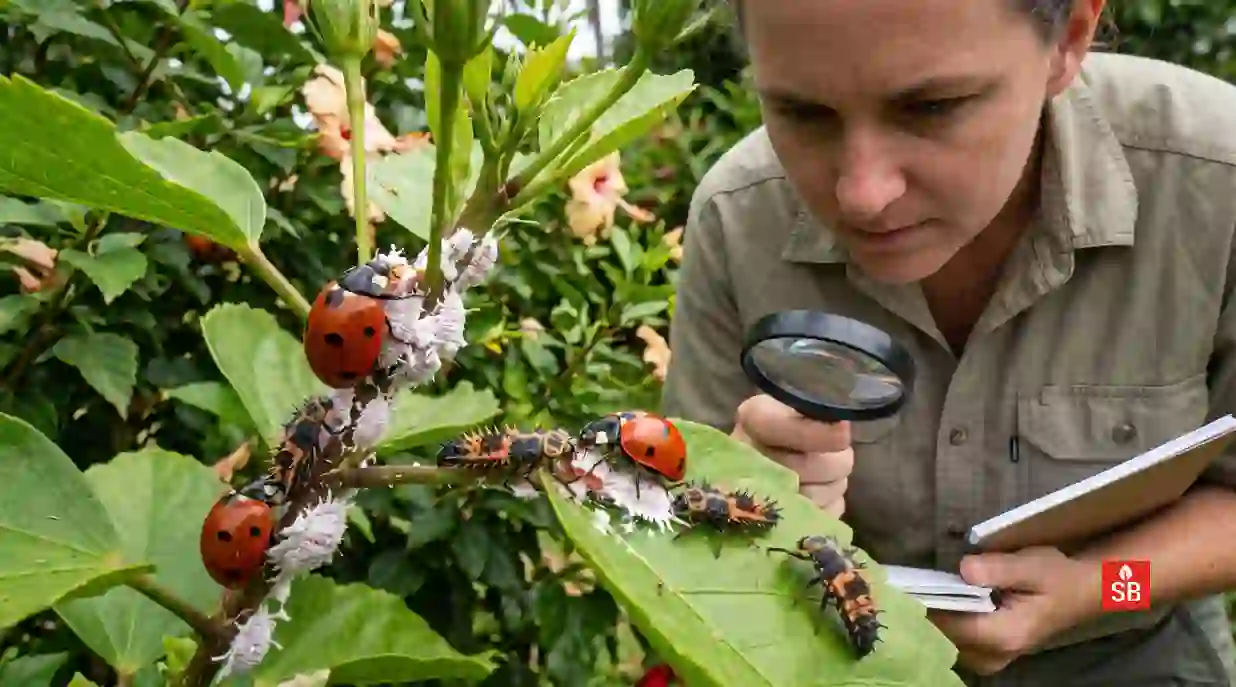
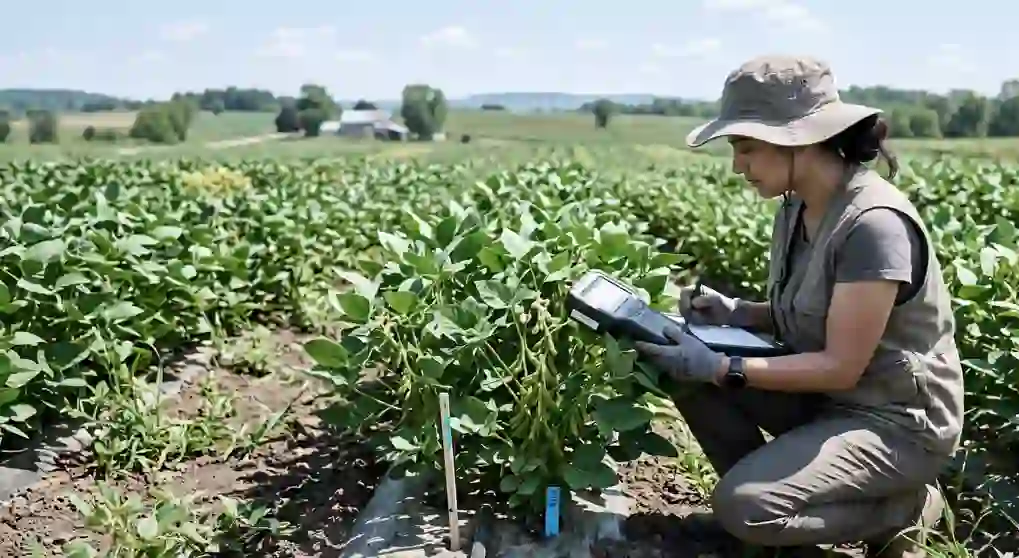

Plastic confetti: Scientists are finally tracking where microplastics go


Magic mushrooms might help more than the mind: But how
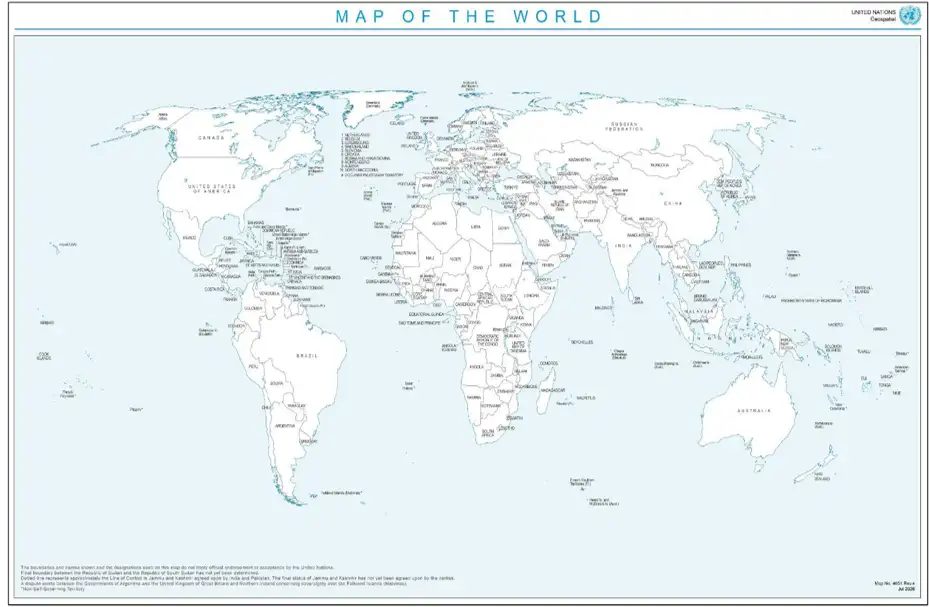
The world map gets a reality check: UN backs a more accurate earth
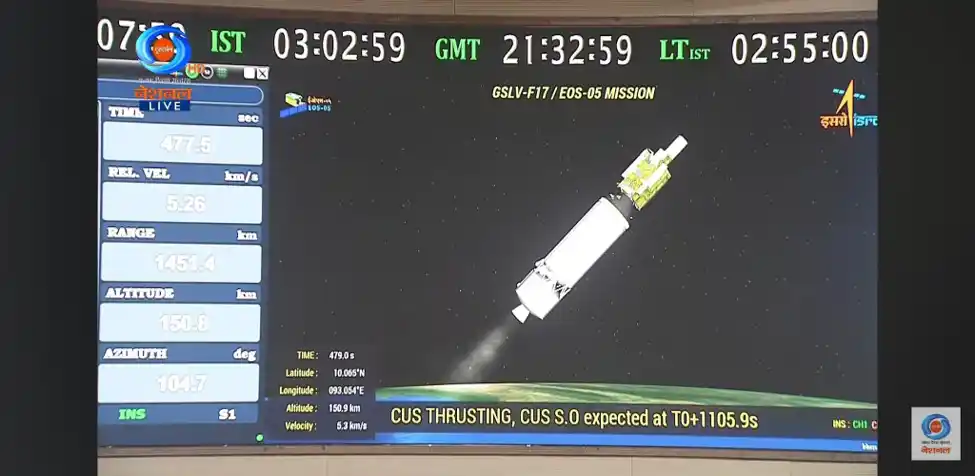
GSLV-F17–EOS-05: ISRO’s powerful comeback and a new eye in the sky


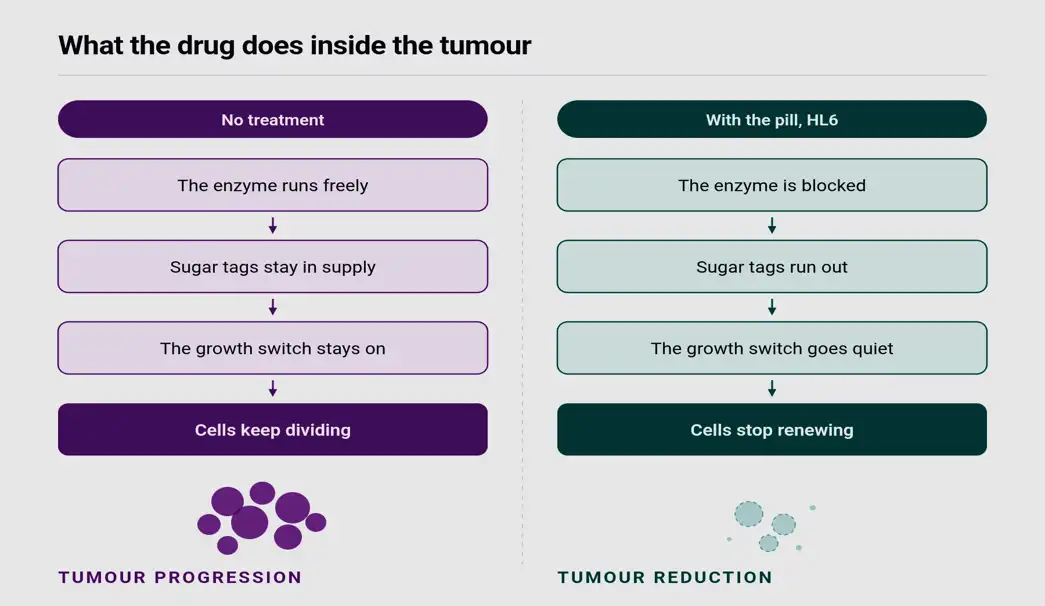
Starve the sugar, stop the tumour
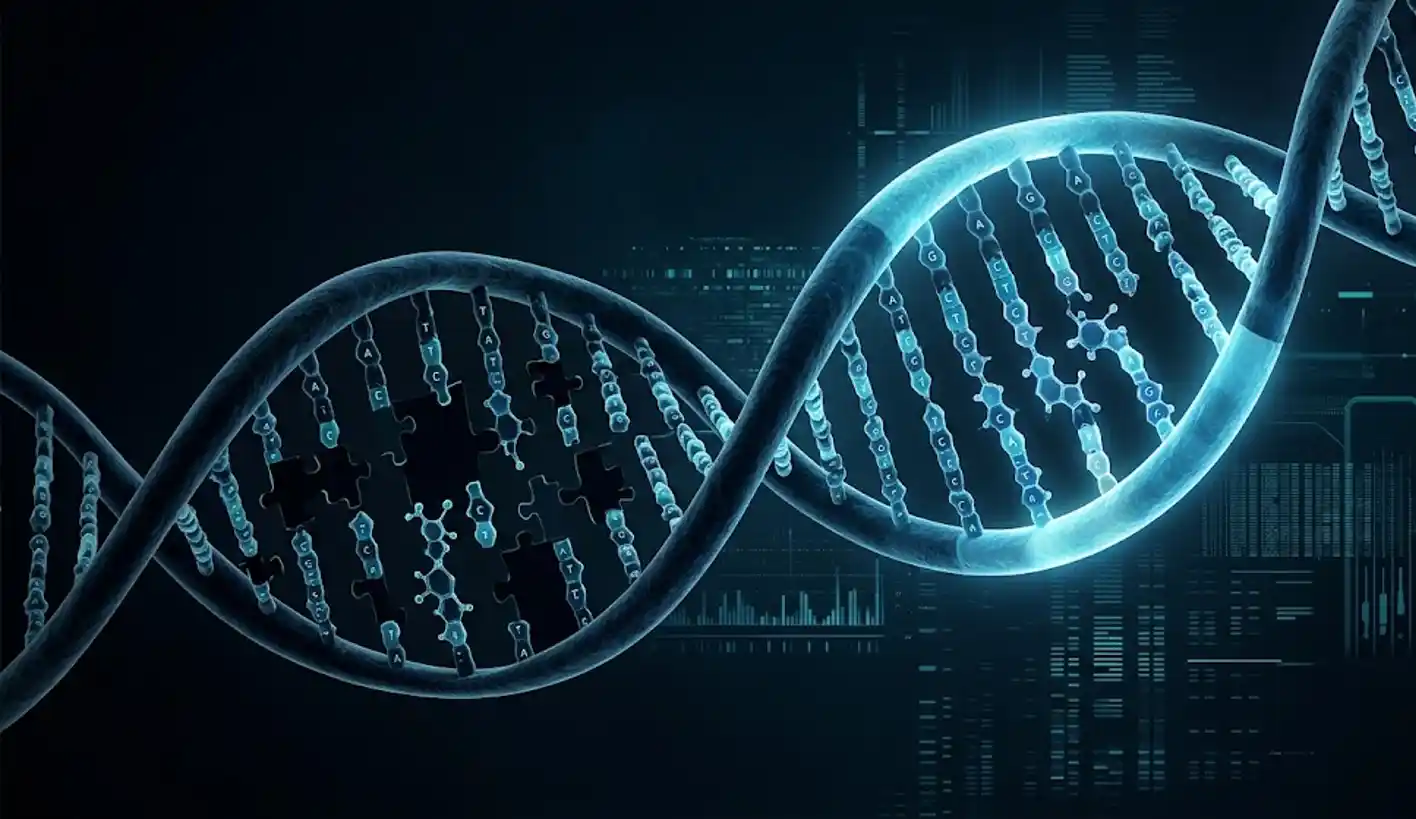
The human genome: Finished in 2003 but really finished in 2022?