A new study shows how dangerous strains of Klebsiella pneumoniae quietly disable the immune system’s cleanup crew and how an existing cancer drug might undo the damage.
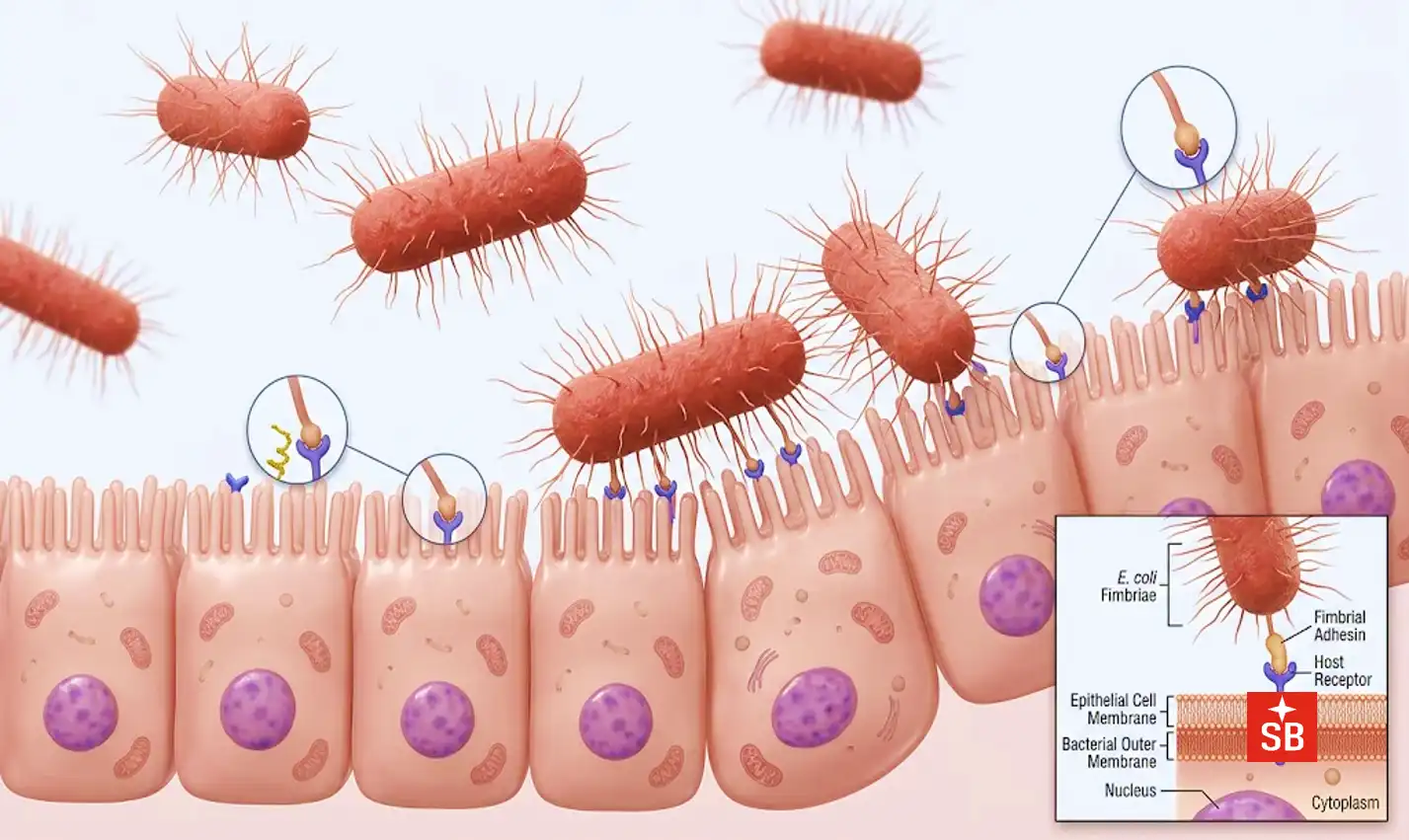
Klebsiella pneumoniae isn’t a household name, but doctors fear it. This bacterium causes pneumonia, blood infections, and organ abscesses, and in India, up to 80% of bloodstream infections caused by it now resist even our strongest antibiotics. Scientists in Kerala, India, publishing in the journal iScience, just discovered one big reason this bacterium is so hard to beat – and it isn’t just about resisting drugs. It’s about how the bacteria mess with our cells from the inside.
A Bacterium With Three Faces

There isn’t just one version of this superbug. Scientists study three main types: a “classical” strain (relatively manageable), a multidrug-resistant strain (shrugs off most antibiotics), and a hypervirulent strain (aggressive enough to seriously sicken even healthy people). Worse, some strains are now combining both toughness and aggression – a true nightmare combination.
What’s Actually Happening Inside Our Cells
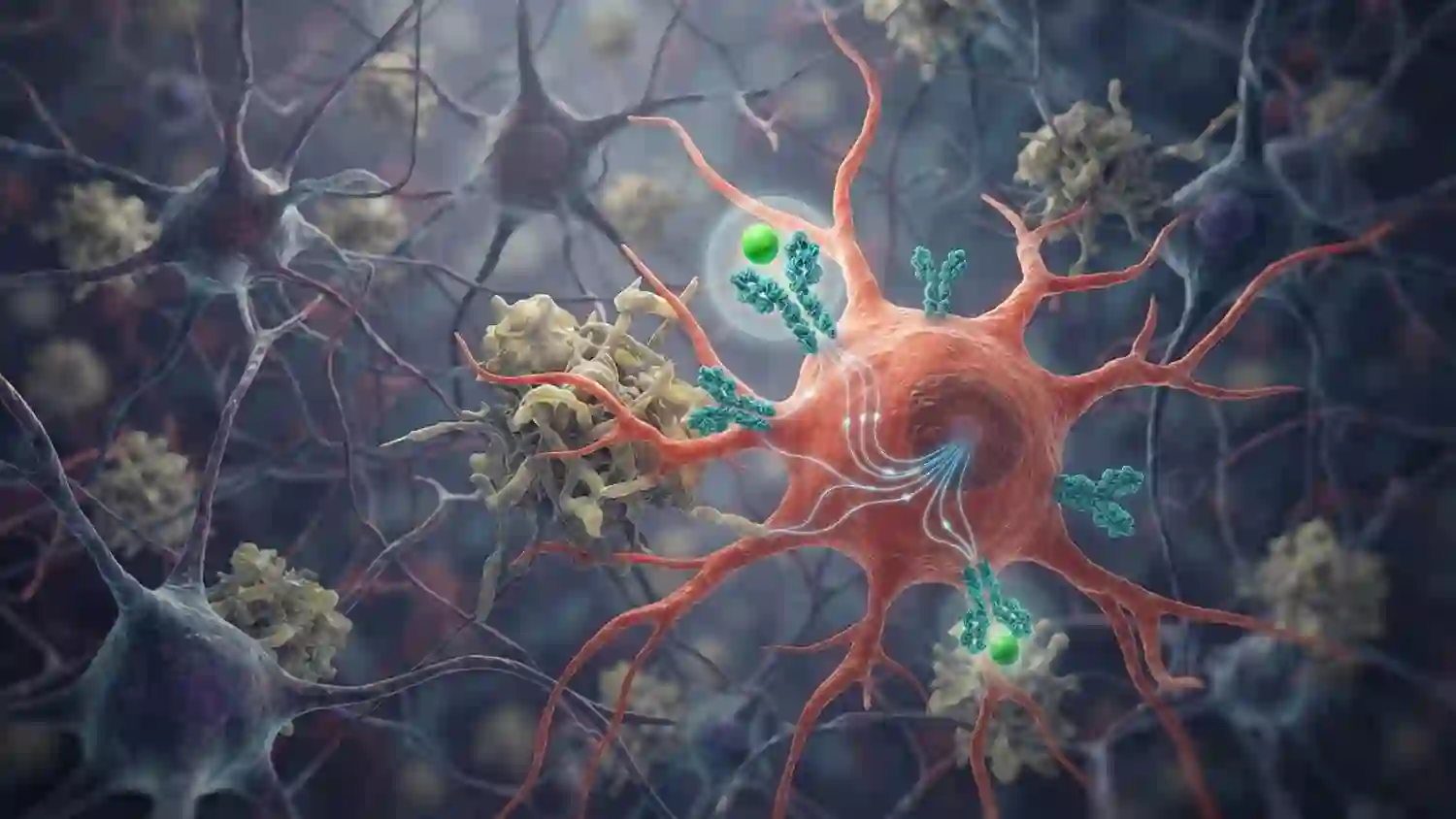
Every immune cell has a built-in cleanup system called autophagy, which normally hunts down and destroys bacteria that get inside it. This study found that when Klebsiella infects an immune cell, it triggers a sharp rise in a protein called HDAC2. This protein’s normal job is to switch certain genes off. Once HDAC2 levels spike, it shuts down the gene that runs the cleanup system. With that system disabled, the bacteria are free to survive and multiply inside the very cells meant to destroy them.
The three strains achieved this in slightly different ways. The drug-resistant strain still triggered inflammation and an immune alarm – but the bacteria survived anyway. The hypervirulent strain was sneakier: it pushed the immune cell into a calmer, less aggressive state instead of fighting back.
How the Scientists Figured This Out?
They did it in three steps. First, they infected human immune cells with each of the three bacterial strains and watched what happened over 24 hours. Second, they found the cause: HDAC2 was physically sitting on the cleanup-system gene, proof that the bacteria were targeting it directly. Third, they tested a fix using drugs already known to block HDAC2, originally made for cancer treatment. When given to infected cells, the cleanup system switched back on and the bacteria were destroyed far more effectively. The same result held up when they repeated it with real human blood cells, not just lab-grown ones.
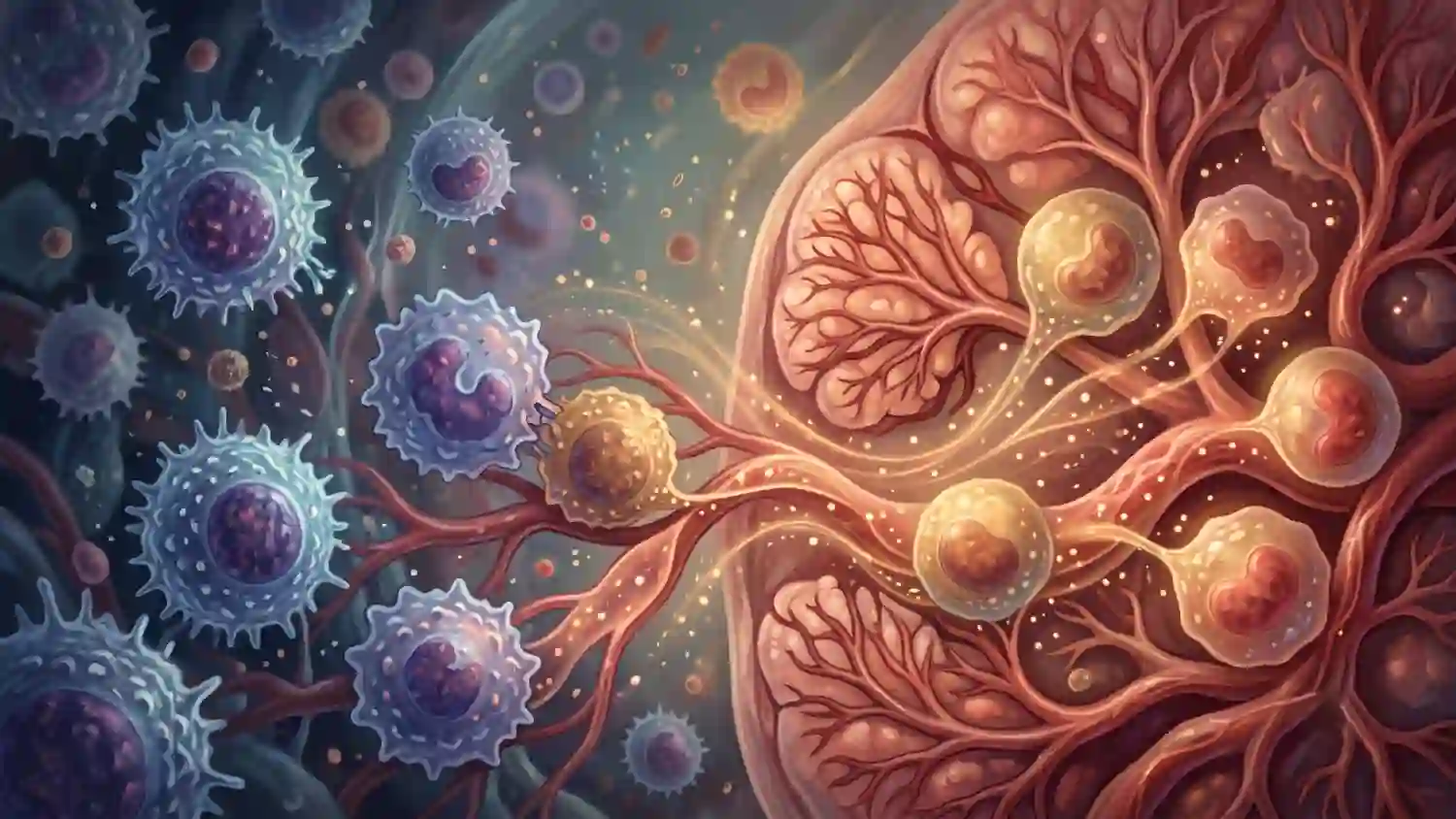
This strategy is called “host-directed therapy” instead of attacking the bacteria directly, it repairs the immune system’s own ability to fight back.
A Long History of a Growing Threat
Klebsiella’s resistance didn’t appear overnight. It has a talent for swapping resistance genes with other bacteria like trading cards. A gene called NDM-1, first spotted in 2008, made bacteria resistant to carbapenems — once considered a last-resort antibiotic class. Similar resistant strains spread through hospitals worldwide in the 2000s and 2010s. More recently, doctors have watched hypervirulent strains -once mostly linked to rare liver infections in East Asia, start picking up drug resistance too, creating the dangerous combined strains this new study examined.
What Needs to Happen Next
This was an early study, just one strain of each type was tested, mostly in lab-grown cells rather than in animals or full clinical trials. Future research needs to test many more real patient strains, confirm the results in living organisms, and eventually run proper clinical trials before any HDAC-blocking drug could actually be used to treat these infections.
For everyone else, the takeaway is simpler: this discovery only matters if we still have time to use it. Every unnecessary antibiotic prescription, every half-finished course of pills, gives bacteria like Klebsiella more chances to become untreatable. Take antibiotics only when a doctor prescribes them, finish the full course, and never save or share leftover pills. Science may be finding new ways to fight back -but protecting the drugs we already have is still everyone’s job.
| Reference: Kuniyil Abhinand, Shima Merin Sony, Avandika B. Anil, Sandhya Padmakumar, Abhijith Pulimoottil Jaykumar, Shwetha Susan Thomas, Arjun M. Menon, Parvathi Mohanan P.C., Krishna R.V., Geetha B. Kumar, Bipin G. Nair, Pradeesh Babu, & Aravind Madhavan. (2026). HDAC-driven autophagy repression aids macrophage immune evasion by K. pneumoniae strains displaying classical, MDR, and hypervirulent phenotypes. iScience, 29, Article 116662. https://doi.org/10.1016/j.isci.2026.116662 |