Creatine is best known as a popular sports supplement used to support muscle performance during exercise. But could it also help protect the brain? A new study in rats suggests that creatine may limit brain inflammation and nerve cell damage caused by chronic inflammation in the gut. The findings offer a new perspective on the relationship between gut health and brain function, although much more research is needed before the benefits can be established in humans. Published in Brain, Behavior, and Immunity in 2026, the study investigated how chronic colitis, a condition involving persistent inflammation of the colon—affects the hippocampus, a brain region important for learning, memory and emotional regulation.
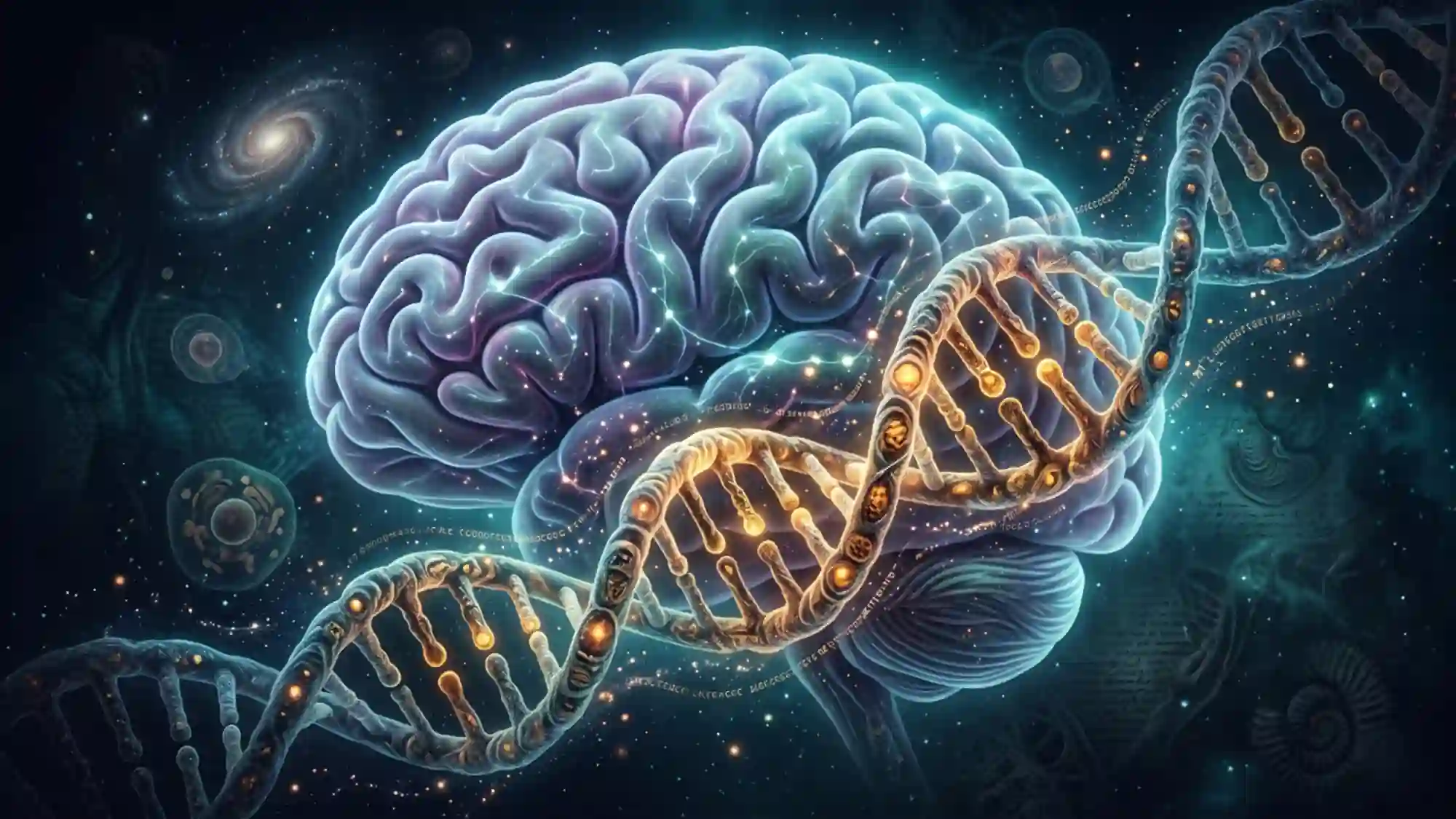
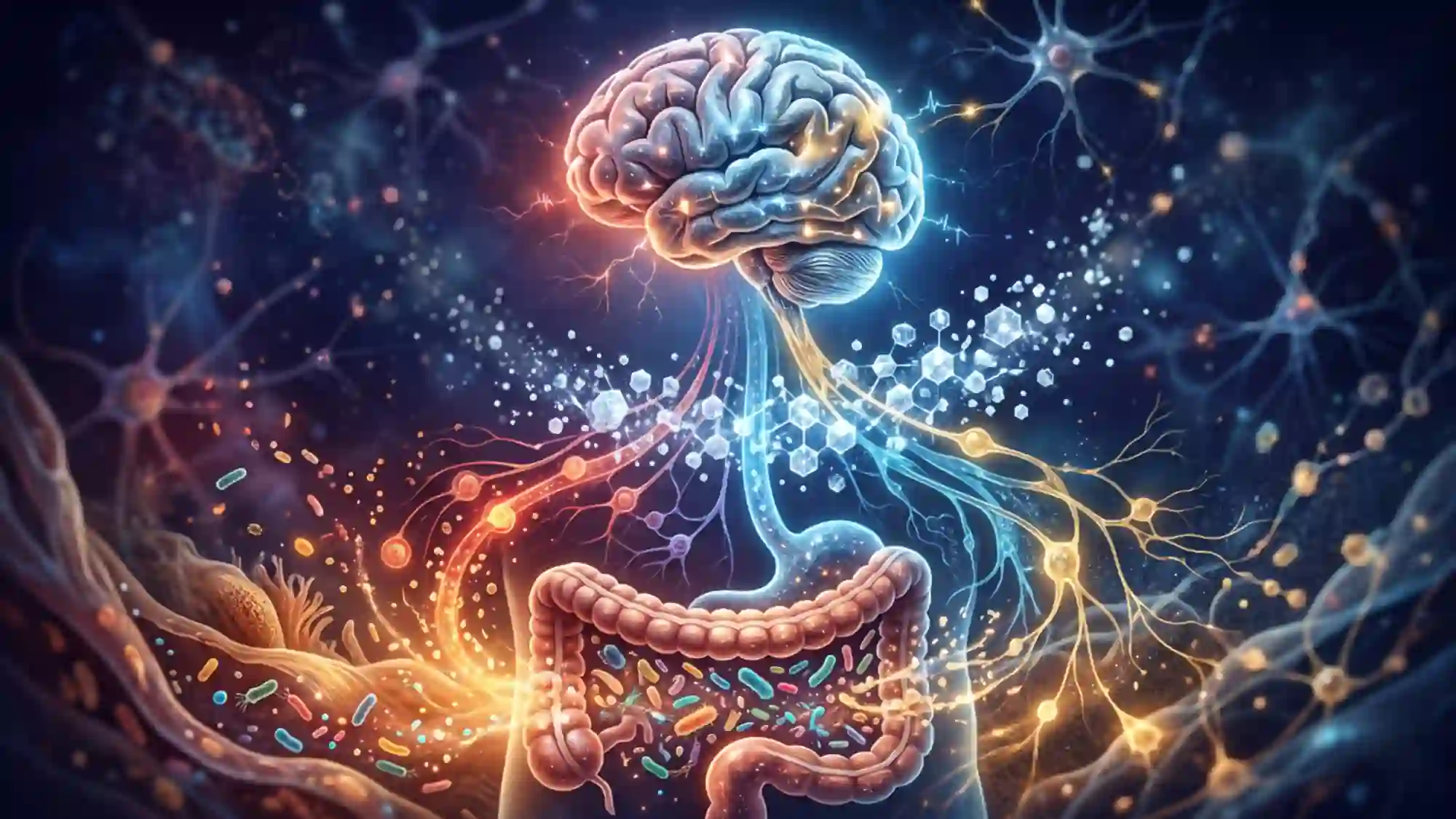
The gut and brain communicate through a network of neural, hormonal and immune signals known as the gut-brain axis. When intestinal inflammation persists, inflammatory molecules called cytokines can influence the brain and contribute to neuroinflammation, a process involving the activation of the brain’s immune cells. The hippocampus may be particularly vulnerable to these changes because its neurons require a continuous supply of energy to maintain their structure and transmit electrical signals. Previous research has linked chronic intestinal inflammation with changes in brain function, including processes involved in memory and mood. Creatine could potentially help by supporting the brain’s energy supply. The body naturally produces this compound, which helps cells rapidly regenerate adenosine triphosphate (ATP), the molecule that powers many cellular activities. Although creatine is widely used in sports nutrition, its ability to protect brain cells during inflammation remains an active area of research.
They team induced chronic colitis in male and female rats and compared animals that received creatine in their drinking water with those that did not. Supplementation began ten days before colitis was induced and continued throughout the experiment. The results revealed differences between the sexes. Male rats with colitis experienced more pronounced hippocampal inflammation, structural damage to neurons and disruptions in the electrical activity of surviving nerve cells. Female rats showed greater resilience, maintaining several aspects of neuronal structure and function despite intestinal inflammation.

Creatine supplementation increased hippocampal creatine concentrations by approximately 20–30%, restoring them to levels comparable with those in control animals. It also reduced inflammatory signals and the activation of brain immune cells in both sexes. In male rats, creatine additionally prevented several changes associated with neuronal injury, including structural damage and abnormal electrical properties of nerve cell membranes. These findings suggest that maintaining cellular energy reserves may help the brain withstand inflammation-related stress.
Does this mean creatine can protect the human brain? Not yet. The experiments were conducted in rats, and the researchers did not establish that creatine prevents cognitive difficulties or improves memory and mood in people with inflammatory bowel disease. Because supplementation began before colitis was induced, the study also tested a preventive approach rather than whether creatine can reverse existing brain damage. The differences observed between male and female rats are another important research question. Whether similar differences occur in humans remains unknown. For now, creatine should not be considered an established treatment for gut-related brain complications. Human clinical trials will be needed to determine its effectiveness, appropriate dosing and safety in this context. The study nevertheless highlights an important idea: protecting the brain may involve more than treating the brain itself. Understanding how intestinal inflammation affects the brain’s immune activity and energy supply could open new avenues for research into conditions that affect both systems.