Pregnancy requires an extraordinary balancing act from the immune system. A mother’s body must protect itself against infections while tolerating a developing fetus that carries genetic material from both parents. But what happens when the immune response interferes with this delicate balance? Researchers have identified a group of maternal antibodies associated with preterm birth, including one that disrupted pregnancy-related processes in animal experiments. The study, published in Nature Immunology on October 14, 2026, analysed blood samples from more than 2,000 pregnancies using a specialised immune-profiling technique. The findings could help scientists understand why some pregnancies end too early and guide the development of better ways to identify pregnancies at risk.
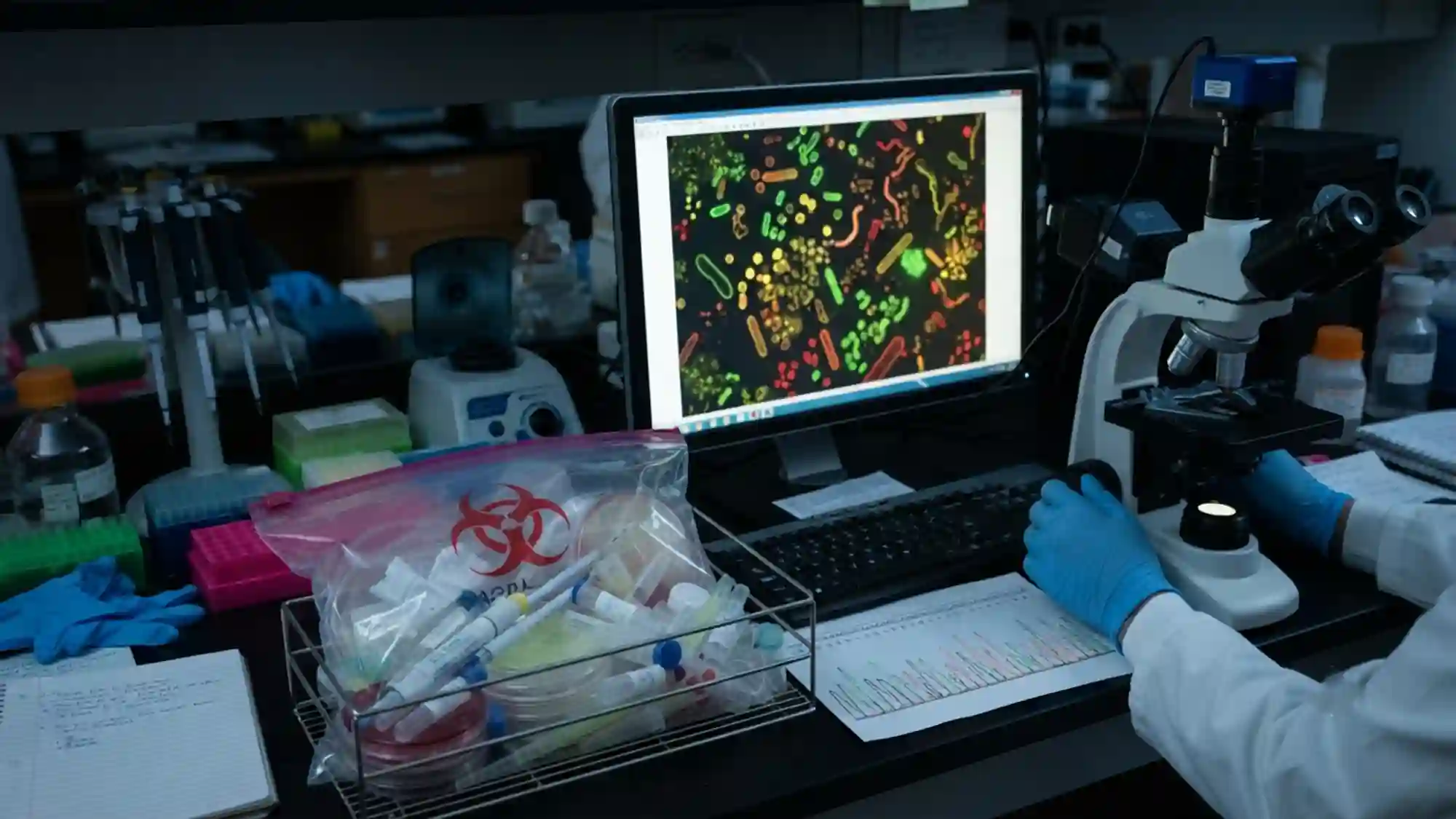
Preterm birth occurs when a baby is born before 37 completed weeks of pregnancy. It has many possible causes, including infection, inflammation and placental complications, making it difficult to predict or prevent in every case. Researchers at the University of California, San Francisco, used a technology called PhIP-Seq to investigate antibodies circulating in maternal blood. The method allows scientists to screen antibody responses against thousands of protein fragments, revealing which biological targets the immune system recognises. The team first examined how antibody patterns changed after pregnancy began. They then analysed samples from eight pregnancy cohorts, covering more than 2,000 pregnancies, to identify immune signals associated with preterm delivery. Women who went on to deliver prematurely showed a broader pattern of antibody reactivity, with differences detectable before birth. These findings suggest that changes in maternal immunity may provide clues about pregnancy complications before they become clinically apparent.
One finding stood out: antibodies targeting a protein called interleukin-1 receptor antagonist, or IL-1RA. Normally, IL-1RA helps control inflammation by blocking the activity of interleukin-1 beta (IL-1β), a signalling molecule that promotes inflammatory responses and can contribute to uterine contractions. In simple terms, IL-1RA acts like a brake that prevents inflammation from becoming excessive. If antibodies interfere with IL-1RA, that protective control may weaken. To investigate this possibility, the researchers introduced the antibodies into pregnant mice. The treatment increased inflammatory signalling and was associated with placental damage, impaired blood flow and pregnancy loss.

The team also found IL-1RA concentrated at junctions between cells lining placental blood vessels. This location suggests that the protein may help maintain the integrity of the placenta, where oxygen and nutrients pass from mother to fetus These experiments provide evidence that anti-IL-1RA antibodies can disrupt pregnancy-related processes in mice. However, they do not prove that these antibodies cause every associated preterm birth in humans.
Could this lead to a screening test or treatment? They developed an immune signature that distinguished preterm from term pregnancies in a separate validation dataset, showing potential for future risk assessment. But the tool is not yet a routine clinical test, and further studies will be needed to establish how reliably it predicts an individual pregnancy’s outcome. The findings also raise the possibility of investigating anakinra, a medicine that mimics IL-1RA and is already used to treat certain inflammatory diseases. In principle, it might restore some control over inflammation, but its effectiveness and safety for preventing preterm birth must be tested specifically in pregnancy. Importantly, the antibodies were associated with only a subset of preterm births. Many other biological and clinical factors contribute to early delivery. The study offers a new way to investigate the immune system’s role in pregnancy complications. By identifying specific antibodies and testing how they affect the placenta, researchers may eventually move closer to predicting and perhaps preventing, some cases of preterm birth.
Sources:
Rackaityte, E., Borges, B., Kortbawi, H.M. et al. Evidence for maternal autoantibodies in the pathogenesis of preterm birth. Nat Immunol 27, 2280–2292 (2026). https://doi.org/10.1038/s41590-026-02689-y