When scientists sequence a tumour’s DNA, they usually focus on the genetic material that belongs to the patient. But some fragments come from somewhere else entirely. Often filtered out as unwanted data, these fragments have now helped researchers uncover 18 previously unknown bacterial species in samples from prostate cancer patients. The discovery could help scientists investigate a puzzling question: might certain bacteria influence how prostate cancer develops or progresses?
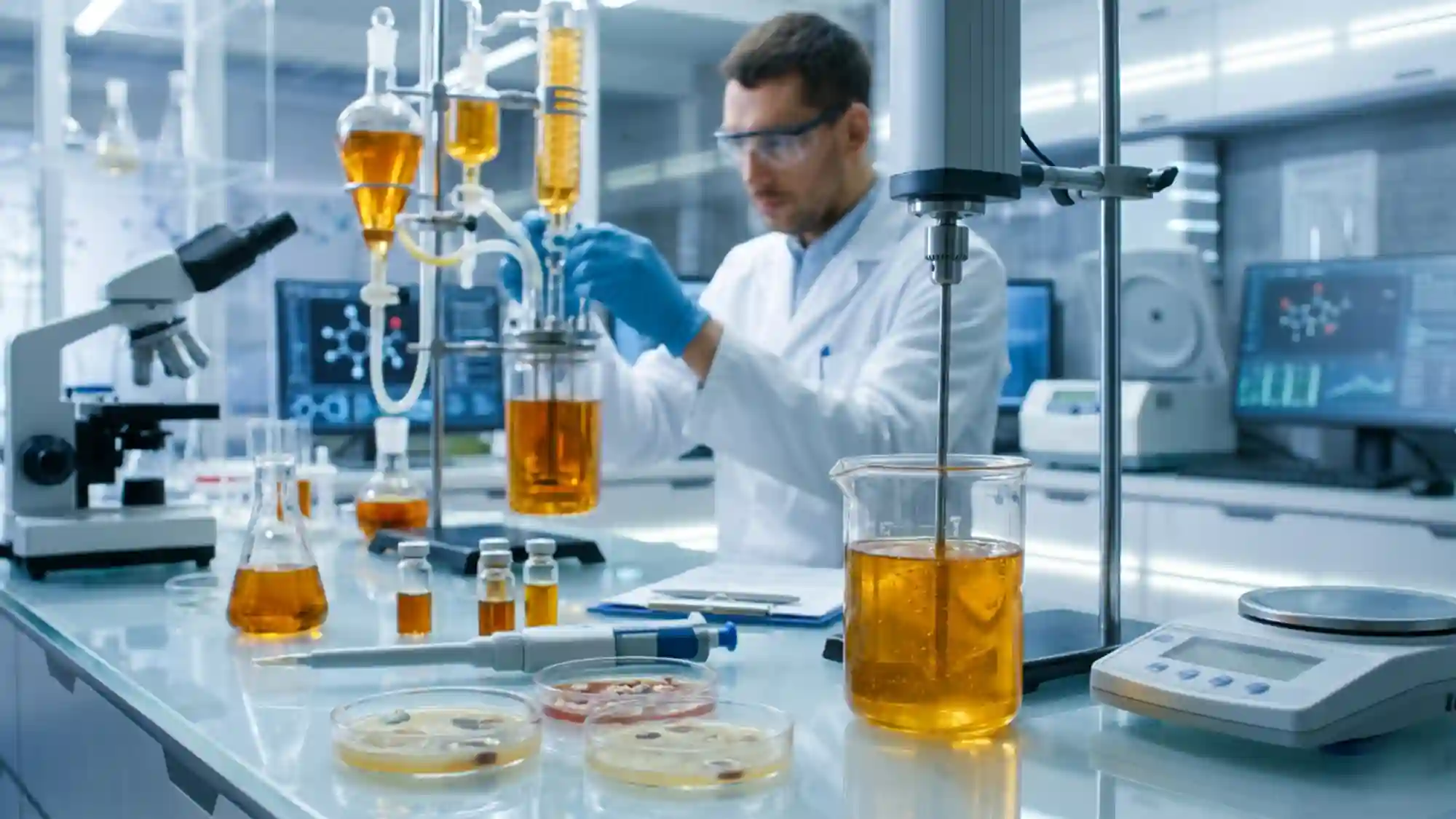
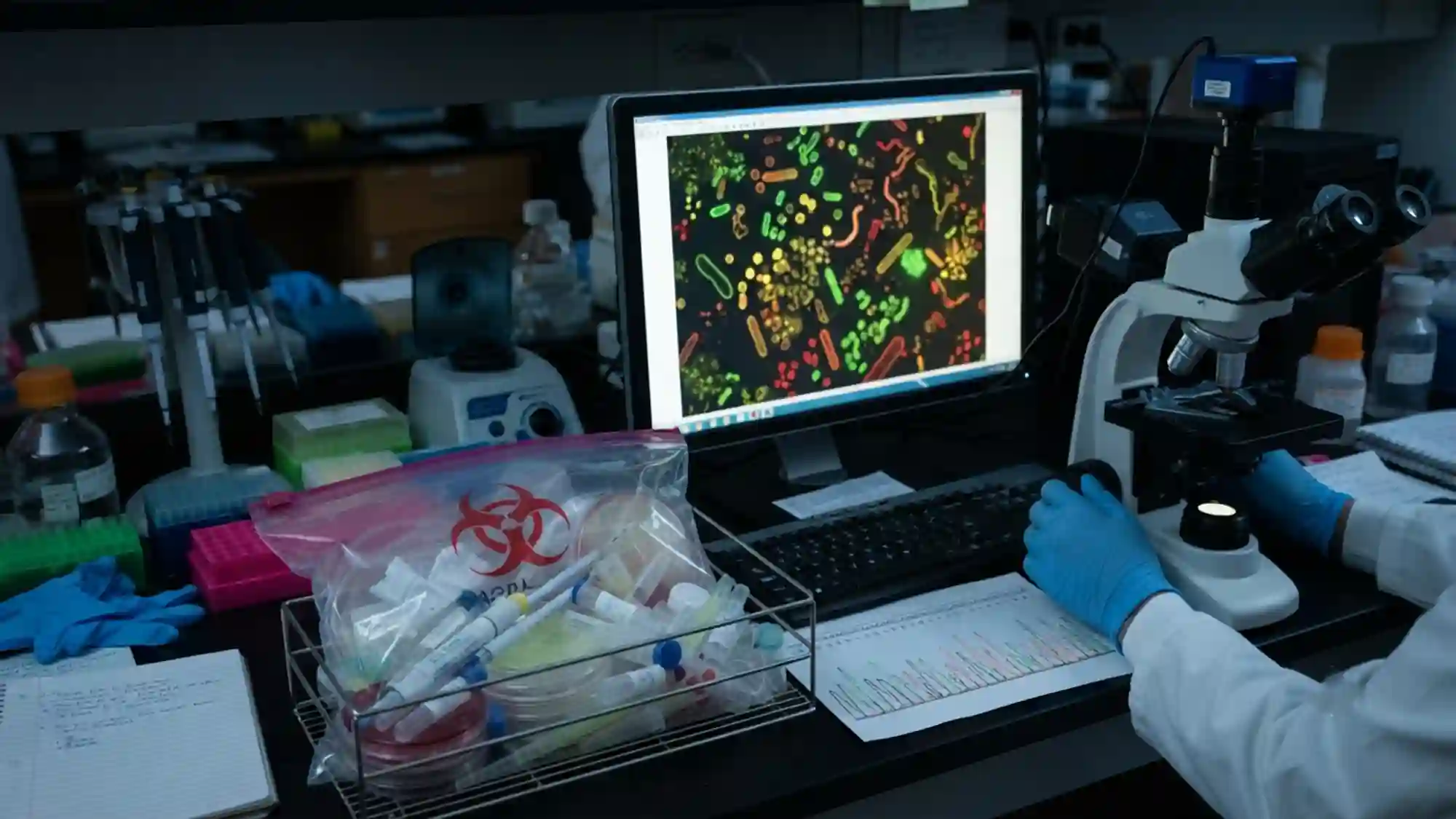
An international research team analysed more than 2,000 DNA-sequencing datasets collected through the Pan Prostate Cancer Group, a global research collaboration. They focused on genetic fragments that did not match human DNA. Using a technique called metagenomic assembly, the researchers pieced these fragments together to reconstruct bacterial genomes – essentially, genetic instruction manuals for the microbes. They recovered 249 near-complete bacterial genomes from samples associated with 194 patients. Eighteen bacterial species had no existing species-level classification.
Most of the newly identified species came from the mouth. Some belonged to Porphyromonas, a bacterial group that includes species associated with gum disease and that has previously attracted attention in prostate cancer research. Others belonged to groups such as Treponema.
What could mouth bacteria have to do with cancer?
The mouth and prostate might seem like unlikely partners, but bacteria can affect parts of the body far from where they normally live. Researchers have already found associations between certain bacteria and more aggressive prostate cancer. However, an association does not prove that the microbes cause the disease: other factors could explain the connection. Studying individual species has also been difficult. Some have never been grown successfully in laboratories, and scientists lacked the detailed genetic information needed to identify them reliably.
The new study begins to address that problem. The researchers predicted conditions that might help some of the bacteria grow and developed a DNA test to detect one newly identified species. These tools could allow scientists to study individual microbes rather than treating many different bacteria as one broad group.
The findings do not show that these bacteria cause prostate cancer, nor do they offer a new treatment yet. Researchers still need to isolate the organisms, confirm their characteristics and test whether they influence cancer in meaningful ways. What makes the discovery especially useful is how it was made: scientists extracted valuable information from sequencing data that already existed, without needing to collect additional samples or pay for new sequencing. If future studies establish that particular bacteria help drive aggressive disease, they could eventually become targets for tests or treatments. For now, the discovery gives researchers a more detailed starting point for investigating why prostate cancers can behave so differently.
Sources: