Your blood type is usually considered a fixed biological identity. If you are born with type A blood, you remain type A throughout your life. But scientists are exploring an intriguing possibility: could the surface of a red blood cell be chemically or genetically modified so that it behaves like a different blood type?
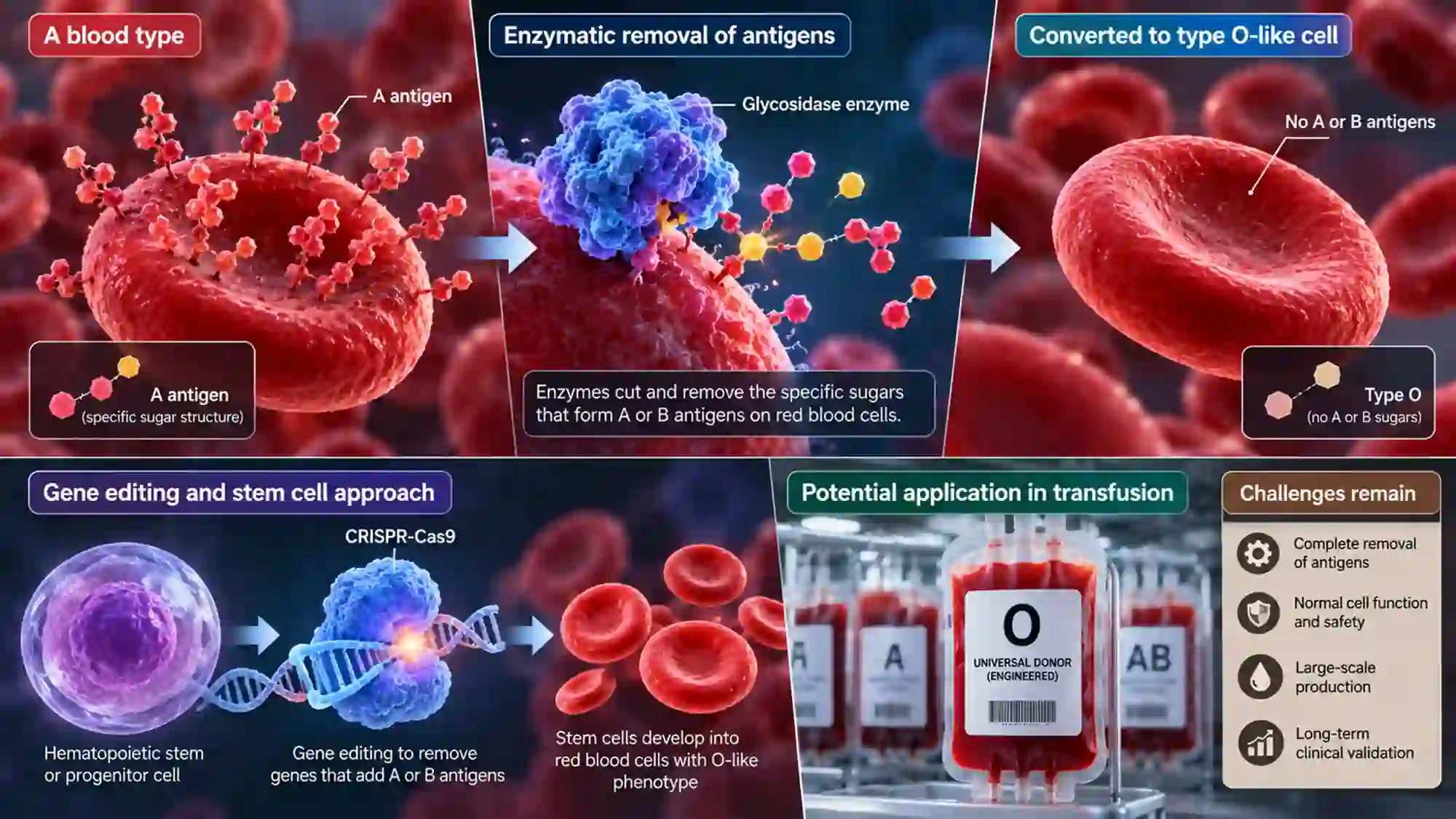
The idea is particularly important for blood transfusion. The four major ABO blood groups A, B, AB and O are determined by specific carbohydrate structures, or antigens, displayed on the surface of red blood cells. Type O cells lack the additional A or B sugars found on other ABO types, which is why O red blood cells can be used more broadly for transfusion.
Rather than changing a person’s entire body, researchers are attempting to remove the molecular markers that distinguish A or B red blood cells.

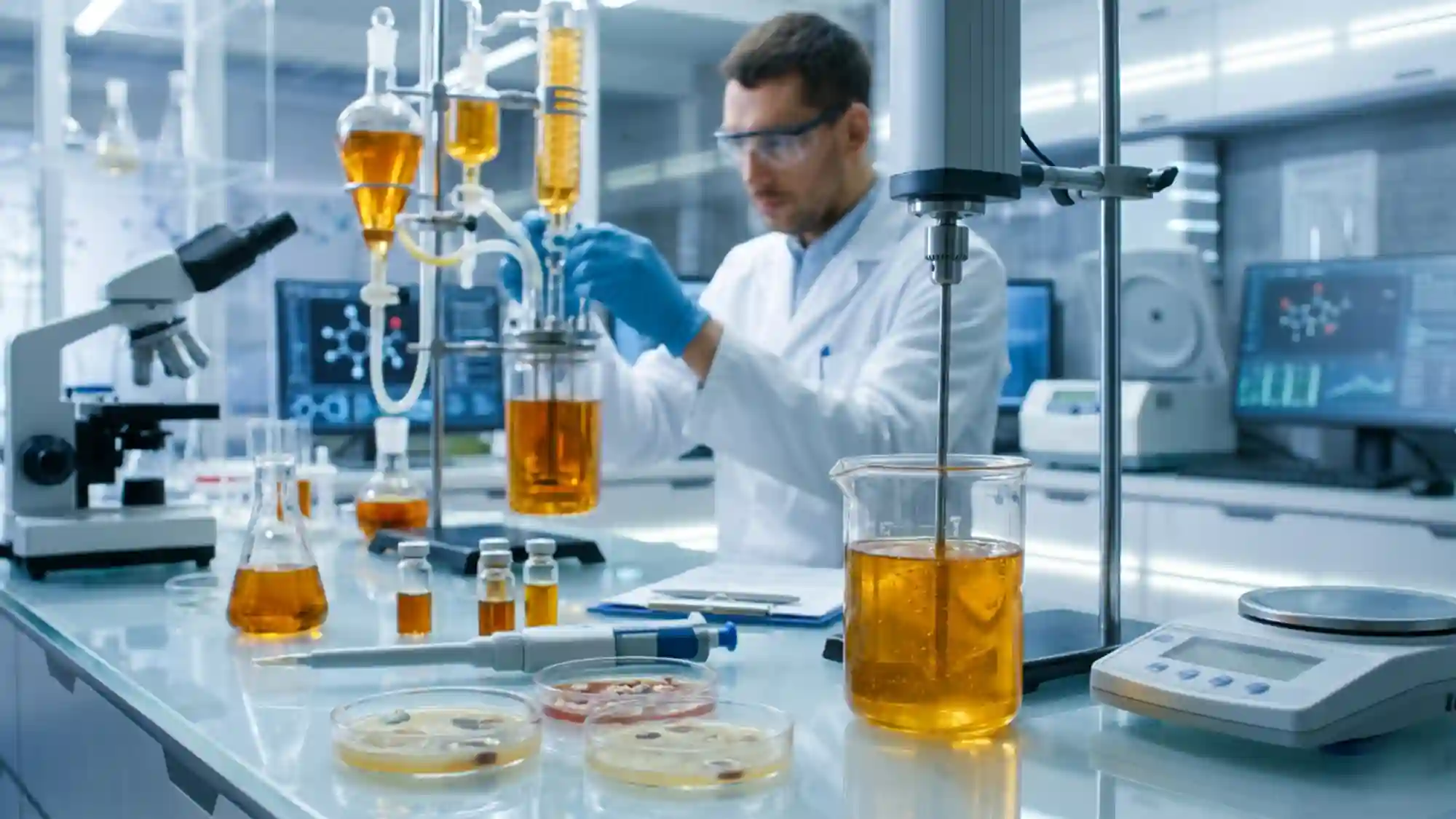
One approach uses enzymes called glycosidases. These enzymes can selectively cut particular sugars from the surface of red blood cells. In a landmark experiment published in 1982, researchers used an α-galactosidase enzyme to remove the terminal galactose from B-type red blood cells, converting them serologically into type O. The treated cells retained their viability and survived normally after transfusion in the study.
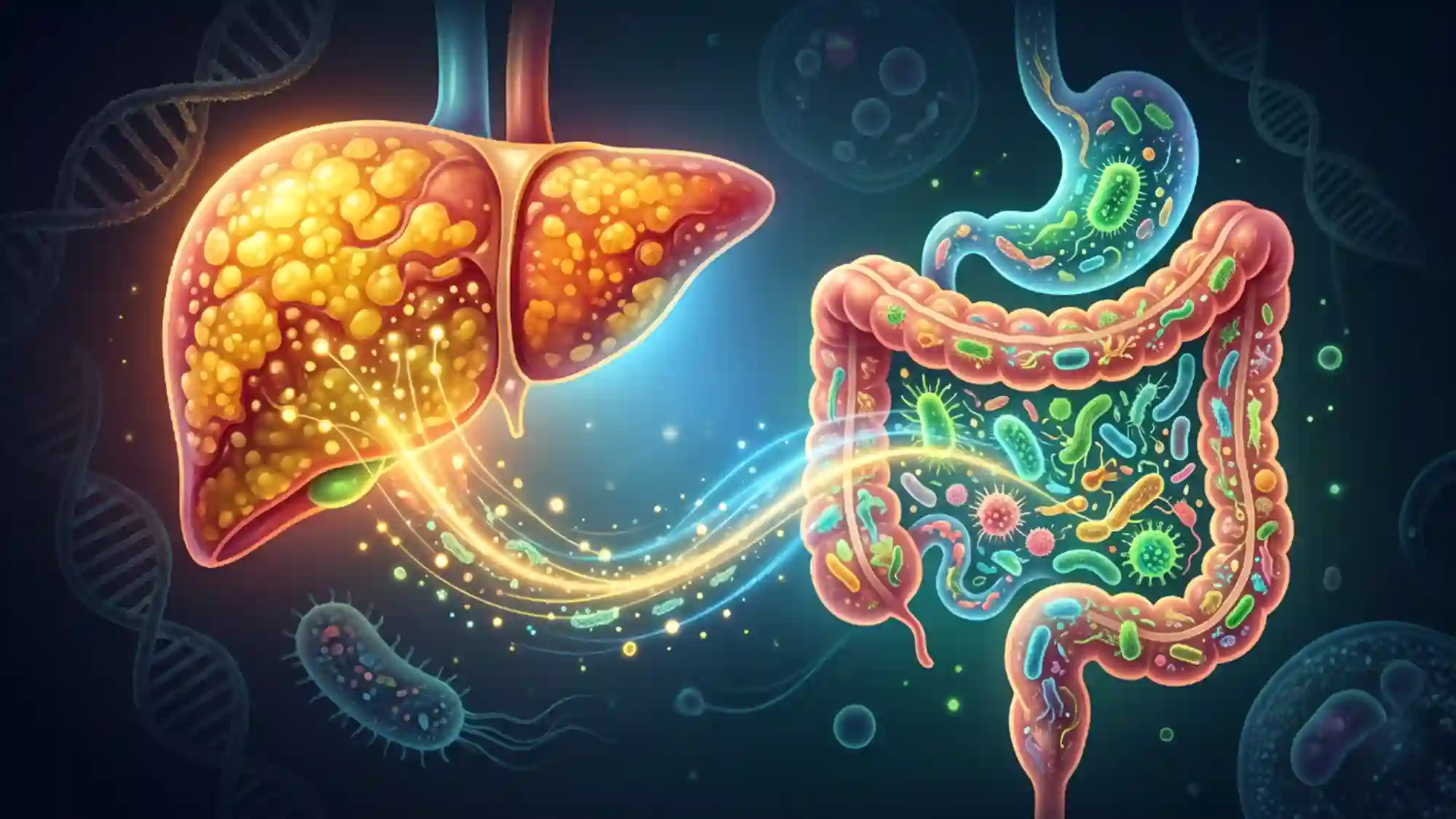
More recently, scientists have discovered much more efficient enzymes. In 2019, researchers screened DNA from the human gut microbiome and identified a two-enzyme system from Flavonifractor plautii capable of efficiently removing the A antigen. The system converted A-type red blood cells toward the O phenotype at very low enzyme concentrations, including in whole blood.
Research has continued to improve these approaches. A 2025 study identified and engineered new enzymes capable of converting B-type red blood cells toward O, increasing enzymatic efficiency through targeted protein engineering.
But enzymes are not the only strategy
Scientists are also exploring gene editing and stem-cell technologies. Instead of modifying mature donated red blood cells, researchers can manipulate blood-forming stem or progenitor cells before they develop into red blood cells. In 2025, researchers used CRISPR-Cas9 to remove clinically important blood-group antigens from erythroid cells derived from hematopoietic stem and progenitor cells, producing cells with O and Rh-null-like phenotypes.
Another study demonstrated CRISPR-mediated conversion of type A cells derived from human induced pluripotent stem cells into a universal type O phenotype, illustrating how stem-cell manufacturing could eventually provide engineered blood for transfusion.
The goal is not to permanently change a person’s blood type. Instead, researchers are trying to manufacture red blood cells whose surface antigens have been altered to make them compatible with more recipients.
Several obstacles remain, including achieving complete antigen removal, ensuring that modified cells function normally, producing sufficient quantities and demonstrating long-term safety in clinical settings.
The concept, however, is rapidly evolving. What once sounded like biological science fiction turning one type of donated blood into another has become a genuine area of transfusion research. Scientists may not be changing the identity of a person’s blood. They are learning how to rewrite the molecular identity displayed on its cells.
Sources:
Goldstein, J., Siviglia, G., Hurst, R., Lenny, L., & Reich, L. (1982). Group B erythrocytes enzymatically converted to group O survive normally in A, B, and O individuals. Science, 215(4529), 168–170. https://doi.org/10.1126/science.6274021
Rahfeld, P., Sim, L., Moon, H., Constantinescu, I., Morgan-Lang, C., Hallam, S. J., Kizhakkedathu, J. N., & Withers, S. G. (2019). An enzymatic pathway in the human gut microbiome that converts A to universal O type blood. Nature Microbiology, 4(9), 1475–1485. https://doi.org/10.1038/s41564-019-0469-7