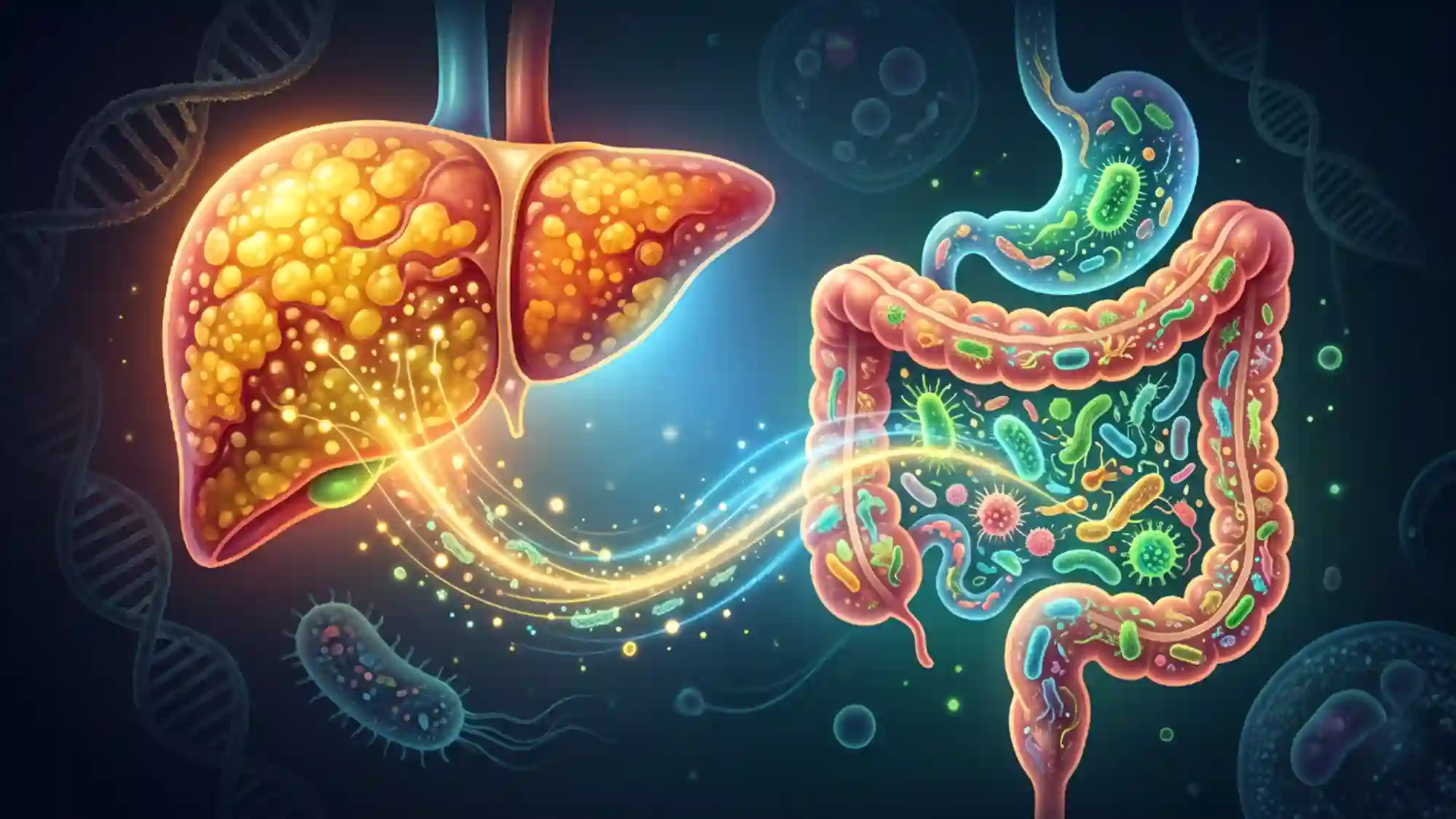
Stress is usually thought of as something that affects the mind and body temporarily. But prolonged or severe stress can leave molecular traces that influence how certain genes function. Remarkably, these changes can occur without altering the underlying DNA sequence. This field of research is known as epigenetics.
Your DNA contains the instructions for building and maintaining your cells, but genes are not constantly active. Cells use regulatory mechanisms to determine which genes should be switched on or off, and environmental experiences including stress can influence some of these regulatory systems. Major epigenetic mechanisms include DNA methylation, histone modifications and changes involving non-coding RNAs.
One of the best-studied examples involves the glucocorticoid receptor, encoded by the NR3C1 gene. This receptor helps cells respond to cortisol, one of the body’s major stress hormones. It is part of a feedback system that helps shut down the stress response after a threat has passed.

Research suggests that early-life adversity can be associated with altered DNA methylation around regulatory regions of NR3C1. Increased methylation in particular regions has been linked with reduced glucocorticoid-receptor expression, potentially changing how the body regulates its response to later stress.
But the relationship is not as simple as “stress switches genes off.” Epigenetic regulation is highly specific. Different genes, tissues, developmental stages and types of stress can produce different molecular patterns. A systematic review of studies examining stress and glucocorticoid-receptor methylation found relatively consistent associations for early-life adversity, but much less consistent results for other forms of psychosocial stress.
Scientists have also found evidence that stress can influence histone modifications. Histones are proteins around which DNA is packaged. Chemical changes to histones can alter how tightly DNA is packed and consequently influence whether cellular machinery can access particular genes. Animal studies of early-life stress have demonstrated changes in histone modifications around stress-regulating genes that can persist into adulthood.
Another intriguing possibility is that some stress-associated epigenetic patterns may be modifiable. Research in children exposed to adversity, for example, has found that methylation patterns can change over time, highlighting that epigenetic regulation is not necessarily a permanent molecular scar.
This does not mean that stressful experiences permanently rewrite a person’s DNA, nor does it prove that every psychological experience produces a specific epigenetic change. Much of the evidence remains observational, and researchers are still determining which molecular alterations are causes, consequences or simply biological correlates of stress.
Nevertheless, epigenetics provides a fascinating explanation for how environment and biology can interact. The DNA sequence may remain unchanged, while the way particular genes are regulated can shift in response to experience.

Stress may not rewrite the genetic code but it can influence how the body reads it.
Sources
Liu PZ, Nusslock R. How Stress Gets Under the Skin: Early Life Adversity and Glucocorticoid Receptor Epigenetic Regulation. Curr Genomics. 2018 Dec;19(8):653-664. doi: 10.2174/1389202919666171228164350. PMID: 30532645; PMCID: PMC6225447.