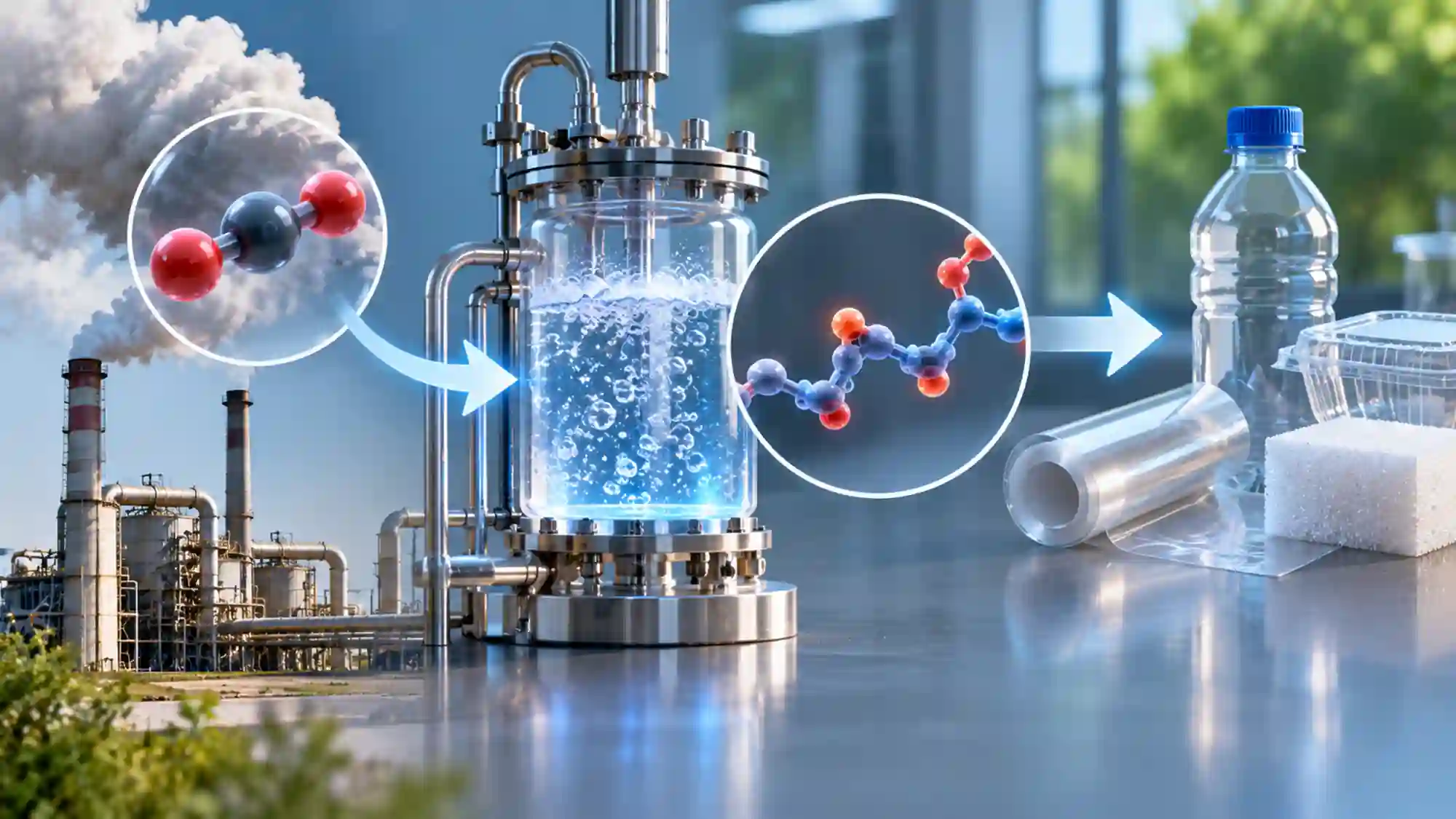
What if one of the gases driving climate change could also become a raw material for everyday products? Scientists are developing innovative methods to convert captured carbon dioxide (CO₂) into plastics, offering a potential alternative to conventional petroleum-based manufacturing.
Traditionally, plastics are produced using chemicals derived from crude oil and natural gas. However, researchers have discovered that CO₂ can participate in chemical reactions that produce useful polymers, potentially reducing the industry’s dependence on fossil resources.
How Can Carbon Dioxide Become Plastic?
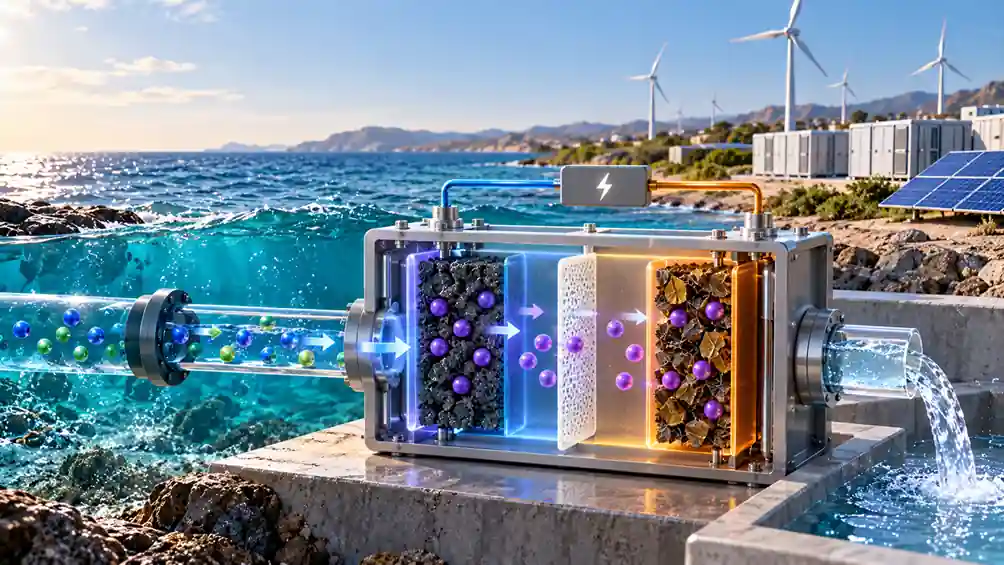
One promising technique involves combining CO₂ with chemicals called epoxides. These molecules contain a highly reactive three-membered ring that can be opened during a chemical reaction.
With specialised catalysts, CO₂ molecules are incorporated into the growing polymer chain, producing materials known as polycarbonates. The resulting plastics contain carbonate groups within their molecular structure.
Catalysts play an essential role because CO₂ is a highly stable molecule that does not readily react under ordinary conditions. Researchers are developing metal-based and metal-free catalysts to improve reaction efficiency, control polymer structure, and reduce manufacturing costs.
Where Could These Plastics Be Used?
CO₂-derived polymers are being explored for several industrial applications. They can be used to produce materials for packaging, protective coatings, adhesives and flexible films. Certain CO₂-based polyols can also serve as building blocks for polyurethane products, including foams, elastomers and industrial coatings.
Some of these technologies have already reached commercial production, demonstrating that captured carbon can become a useful ingredient in polymer manufacturing.

Is This Really Better for the Environment?
Despite its promise, producing plastic from CO₂ does not automatically make the material environmentally friendly. The process requires energy, and its climate benefits depend on whether that energy comes from renewable sources.
Additionally, CO₂-based plastics are not necessarily biodegradable. If they are burned after disposal, the carbon incorporated into them can return to the atmosphere. The environmental impact therefore depends on the entire life cycle, including carbon capture, manufacturing, transportation, recycling and disposal.
Could Waste Become a Valuable Resource?
Researchers are working to develop more efficient catalysts, affordable production methods and polymers with improved properties. Advances in chemical recycling may also help recover valuable materials and support a more circular carbon economy. Although CO₂-based plastics cannot independently solve climate change or plastic pollution, they offer an intriguing possibility: transforming captured greenhouse gases into useful materials rather than relying exclusively on newly extracted fossil carbon.