Shashanka S, M.Sc
Shashanka is a molecular biologist with a Master’s degree in Genetics from Jain (Deemed-to-be University). As an IAS-INSA-NASI Summer Research Fellow, he investigated the evolutionary genomics of bats, focusing on genetic adaptations associated with their exceptional tolerance to viruses that are pathogenic in many other mammals. His current research explores 5′UTR-mediated regulation of bottleneck genes in the terpenoid indole alkaloid (TIA) biosynthetic pathway in Catharanthus roseus, combining molecular biology with computational analyses to understand mechanisms that can enhance the production of valuable therapeutic metabolites. He is also a co-founder of The Science Decode, where he contributes to evidence-based science communication by simplifying complex research, promoting scientific literacy, and addressing misconceptions through accessible scientific content.

Why your hunger hormones may not reflect what you ate yesterday
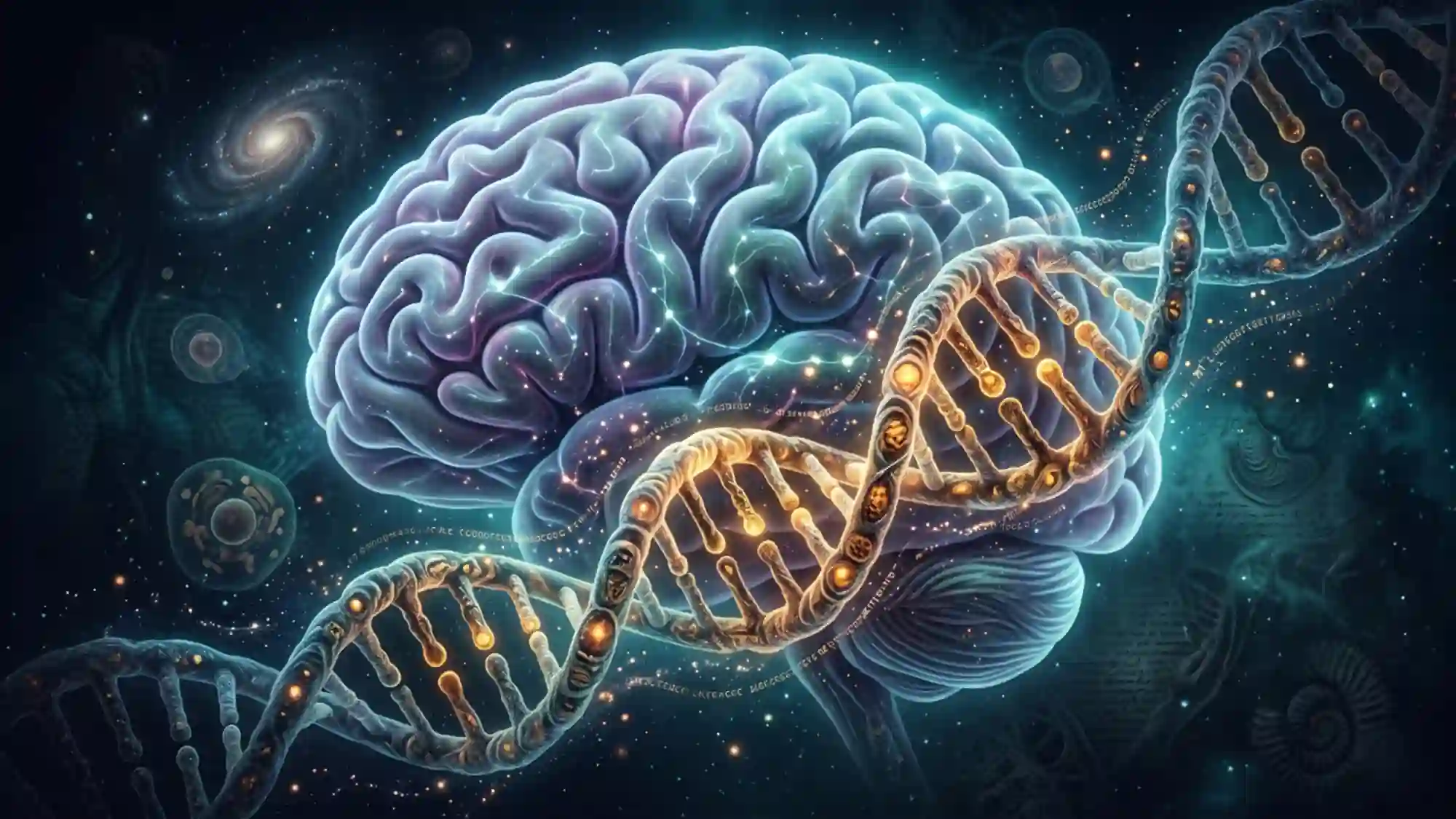
The secret behind brain wrinkles may lie in an ancient gene

India may soon mix hydrogen into your kitchen gas
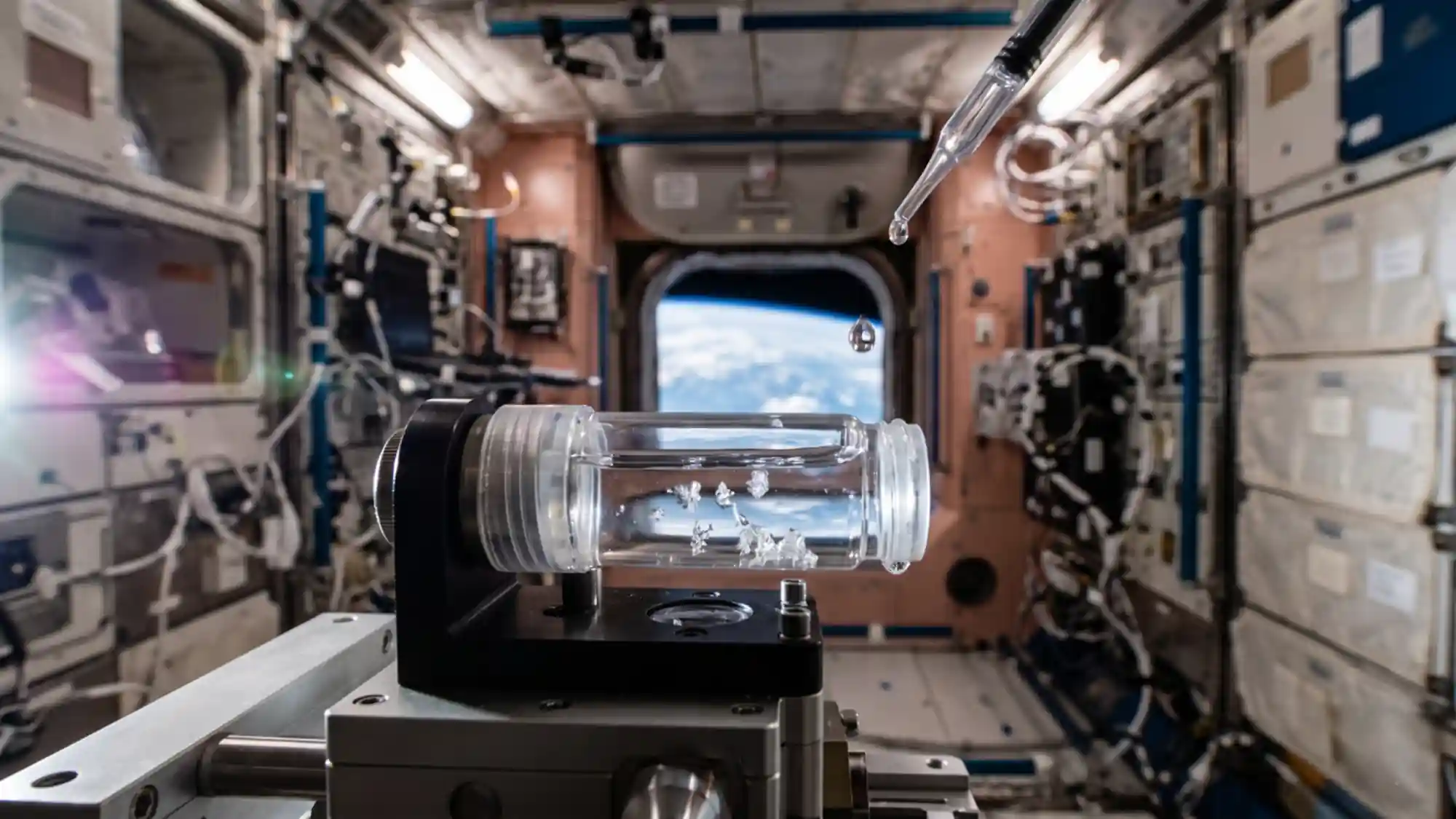
NASA grew crystals from a protein in human tears in space.
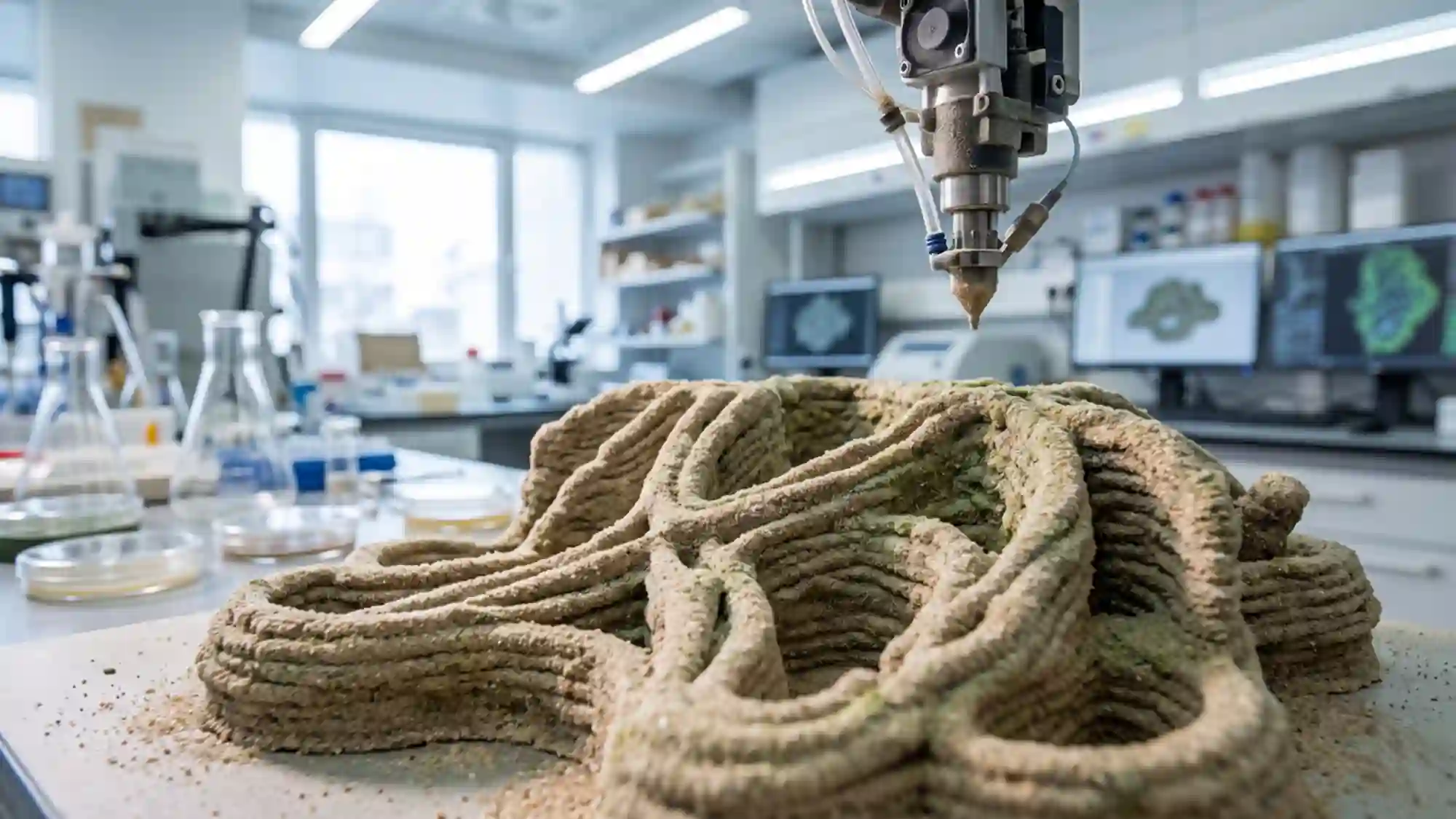
3D-printed sand gets a biological upgrade with bacteria

Scientists used AI to uncover the hidden health benefits of brown fat
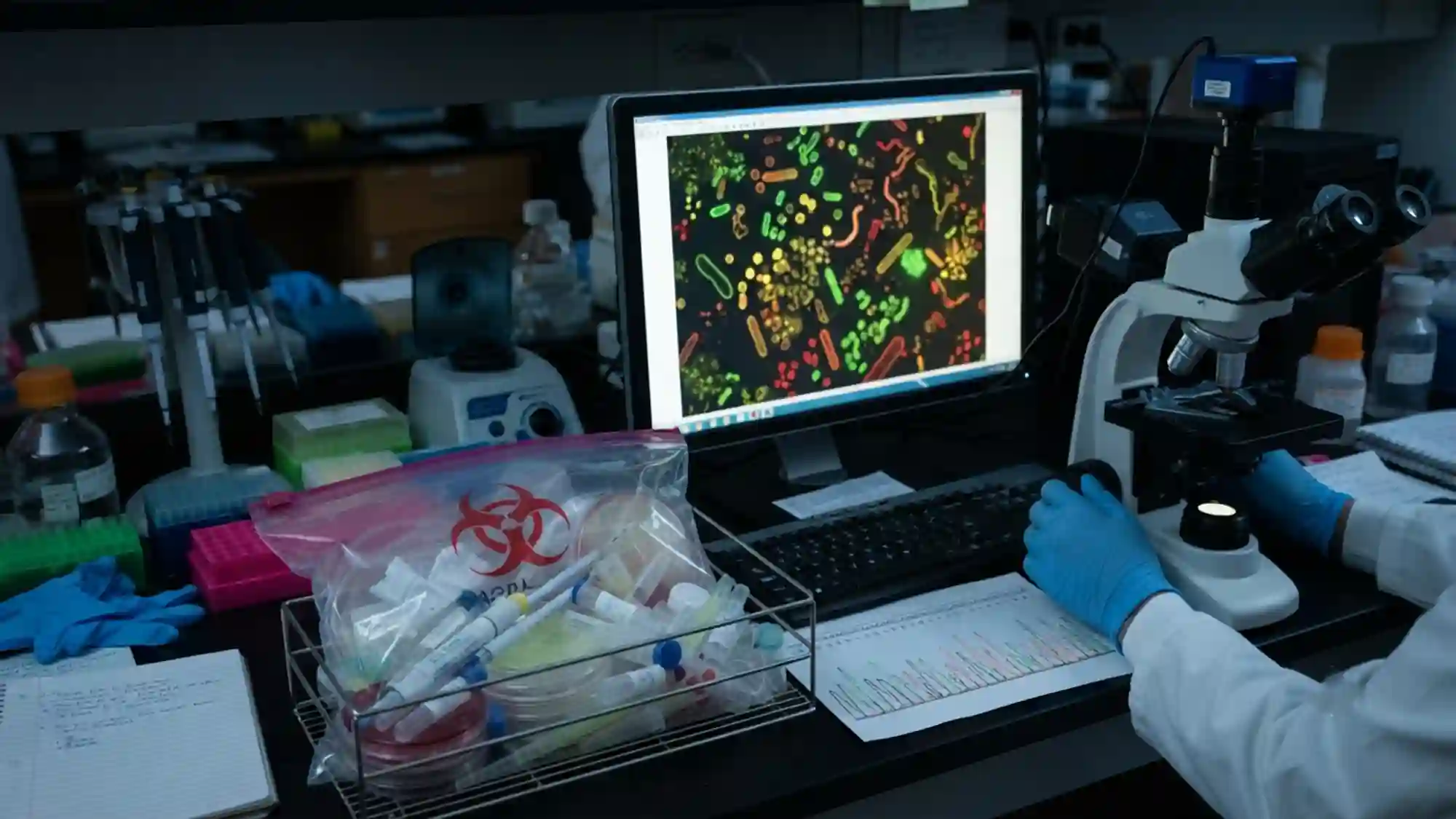

IV drugs or anaesthetic gas? A landmark trial finds no clear winner

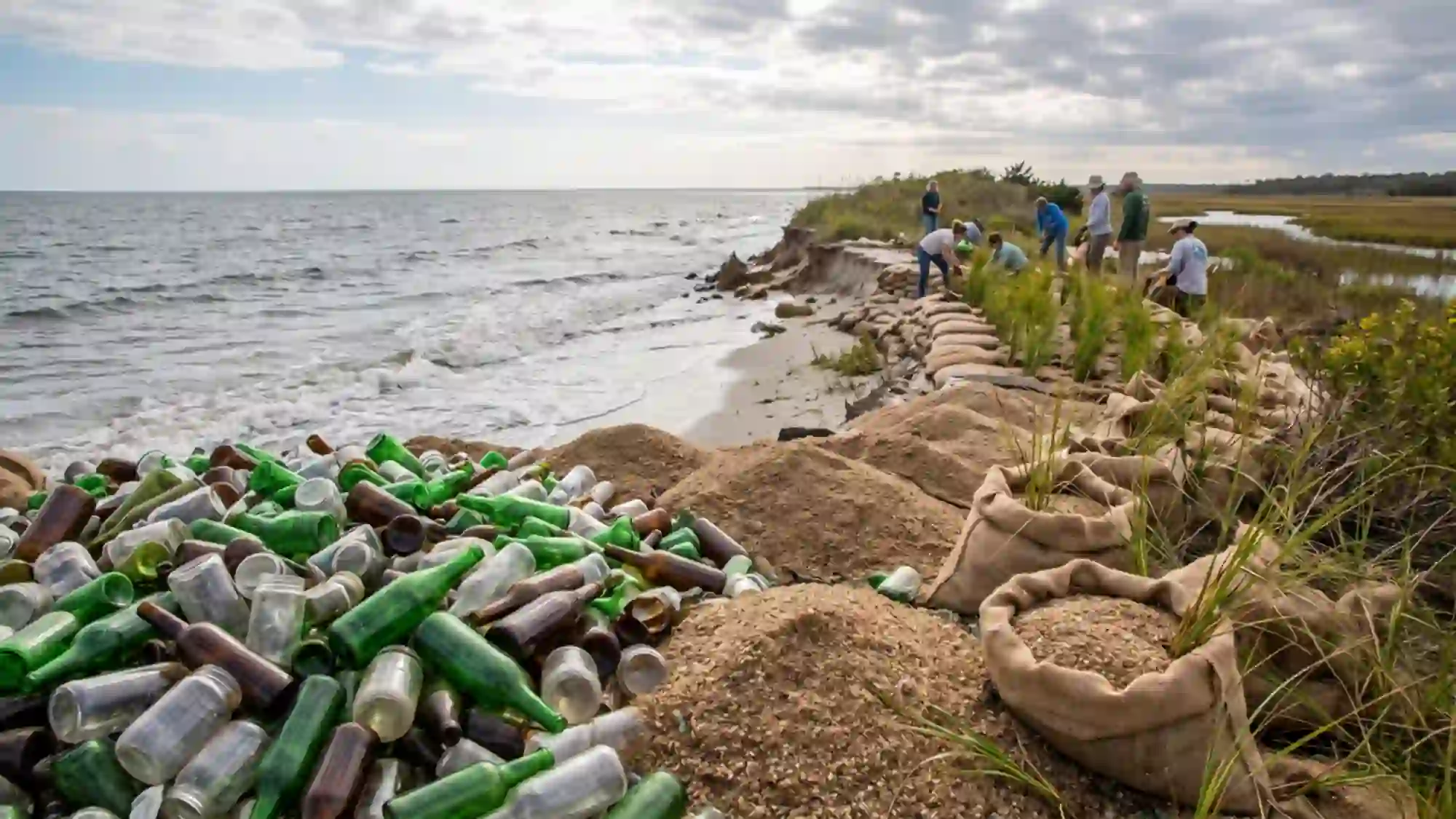
Can old glass help save a coastline from disappearing?
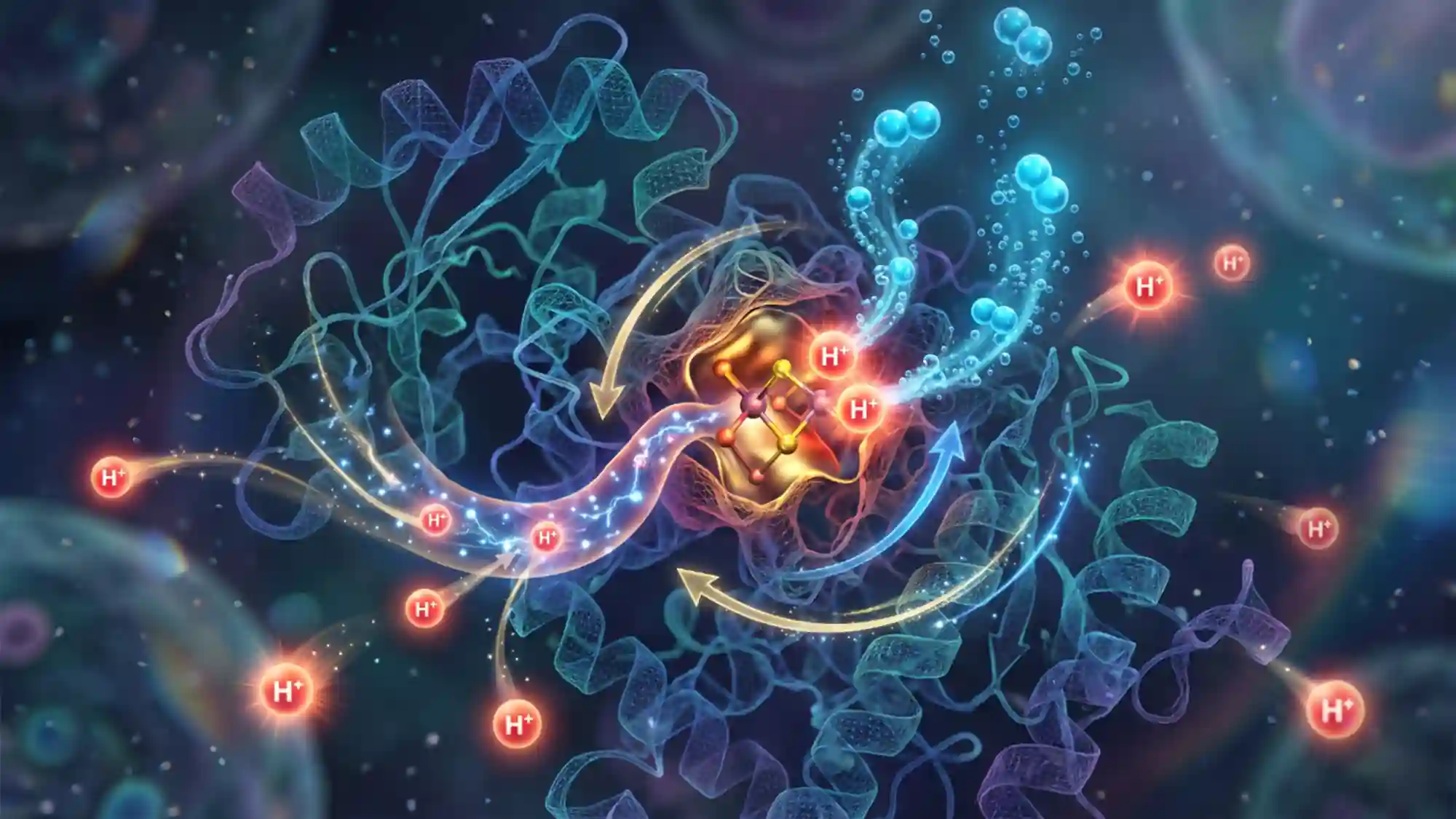
The protein pendulum: how enzymes capture protons to make hydrogen

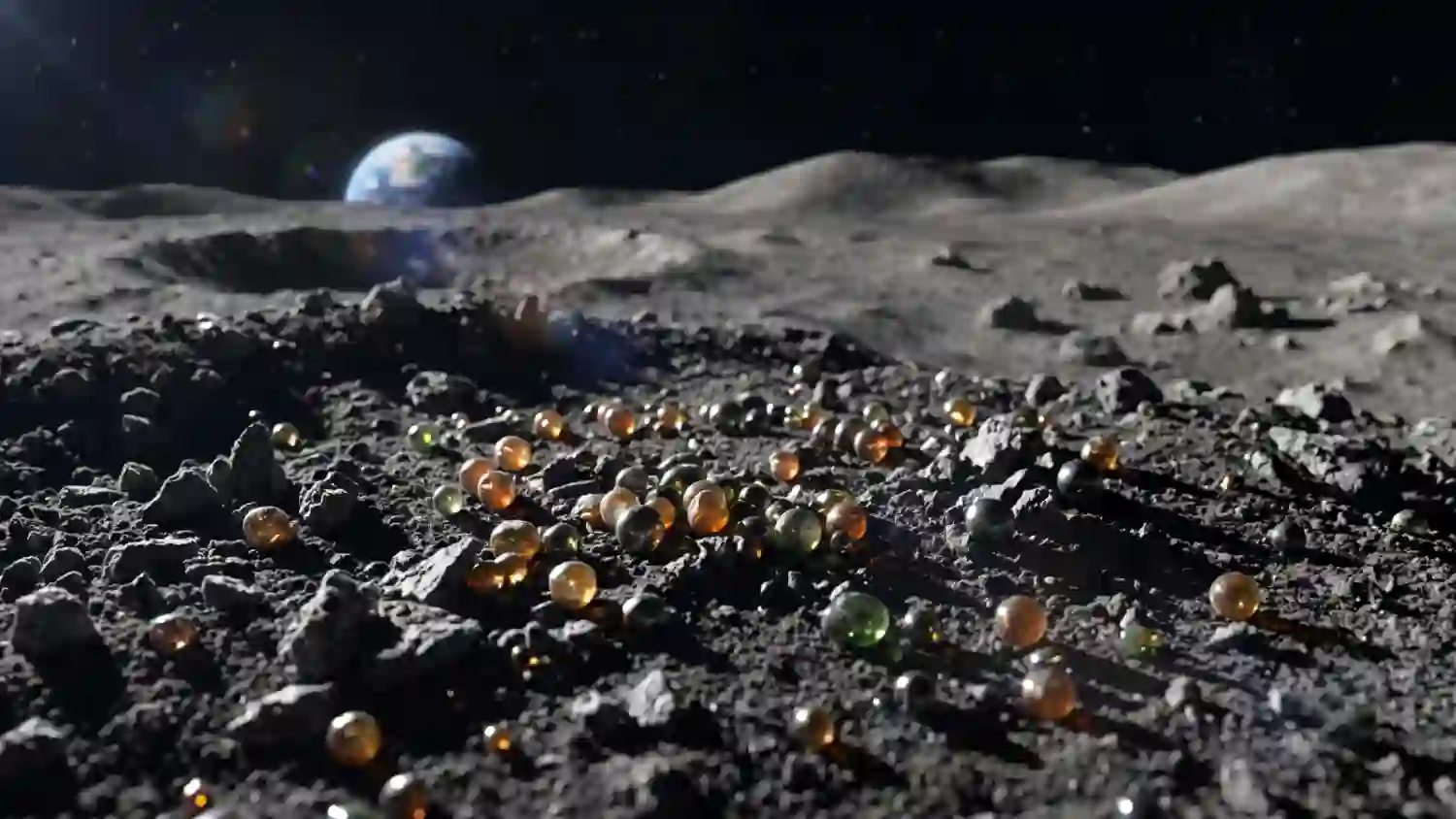

Five flashes, 11,000 images and the Moon through astronauts’ eyes
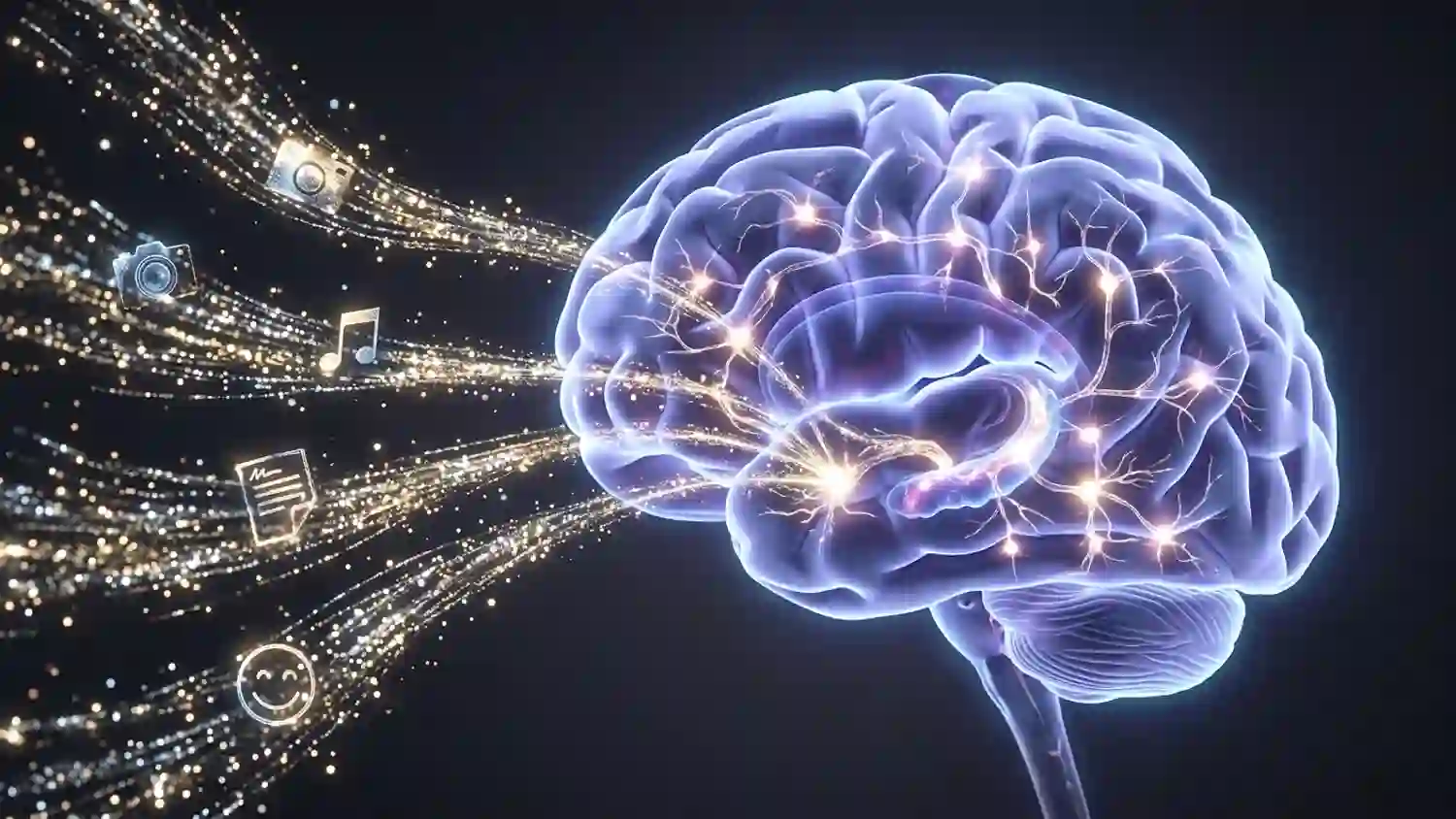
Brain updates an old memory without replacing it
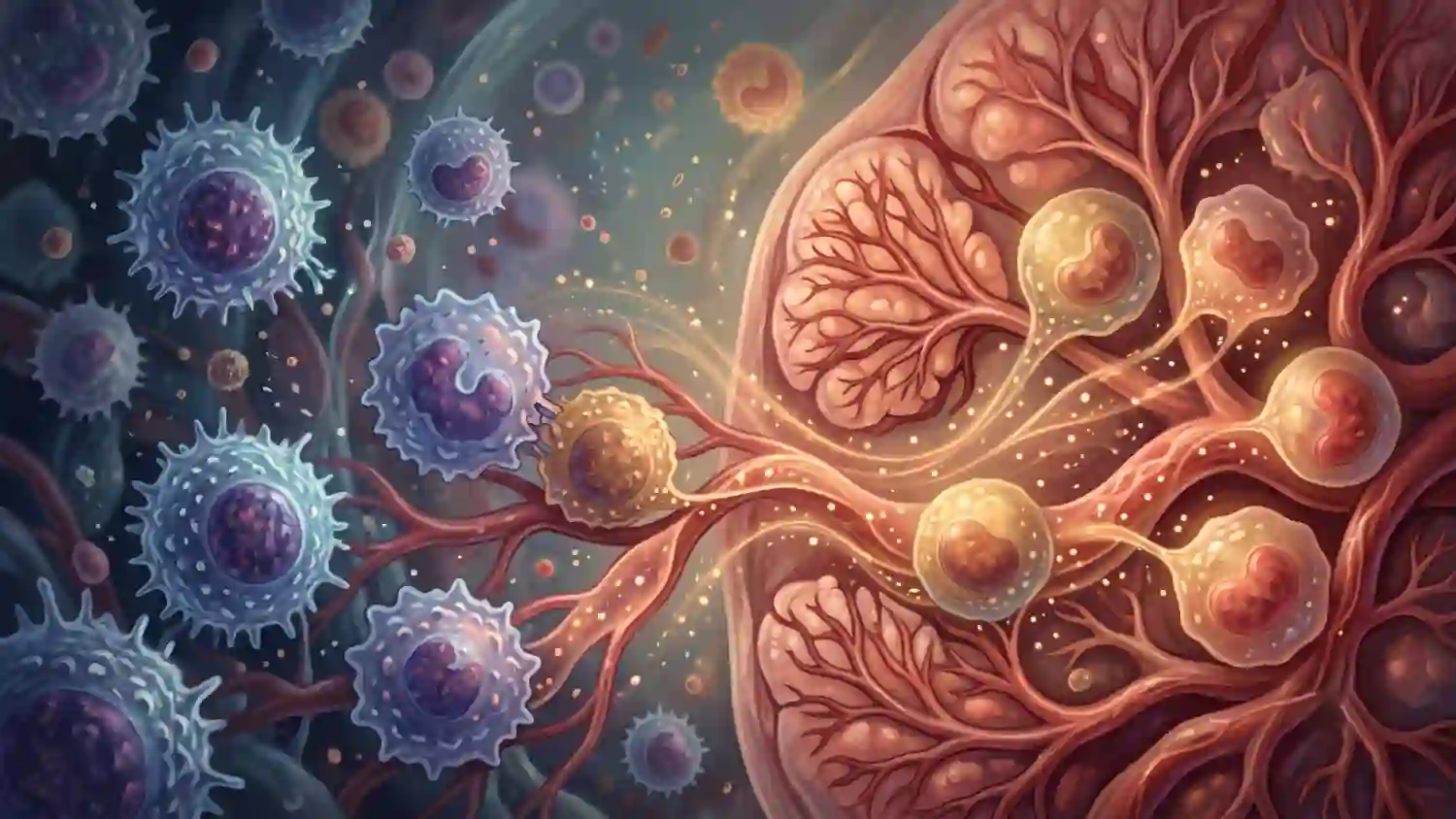
When immune cells stop fighting and start helping the placenta