The human genome contains billions of DNA letters, but simply knowing the sequence is not enough to understand how our cells work. The crucial question is also how cells know which genes to turn on, when to activate them, and how strongly to express them.
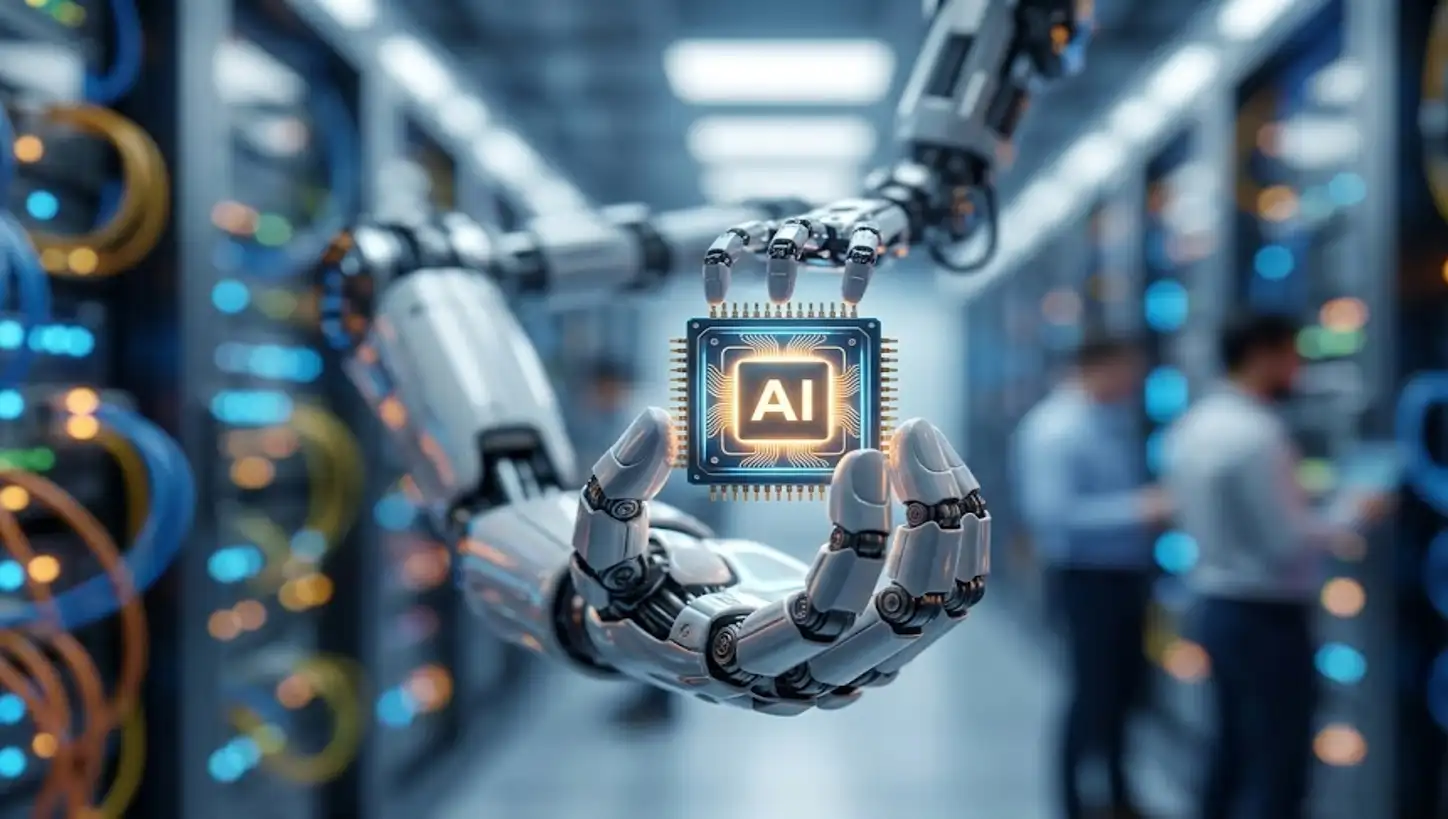
Scientists have now taken an important step toward answering that question by using artificial intelligence to decode a previously difficult-to-read DNA element called the initiator.
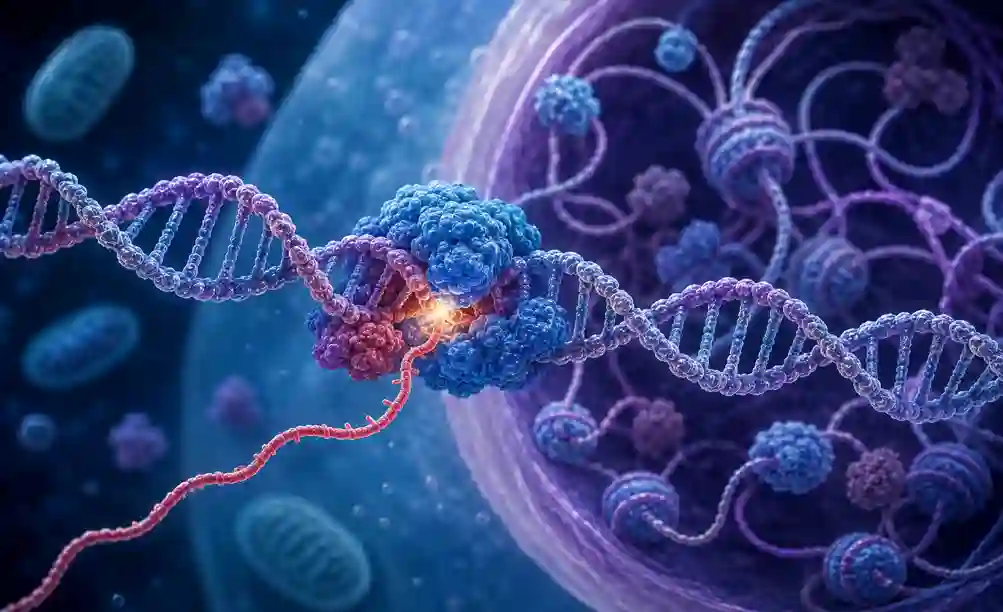
The initiator is a short region of DNA located around the point where transcription begins the process through which a cell copies genetic information from DNA into RNA. It forms part of a gene’s core promoter, helping cellular machinery identify where gene activity should begin. Unlike some other DNA regulatory sequences, however, initiators do not follow one simple, obvious sequence pattern, making them difficult to identify using conventional methods.
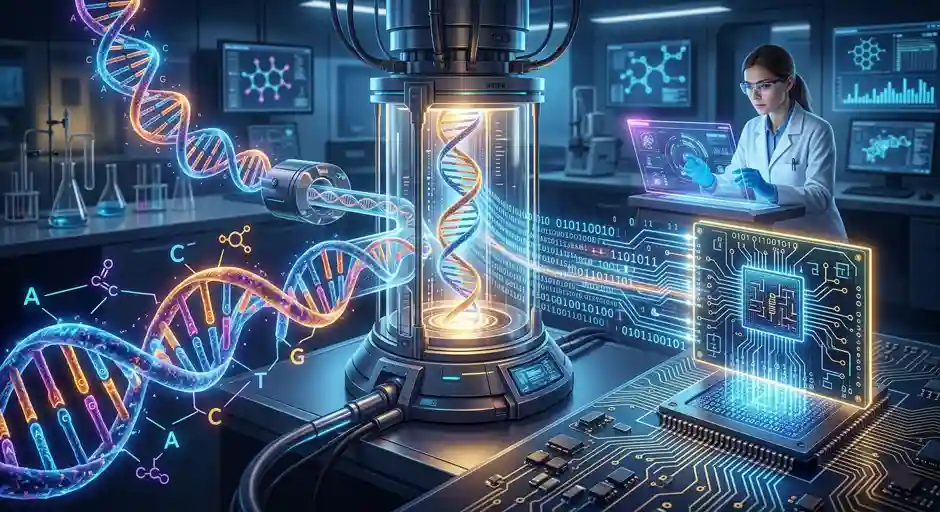
Researchers at the University of California San Diego approached the problem by creating and testing approximately 500,000 different DNA sequence variants. Using high-throughput experiments, they measured how effectively these sequences initiated gene expression. The resulting dataset was then used to train a machine-learning model to recognise the subtle sequence patterns associated with functional initiators.
When researchers applied the model to human genes, it predicted the presence of an initiator in approximately 60% of human genes. This does not mean the other 40% lack mechanisms for starting gene expression. Rather, it highlights that human genes can use different types of regulatory architecture, and the initiator is one important component of that system.
Why is this important?
Because changes in regulatory DNA can sometimes affect gene activity without altering the protein-coding sequence itself. A mutation in a regulatory element could potentially cause a gene to be expressed too much, too little, or at the wrong time. Better understanding these sequences could therefore help researchers interpret genetic variants whose biological effects are currently difficult to predict.
The work could also contribute to synthetic biology and gene therapy research. If scientists can accurately predict which DNA sequences activate genes and how strongly they work, they may eventually be able to design more precise genetic control systems.
However, this is not a complete decoding of the human genome’s regulatory language. The initiator is only one component of a much larger network that includes enhancers, silencers, transcription-factor binding sites, chromatin structure, and other regulatory elements.
The real significance of the discovery is therefore not that scientists have finally “cracked” human DNA.
Instead, AI has provided a new way to uncover patterns that are too complex for humans to recognise easily.
The human genome may contain the instructions for life but researchers are increasingly learning that the real challenge is understanding the hidden regulatory language that tells those instructions when to speak.
Sources
https://today.ucsd.edu/story/researchers-use-ai-to-decode-key-dna-sequence-in-gene-activation?