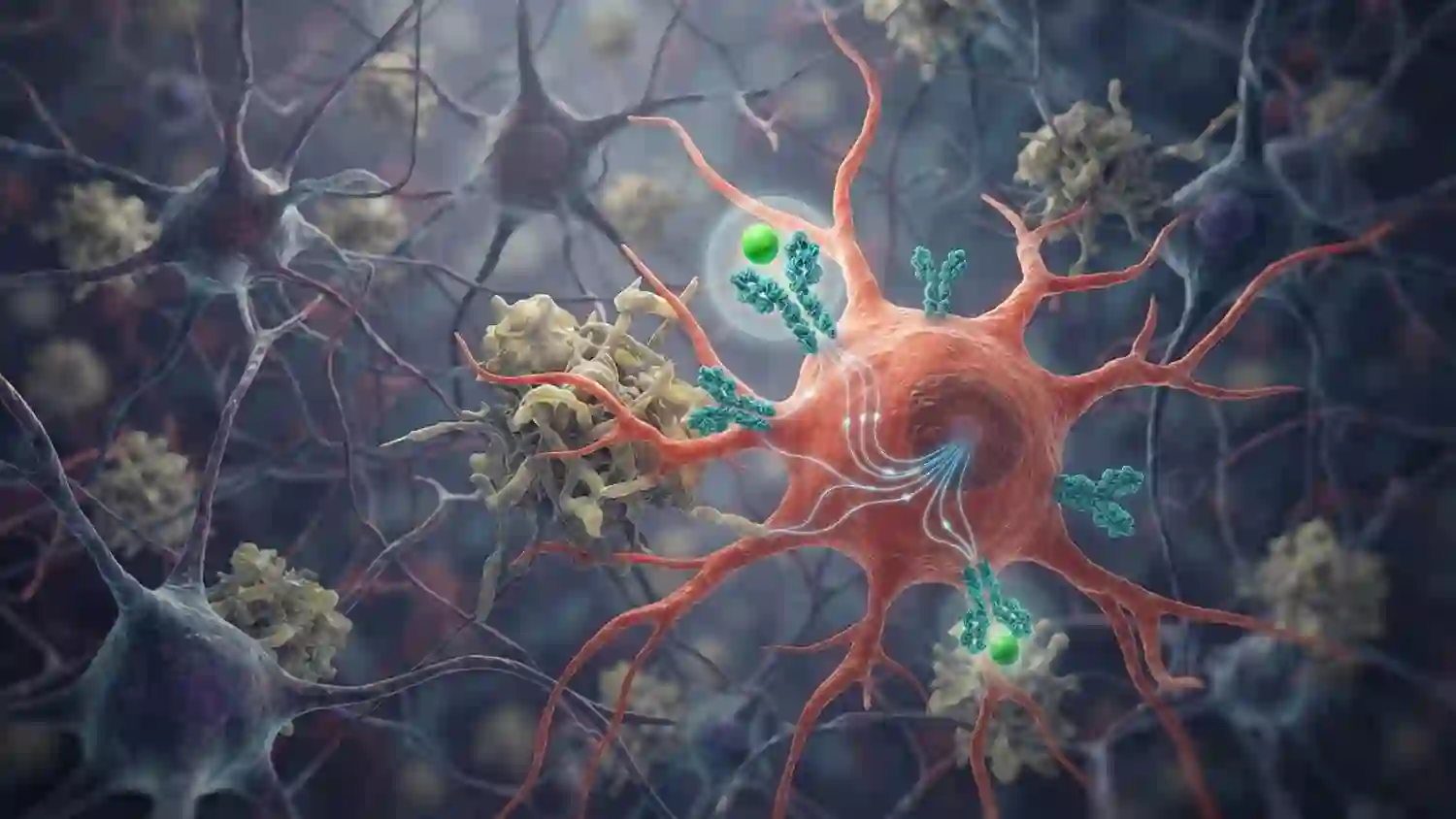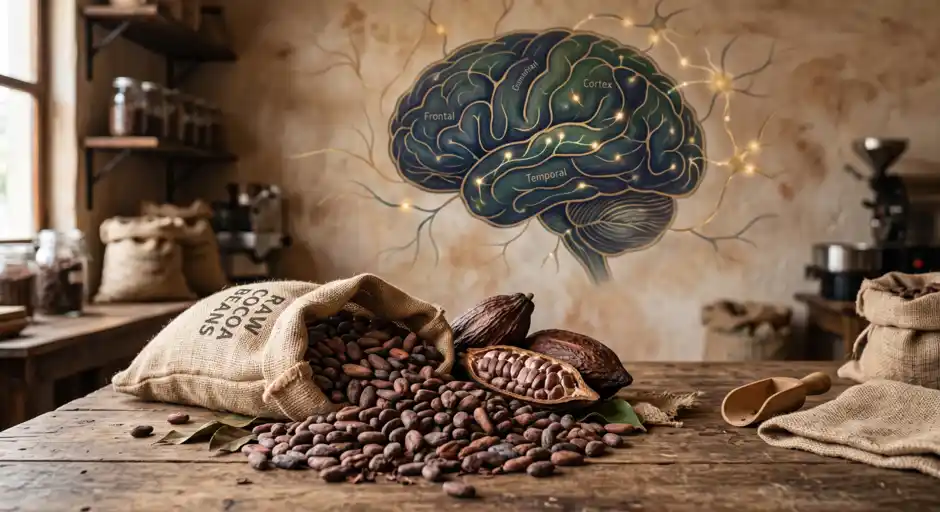
What if that piece of dark chocolate you reach for after a bad day is doing more than satisfying a craving? Cocoa has long been associated with pleasure and comfort, but scientists are now looking at something more specific: could compounds in cocoa actually influence how our brain works?
The answer is interesting, but not quite what you might expect. Cocoa contains natural compounds called flavanols, which belong to a larger group of plant chemicals known as polyphenols. These compounds can affect blood vessels, inflammation and cell signalling. Because the brain depends heavily on a steady supply of blood and oxygen, researchers have wondered whether cocoa flavanols could also influence mood and mental performance. And there are some promising clues.
In a study, people who consumed dark chocolate containing 85% cocoa every day for three weeks reported improvements in their mood. They found changes in the bacteria living in their gut. This is particularly interesting because the gut and brain constantly communicate with each other, raising the possibility that cocoa could influence mood through the gut-brain connection. Other experiments have found that cocoa flavanols can increase blood flow and may temporarily improve performance during mentally demanding tasks.

So, does that mean chocolate is good for your brain?
No, When researchers looked at whether cocoa can actually improve long-term cognitive abilities such as memory and thinking, the results became much less convincing. A large clinical trial called COSMOS-Mind followed more than 2,000 older adults for three years. Participants who took cocoa extract containing flavanols did not show a significant improvement in overall cognitive function compared with those who received a placebo. This is the important distinction: something can change a biological process without necessarily producing a noticeable improvement in health or behaviour. Cocoa flavanols may influence blood flow, gut bacteria or cellular signalling, but that does not automatically mean eating more chocolate will make you smarter or prevent memory loss. The cocoa used in research is often rich in flavanols, while many commercial chocolate products contain relatively small amounts of cocoa and much more sugar and fat.
Cocoa’s effects on mood, the gut-brain connection and blood flow are giving scientists an interesting question. The next time chocolate makes you feel a little better, there may be a science behind that feeling.
Sources