Sleep is often treated as something we can sacrifice when life gets busy. A late-night study session, an early workday, or hours of scrolling can easily reduce our sleep without seeming immediately harmful. But sleep is not simply a period when the body switches off. It is an active biological process that helps regulate the immune system, metabolism, brain function, and memory.
When sleep is repeatedly cut short, these systems can begin to change.
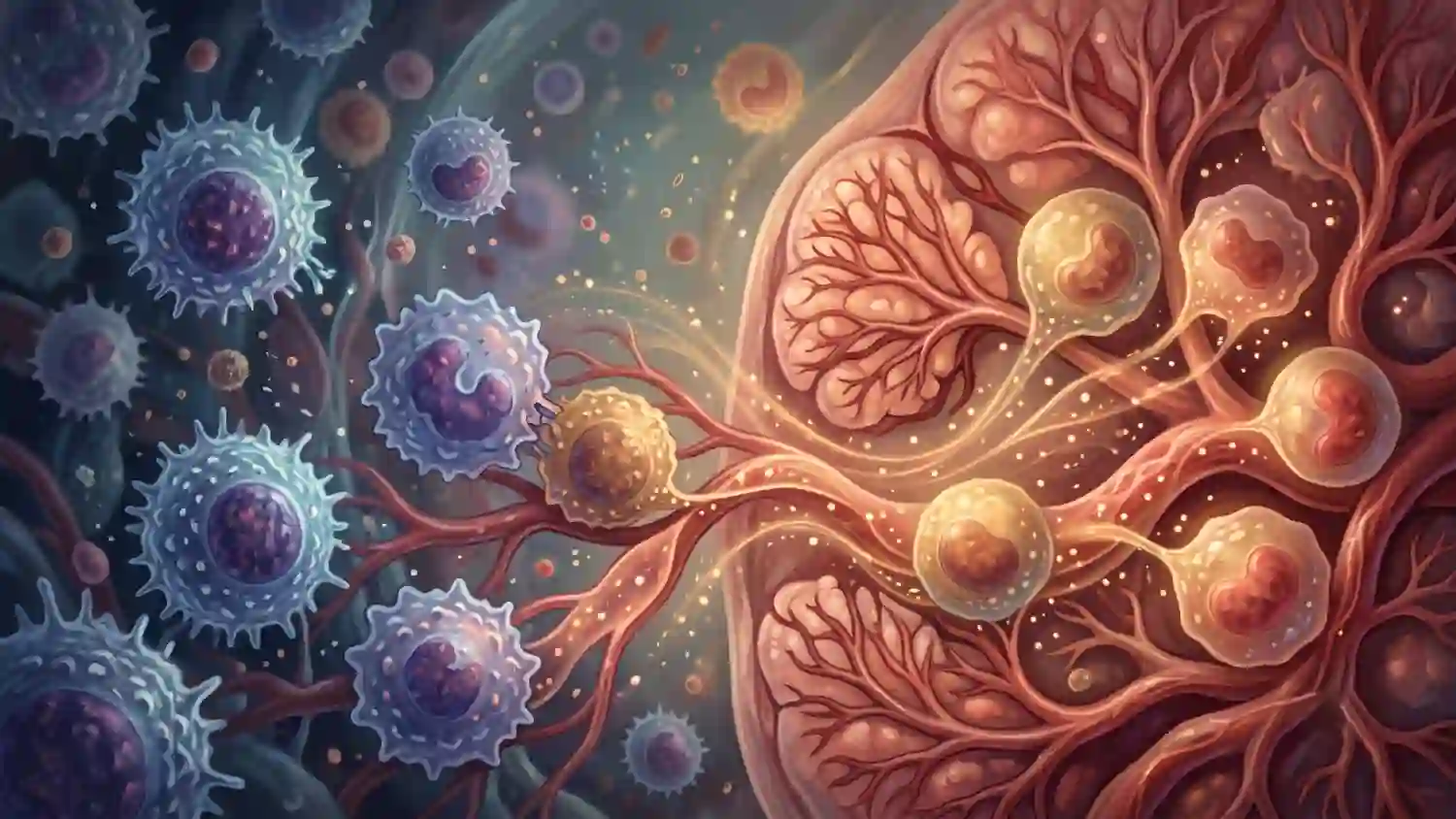
One of the first effects occurs in the immune system. During normal sleep, the body coordinates immune signalling and produces molecules involved in regulating inflammation. Experimental studies have found that even relatively short periods of sleep restriction can alter immune-cell activity and increase markers associated with inflammation. Over time, persistent sleep deficiency has been linked with impaired immune regulation and increased susceptibility to some health problems.

Sleep loss also affects metabolism.
Insufficient sleep can interfere with how the body responds to insulin, the hormone that helps move glucose from the bloodstream into cells. Studies have shown that sleep restriction can reduce insulin sensitivity and alter appetite-regulating hormones. At the same time, changes in hunger and reward pathways may make high-calorie foods more appealing, potentially contributing to weight gain when inadequate sleep becomes a long-term pattern.
Then there is the brain.
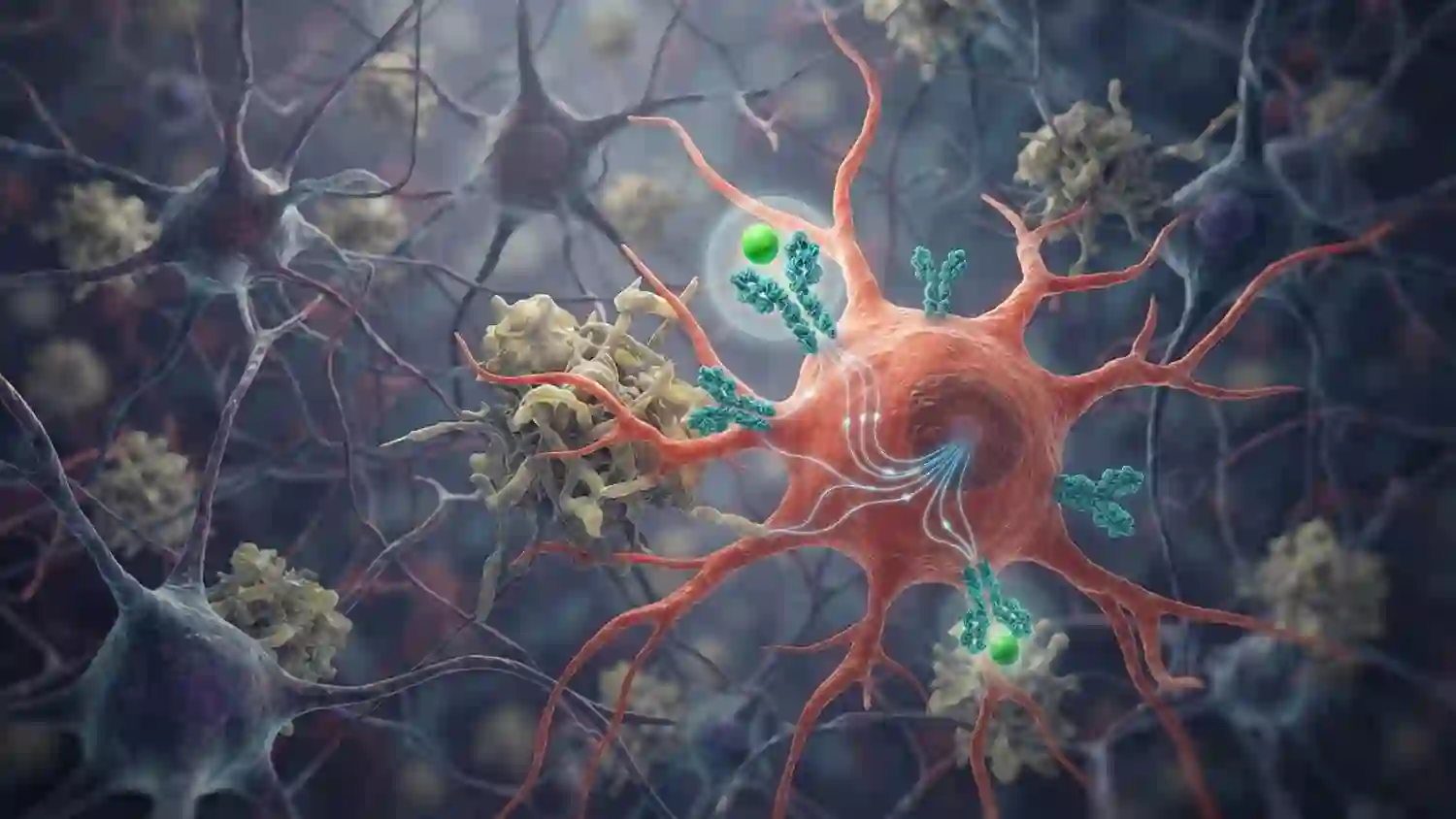
During sleep, particularly during slow-wave sleep and REM sleep, the brain undergoes processes important for learning and memory. Newly acquired information is reorganised and strengthened, helping transform experiences into more stable memories. Sleep deprivation can interfere with attention, working memory, decision-making, and the consolidation of newly learned information.
Interestingly, sleep loss doesn’t affect every brain function in exactly the same way. Some abilities may remain relatively intact after a single poor night, while others especially attention and sustained concentration can deteriorate quickly. Repeated sleep restriction is particularly concerning because people may gradually adapt to the feeling of being tired while their objective performance remains impaired.
The effects can also interact.

Chronic sleep loss may increase inflammation, alter metabolic regulation, and impair brain function simultaneously. This means poor sleep isn’t simply an issue of feeling exhausted the next morning it can influence multiple biological systems at once.
So, why does losing sleep have such widespread effects?
Because sleep is deeply integrated into the body’s regulatory systems. The brain doesn’t simply rest during sleep; it uses that time to coordinate processes that keep the rest of the body functioning properly.
A single late night is unlikely to cause lasting damage in an otherwise healthy person. The bigger concern is chronic sleep deficiency.
Sleep isn’t wasted time. It is one of the periods when your body is actively maintaining itself.
Sometimes, the most productive thing you can do for your brain, immune system, and metabolism is simply go to sleep.
Sources