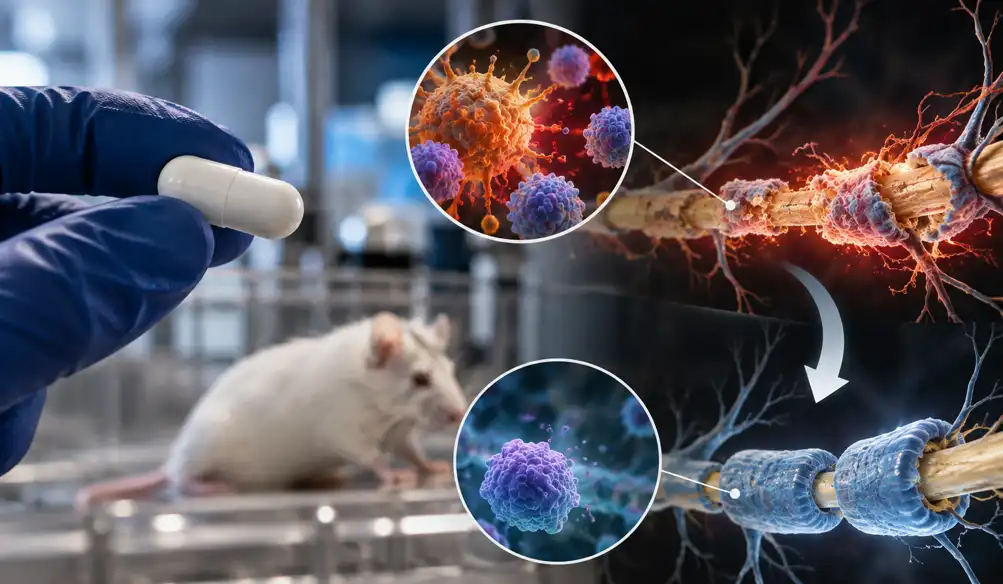
Antibiotic resistance is a pressing global health problem, and some of the most promising leads may come from a surprising source: extinct animals.
Rebuilding a 160-million-year-old defense
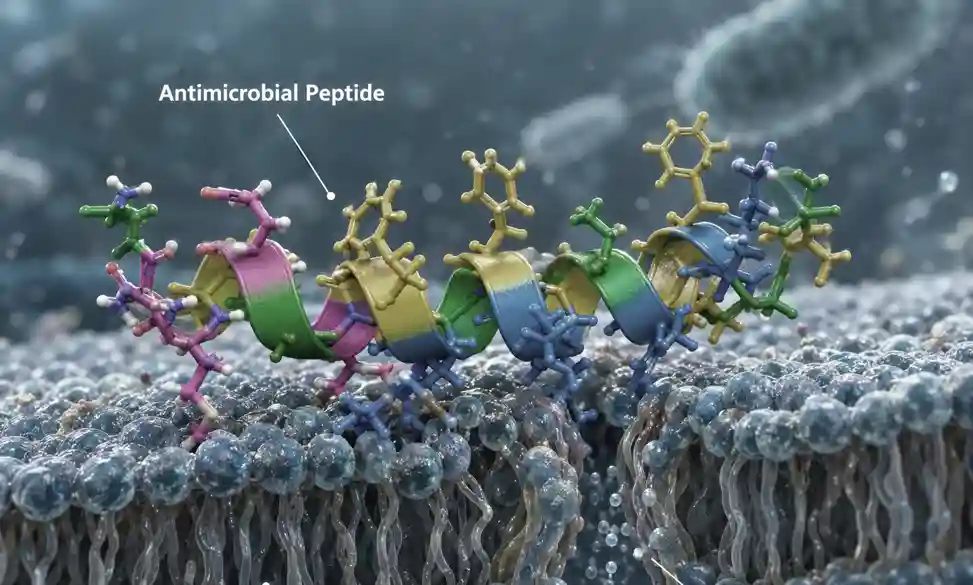
Biologists at the University of Oregon have resurrected antimicrobial peptides, short protein fragments, from the ancestors of placental mammals. These ancestors date back about 160 million years, near the end of the Jurassic Period. In lab tests, some of the extinct peptides were more potent against drug-resistant bacteria than some of their modern counterparts.
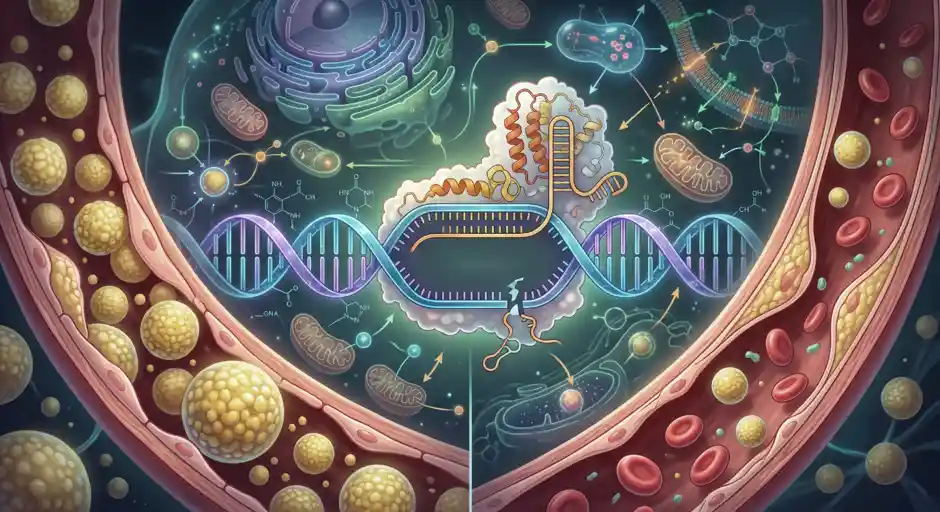
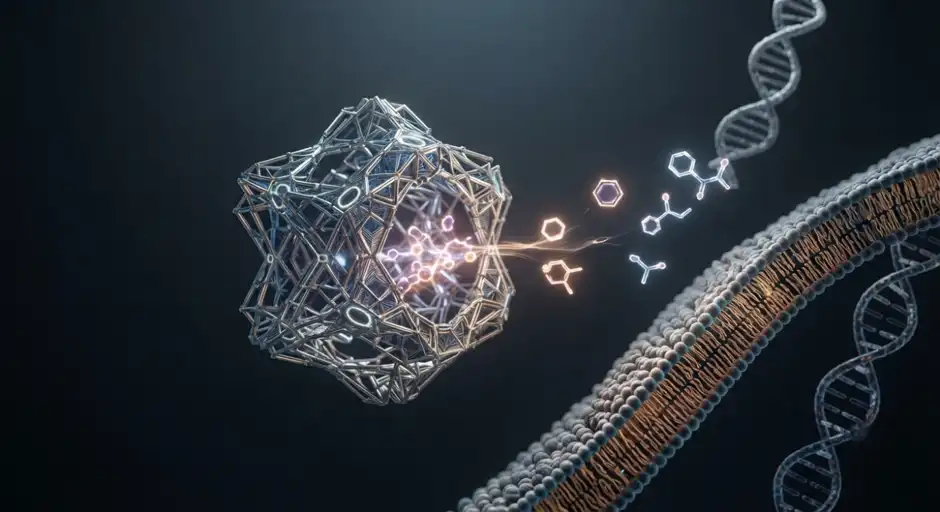
The peptides come from lactoferrin, an immune protein found in nearly every body fluid except blood, including breast milk, tears, saliva, and intestinal mucus. Lactoferrin mainly starves pathogens by locking away iron, but it also carries a peptide that punches holes in bacterial membranes.
How do you resurrect a protein?
The team used ancestral sequence reconstruction. Lead author Titas Sil compared lactoferrin gene sequences from living species such as humans and cows, then statistically inferred the most likely sequences of their common ancestors. The predicted genes were synthesized, the ancient proteins were regenerated in cells, and the peptides were tested against Pseudomonas aeruginosa, Staphylococcus aureus, Escherichia coli, and Streptococcus.
Evolution’s slow upgrade
The results trace an evolutionary arms race. The oldest peptides disturbed bacterial membranes, but the bacteria repaired the damage and tolerated them. Peptides from later ancestors, a few million years old, showed progressively stronger activity and sometimes outperformed the modern human versions. The difference came down to very little. A single mutation in the amino acid chain made one peptide more potent. Senior author Matt Barber said the team was surprised at how small changes could have such large effects (Sil et al., 2026; University of Oregon, 2026). Barber describes evolution as “essentially a billion-year-old science experiment,” one whose results can guide the design of new antimicrobial tools (University of Oregon, 2026).
Don’t expect a pill tomorrow

The researchers are clear that this is not a ready-made drug. Compared with conventional antibiotics, these peptides are structurally less stable and are quickly broken down in the body. Bacteria can also evolve resistance to them, as they do with antibiotics. Barber argues that understanding how resistance arises could help researchers find better targets or develop combination treatments.
Why it matters
The study shows how evolutionary history can serve as a design library. By studying which changes made an ancient immune molecule stronger, and which ones bacteria learned to resist, scientists may be able to engineer peptides that are potent and harder to evade. It will take years of work to know whether that promise holds up, but the starting point is real, peer-reviewed science.
Sources:
- Sil, T., et al. (2026). Retracing the origin and evolution of a cryptic antimicrobial peptide within mammalian lactoferrin. PLOS Biology. https://doi.org/10.1371/journal.pbio.3003932
- University of Oregon. (2026, August 25). Ancient proteins revived to inspire new antimicrobial treatments. News-Medical.