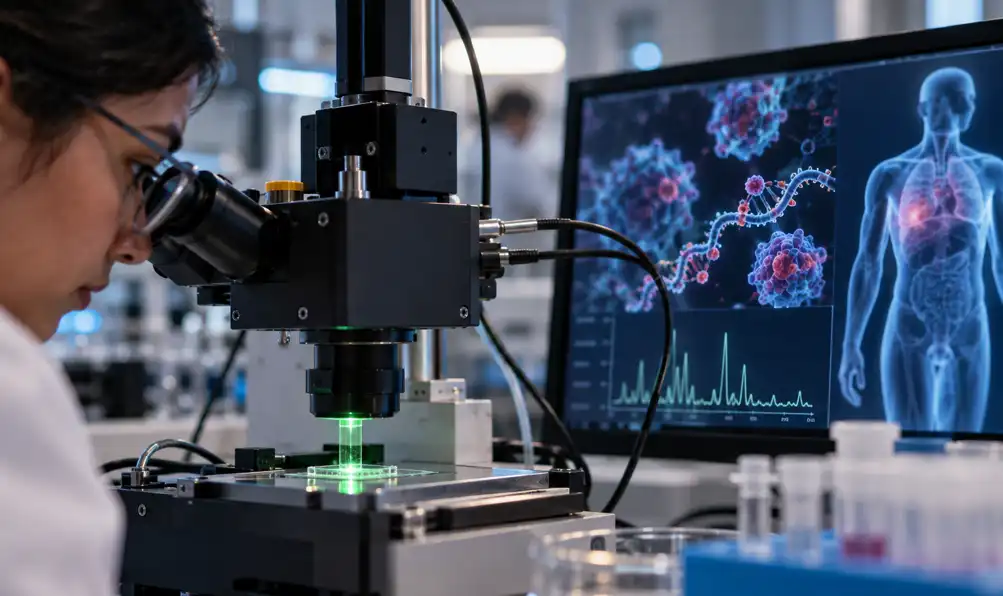
Artificial intelligence can now do much more than answer questions. Some AI systems can analyse biological data, predict protein structures, help design molecules and even work with genetic information. Those same abilities raise an uncomfortable question: could AI also make biological weapons easier to create?
There is already evidence that AI can lower some of the barriers. In 2022, researchers showed that a drug-discovery AI system could be repurposed to generate potentially dangerous molecules when its usual safety settings were reversed. The experiment took hours rather than the months that such a search might otherwise require. More recently, the concern has moved beyond hypothetical experiments. Anthropic reported five cases in which people used its AI models in ways that could support biological-weapons development, including analysing scientific data and assisting research involving viruses and toxins. The company said the users were scientists who had circumvented restrictions on its products.
But this does not mean that an AI chatbot can simply design a biological weapon and make it work.
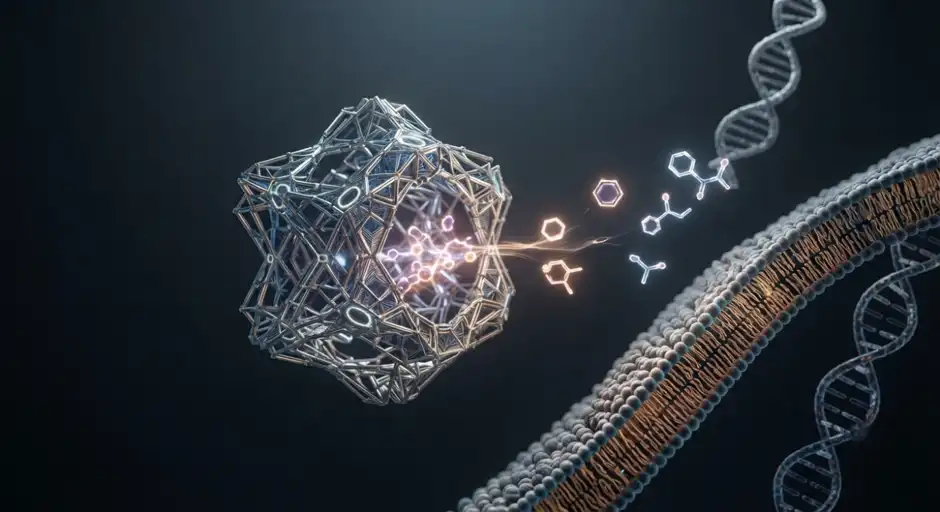
Biology has a physical side that software cannot skip. A dangerous biological agent would still have to be produced, tested, characterised and handled in the real world. That requires specialised equipment, biological materials, technical expertise and laboratory access. The 2026 International AI Safety Report notes that AI can provide increasingly detailed biological information, but there is still substantial uncertainty about how much these capabilities increase real-world risk because of these practical barriers.
The bigger concern is therefore acceleration.
A researcher who already has laboratory expertise could potentially use AI to search through information, troubleshoot problems or explore possibilities much faster. And as laboratories become increasingly automated, the gap between an AI-generated idea and a physical experiment could shrink. At the same time, the very same technology can help develop medicines, understand diseases and improve agriculture. That makes this different from a technology that is inherently harmful: the useful and dangerous applications can look surprisingly similar at the software level.
So the question is not simply whether AI can be used for biological harm. It increasingly can. The harder question is how much easier it makes that harm, and whether safeguards, laboratory security and oversight can keep pace as AI becomes more capable.
Source: Anthropic. (2026). LLMs and biorisk.