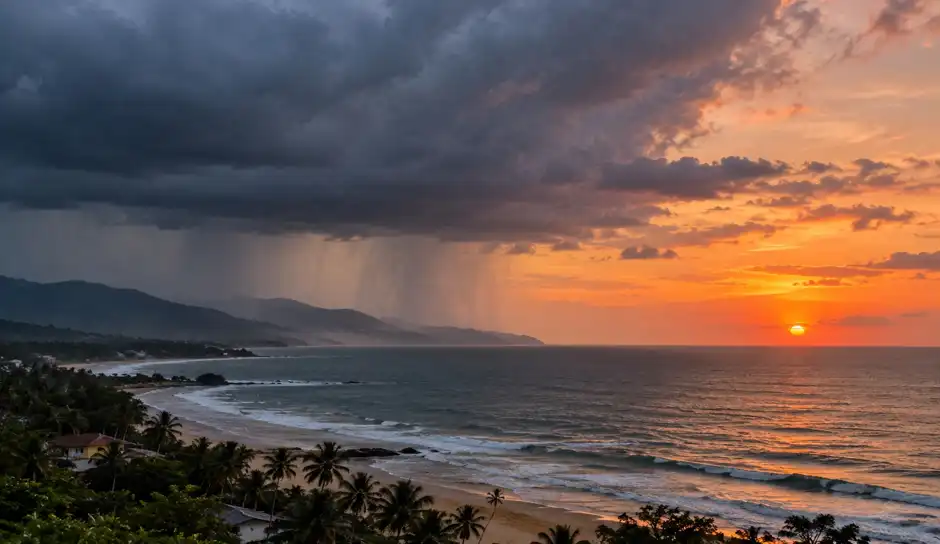
The tropical Pacific Ocean is heating up—and scientists are watching closely. In 2026, a rapidly strengthening El Niño is developing across the central and eastern Pacific, with forecasts suggesting it could become one of the strongest events observed in the modern record. Although the term “Super El Niño” is widely being used in the media, the World Meteorological Organization (WMO) officially describes events using categories such as weak, moderate, strong and very strong.
El Niño is a naturally occurring climate pattern that develops when unusually warm surface waters spread across the central and eastern equatorial Pacific Ocean. This warming alters atmospheric circulation, shifting the location of rainfall and changing temperature patterns thousands of kilometres away. The result can be a global chain reaction affecting weather, agriculture, ecosystems and water resources.
According to the U.S. National Oceanic and Atmospheric Administration (NOAA), El Niño strengthened significantly during August 2026, with sea-surface temperatures in parts of the eastern equatorial Pacific more than 3°C above average. NOAA forecasts a greater than 90% chance of a very strong event during the Northern Hemisphere autumn and winter, while its October–December outlook gives a 75% chance of a historic event exceeding the strength of previous El Niños since 1950 under its relative oceanic index.
The WMO similarly expects El Niño to intensify and persist into early 2027. Its September outlook estimates the seasonal Niño 3.4 temperature anomaly could reach approximately 3.6°C during September–November, with the event potentially peaking around November and December.
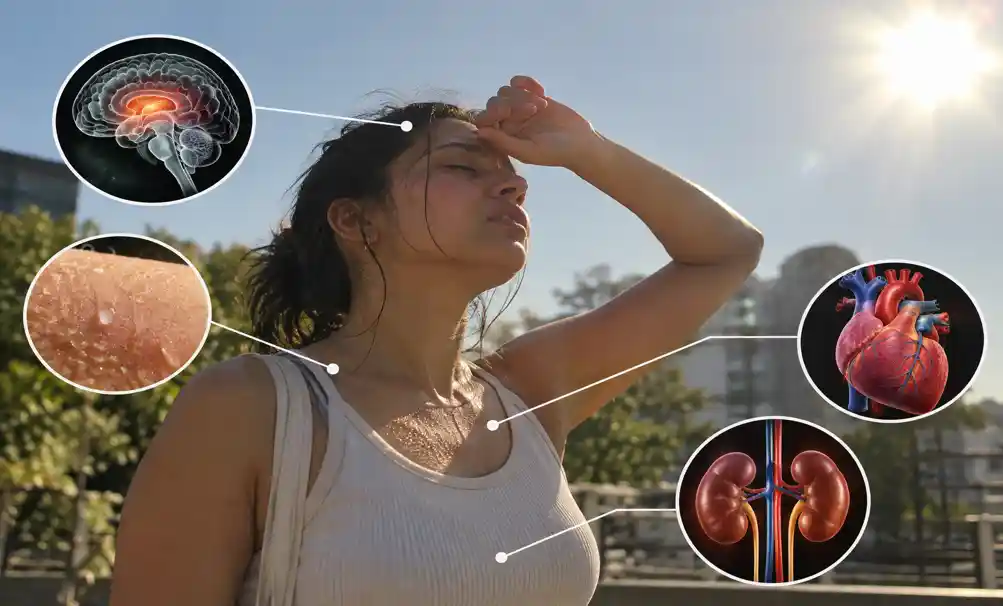
Why does this matter? Strong El Niño events can disrupt rainfall patterns around the world. Some regions may experience heavier-than-normal rainfall and flooding, while others face increased risks of drought and heat. The developing 2026 event is also occurring alongside exceptionally warm global oceans and a possible positive Indian Ocean Dipole, which could further influence regional weather patterns.
For countries dependent on predictable rainfall, these changes can have major consequences. Agriculture, water supplies, fisheries and energy systems can all be affected when seasonal weather patterns shift unexpectedly. However, El Niño does not produce identical effects everywhere, and the strength of an event alone cannot determine exactly how severe its impacts will be in a particular region.
Scientists will continue monitoring ocean temperatures, atmospheric circulation and rainfall as the event develops. The 2026 El Niño is therefore more than an unusually warm patch of ocean-it is a reminder of how closely connected Earth’s atmosphere and oceans are, and how a change thousands of kilometres away can influence weather across the planet.
Sources:
https://www.cpc.ncep.noaa.gov/products/predictions/90day/fxus05.html? https://wmo.int/resources/publication-series/el-ninola-nina-updates/august-2026?