An opinion piece for International Dog Day
There is a particular kind of quiet that settles over a house when a dog rests its head on your foot. It asks for nothing in that moment except to be near you. And if you have ever sat with a dog through a bad night: a diagnosis, a breakup, a loss you didn’t have words for yet, you already know something that researchers have only recently caught up to: dogs are not just pets. They are, in ways we are only beginning to fully understand, load-bearing walls in the architecture of human wellbeing.
Today, on International Dog Day, it is worth pausing to ask what exactly we owe the animal that has walked beside us for some fifteen thousand years; not out of sentimentality, but because the debt is larger than most of us admit, and the ways we’re failing to repay it are larger still.
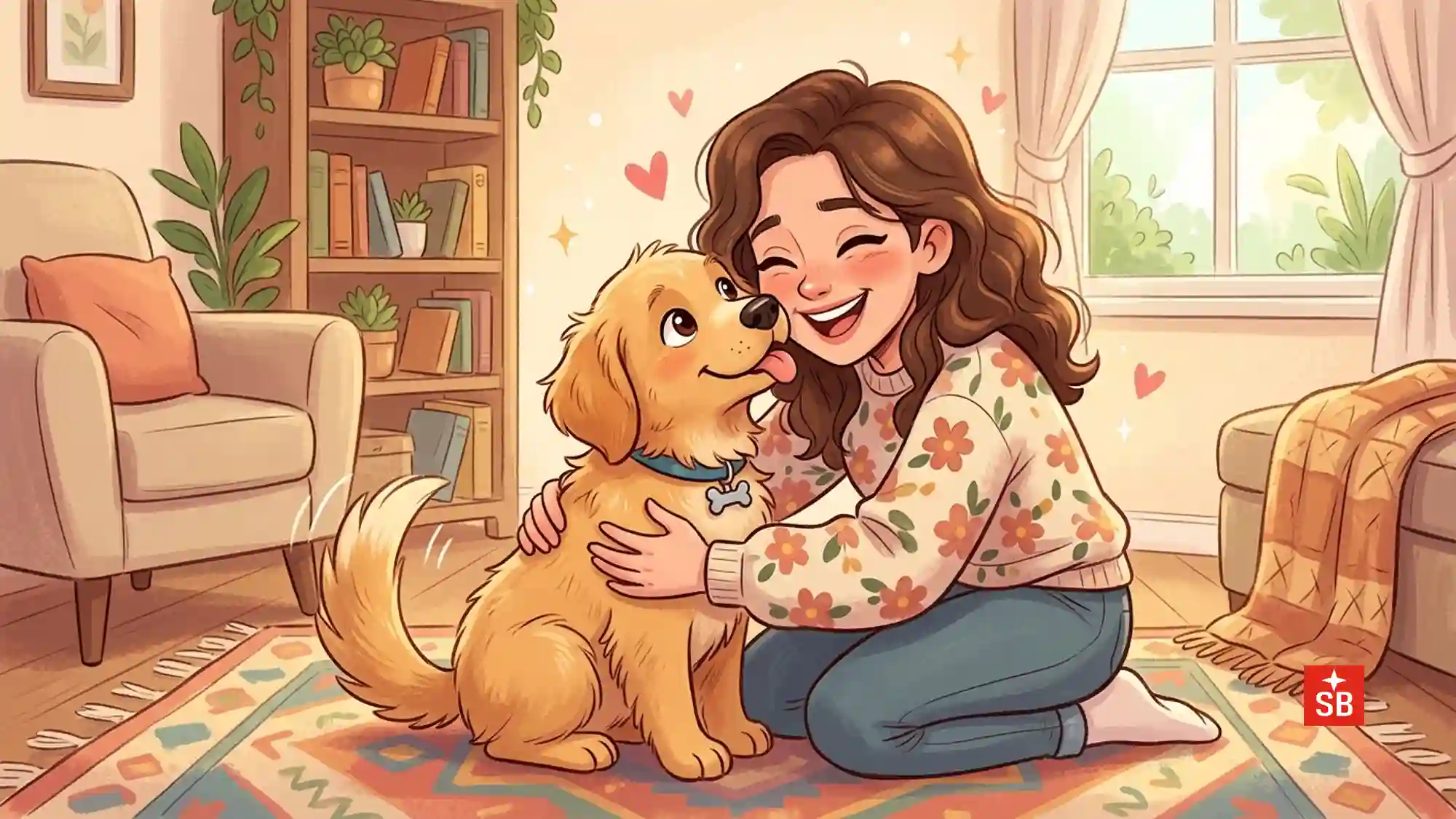
Start with what a dog actually does to the human nervous system. When you pet a dog, your body releases oxytocin, the same hormone that floods a mother holding her newborn, while cortisol, the stress hormone that keeps us wired and anxious, quietly recedes. This isn’t folklore; it’s measurable biology, and it happens in minutes. For someone living alone, for a widow adjusting to an empty house, for a teenager struggling with anxiety no one else has noticed, a dog can function as something between a medication and a friend, one that never runs out and never has an off day. Therapy dogs now walk the halls of hospitals, sit quietly in courtrooms with frightened witnesses, and comfort children in disaster shelters, not because it’s heartwarming, but because it demonstrably works.
There’s also the matter of purpose, which is a harder thing to manufacture than people realize. A dog needs to be walked, fed, and let out at more or less the same time every day, and that unglamorous routine turns out to be its own quiet therapy. People recovering from grief or depression often describe their dog as the reason they got out of bed on the mornings when nothing else could have moved them. And because dogs are almost supernaturally good at reading human emotion sensing a lowered voice, a held breath, a slumped shoulder: they tend to show up exactly when they’re needed, without being summoned. It’s not a coincidence that dog owners strike up conversations with strangers at parks with an ease that rarely happens anywhere else in public life. The dog is a bridge as much as a companion.
All of which makes it harder to excuse how carelessly this bond is sometimes treated. A dog is not a seasonal purchase or a decision made for a child who begged for one and lost interest by winter. The obligation that comes with a dog is not romantic, it is food and clean water and veterinary care handled consistently, not when convenient. It is enough exercise that a dog isn’t left to destroy furniture out of sheer restlessness, and enough mental engagement: a new trail, a training session, a puzzle toy, that boredom doesn’t curdle into anxiety. It is training built on patience and reward rather than fear, because a dog that is beaten into obedience is not loyal; it is simply afraid. And above all, it is permanence. A dog does not understand “we’re moving” or “the baby needs more attention” or “we’re not in the mood anymore.” Abandonment, to a dog, is simply betrayal, and shelters worldwide are full of animals still waiting to understand what they did wrong.
That failure of commitment, multiplied across millions of households, is a large part of why the stray dog crisis exists at all. Walk through nearly any city in the developing world and you’ll see it: dogs navigating traffic, scavenging at dumps, breeding uncontrolled, occasionally biting out of fear or hunger, and paying for all of it with a life that is usually short and often brutal. The instinct in many communities is to treat this as a problem to be removed through culling, through neglect, through simply looking away. It rarely works, and it is not the compassionate answer, or even the effective one.
What actually works is less dramatic but far more humane: sustained sterilization and vaccination campaigns, the kind aid organizations call Trap-Neuter-Vaccinate-Release, which stabilize and gradually shrink stray populations without violence, while also curbing the rabies outbreaks that make strays dangerous to begin with. It works when local shelters have enough donors and volunteers to keep their doors open. It works when people choose to adopt a mixed-breed shelter dog instead of paying a breeder, starving out the market that fuels backyard breeding and abandonment in the first place. It works when a stray with a limp or an infected wound is not simply stepped around but reported to a local rescue that can actually help. None of this requires heroism. It requires the ordinary decision, made often enough by enough people, to treat a stray as a life still worth saving rather than a nuisance to be avoided.
It is easy, on a day named for dogs, to post a photo of a beloved pet and call it a celebration. But the more honest tribute is less photogenic: it’s asking whether the dog asleep at your feet is getting what it actually needs, and whether the dog with no home at all is being met with cruelty, indifference, or the kind of quiet, unglamorous care that could change its life. Dogs gave us companionship, protection, and, as it turns out, measurable psychological relief, long before we understood how or why. The least we owe them in return is to stop treating that gift as something we’re entitled to and start treating it as something we’re responsible for.