Have you wondered what and how astronauts eat in space? Have you wondered how scientists deal with cookie cravings in zero gravity? Here’s the thing nobody tells you about the challenges with baking cookies in space: a stray cookie crumb isn’t just messy; it’s a hazard. In microgravity, crumbs don’t fall, they float. They drift into air vents, settle on delicate electronics, and can even become a fire risk if they land somewhere they shouldn’t. This is exactly why classic snacks like potato chips have essentially been banned from space menus for decades.
A team of scientists led by Dr Lahiru Jayakody at the Southern Illinois University funded by NASA and a National Science Foundation Faculty Early Career Development Program (CAREER), looked at a discarded plastic water bottle and asked, what if we just ate this? Turns out, they found a way. And it might be one of the strangest, smartest breakthroughs to come out of the Deep Space Food Challenge.
The omnipresent ingredient, PET (polyethylene terephthalate), the exact plastic your water bottle is made from, comes packed with carbon. And carbon is exactly what living cells need to grow. To convert this immortal plastic hazard into a palatable foodstuff, one first needs to “digest” the plastic. Under high heat and intense pressure, water and oxygen tear PET’s tough molecular chains apart, breaking it down into smaller, carbon-rich building blocks, essentially pre-chewing the plastic before anything living gets involved.
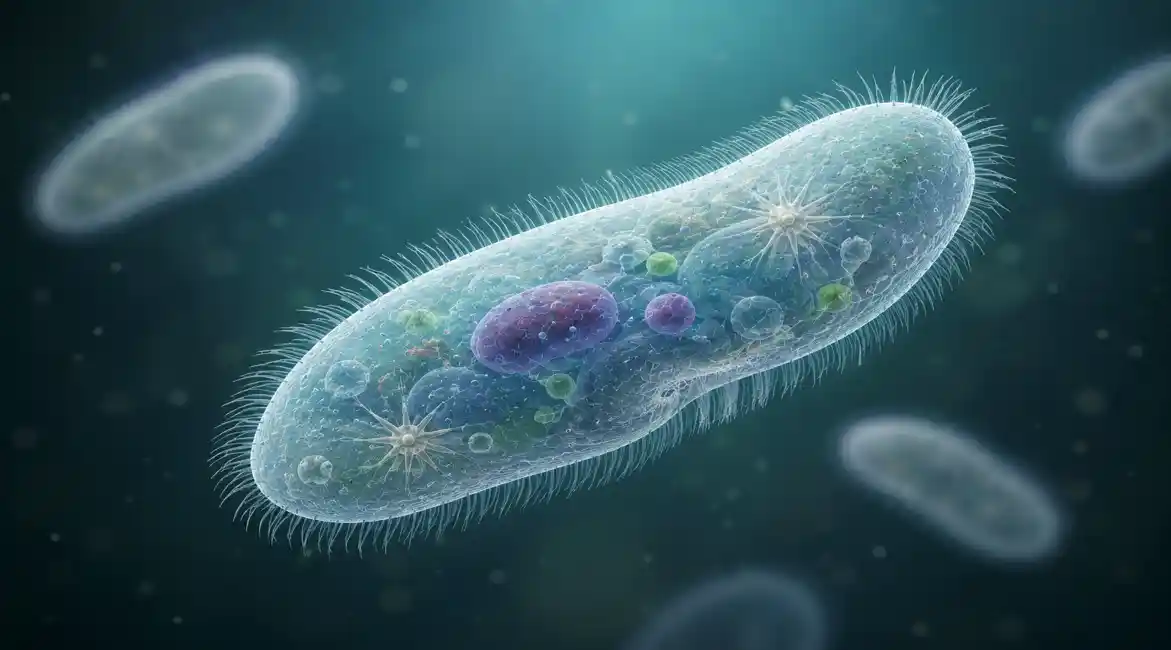
Those carbon fragments are then handed off to a genetically reprogrammed yeast that has been armed to treat plastic-derived molecules as a full-course meal, thus nibbling away plastic waste. Where normal yeast feasts on sugar, this strain has been rewired to metabolize the leftovers of a water bottle instead.
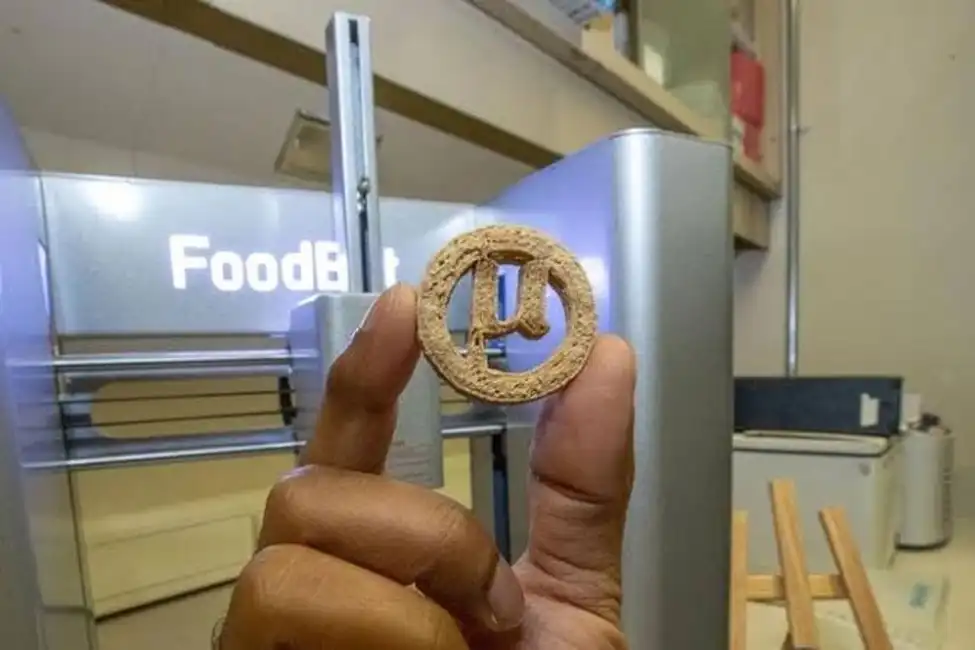
As it feeds, the yeast does what yeast does best: it grows, multiplies, and builds new biological material (proteins, fats, and other nutrients) entirely from what used to be trash. Mix that biomass with starch, shape it, and you get something that looks suspiciously like a cookie. A separate, cleverly engineered strain even produces natural vanilla flavoring from plant biomass, so the final product doesn’t just look edible, it tastes like something you’d actually want to eat.
Right now, these plastic-derived cookies cost about $60 a kilogram to produce, a steep price for a snack, admittedly. But this is an early-stage concept solving a problem nobody thought of. Researchers expect that as the yeast strains are optimized and production scales up, costs will fall dramatically, the same way early solar panels and lab-grown meat started expensive and got cheaper as the technology matured.
Why This Actually Matters
For astronauts on years-long missions to distant missions, every kilogram of cargo is precious, and resupply isn’t an option. Being able to convert waste plastic (such as packaging, bottles, equipment, etc.) into food could be a genuine survival technology, turning literal garbage into sustenance. However, the technology is pending imminent approvals for human testing and implementation, so, the concept becoming reality is a date unknown as of.