A family meal is usually a symbol of comfort, togetherness, and celebration. Yet, for some people, the same plate can become an unexpected biological battleground.
At a warm family dinner in Hyderabad, plates of steaming biryani rest on the table. The air is thick with the rich scent of fried onions and warm spices. Rahul takes one joyful, unsuspecting bite. Suddenly, within minutes, a quiet terror strikes. His throat tightens like a closing fist. His skin erupts in fierce, crimson hives. Gasping for air, his immune system wages an all-out civil war against a single innocent peanut hidden in the rice.
Across the table, Priya eats the same meal. But her struggle is different. An hour later, her stomach swells like a tragic balloon. She groans in agony, trapped in a relentless cycle of bloating and cramps because her gut lacks the tiny biological key to unlock the lactose in her after-dinner gulab jamun.

Two people can eat the same food and experience completely different biological stories. That is the irony of food reactions: the meal may be harmless to one person but troublesome, or even dangerous, to another.
This is the great, invisible drama of our bodies. We think of food as fuel. But sometimes, food becomes an imposter, triggering a catastrophic biological rebellion. We call these events food allergies and food intolerances. They sound the same, but they live in entirely different universes of horror.
The key difference is simple: a food allergy involves the immune system, while a food intolerance usually involves difficulty digesting or processing a particular food component. In other words, one is an immune alarm, while the other is more like a digestive traffic jam.
The Allergy: When Your Immune System Loses Its Mind
A food allergy is not a mere dislike. It is a full-scale, bloody crusade by your own white blood cells against a harmless protein.
The immune system is designed to protect the body from genuine threats such as harmful microbes. In a food allergy, however, the biological alarm system makes a serious mistake and treats a harmless food protein as an enemy.
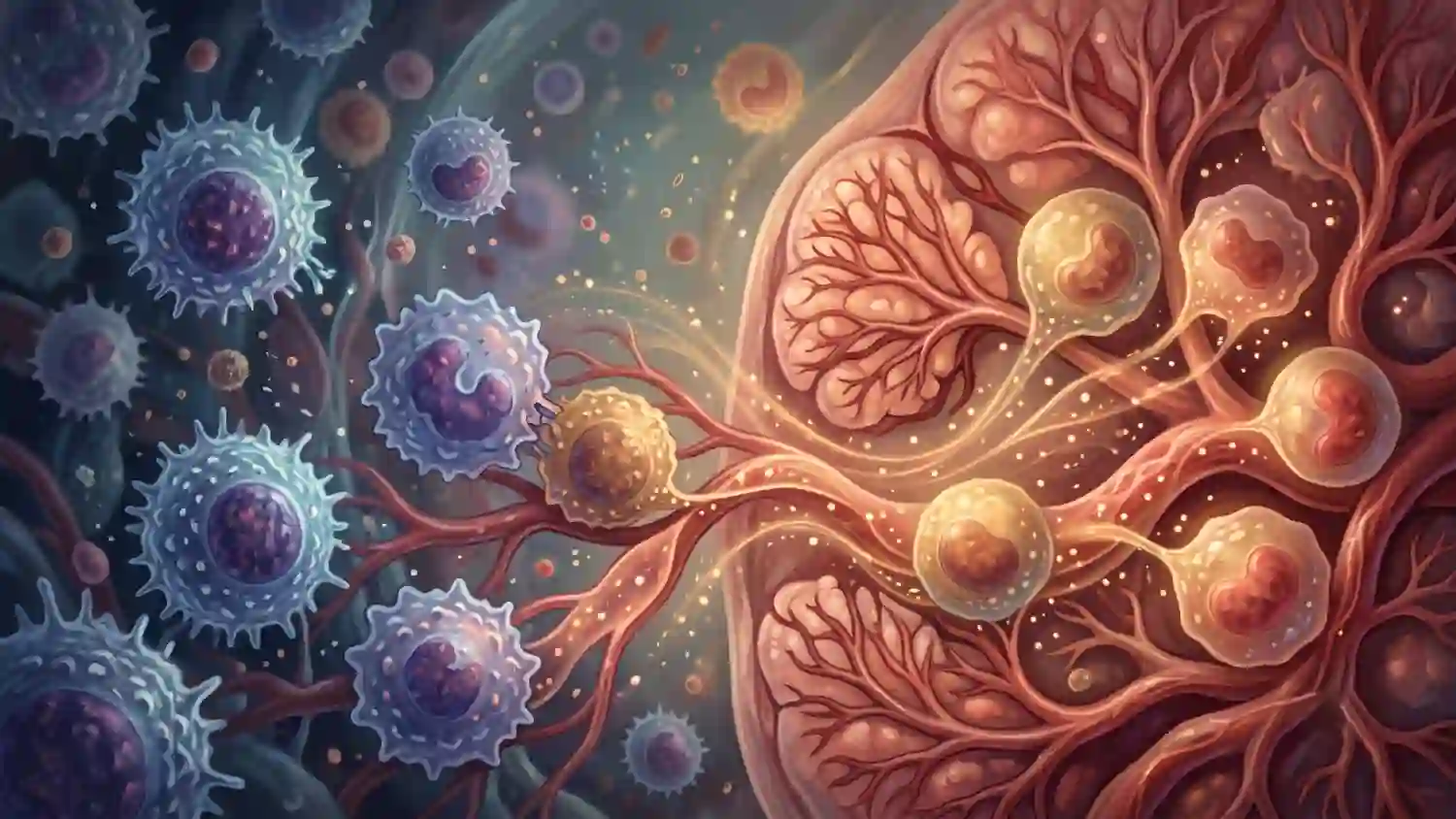
Here is the biochemistry of the nightmare. When Rahul first ate that peanut, his body made a tragic mistake. His immune system looked at a harmless peanut protein and screamed, “Biochemical invader! Sound the alarm!” It manufactured an army of Y-shaped defence weapons called IgE, Immunoglobulin E, antibodies. These antibodies attached themselves like microscopic landmines to mast cells, specialised security guards stationed in Rahul’s skin, gut, and lungs.
The body is, in effect, mistaking a dinner guest for an intruder. The defence system means well, but its response has gone badly off track.
Months later, the second fateful bite happens. The peanut protein sneaks past the lips, enters the bloodstream, and triggers the landmines. The IgE antibodies grab the protein. The mast cells panic. They burst open in a violent process called degranulation.
They dump a toxic tidal wave of histamine and cytokines into Rahul’s blood. Histamine is a mad dictator. It commands blood vessels to dilate and leak, dropping blood pressure into a dangerous tailspin. It tells smooth muscles in the airways to spasm and lock shut. Rahul is suffocating not because the peanut is poisonous, but because his body is executing a catastrophic, overzealous defence protocol against a ghost. This extreme drama is called anaphylaxis. It requires an emergency injection of adrenaline to stop the biochemical mutiny before the curtain falls for good.
Anaphylaxis is a medical emergency. The body’s protective system, which normally acts as a shield, suddenly becomes part of the danger. It is a powerful reminder that biology does not always follow the script we expect.
The Intolerance: A Quiet Rebellion in the Digestive Depths
Food intolerance, by contrast, is not an immune war. It is a pathetic supply-chain failure inside your plumbing.
Here, the problem is usually linked to digestion, absorption, or sensitivity to a particular food component. The symptoms can be uncomfortable and disruptive, but they are different from the immune reaction seen in a serious food allergy.
Consider Priya and her nemesis: milk. Inside the velvety walls of our small intestine sit millions of tiny cellular factories. Their sole job is to manufacture an enzyme called lactase. Lactase is a pair of biochemical scissors. When milk enters, lactase cuts the heavy sugar molecule lactose into two tiny, digestible pieces: glucose and galactose.
This is a neat example of biological teamwork. The enzyme acts like a tiny molecular tool, breaking a large molecule into smaller pieces that the body can absorb and use.
As Priya grew older, her internal DNA factory quietly turned down the lights and stopped making lactase scissors. When she eats that gulab jamun, the lactose arrives in her small intestine fully intact, like a giant boulder blocking a narrow road. Because there are no scissors to cut it, the lactose marches onward into the dark caverns of the large intestine.
There, trillions of resident gut bacteria throw a chaotic, unwanted party. They feast upon the stranded sugar. But as they digest it through fermentation, they release gases, hydrogen, methane, and carbon dioxide. Simultaneously, the unabsorbed lactose acts like a sponge, drawing water out of the body’s tissues and into the gut through osmosis. The result is churning, cramping, and a gaseous tempest. It hurts with the fury of a thousand storms, but Priya’s life is never in danger. Her immune system sleeps through the event. It is a mechanical disaster, not martial law.
The contrast is important. An allergy is an immune-system problem, while an intolerance is generally a digestion-related problem. The symptoms may sometimes look similar, but the biological machinery behind them is different. That is why knowing the difference matters.
The Shield of Survival / Preventive Measures
To survive this biological minefield, you must build an absolute fortress of prevention. The battlefield can be tamed, but only with ruthless vigilance and strategy.
For the Fatal Allergy
• Carry the Lifeline: Always keep an EpiPen, epinephrine auto-injector, within arm’s reach to stop anaphylaxis instantly.
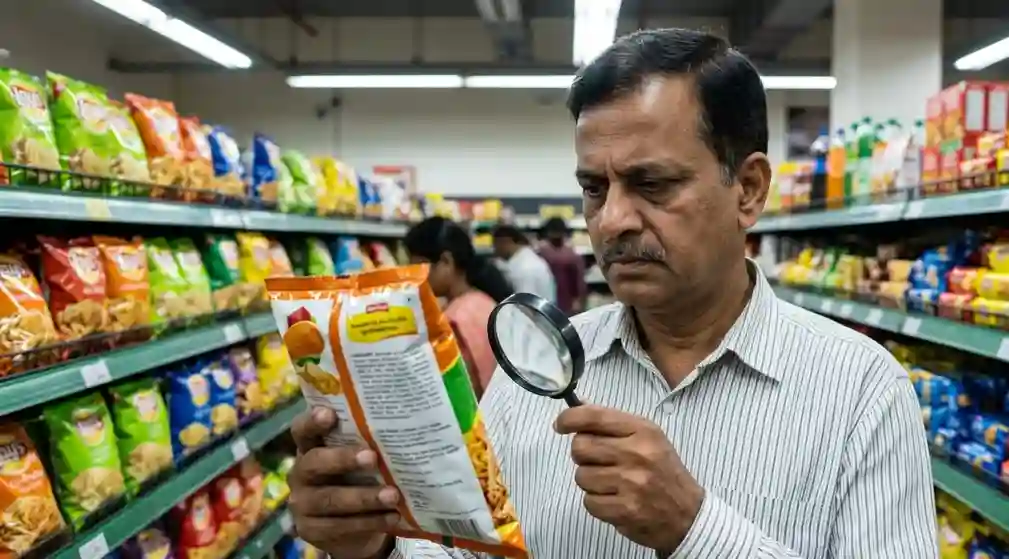
• Inspect Every Label: Read food packaging with hawk-like focus, tracking down hidden allergens like soy, nuts, or dairy.
• Interrogate the Chef: When dining out, explicitly inform restaurant staff about your condition to prevent lethal cross-contamination.
• Wear Medical IDs: Wear a medical alert bracelet so paramedics know your exact biological trigger if you lose consciousness.
Prevention is the first line of defence. A label may look like a small piece of packaging, but for someone with a serious allergy, it can carry life-saving information.
For the Punishing Intolerance
• Deploy Enzyme Substitutes: Take over-the-counter lactase enzyme drops or pills right before eating dairy to provide the missing scissors.
• Embrace Plant Alternatives: Switch to almond, soy, oat, or coconut milks to bypass the digestive roadblock entirely.
• Keep a Food Diary: Track everything you eat alongside your symptoms to identify exactly which ingredient is launching the attack.
• Test Smaller Portions: Introduce small, micro-amounts of the problem food to find your body’s specific threshold limit.
However, food intolerance does not mean that every person must completely abandon the suspected food. Tolerance can vary from person to person, and some people may handle small quantities without major symptoms. As the old saying goes, “Knowledge is power”, and understanding your own triggers can make everyday eating much easier.
Food may arrive on the plate looking innocent, colourful, and delicious, but inside the body, its journey can tell a very different story. For most people, digestion is a quiet orchestra in which enzymes, organs, and microbes work together. For someone with an allergy or intolerance, however, one wrong ingredient can change the entire tune.
The lesson is not to fear food, but to understand it. Allergies demand careful avoidance and emergency preparedness, while intolerances often require identifying triggers and managing digestion. When we know which biological battle is taking place, we can choose the right shield for the right fight.