Five very different diseases may share a hidden biological link
Five very different diseases may share a hidden biological link

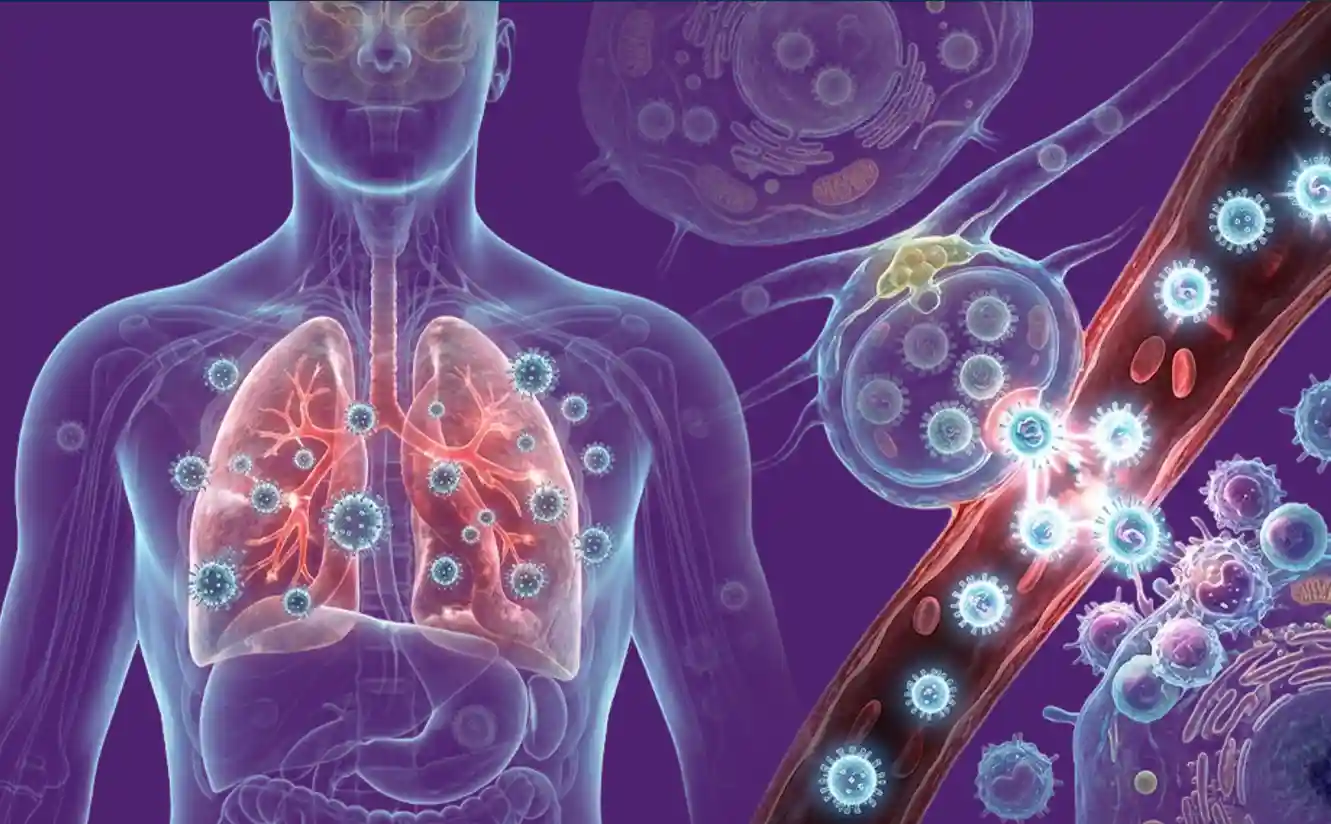
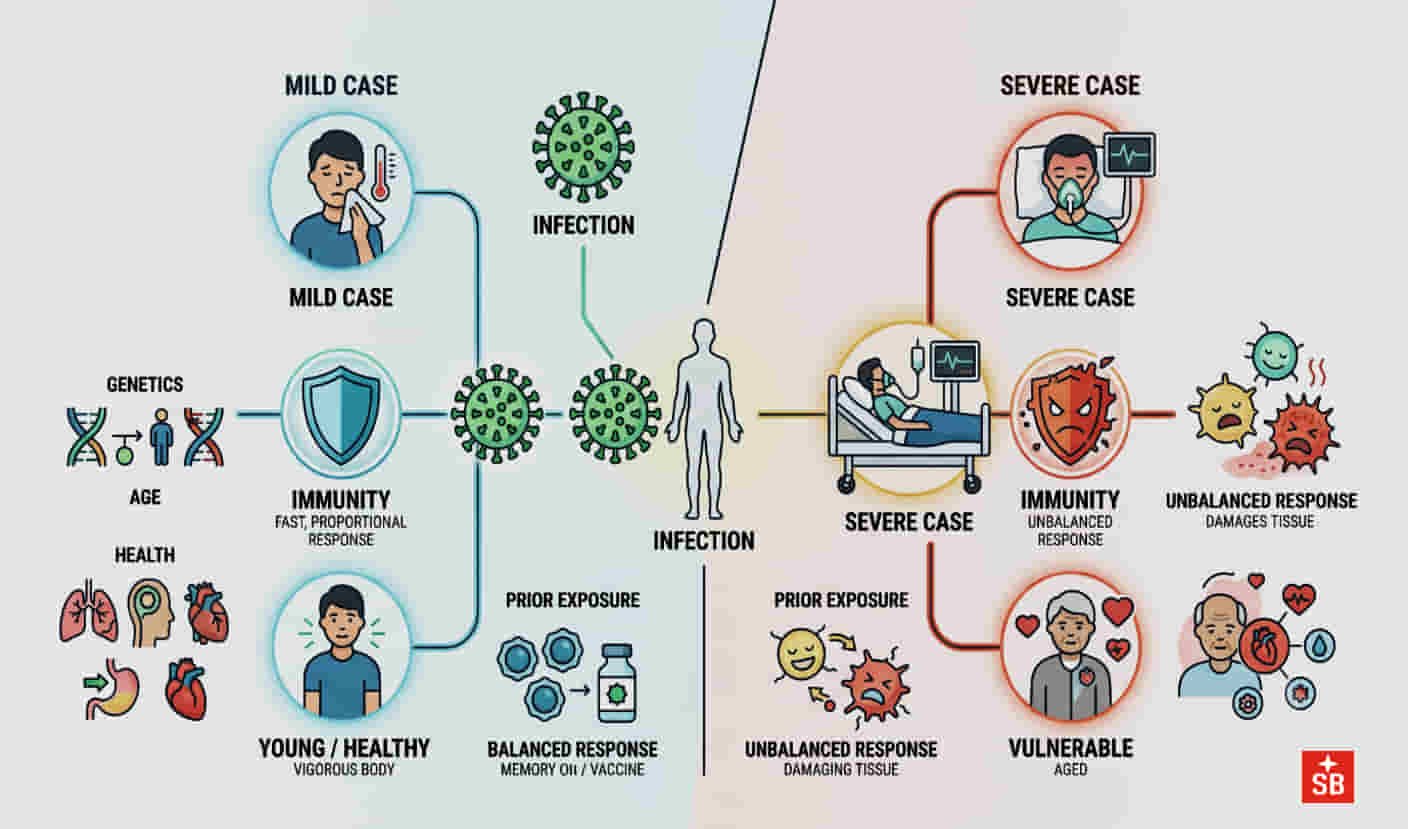
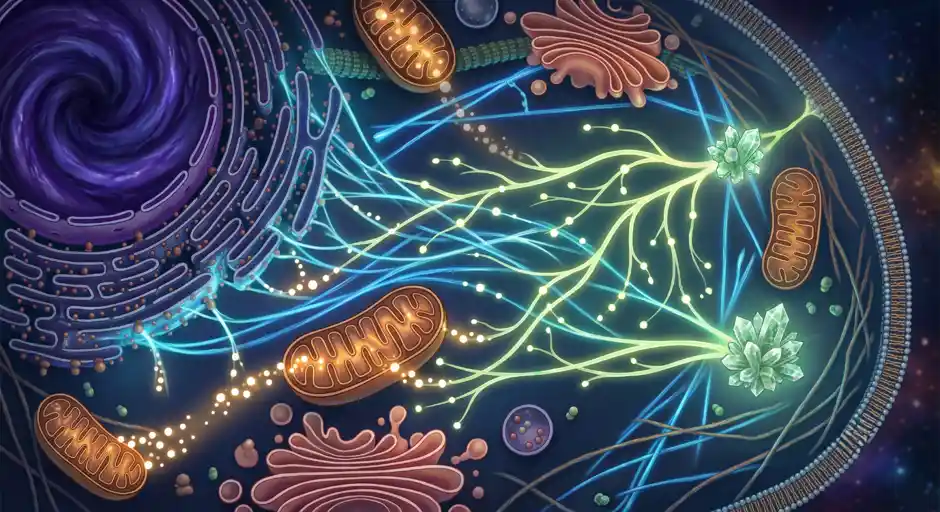
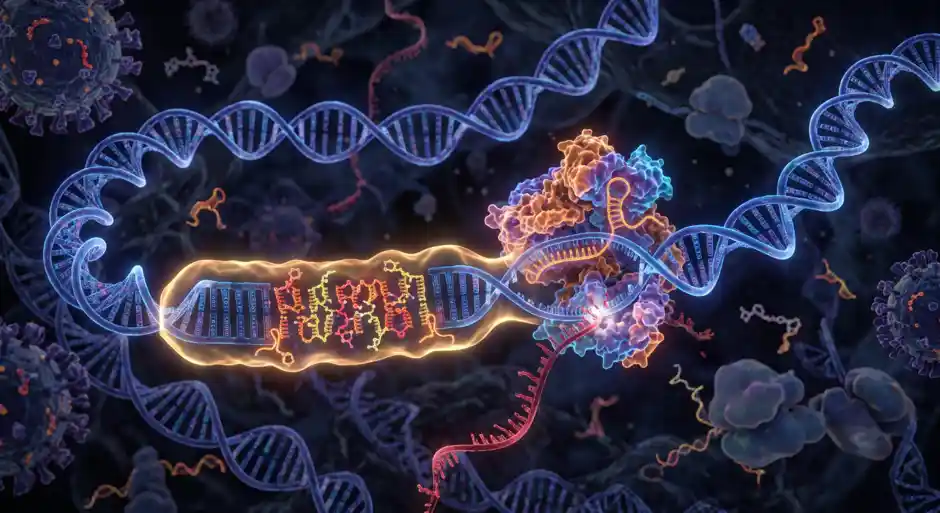
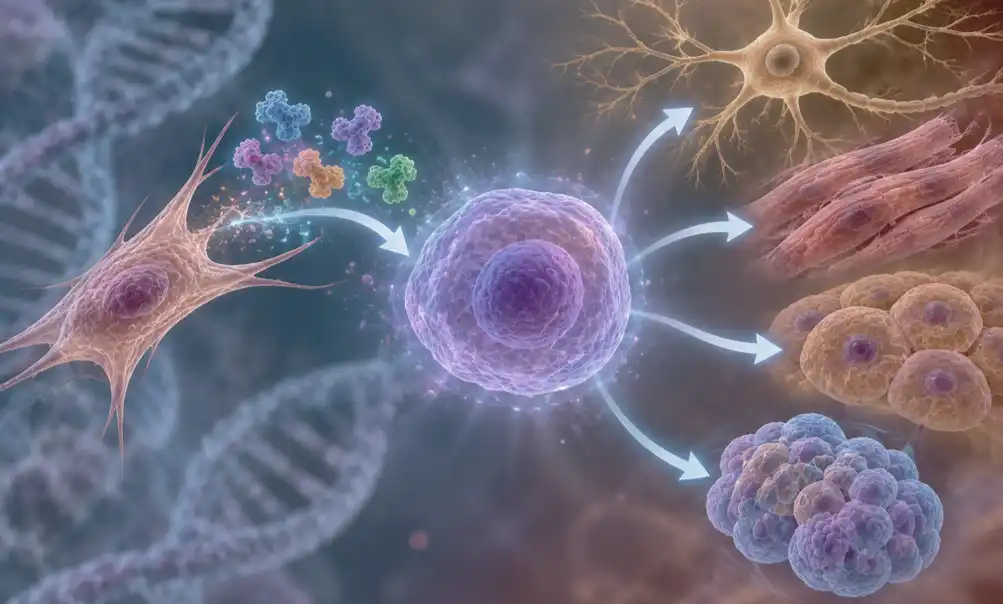
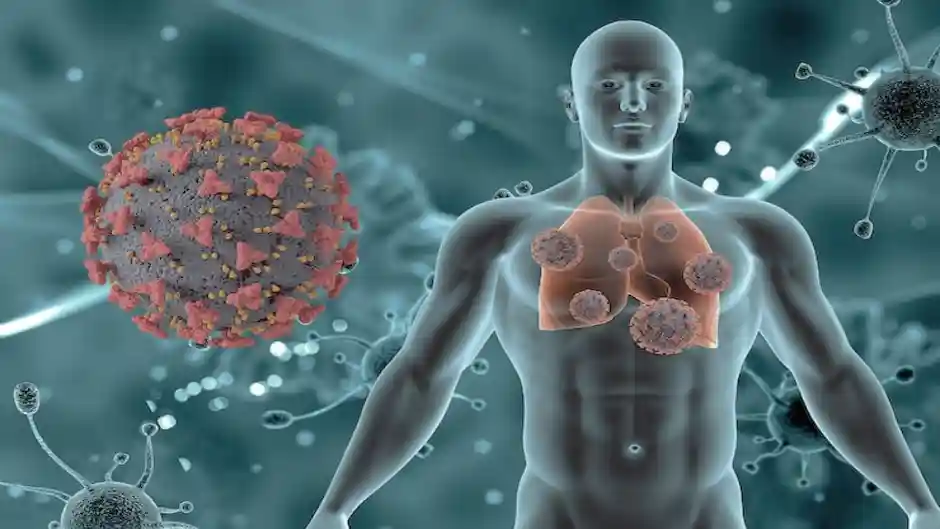
A study conducted by researchers at the University of East Anglia’s Norwich Medical School and biotechnology company Oxford BioDynamics investigated the biological mechanisms connecting five clinically distinct disorders: myalgic encephalomyelitis/chronic fatigue syndrome (ME/CFS), long COVID, post-traumatic stress disorder (PTSD), rheumatoid arthritis, and multiple sclerosis (MS). Traditionally, these conditions have been …
Read More

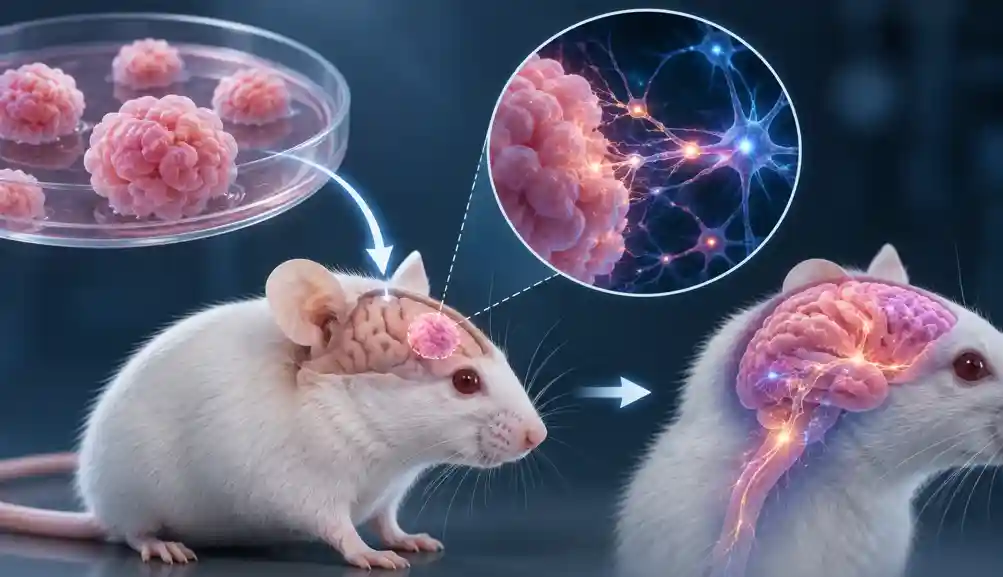
Human brain organoids in mice: A new model for studying human brain development and disease

Human brain organoids in mice: A new model for studying human brain development and disease

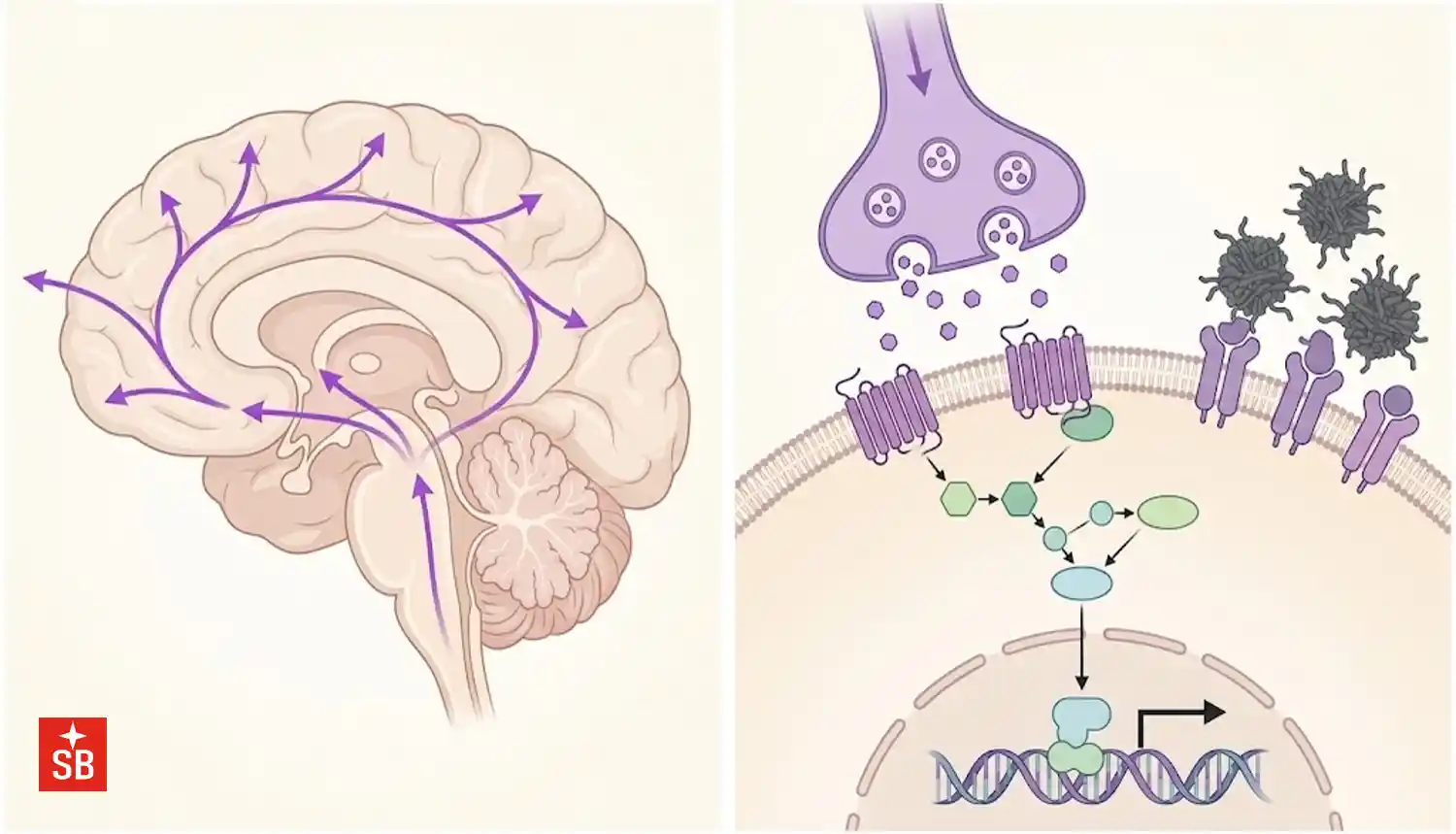
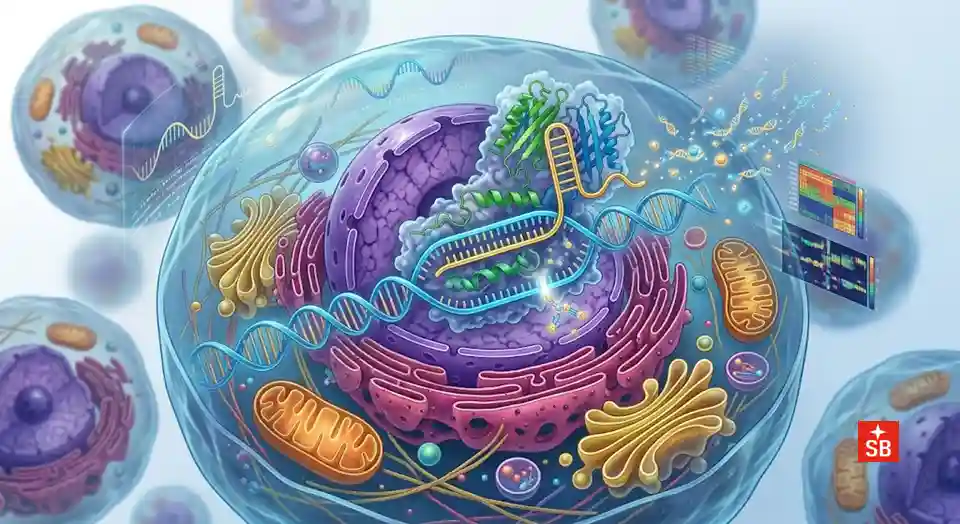
Scientists have now taken a remarkable step toward answering that question. Researchers at Stanford University transplanted human brain organoids miniature, lab-grown pieces of human cortical tissue into genetically engineered mice whose cerebral cortex was largely absent. Instead of simply surviving, the human tissue grew, matured and formed extensive connections with …

Read More

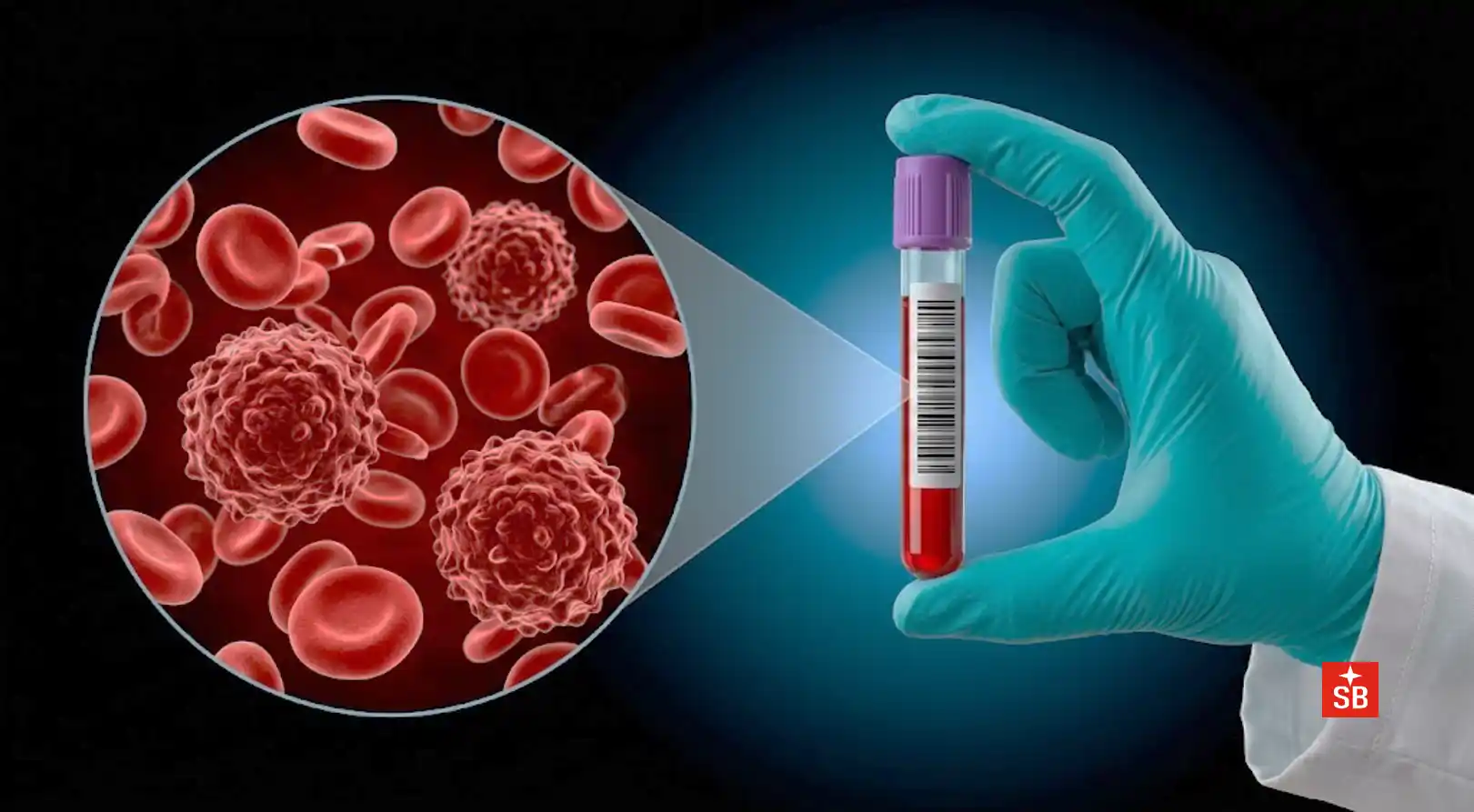
Liquid biopsy revolution: How multi-cancer early detection is rewriting oncology

How multi-cancer early detection is rewriting oncology

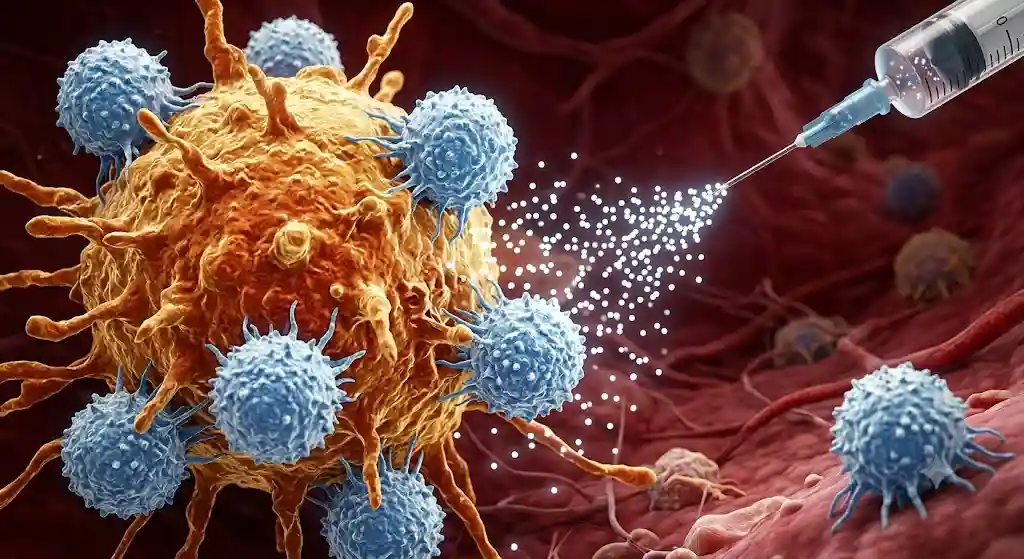
Imagine intercepting a malignant tumor months or even years before a single symptom manifests. A massive NHS clinical trial in the UK is currently evaluating a single-draw Multi-Cancer Early Detection (MCED) test that aims to shift cancer care from reactive treatment to preemptive interception. The Molecular Mechanism: Deciphering Epigenetic Fingerprints …

Read More

Why autoimmune is common in late age

Why autoimmune is common in late age

Aging is associated with a higher prevalence of autoantibodies and autoimmune conditions. As people age, immune tolerance may become less effective because of changes in T-cell and B-cell function, thymic involution, and reduced regulatory T-cell activity. These changes can contribute to the production of autoantibodies such as antinuclear antibodies (ANA), …

Read More

Genetic clues reveal how Malaria parasites are outsmarting front-line treatments

Genetic Clues Reveal How Malaria Parasites Are Outsmarting Front-Line Treatments

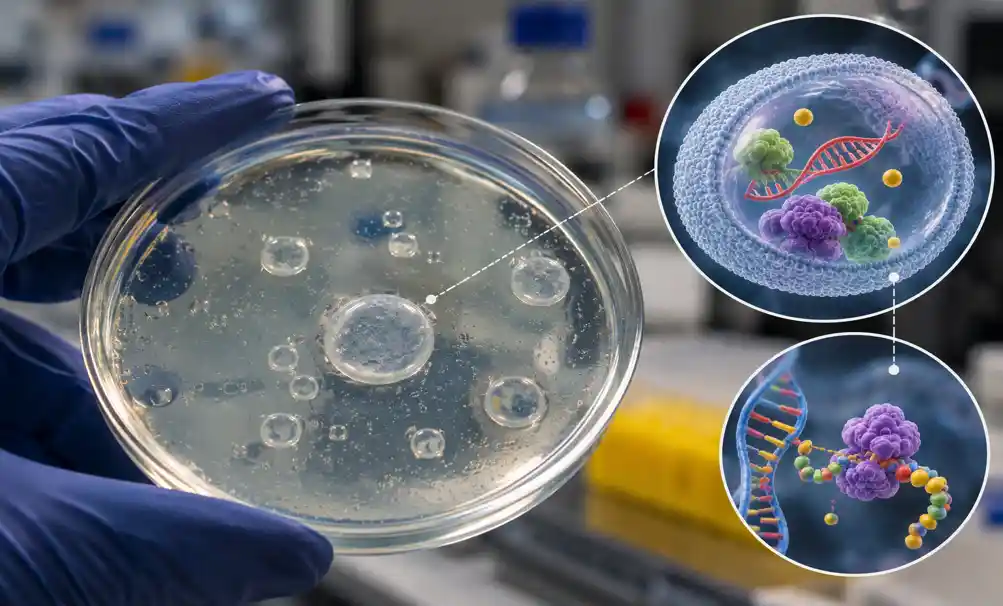
A team of researchers led by scientists at Brown University has identified new genetic mutations in malaria parasites that are linked to decreased susceptibility to standard antimalarial treatments. Published in Nature Medicine, the federally funded study analyzed whole-genome sequences of malaria parasites taken from the blood of hundreds of infected …

Read More

“Don’t Ignore Your Body”: 26-Year-Old’s Final Message Highlights the Importance of Early Melanoma Detection

Don’t Ignore Your Body

A heartbreaking story from Texas has become a powerful reminder of why early detection of skin cancer can save lives. Alondra Sierra, a 26-year-old melanoma awareness advocate, passed away after battling stage IV metastatic melanoma, but not before using her final months to educate thousands about the warning signs of …

Read More