
“I have a gut feeling about this.”
Most of us have said it at some point. Whether it’s deciding to trust someone, choosing between two options, or sensing that something isn’t quite right, intuition often seems to appear before we’ve had time to think things through. But is this simply a figure of speech, or could there be real biology behind it?
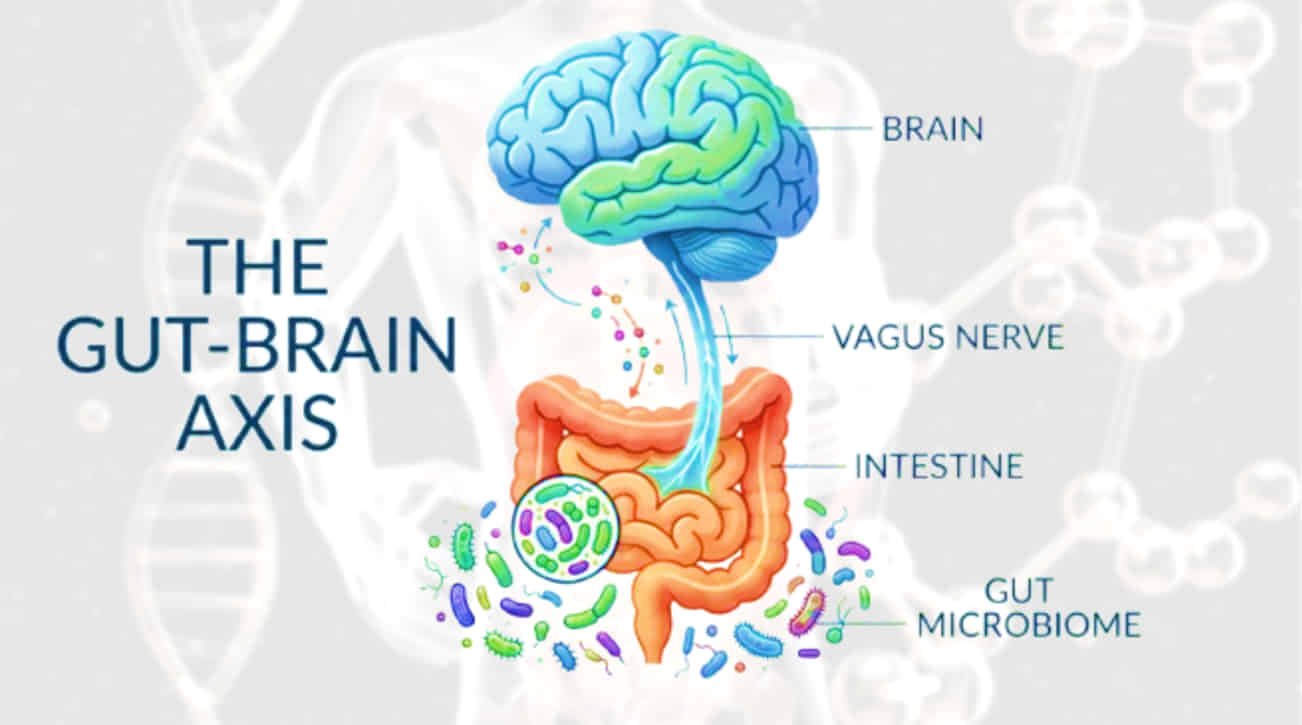
Scientists have discovered that our brain is in constant communication with our gut through what is known as the gut-brain axis. This communication happens through nerves, hormones, immune signals, and even the trillions of microorganisms that live in our digestive system, collectively called the gut microbiome.
The gut contains an extensive network of nerve cells, sometimes nicknamed the “second brain.” A key connection between the brain and the digestive system is the vagus nerve, which provides a direct communication channel to the stomach and intestines. While it doesn’t think or make decisions like the brain in our head, it constantly sends information about our body’s internal state. These signals can influence mood, stress levels, emotions, and even the way we process information.
Does this mean your gut is making decisions for you? Not quite. Intuition is shaped by many factors, including past experiences, memories, and unconscious pattern recognition carried out by the brain. The gut-brain axis is thought to be one piece of this puzzle, influencing how we feel and respond.
Researchers are still uncovering how these gut signals affect human behaviour. Although many questions remain, one thing is becoming increasingly clear: our digestive system does much more than digest food. It is an active communication partner with the brain, reminding us that the mind and body are far more connected than we once imagined.


