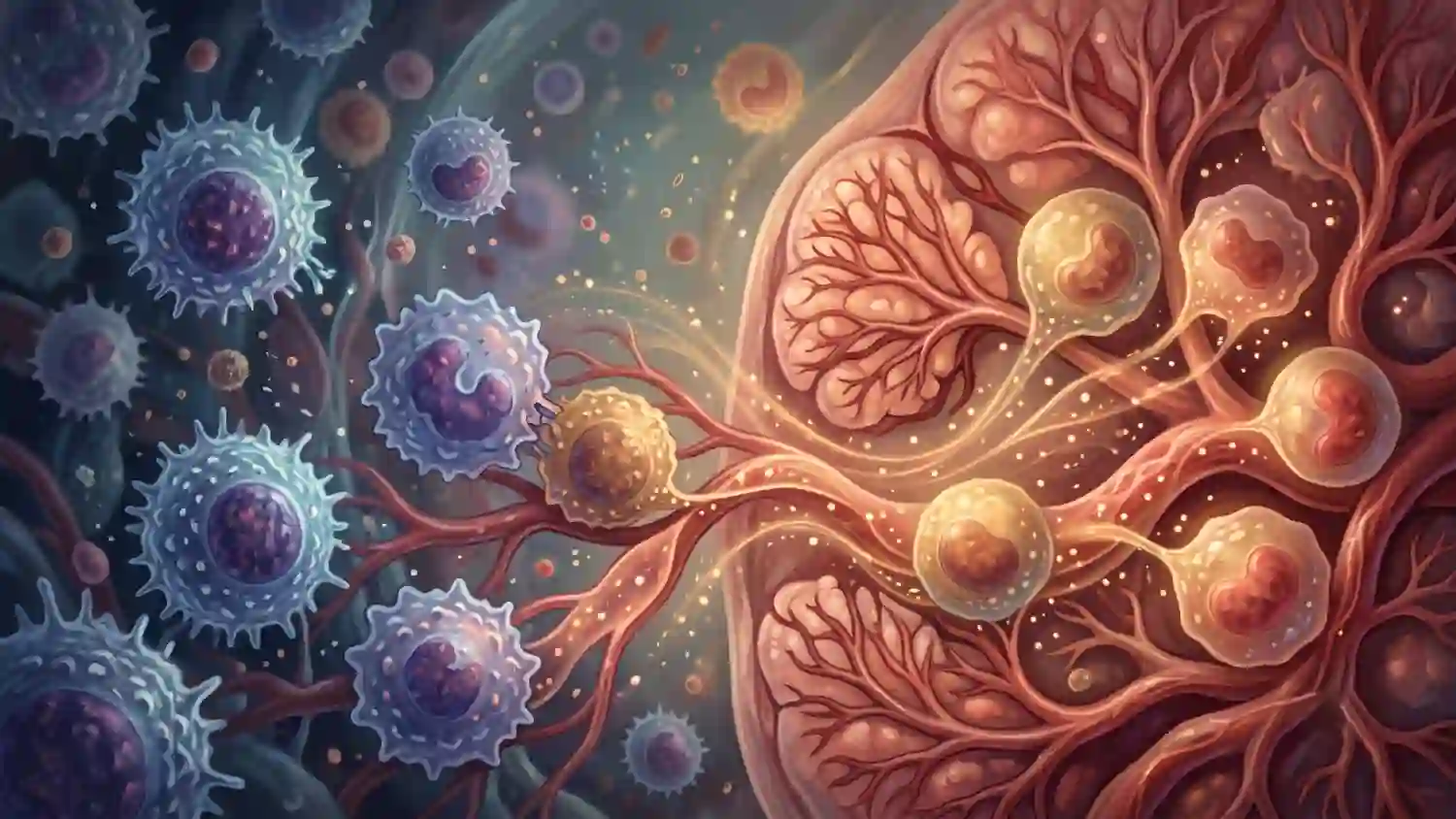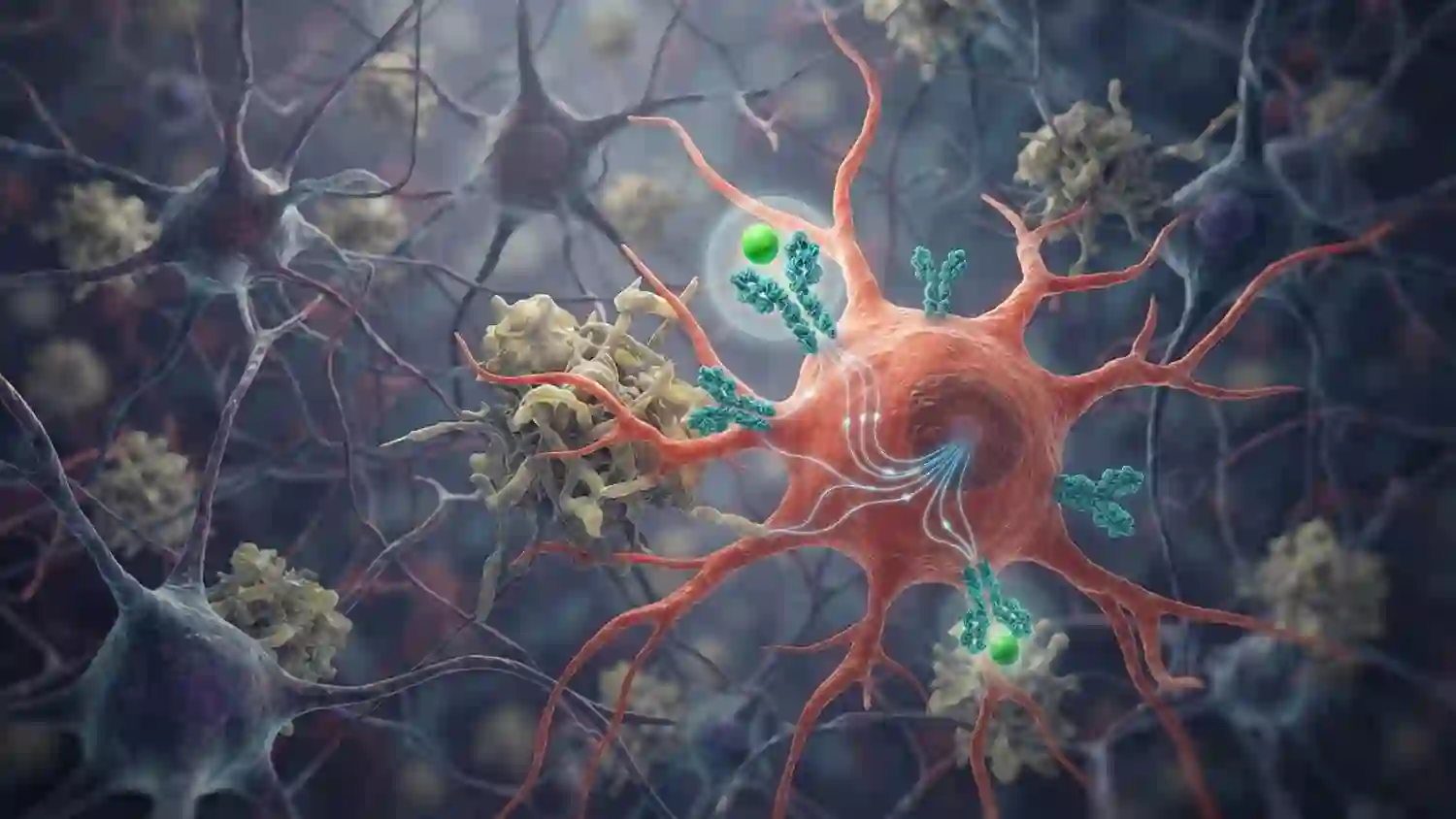
For nearly a century, our annual protection against the flu has relied on a surprisingly old-school process: hundreds of millions of fertilized chicken eggs, massive farm facilities, and a giant guessing game. Every spring, scientists look at global flu trends, make an educated guess about which strains will strike next winter, and start growing viruses inside egg yolks.
If the virus mutates while growing in those eggs-or if a surprise strain pops up mid-year the vaccine’s protection drops, leaving millions vulnerable.
That decades-old approach just hit a historic turning point.

The U.S. Food and Drug Administration (FDA) has approved **mFLUSIVA® (mRNA-1010), Moderna’s new influenza vaccine for adults aged 50 and older. It is the first-ever mRNA-based flu shot to get regulatory approval. Set to debut for the 2026–2027 respiratory season, mFLUSIVA shifts public health away from months of egg incubation and into the age of digital genetic design.
Why Chicken Eggs Were Holding Us Back
To understand why doctors and researchers are excited, it helps to look at how traditional flu shots work. Since the 1940s, standard manufacturing has required a six-to-eight-month runway:
1. Strain Selection:Health agencies pick three or four predicted flu strains half a year in advance.
2. Inoculation:Lab workers inject live virus strains into millions of fertilized hen eggs.
3. Incubation & Harvest: The virus replicates inside the egg white, is harvested, chemically inactivated, purified, and bottled into syringes.
This method saved countless lives over the last century, but it has two major flaws: time and egg adaptation.
Growing biological viruses takes months. If a new strain mutates in November, traditional factories cannot adapt in time for winter. Even worse, flu viruses often naturally adapt to live inside bird eggs, changing their shape slightly. By the time the shot reaches your arm, it might not match the wild flu virus spreading in your local community.
When that match fails, hospitals fill up-especially with older adults, who account for up to 85% of flu-related deaths each year.
How mRNA Works: Turning the Body into its Own Bio-Factory
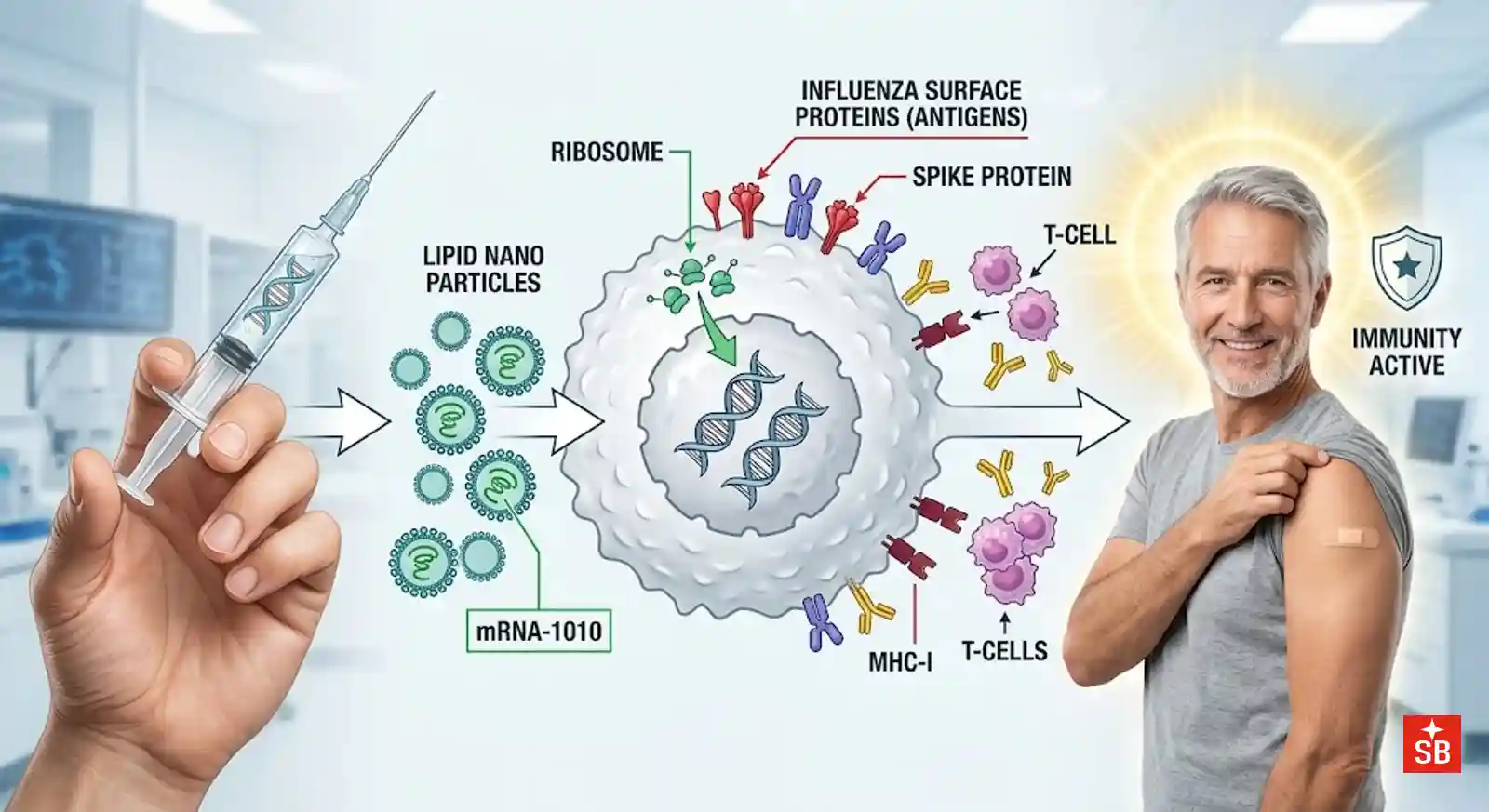
Instead of growing weakened pathogens in a farm facility over half a year, mRNA vaccines skip the middleman entirely. They deliver a temporary genetic recipe directly to your cells, letting your body make its own harmless target proteins to train your immune system.
When technical precision is required under the hood, the molecular biology breaks down into four clear steps:
1. Hemagglutinin (HA) Sequencing: Scientists isolate the genetic code for hemagglutinin, the primary surface glycoprotein that the influenza virus uses to bind to host cell receptors.
2. Lipid Nanoparticle (LNP) Encapsulation: Because naked mRNA breaks down rapidly in the bloodstream, the fragile strand is wrapped in a protective lipid nanoparticle sphere.
3. Ribosomal Translation: Once injected, the lipid sphere fuses with human cell membranes, releasing the mRNA into the cytoplasm. Host cell ribosomes read the mRNA blueprint and translate it into target HA proteins.
4. Humoral and Cellular Immunity: The cell displays these surface antigens, triggering host immune recognition. B-cells generate high-affinity neutralizing antibodies, while T-cells build cellular memory-all without exposing the body to an active or whole pathogen.
Because synthesizing genetic code takes weeks rather than months, researchers can wait longer to see which flu strains are actually spreading before starting production. If a new strain emerges late in the season, scientists can update the digital sequence on a computer screen and print a modified batch in a fraction of the time.
What This Means for You
The FDA’s decision was supported by a unanimous vote from its advisory committee, confirming that mFLUSIVA’s benefits far outweigh its risks. In clinical trials, the shot prompted strong antibody responses against major Influenza A and B strains.
For patients, getting the shot won’t feel any different than before. The side effects mirror previous mRNA vaccines-a sore arm, mild fatigue, or a brief low-grade fever that disappears in a day or two.
Looking Ahead: The Future of Winter Vaccines
The arrival of mFLUSIVA is just step one. Now that mRNA flu technology has cleared regulatory approval, the ultimate goal of respiratory medicine is within reach: combination vaccines.
Instead of getting separate appointments every autumn, developers are working on single-dose shots that protect against COVID-19, Influenza, and RSV (Respiratory Syncytial Virus) all in one go. Beyond combination shots, the speed of mRNA is bringing researchers closer to a true universal flu vaccine -a shot that targets parts of the virus that never mutate, potentially giving multi-year protection against every strain at once.
We aren’t completely done with seasonal flu outbreaks yet, but the era of relying on hundreds of millions of chicken eggs to protect global health is officially coming to a close.
Reference:
- Moderna, Inc. (2026, August 5) IR Insights: Introducing mFLUSIVA – A Milestone for Moderna’s Respiratory Portfolio.URL: https://www.modernatx.com/ir-insights-mflusiva
- Moderna receives US FDA approval for influenza vaccine mFlusiva. News release. Moderna. August 5, 2026. https://feeds.issuerdirect.com/news-release.html?newsid=4801915282452025&symbol=MRNA.
- MFlusiva. Package insert. Moderna; 2026. Accessed August 6, 2026. https://static.modernatx.com/pm/6cef78f8-8dad-4fc9-83d5-d2fbb7cff867/fd4a111d-2fbe-443d-81c8-e4f40c85c7a8/fd4a111d-2fbe-443d-81c8-e4f40c85c7a8_viewable_rendition__v.pdf.