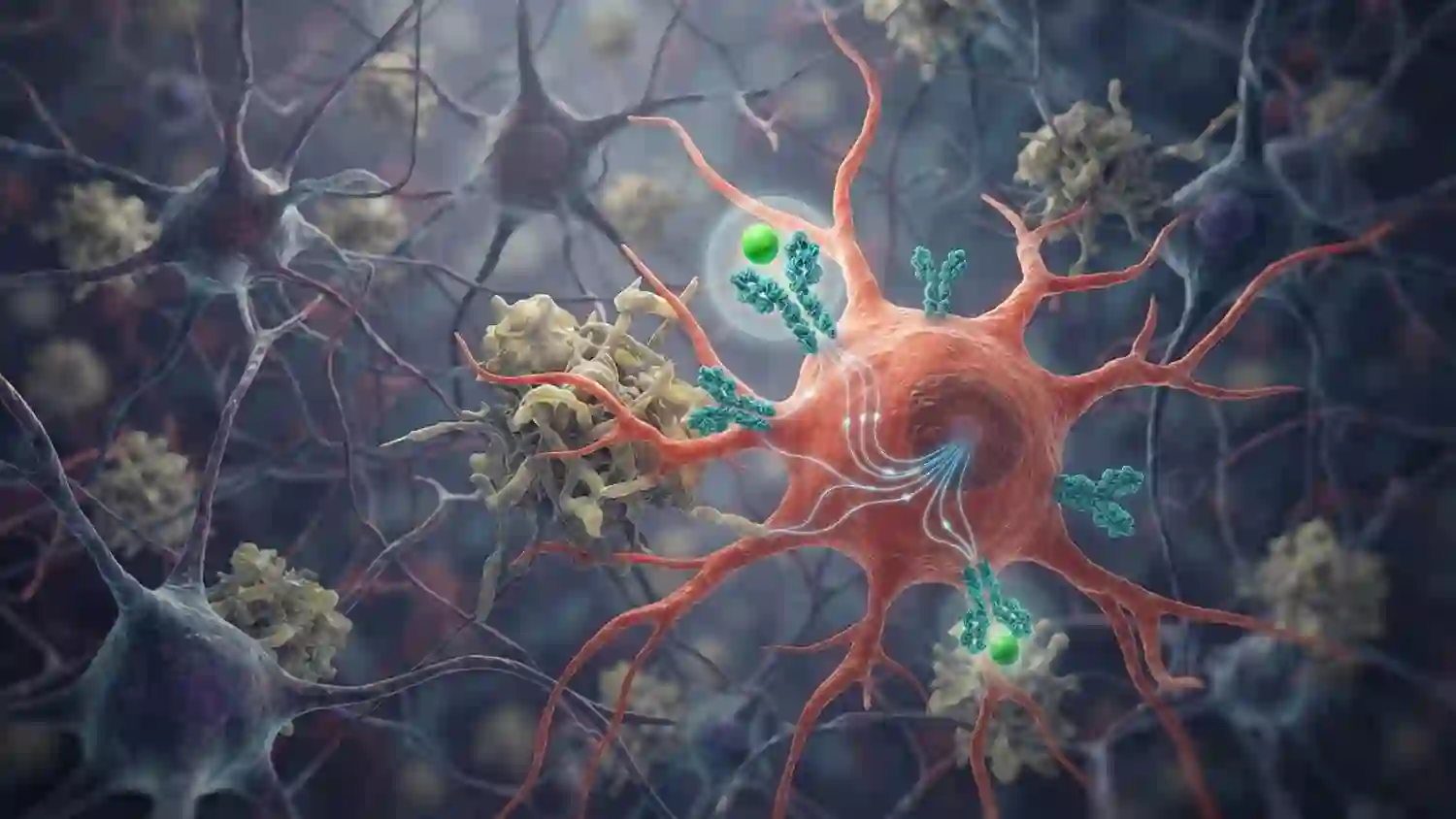
What if the urge to reach for a fatty food wasn’t controlled entirely by willpower, hunger, or even the food itself? What if part of the answer was hiding inside the tiny energy-producing structures of cells in your brain? A new study in mice has uncovered a surprising connection between mitochondria, appetite, and fat intake, pointing to a protein called OPA1 that may help the brain respond to dietary fat. To understand the finding, we first need to look at the brain’s appetite-control system. Deep inside the hypothalamus are specialised neurons containing a receptor called MC4R, which plays a major role in regulating food intake and energy balance. When MC4R signalling is activated, it generally suppresses appetite and helps maintain body weight. But these neurons need energy themselves to function. And that is where mitochondria enter the story.
Mitochondria are often called the cell’s powerhouses, but they do much more than produce ATP. They constantly change their shape through processes called fusion and fission, allowing cells to adapt their energy production to changing demands. OPA1 is one of the proteins responsible for mitochondrial fusion and for maintaining the internal structure of mitochondria. In the new study, researchers specifically removed OPA1 from MC4R neurons in mice to see what would happen.
The result was striking. Mice lacking OPA1 in these neurons gradually consumed more food and developed obesity. When given access to soybean oil alongside their normal diet, they consumed significantly more of the oil and gained more weight than control mice. The effect was particularly pronounced in females. Researchers also found that activation of MC4R still reduced food intake, but this appetite-suppressing response was weakened in female mice lacking OPA1.
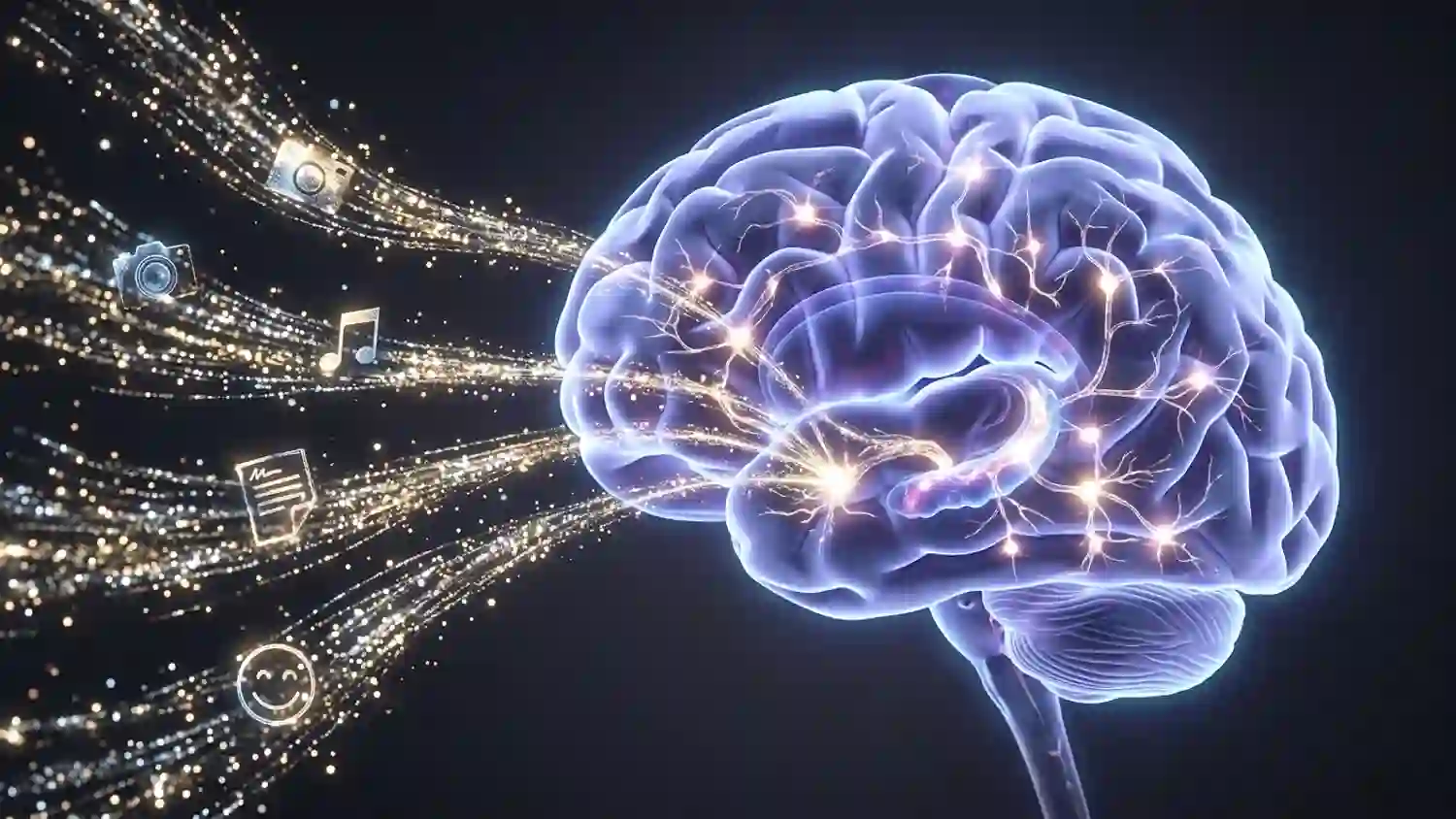
The study suggests that mitochondria inside appetite-regulating neurons may be more than cellular power plants. They may help those neurons interpret what we eat and adjust feeding behaviour accordingly. But this is still animal research, not evidence that OPA1 deficiency causes obesity in people. Much more work is needed to determine whether the same mechanism exists in humans. For now, the finding adds another layer to our understanding of obesity: sometimes, the biology of appetite may begin much deeper than the stomach, with the tiny mitochondria inside the brain cells deciding when enough is enough.
Sources