This sounds impossible. Our blood groups are one of the first things doctors need to consider before a transfusion because giving incompatible blood can trigger a dangerous immune reaction. In simple terms, blood is not a one-size-fits-all fluid. It is more like a carefully coded key, and the wrong key can set off the body’s immune alarm. But researchers in Japan are developing an artificial blood substitute designed to bypass this problem altogether. If successful, this could give emergency doctors another option when time is running out.
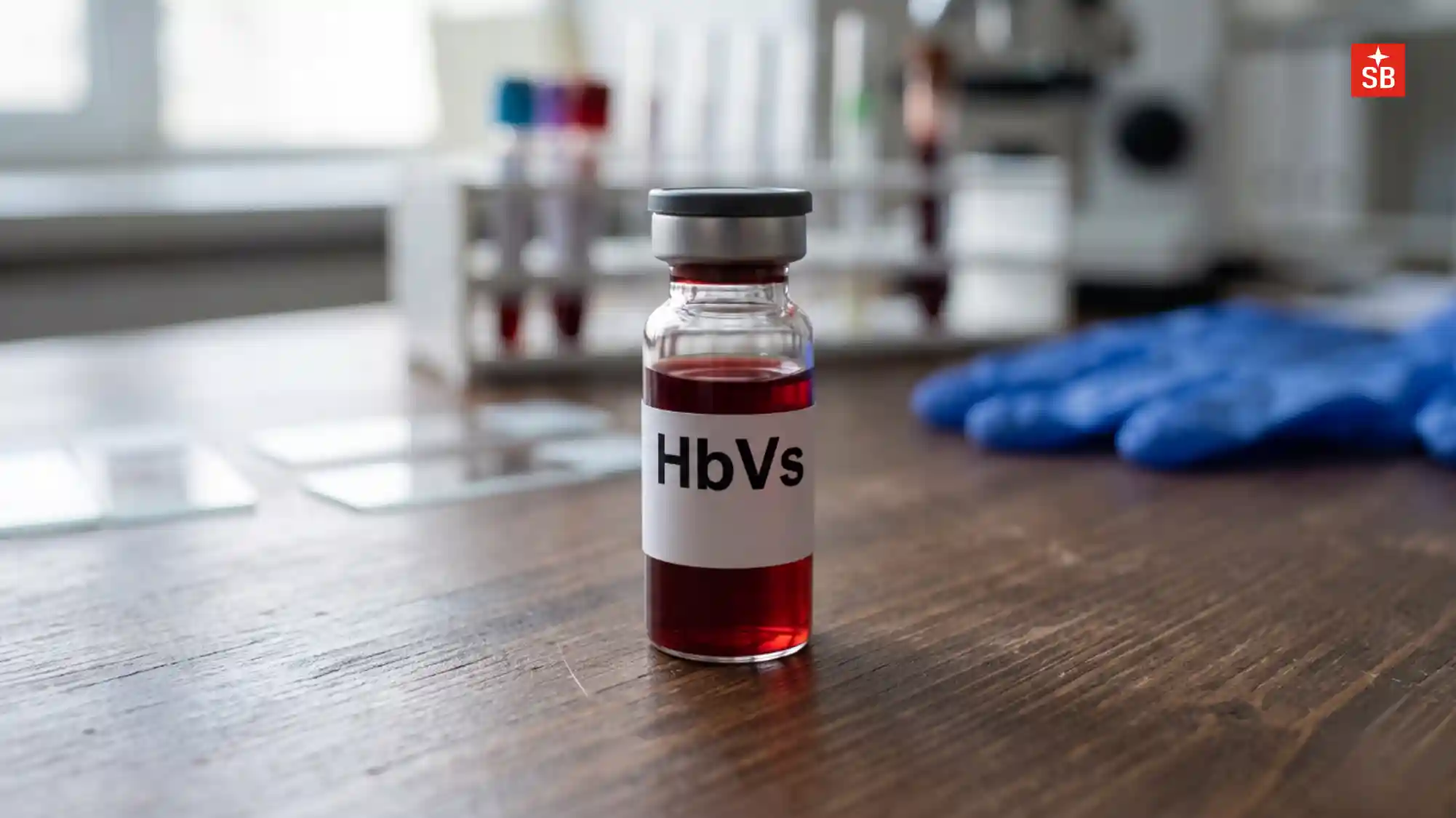
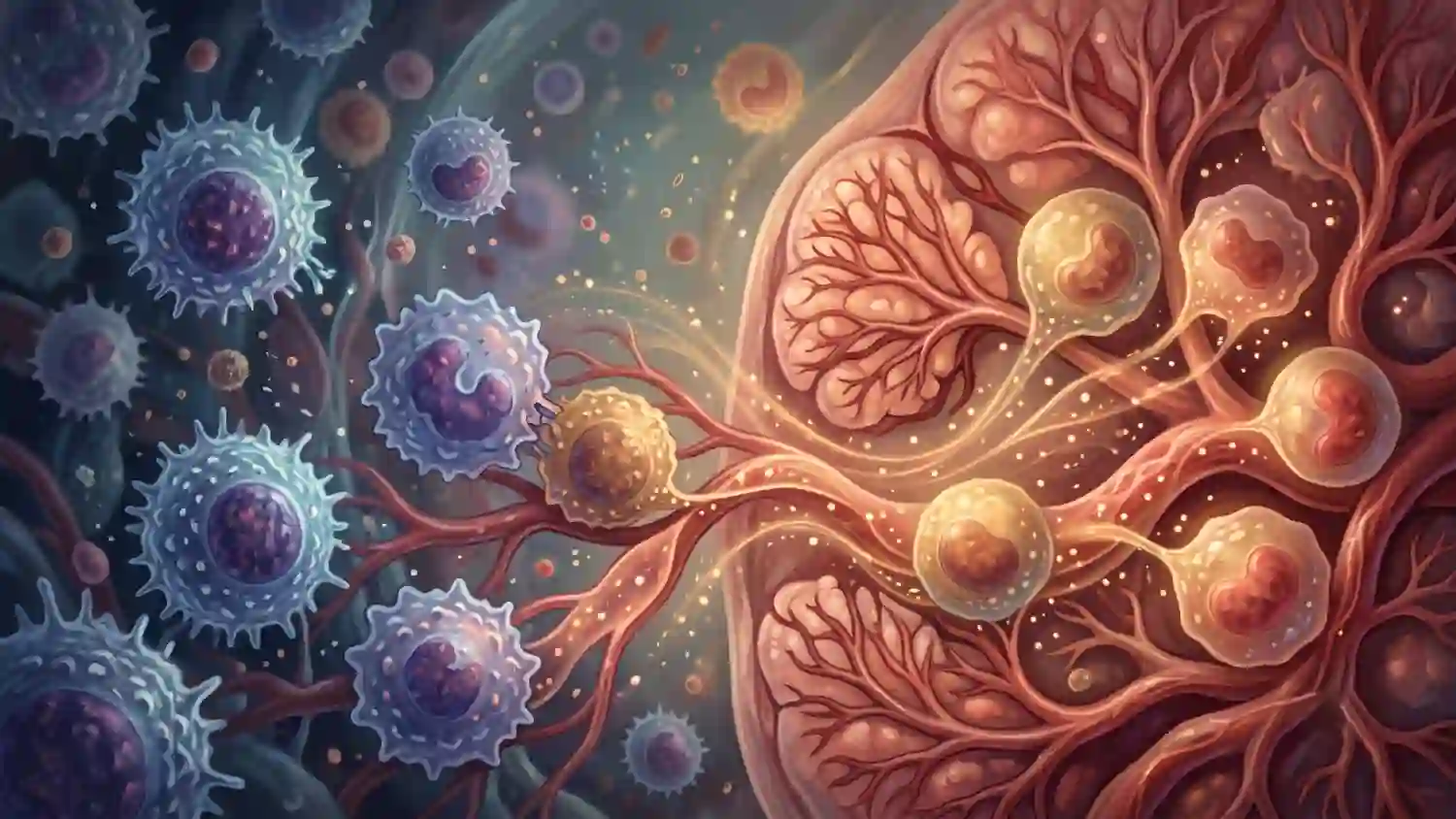
Haemoglobin vesicles, or HbVs, are artificial red blood cells designed to perform one of the most important jobs of real red blood cells, which is to carry oxygen. Instead of using an entire living cell, scientists take purified human haemoglobin, the protein responsible for carrying oxygen, and package it inside tiny lipid particles called liposomes. This design gives HbVs an unusual advantage. In simple terms, the researchers are putting the oxygen carrying machinery inside a tiny protective package, rather like placing a valuable delivery service inside a small sealed vehicle.
Normal red blood cells carry molecules called blood group antigens on their surfaces, which is why transfusions require compatible blood types. HbVs do not have these blood group antigens, making them blood type independent. In an emergency, this could potentially allow the same product to be administered without waiting for conventional blood group matching. Here, the usual blood type barrier may lose some of its power. The science is essentially trying to make oxygen delivery less dependent on the biological labels carried by red blood cells.

Storage is one of the major challenges that this technology is designed to address. Donated red blood cells have limited shelf lives and require controlled storage conditions. HbVs have demonstrated stability at room temperature for up to two years, making them potentially useful in ambulances, remote regions and disaster zones where maintaining conventional blood supplies can be difficult. That long shelf life could turn storage from a weak link into a useful strength. In places where blood banks are far away, a stable oxygen carrying substitute could become a valuable safety net.
However, this is not yet artificial blood sitting on hospital shelves. Japanese researchers are still testing whether the technology is safe and effective in humans. A Phase Ib clinical study is currently examining how the HbVs behave in healthy volunteers after infusion. This is where scientific optimism meets scientific caution. A promising laboratory result is only the beginning of the journey, because medicine follows a simple rule, first prove that it works, then prove that it is safe.
The goal is not necessarily to replace donated blood completely. Instead, HbVs could provide a temporary source of oxygen carrying capacity when conventional blood is unavailable or when there is no time to find a compatible supply. In this sense, HbVs could act like a bridge between danger and definitive treatment. They may not be the whole river of blood, but they could help patients cross a critical gap when conventional supplies are out of reach.
For emergency medicine, this could be a significant advantage. A technology that can be stored for long periods, does not depend on blood type and can rapidly deliver oxygen could give doctors another tool when every minute matters. In emergencies, time is not merely money, it can be life itself. Every minute saved can become a precious window for treatment.
This is not ready to replace the blood in our veins. But it could change what doctors have available when it is urgently out of reach. The irony is striking, something designed to imitate one of the body’s most familiar systems may work precisely because it leaves some of that system behind. As the old saying goes, “A stitch in time saves nine.” In emergency medicine, an available oxygen carrying substitute could similarly provide help before the conventional solution arrives.
The science behind HbVs also highlights an important principle of modern medicine, sometimes the best solution is not to copy nature perfectly, but to borrow one essential function and redesign it. Here, the essential job is oxygen transport. The tiny vesicle becomes a temporary courier, carrying oxygen through the bloodstream when the body’s usual delivery fleet cannot be used. It is a small package with a potentially huge responsibility.
For now, however, the story remains one of promise rather than proof. Researchers must establish safety, effectiveness and practical usefulness before HbVs can become part of routine emergency care. The road from laboratory bench to hospital bedside is long, but every carefully tested step can bring the idea closer to reality. If the technology succeeds, the future of emergency transfusion may not ask only, “What is your blood type?” It may also ask, “How quickly can we deliver oxygen when you need it most?”