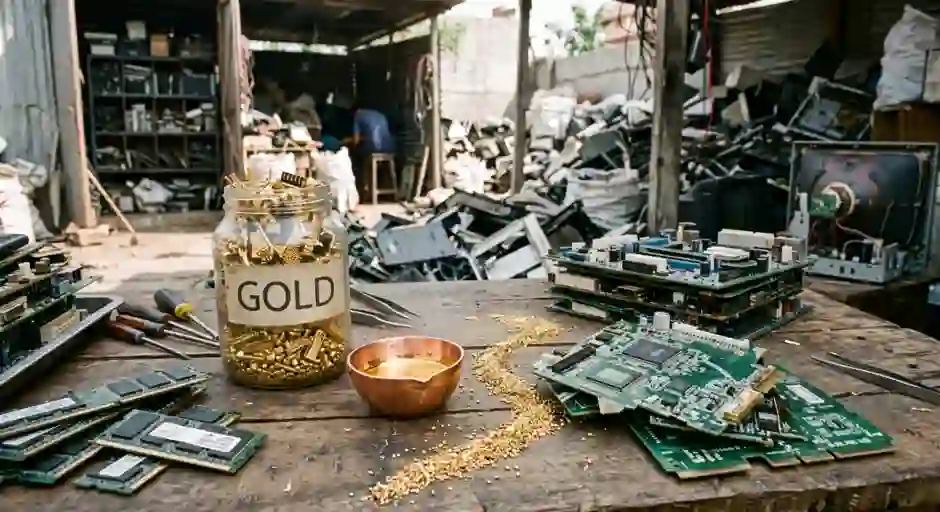
What do an old computer, a discarded circuit board and a gold mine have in common?
They all contain gold.
Gold is an important part of many electronic devices because it conducts electricity well and resists corrosion. But once electronics are thrown away, recovering that gold is not simple. The metal is present in tiny amounts and mixed with copper, nickel, silver and other materials. Conventional recovery methods can also require large amounts of chemicals and energy. Researchers at the University of Illinois Urbana-Champaign have been trying to change that. In 2024, the team demonstrated an electrochemical method that could selectively recover valuable metals from electronic waste while using less energy and fewer chemical materials than conventional approaches.
Their system used electrochemical liquid-liquid extraction, in which electricity drives chemical reactions that separate gold and other precious metals from a mixture obtained from waste electronics. The idea was promising, but there was still a problem. The process relied on a chemical redox system to help move the metal between different chemical environments. Researchers wanted to make the process more direct.
Now, two years later, they have redesigned one of the key molecules.
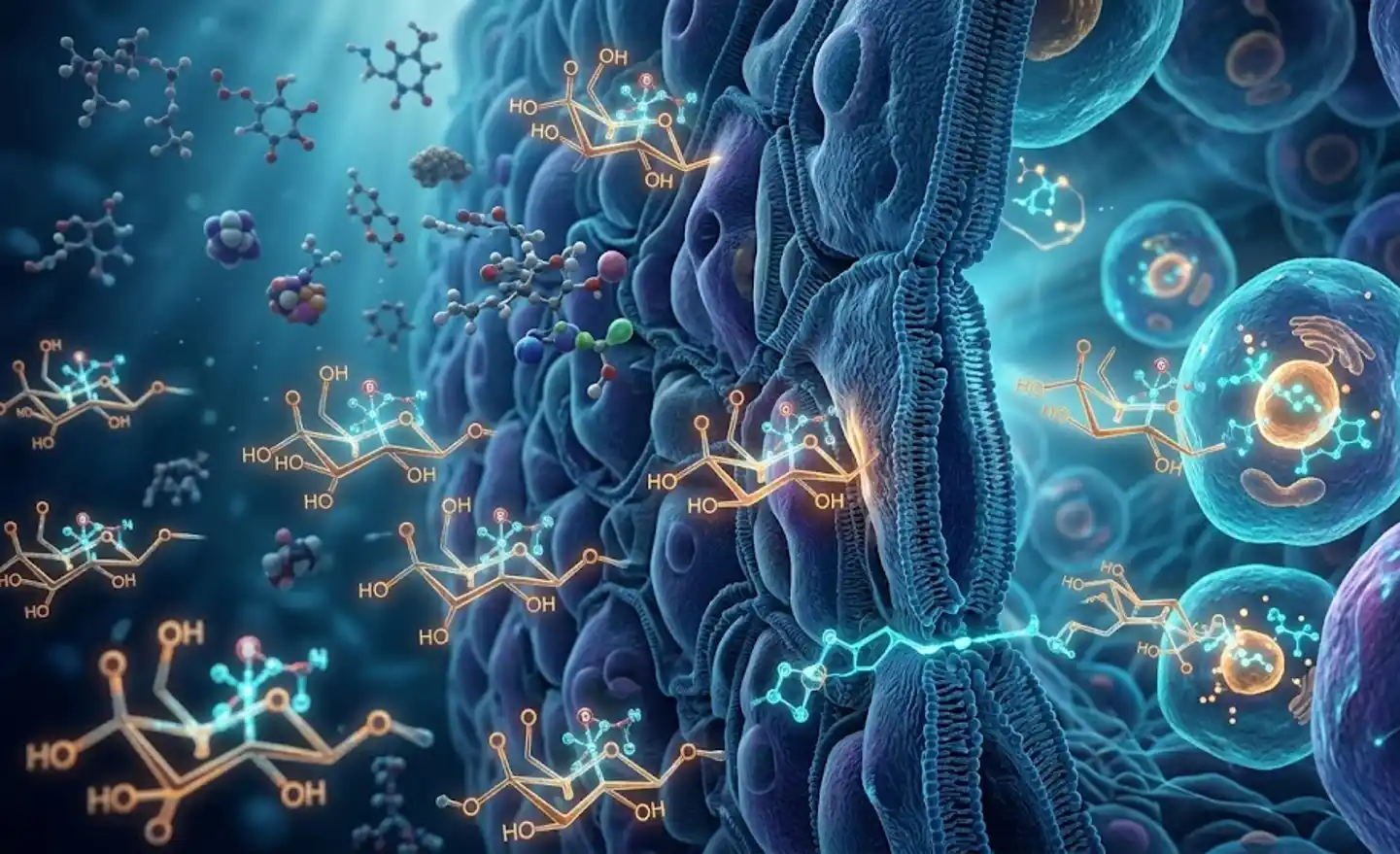
The new molecule combines three important features: a ferrocene redox centre, a permanently charged ammonium group and chemical groups that control how well the molecule behaves in an organic solvent. Together, these features allow the molecule to conduct ions and undergo electrochemical reactions directly. In other words, electricity can drive the extraction process without the need for external redox reagents or added supporting electrolyte. When tested with leachates made from electronic waste, the new system achieved 89% selective gold recovery, with a separation factor of 35. The researchers also reported that their redesigned approach could reduce both capital and operating costs compared with conventional processes.
Why does this matter?
Electronic waste is growing rapidly, while extracting new metals from ores requires mining, processing and significant energy. Recovering metals already present in discarded electronics could therefore turn waste into a source of valuable materials while reducing pressure on new mining. Instead of using more chemicals to recover valuable metals from our discarded electronics, scientists are finding ways to let electricity do more of the work. Your next broken laptop may not look like a gold mine. Chemically, however, it might be one.