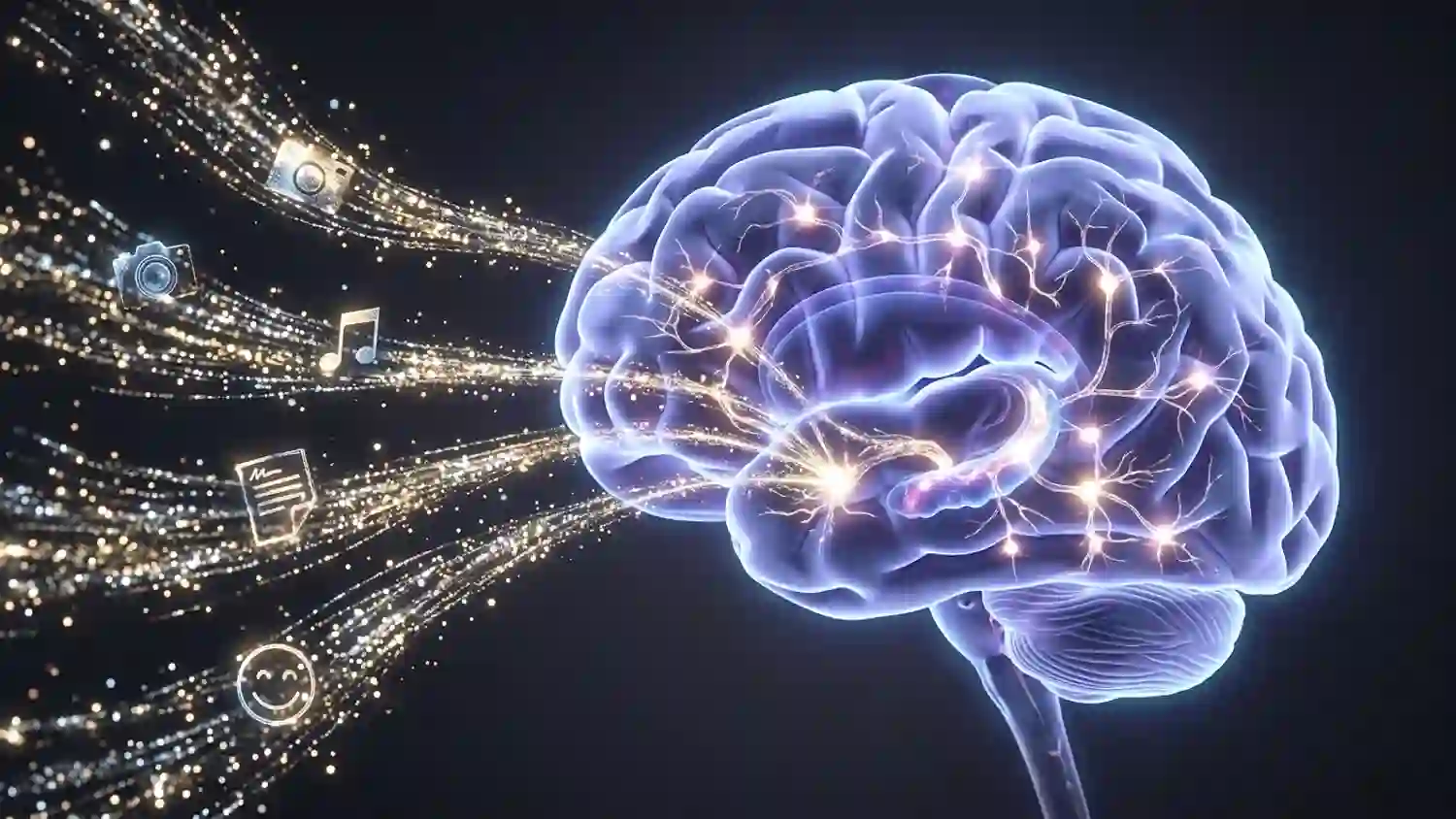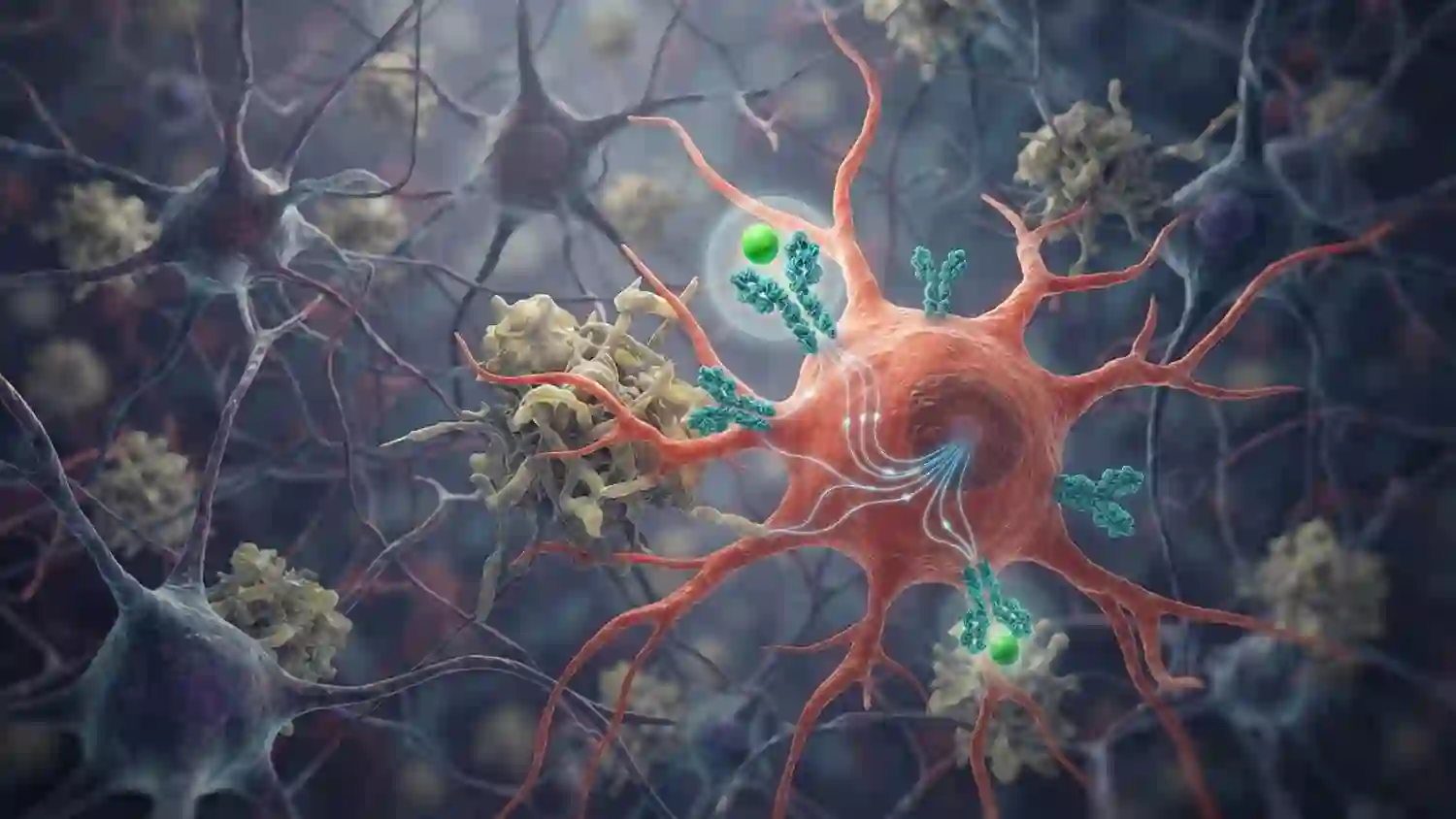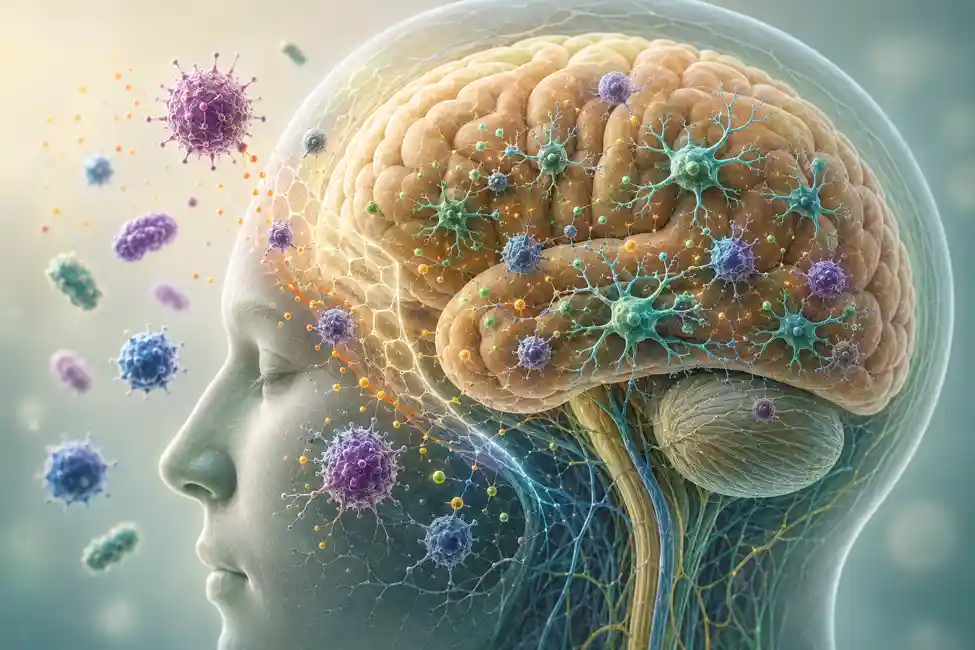
For decades, scientists viewed the brain as being unusually isolated from the immune system. The blood–brain barrier seemed to protect it from many circulating immune cells, leading to the idea that the central nervous system was largely “immune privileged.” But research over the past few years has revealed that the relationship between the brain and immune system is far more sophisticated than previously thought.
One of the most intriguing discoveries involves something much closer than we might expect: the bone marrow inside the skull.
Bone marrow is already well known as a major site where blood and immune cells are produced. Scientists have now discovered that the bone marrow in the skull has direct anatomical connections with the meninges, the protective membranes surrounding the brain. Tiny channels through the skull can provide pathways through which immune cells move between the skull’s bone marrow and the tissues surrounding the brain.
Why would the brain need such a local immune connection?
The answer may be rapid surveillance.
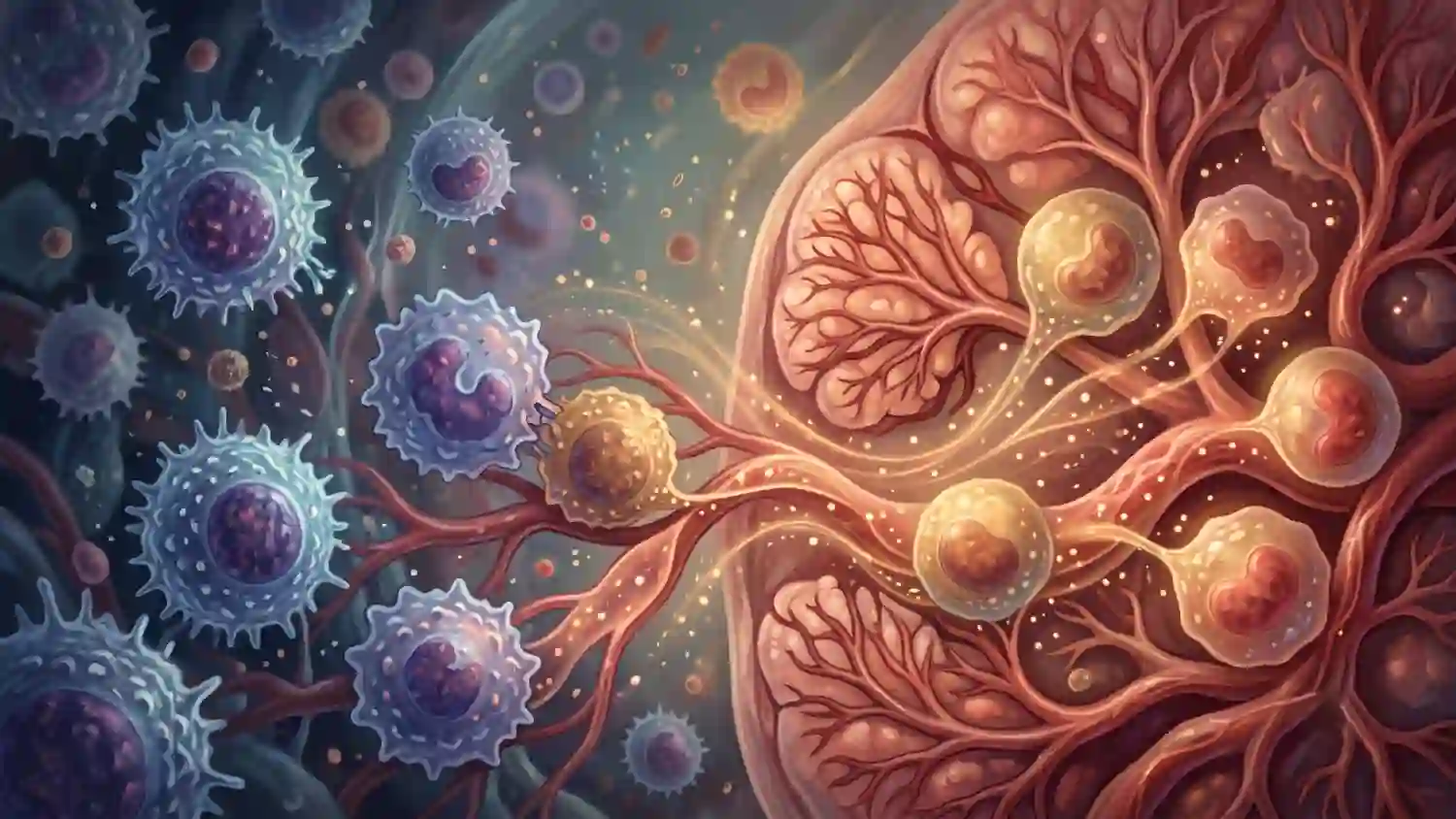
Researchers have observed immune cells such as neutrophils, monocytes, and B cells moving from skull bone marrow toward the meninges. Because these cells are positioned immediately next to the brain’s protective layers, they may be able to respond rapidly to infection, injury, or inflammation without first travelling through the entire bloodstream.
This discovery is particularly interesting because the skull’s immune activity may not simply mirror what happens in the rest of the body. Studies suggest that skull bone marrow has distinct characteristics and can respond to signals originating from the central nervous system. In other words, the brain and skull may be engaged in a two-way immune conversation.
The discovery could also have implications for neurological diseases.
Scientists are investigating whether changes in skull-derived immune cells are involved in conditions such as stroke, Alzheimer’s disease, multiple sclerosis, brain infections, and brain tumours. Understanding this local immune network could eventually help researchers develop treatments that target inflammation around the brain more precisely.
However, calling the skull bone marrow a completely “new immune organ” would be misleading. Bone marrow has been known for centuries as an immune and blood-forming tissue. What is new is our understanding of its specialised relationship with the brain and the discovery of physical channels connecting the skull’s marrow with the meninges.
So, did scientists really discover an immune organ inside the skull?
Not exactly. They uncovered a previously underappreciated immune pathway—a local connection between skull bone marrow and the brain’s protective membranes.
And that discovery is changing how scientists think about brain immunity.
The brain may not be an isolated organ protected from the immune system. Instead, it appears to have a dedicated neighbourhood of immune surveillance right outside its walls.
Source: