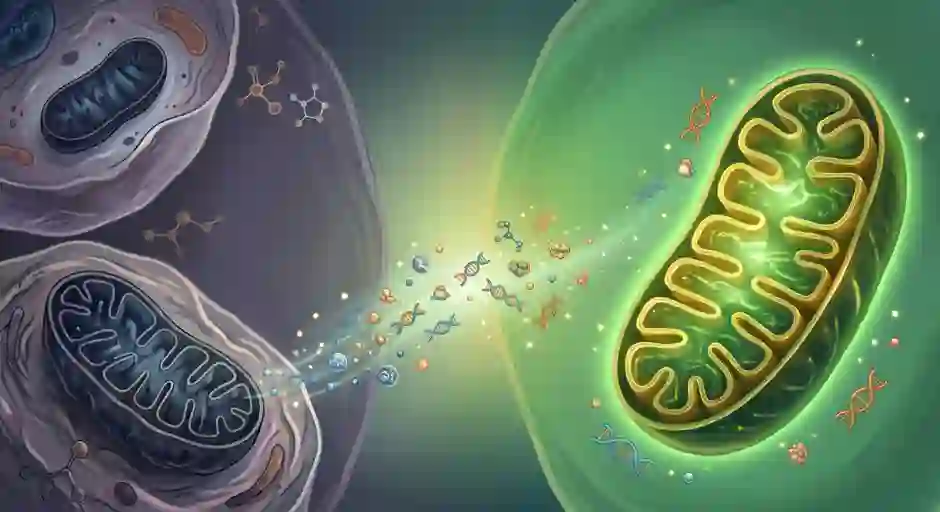
What if some of the changes we associate with aging are not simply inevitable, but partly controlled by a molecular switch inside our cells?
Scientists have found a clue that points in that direction—and it involves one of the most important structures inside our cells: the mitochondria. Mitochondria are often called the powerhouses of cells because they produce much of the energy needed to keep cells functioning. But as we age, mitochondria gradually become less efficient. They lose their ability to produce energy properly, and this decline is linked to many of the changes seen in aging cells. For years, scientists have known that mitochondria deteriorate with age. What has been less clear is what triggers that decline.
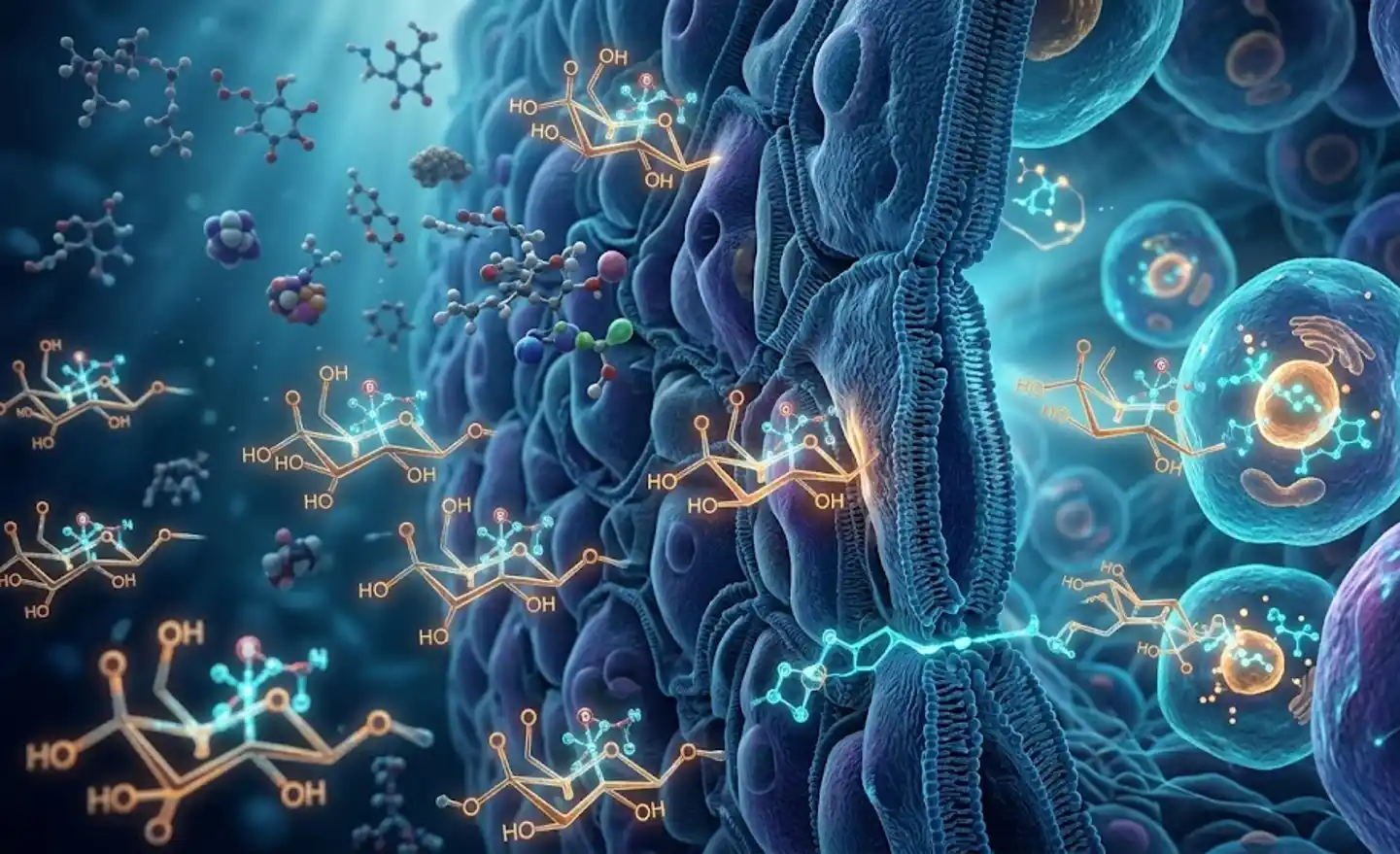
A new study from researchers at the Leibniz Institute on Aging in Germany has identified an important piece of the puzzle: a molecule called phosphatidylcholine. Phosphatidylcholine is a type of lipid that forms an important part of cell membranes, including the membranes surrounding mitochondria. It was found that its production gradually decreases with age. As levels fall, the structure and function of mitochondria begin to deteriorate. But then came the surprising part. They tested whether restoring this molecule could improve mitochondrial function. In experiments using the tiny roundworm Caenorhabditis elegans, they increased the availability of choline, a nutrient that cells use to produce phosphatidylcholine. Within days, the mitochondria of older worms showed signs of improvement. Their structure and ability to produce energy were restored, suggesting that at least some aspects of mitochondrial aging may be reversible.
They also examined human cells and large datasets to investigate whether the same pathway could be relevant to human aging. Their findings point toward a possible connection between declining phosphatidylcholine production and mitochondrial dysfunction in humans. This does not mean that taking choline can reverse aging in humans. The strongest rejuvenation results came from experiments in worms, while the human evidence is currently more about understanding the biological pathway.
Instead of simply asking “Why do our cells deteriorate?”, we can now investigate whether some of those changes can be interrupted or repaired. Aging is not controlled by a single switch, and there is certainly no proven button that can make humans young again. But if some parts of cellular aging can be modified, the future of aging research may be less about stopping time and more about keeping our cells functioning for longer.