
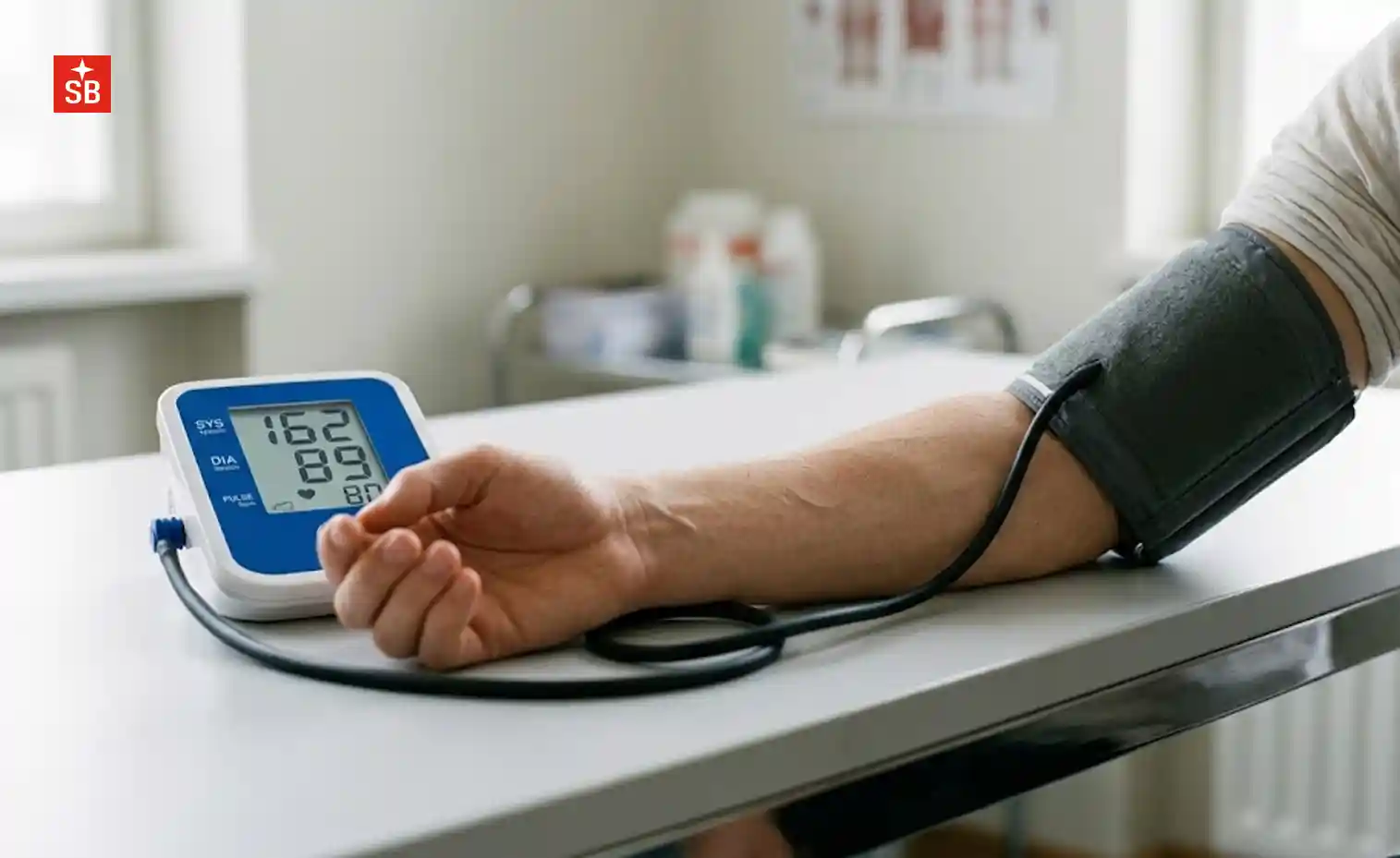
High blood pressure, or hypertension, has long been considered a condition that mainly affects older adults. But doctors around the world are seeing an increasing number of people in their 20s and 30s with blood pressure readings that are higher than normal. Many of them feel perfectly healthy and have no symptoms, making the condition easy to overlook. It is like a quiet passenger travelling beside you without making a sound. Importantly, checking blood pressure early can prevent bigger problems later.
So, why is high blood pressure becoming more common in younger adults?
The answer lies in a combination of modern lifestyle habits, genetics, and changing health trends. It is not caused by a single villain but by many small choices joining hands. As doctors often remind us, “Your body keeps the score, even when you do not notice it.”
Blood pressure is the force of blood pushing against the walls of your arteries. Think of your arteries as flexible water pipes carrying life’s most precious liquid.
When this pressure remains consistently high, the heart has to work harder to pump blood, increasing the risk of heart disease, stroke, kidney disease, and other health problems over time. The heart does not complain loudly, it simply keeps working harder day after day. Because hypertension often develops without noticeable symptoms, it is commonly called the “silent killer.” It is a wolf in sheep’s clothing, looking harmless while quietly causing damage.
One of the biggest contributors is the global rise in overweight and obesity. Excess body fat, particularly around the abdomen, increases the workload on the heart and affects hormones that regulate blood pressure. In simple words, carrying extra body fat is like asking your heart to carry a heavier backpack every single day.
Physical inactivity also plays an important role. Many young adults spend hours sitting at desks, studying, or using computers and smartphones, reducing opportunities for regular exercise. The modern chair has quietly become a close companion, but not always a healthy one. Sitting for long hours can become a slow-moving trap.
Diet is another major factor. Modern diets are often high in sodium, or salt, from processed foods such as packaged snacks, fast food, instant noodles, and processed meats. Excess sodium causes the body to retain more water, increasing the volume of blood circulating through the arteries and raising blood pressure. It is similar to forcing more water through the same pipe, increasing the pressure inside it. At the same time, many people consume too little potassium, which helps balance the effects of sodium. Fruits and vegetables quietly become the body’s helpful teammates in this balancing act.
Stress and poor sleep may also contribute. Chronic psychological stress can activate hormones such as adrenaline and cortisol, temporarily increasing blood pressure. It is as if the body’s alarm bell keeps ringing even when there is no real emergency. Over time, inadequate sleep, shift work, and conditions such as obstructive sleep apnoea have also been linked to a higher risk of hypertension. Smoking, excessive alcohol consumption, and a family history of high blood pressure further increase the risk. These risk factors often work together rather than alone, creating a perfect storm for the heart. As the saying goes, “Little drops make the mighty ocean,” and small unhealthy habits can gradually build into a serious health problem.
The encouraging news is that hypertension is often preventable or at least manageable. Maintaining a healthy weight, exercising regularly, limiting salt intake, eating plenty of fruits and vegetables, getting adequate sleep, avoiding tobacco, and managing stress can all help keep blood pressure under control. Every healthy habit acts like a brick in the strong wall protecting your heart. Regular health check-ups are equally important because many people do not realise they have high blood pressure until complications develop. Prevention is always better than cure, and a few minutes spent checking blood pressure can save years of future health.
So, is high blood pressure only an older person’s problem?
Not anymore. While age remains an important risk factor, today’s lifestyle means hypertension is increasingly affecting younger adults. The irony is that people may look fit on the outside while hidden changes are taking place inside their arteries. The good news is that identifying it early and making healthy lifestyle changes can significantly reduce the risk of serious complications later in life. Your future heart will silently thank you for the healthy choices you make today.
Your blood pressure may not cause symptoms, but it says a great deal about the health of your heart. It is the quiet voice of your body saying, “Take care of me before I am forced to shout.”


