Imagine being told that only a handful of people in your country share the same blood type as you. If you ever needed a blood transfusion, finding a matching donor could become a race against time. In such moments, every minute can feel like a ticking clock, and every compatible donor can become a ray of hope. But why are some blood types so rare in the first place?
The answer lies in genetics, evolution, and human history. In simple words, our blood type is like a biological identity card, quietly carrying clues about our family history.
Blood groups are determined by genes inherited from our parents. The best-known system is the ABO blood group, which includes A, B, AB, and O types. Another important system is the Rh factor, which determines whether a person’s blood is Rh-positive or Rh-negative. Together, these systems create the familiar blood groups such as A+, O−, or AB+. These tiny labels on our blood can have a huge impact when a transfusion is needed. Some blood types are common because the genes responsible for them are widespread in certain populations. Others are rare simply because the genetic combinations needed to produce them occur much less frequently. Genetics, in this case, is like a giant family recipe, where a small change in the ingredients can create a very different result.

For example, AB-negative is one of the rarest common blood groups worldwide because it combines two uncommon traits: the AB blood type and the Rh-negative factor. It is almost like finding two rare puzzle pieces that happen to fit together perfectly. This is where the saying, “rare things are precious”, takes on a very practical meaning.
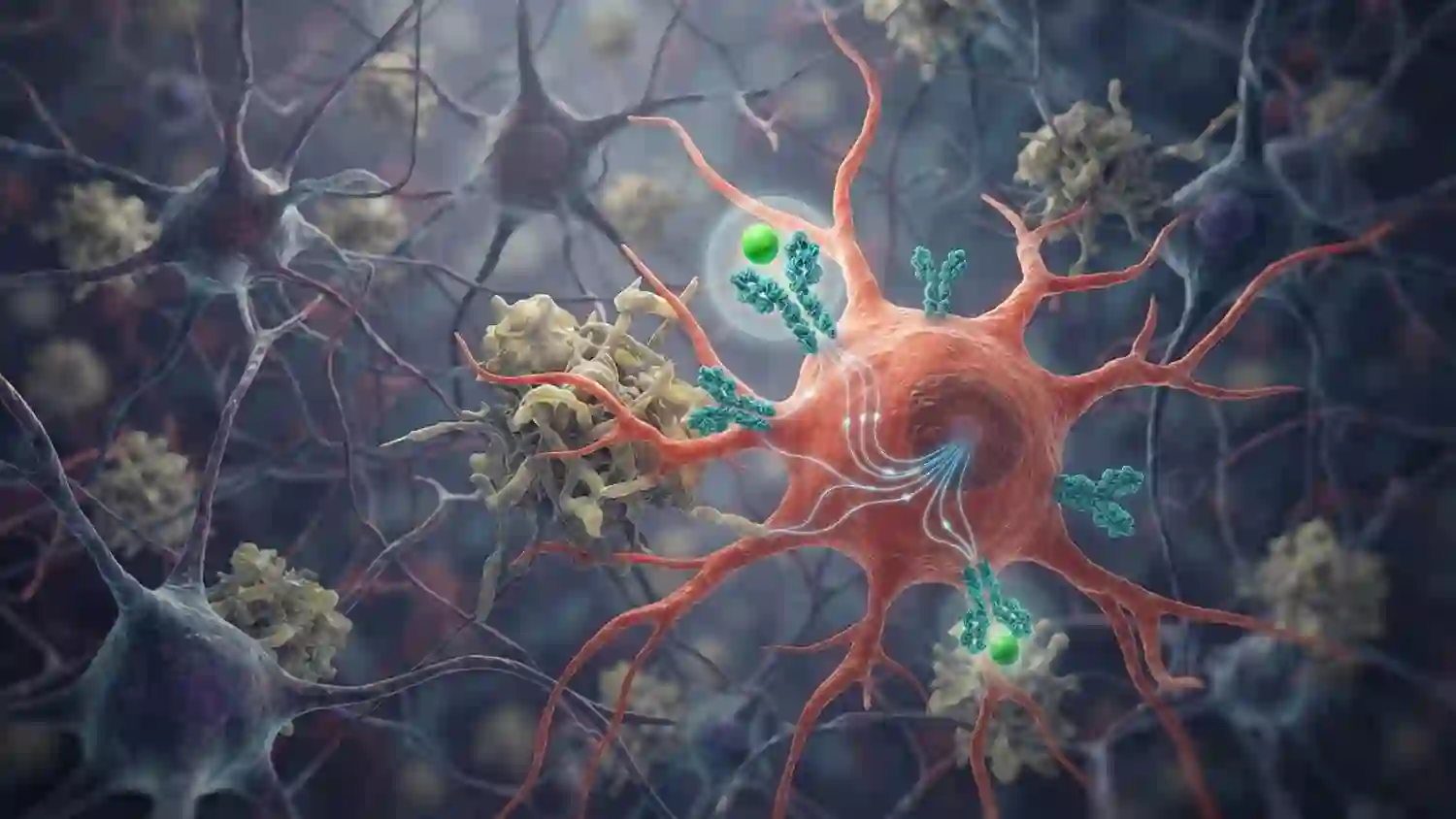
However, the story goes far beyond the ABO system. Scientists have identified more than 40 blood group systems and over 600 different blood group antigens on the surface of red blood cells. These antigens act like tiny molecular name tags, helping the immune system recognise what belongs to the body and what does not. In the language of biology, blood is not simply red liquid flowing through our veins, it is a highly organised molecular community.
Extremely rare blood types, such as the Bombay phenotype (Oh), lack the H antigen found in almost everyone else. People with this blood type cannot safely receive blood from even the universal O blood group and require donations from another Bombay phenotype donor. The word “universal” can therefore be slightly misleading here, because O blood is not universally suitable for every rare blood group. That is the irony of blood transfusion science, what appears to be a universal key may not open every lock.
Although exceptionally rare worldwide, the Bombay phenotype is found more frequently in parts of India than in most other countries, making Indian donor registries especially important. In such cases, a rare donor can be worth their weight in gold, not because of money, but because their blood may provide a precious lifeline to someone in an emergency.
Why haven’t these rare blood groups disappeared over time?
Evolution may offer an explanation. Nature does not always throw away uncommon genetic traits. Instead, it can keep a variety of genetic features circulating through populations, especially when they offer some advantage under particular environmental conditions. Evolution is less like a strict judge and more like a patient storyteller, carrying old genetic chapters into new generations.
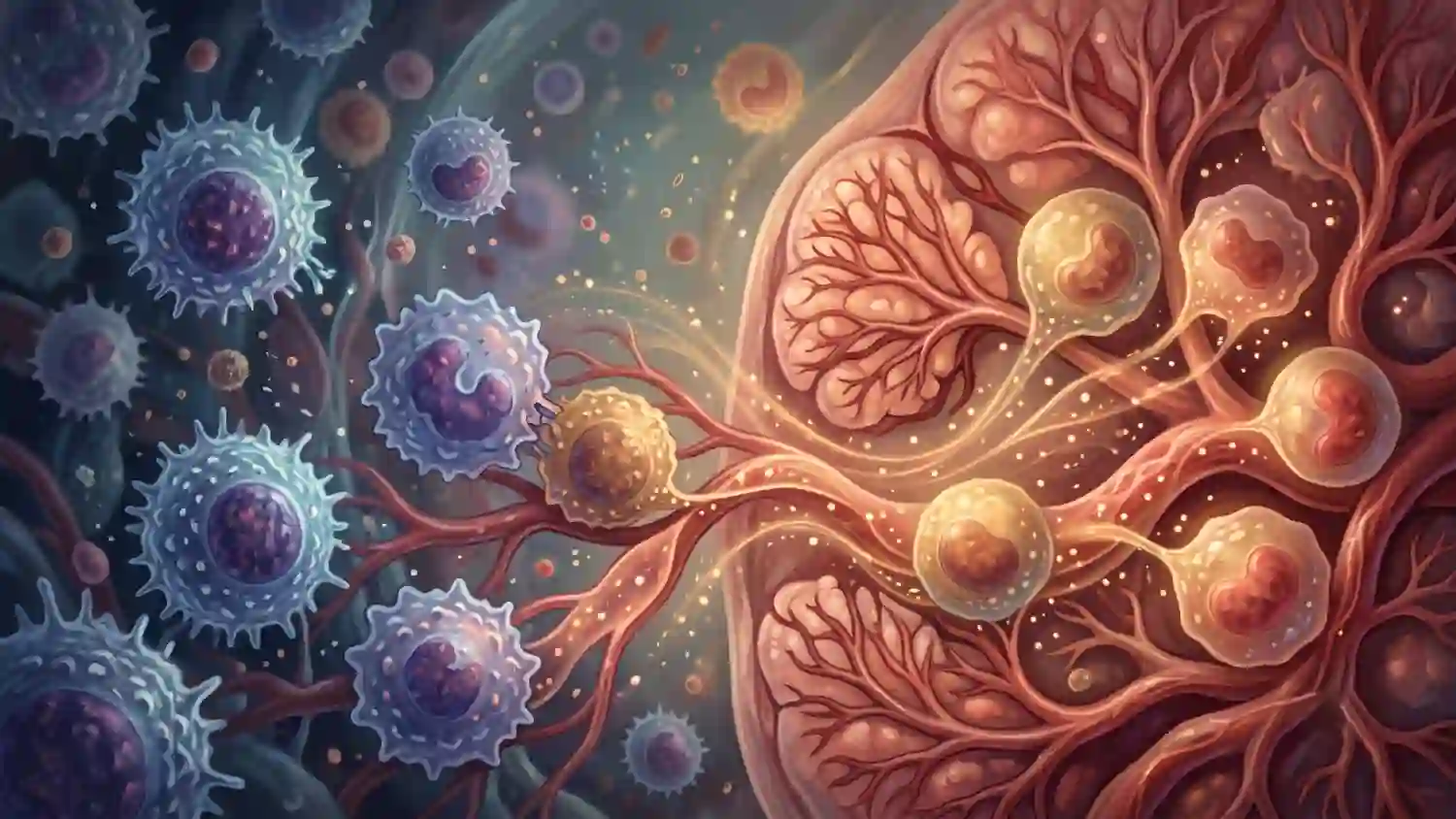
Some blood group variations appear to provide protection against certain infectious diseases. For example, specific blood groups have been linked to differences in susceptibility to malaria, cholera, and norovirus infections. In other words, the same genetic feature that seems unimportant during an ordinary day may become significant when disease enters the picture. This is a reminder that biology rarely follows a simple black-and-white rule.
As human populations migrated and adapted to different environments, these genetic variations were passed on through generations. Human history, migration, geography, and disease have therefore helped shape the blood groups seen in different populations today. Our blood is, in a way, a living history book, carrying traces of journeys made by our ancestors long before modern borders existed.
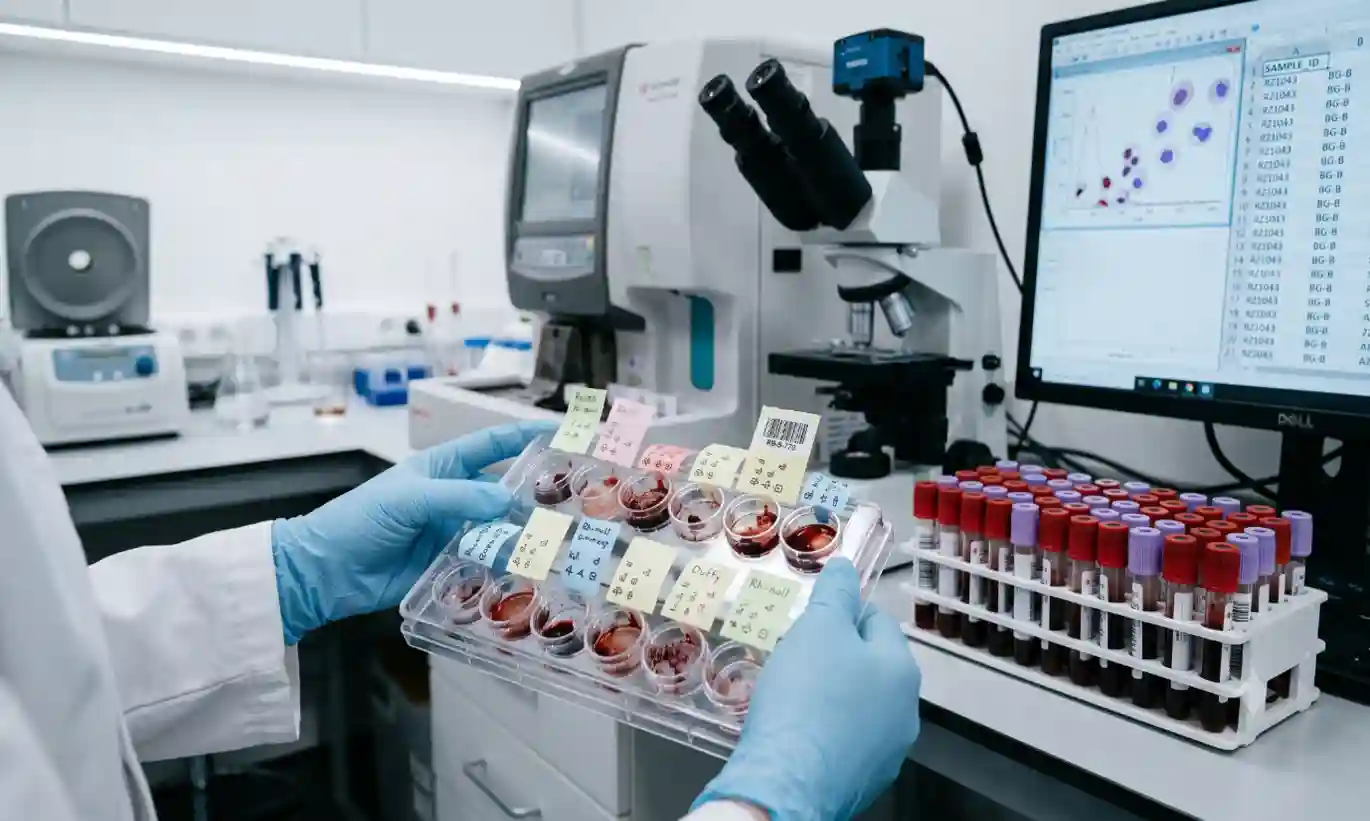
Blood banks around the world maintain rare donor registries to ensure that patients with uncommon blood types can receive compatible transfusions during emergencies. These registries are like a safety net stretched across the healthcare system, ready to catch patients when an ordinary blood supply may not be enough. For someone with a rare blood type, finding the right donor can feel like searching for a needle in a haystack, but organised donor networks can turn that difficult search into a coordinated effort.
Every blood donor plays a vital role, but for people with rare blood groups, a single donation can truly be lifesaving. One donor may seem like a small drop in a vast ocean, yet that single contribution can make an enormous difference when the right blood is urgently needed. In blood transfusion, every drop counts, and sometimes, one rare match can mean the difference between fear and hope.