Imagine a thief who does not steal your silver or gold, but instead breaks into the sacred vault of your identity, erasing the faces of your children, the scent of your wedding day, and the melody of your own name. Alzheimer’s disease is this phantom thief, creeping into the labyrinth of the human brain, turning bright rooms into shadows, and leaving behind a quiet, heartbreaking shell of what once was a roaring fire of human experience. This tragedy does not happen in a vacuum; it unfolds at the intersection of deep human sorrow and microscopic civil war. The heartbreak we witness in living rooms is the direct, echoing cry of a cellular riot happening deep within the skull.
To truly understand this devastation, one must watch it happen in real-time. Consider a retired piano teacher who for decades sat at her grand piano every afternoon, her fingers dancing effortlessly through Chopin. Slowly, almost imperceptibly, the notes began to tangle. One day, she stopped mid-sonata, looked at the black and white keys with terror in her eyes, and asked her weeping daughter what those wooden teeth were and why they refused to talk to her. This was not simple forgetfulness; this was the physical manifestation of amyloid plaques choking her brain. In a healthy mind, a protein called amyloid precursor protein is broken down cleanly. But in her brain, a microscopic error caused these proteins to be cut incorrectly, creating a sticky, toxic garbage called beta-amyloid. These fragments clumped together outside her neurons, forming hard, stubborn blocks. Like concrete walls poured across a busy highway, these plaques completely blocked the electrical and chemical sparks her brain needed to remember how to play music.
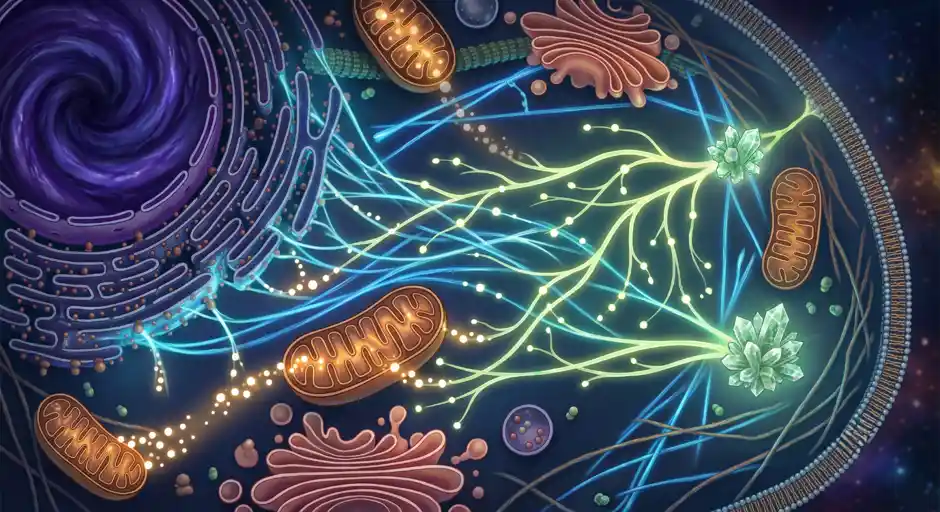
As the disease marches forward, the drama intensifies, moving from forgotten skills to a shattered perception of reality itself. A former sea captain walked into his hallway, caught his reflection in a heavy brass mirror, and drew his pocketknife in terror. He did not recognize the old, wrinkled stranger staring back at him, genuinely believing an intruder had trapped him inside his own home. Behind his terrified eyes, another silent killer was at work: tau tangles. Inside the long, delicate arms of his neurons, there used to be a magnificent system of microscopic train tracks called microtubules, which transported vital food, nutrients, and messages across the cell. A helper protein named tau acted like the wooden ties holding the tracks straight. But under the assault of Alzheimer’s, the tau protein chemically altered, broke loose, and twisted into ugly, chaotic knots. Without tau, the cellular train tracks collapsed and shattered. The captain’s brain cells could no longer transport nutrients, starving the neurons to death from the inside out. The pathways responsible for facial recognition and self-awareness simply vanished into dust.

This cellular collapse creates a profound distortion of time and space, fracturing the very geometry of a patient’s life. An elderly grandfather dialed his own phone number every single evening at precisely 6:00 PM. When his own answering machine picked up, playing a greeting he had recorded ten years prior, he would smile warmly and speak of his day to the plastic receiver, completely unaware that the voice belonged to a ghost of his past self. Simultaneously, a gentle retired baker walked out for his morning paper in slippers, only for a sudden fog to roll over his mind. He forgot where he lived, who he was, and why the sky was blue, walking fourteen miles into the blistering heat while clutching a single nickel, searching for a home that his brain had entirely wiped from its physical map.
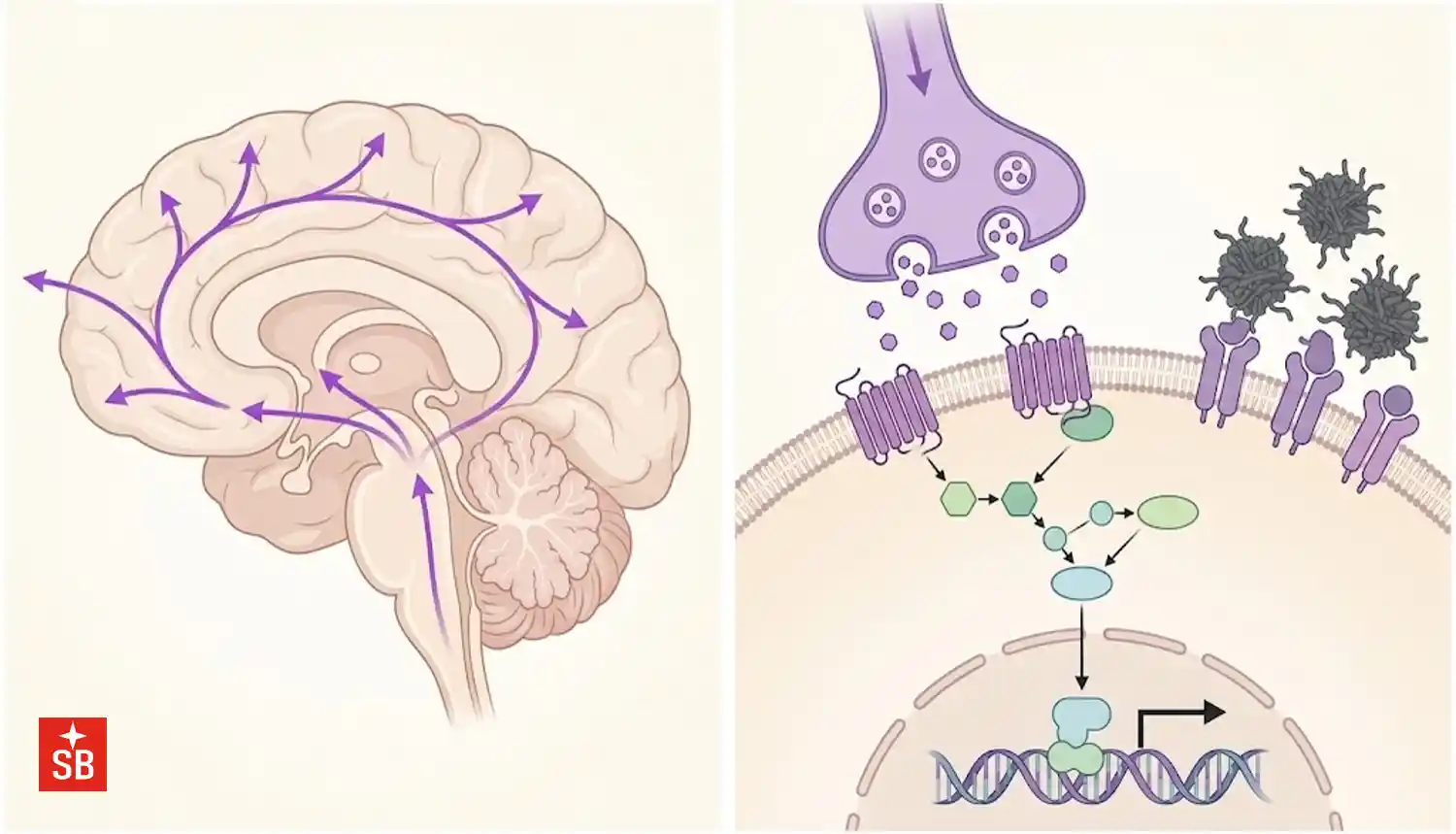
These heartbreaking wanderings and frozen timelines are the visible symptoms of cerebral atrophy. As billions of neurons choke on tau tangles and are suffocated by amyloid plaques, they die en masse. The brain tissue literally shrinks, its rich, vibrant valleys of memory shriveling into dry, hollow canyons, and its deep grooves widening into empty chasms. The physical house of consciousness collapses because its biological foundation is being systematically dismantled.
The Hand of Fate: The Genetic Lottery
The onset of this horror is often decided long before a person takes their first breath, dictated by the loaded dice of genetic destiny passed down through generations. For some families, the disease is an inescapable decree written in stone, driven by rare deterministic genes like APP, PSEN1, or PSEN2. If a child inherits even one of these mutated genes from a parent, a cellular time bomb begins ticking. Their biochemistry is programmed to aggressively overproduce toxic plaques early in life, ensuring the phantom thief will break into their mind by middle age.
For the vast majority, however, genetics plays a more agonizing game of probability through risk genes, most notably APOE-e4. Inheriting one copy of this gene from a parent tilts the board against you; inheriting two copies from both parents heavily loads the dice. The APOE-e4 gene does not trigger the disease on its own, but it severely weakens the brain’s ability to clear away the toxic beta-amyloid garbage. It is the biological equivalent of leaving the front door unlocked in a dangerous neighborhood. The thief might still walk past, but the vulnerability is staggering, leaving the individual to live their life under a gathering genetic storm, wondering if and when the silent eclipse will begin.
The Dawn of Modern Hope: Breaking the Silence
For decades, humanity fought this monster with a blindfold on, but the medical landscape has completely shifted. The dawn of modern diagnostics has brought forth revolutionary blood-based biomarker tests. Clinicians no longer have to wait for an autopsy or rely solely on expensive PET scans and invasive lumbar punctures. A simple vial of blood can now measure hyperphosphorylated tau (specifically p-tau217), catching the very first whispers of cellular damage up to a decade before a patient forgets a single name.
This early detection opens the door to a new era of anti-amyloid immunotherapies, such as lecanemab and donanemab. These are not mere band-aids; they are engineered guided missiles. They actively enter the brain, latch onto the suffocating beta-amyloid plaques, and pull them off the neurons, successfully slowing down the terrifying rate of cognitive decline. Furthermore, with new medical approvals allowing convenient weekly subcutaneous (under-the-skin) injections right at home, the brutal burden of frequent hospital-infusion visits is finally being lifted from weary families.
Building the Fortress: Prevention and Cautionary Shielding
While we cannot rewrite our genetic code, science proves we can fiercely guard the brain we have. Defending yourself against Alzheimer’s requires attacking the modifiable risk factors through dedicated, daily lifestyle choices
- Guard the Cardiovascular System: What ruins the heart destroys the mind. High blood pressure, smoking, and diabetes damage the delicate blood vessels supplying oxygen to your neurons. Maintain a balanced diet, like the Mediterranean diet, rich in healthy fats and antioxidants to shield your brain’s blood supply.
- Ignite Physical Vitality: Regular exercise is a biological shield. Sweating for at least 150 minutes a week triggers neurogenesis, the birth of new brain cells and physically helps the brain flush out toxic amyloid waste before it can clump.
- Forge a Cognitive Reserve: Treat your brain like a muscle. Learn a new language, master an instrument, or tackle complex puzzles. This creates thousands of alternative neural pathways. If the phantom thief destroys one road, your mind can use another detour to access your memories.
- Protect Sleep and Hearing: Chronic sleep deprivation starves the brain of its nightly “trash-cleaning” cycle, allowing plaques to pile up. Unmanaged hearing loss forces the brain to strain so hard to process sound that it literally steals structural energy away from your memory centers.
Holding the Lantern: How to Support a Suffering Loved One
When a parent, spouse, or friend is already trapped in the darkening fog of Alzheimer’s, our role shifts from fighting the disease to fiercely protecting their remaining dignity. They are not intentionally being difficult; their physical house is on fire. Caring for them requires an armor of deep empathy and tactical grace:
- Validate Reality, Never Argue: If a grandfather asks for his mother whom passed away fifty years ago, do not break his heart by forcing him to confront her death. Never say, “She died years ago, don’t you remember?” Instead, enter his timeline. Say, “She was a wonderful woman, tell me your favorite memory of her.” Match their emotion, don’t correct their facts.
- Anchor the Environment with Routine: The outer world becomes terrifyingly chaotic when the inner mind loses its anchor. Keep furniture, meal times, and waking schedules perfectly consistent. Eliminate loud noises and visual clutter that can trigger sudden, terrifying panic attacks.
- Use Radical, Simple Communication: Look directly into their eyes at their physical level. Speak in short, warm, single-step sentences. Instead of asking, “What do you want to wear today?” hold up two shirts and ask, “The blue one or the red one?”
- Protect the Spirit Beneath the Fog: The intellect may fade, but the human emotional core remains acutely alive until the very last breath. They can still feel love, warmth, fear, and rejection. Play their favorite childhood music, hold their hand firmly, and remind them constantly that they are safe, they are known, and they are profoundly loved.