Every morning, millions of people worldwide participate in the same ritual. They stumble into the kitchen, turn on a kettle or coffee maker, and wait for a dark, aromatic liquid to bring them to life. The global fuel of choice comes down to two iconic beverages: tea and coffee.
For many people, that first cup feels like pressing the “start” button on the day. The sleepy brain slowly begins to switch on, and the morning fog starts to lift. It is a simple habit, but behind that familiar cup lies a surprisingly busy world of chemistry.
While both drinks serve the primary purpose of clearing mental fog, they are fundamentally different. The choice between them shapes your morning energy, your afternoon focus, and how well you sleep at night. Understanding the basic science, raw ingredients, and physical effects of these brews can transform how you optimise your daily productivity.

In simple terms, tea and coffee may look like two players on the same team, but they play very different games. One can act like a quick spark, while the other can feel more like a steady flame. The difference comes from the chemicals travelling from the cup into your body.
The Basics: From Plant to Cup
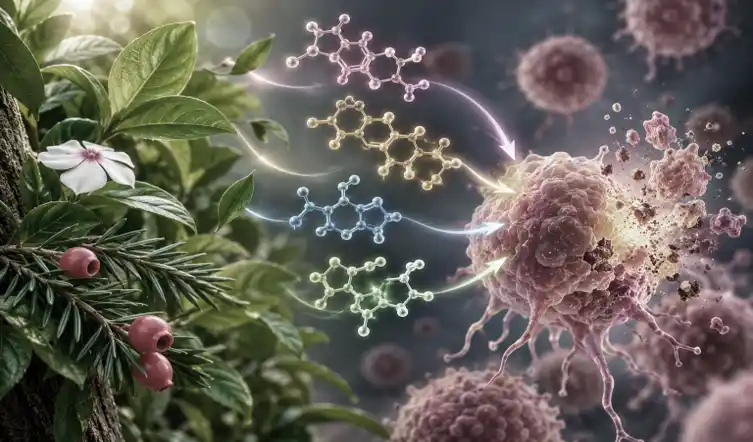
At their core, tea and coffee are plant extracts. True tea comes entirely from a single plant: Camellia sinensis. The ultimate flavour, colour, and strength of the tea depend heavily on how the leaves are processed after harvest. Green tea leaves are steamed or pan-fired immediately to prevent oxidation, keeping them fresh and grassy. Black tea leaves are fully rolled and oxidised, turning them dark and creating bold, malty flavours.
Oxidation is a key part of the story. It is a chemical process in which compounds react with oxygen and change their properties. In tea production, this process can be compared to giving the leaves a chemical makeover. The same basic leaf can therefore produce very different flavours depending on how it is handled.
Coffee, on the other hand, comes from the roasted seeds of fruits called coffee cherries, grown on plants of the Coffea genus. The two most common commercial species are Arabica and Robusta. Arabica beans are prized for their complex, sweeter flavours and lower caffeine content. Robusta beans are hardier, more bitter, and pack nearly double the caffeine punch.
So, despite the common phrase “coffee bean”, what we drink actually begins with a seed inside a fruit. The roasting process then transforms those seeds, creating the familiar smell, colour, and taste that make coffee so popular. It is almost a tiny chemistry laboratory happening inside every roasting machine.

Inside the Mug: The Ingredient Breakdown
When you drink a plain cup of tea or coffee, you are consuming a complex chemical cocktail. Here is a look at what naturally exists inside both leaves and beans before you add any milk or sugar.
A cup may appear simple, but chemically it is anything but simple. Hundreds of compounds can contribute to the taste, aroma, colour, and effects of these beverages. The mug is small, but its chemistry is surprisingly crowded.
Standard Black Tea Composition
● Water: The primary carrier fluid, making up over 99% of the brewed beverage.
● Polyphenols (Catechins & Theaflavins): Powerful antioxidants that give tea its astringent taste and support heart health.
● L-Theanine: A unique amino acid that promotes relaxation and alpha brain wave activity.
● Caffeine: A natural central nervous system stimulant that blocks tiredness.
The word “antioxidant” often sounds like complicated laboratory jargon, but the basic idea is simple. These compounds can help protect cells from oxidative stress. Tea therefore brings more to the table than just caffeine.
Standard Brewed Black Coffee Composition
● Water: The solvent that extracts the soluble solids from the coffee grounds.
● Chlorogenic Acids: Antioxidants that contribute to coffee’s distinct acidity and help regulate glucose metabolism.
● Cafestol and Kahweol: Natural oils found in coffee beans that influence flavour and body.
● Caffeine: The primary alkaloid compound responsible for blocking adenosine receptors.
Coffee takes the crown for raw power. A standard cup contains up to three times more caffeine than a cup of black tea. If you need a fast, hard-hitting wake-up call to shake off deep exhaustion, coffee is the undisputed winner.
But caffeine content can vary widely depending on the type of coffee or tea, serving size, brewing method, and strength. So, the size of the cup matters too. A tiny cup and a giant mug may both be called “one cup”, but their caffeine loads can be worlds apart.
The Chemistry of the Energy Curve
The true debate between tea and coffee is not about the amount of caffeine, but the way your body processes it. This variance comes down to a fascinating chemical synergy unique to tea leaves: the pairing of caffeine with L-theanine.
| Feature | Brewed Black Tea (240ml) | Brewed Black Coffee (240ml) |
| Average Caffeine | 25 to 48 milligrams | 95 to 165 milligrams |
| Primary Antioxidant | Flavonoids (Theaflavins) | Chlorogenic Acids |
| Energy Delivery | Slow, sustained release | Rapid, high-intensity spike |
| Physical Sensation | Alert relaxation (Zen) | High-velocity focus (Buzz) |
This is where the morning story becomes a chemistry story. Caffeine may be the headline performer, but other compounds can influence how the experience feels. Think of it like an orchestra, where one instrument may be loud, but the overall music depends on how all the instruments work together.
When you drink coffee, caffeine enters your bloodstream quickly. It rushes to your brain and binds to adenosine receptors. Adenosine is the chemical that builds up throughout the day to make you feel sleepy. By blocking these receptors, coffee tricks your brain into thinking it has endless energy. This creates a sharp spike in adrenaline, boosting focus but occasionally causing heart palpitations, hand jitters, or anxiety. Once the caffeine wears off, a sudden “crash” often follows.
In reality, caffeine does not create endless energy. It mainly blocks the brain’s perception of tiredness for a while. It is like turning down the volume of an alarm rather than removing the reason for the alarm. The tiredness has not necessarily disappeared, the brain’s response to it has simply been altered.
Tea offers a gentler approach. The L-theanine inside tea crosses the blood-brain barrier and slows down the absorption of caffeine. Instead of a sharp spike, you experience a smooth, prolonged release of energy. L-theanine also stimulates the production of GABA and alpha brain waves, which are associated with deep relaxation and calm focus.
This combination has often been described as “calm alertness”, a useful phrase for the feeling of being awake without feeling overly restless. The chemistry is more subtle than a simple caffeine-versus-no-caffeine story. In tea, different compounds may work together to shape the overall experience.
Ultimately, the choice depends on your daily goals. If your task requires intense, fast-paced physical energy, coffee is your tool. If your day demands hours of steady, stress-free creative writing or deep studying, tea will keep you sharp without the inevitable crash.
There is a small irony here: the drink that wakes you up may also influence how tired you feel later if consumed too close to bedtime. Caffeine can remain in the body for several hours, so timing matters. As the old proverb says, “Too much of a good thing can be bad.”
In the end, tea and coffee are not simply beverages in a cup. They are chemical mixtures that interact with the brain, nervous system, and body in different ways. The real trick is not asking which drink is the absolute winner, but understanding which brew suits the moment.