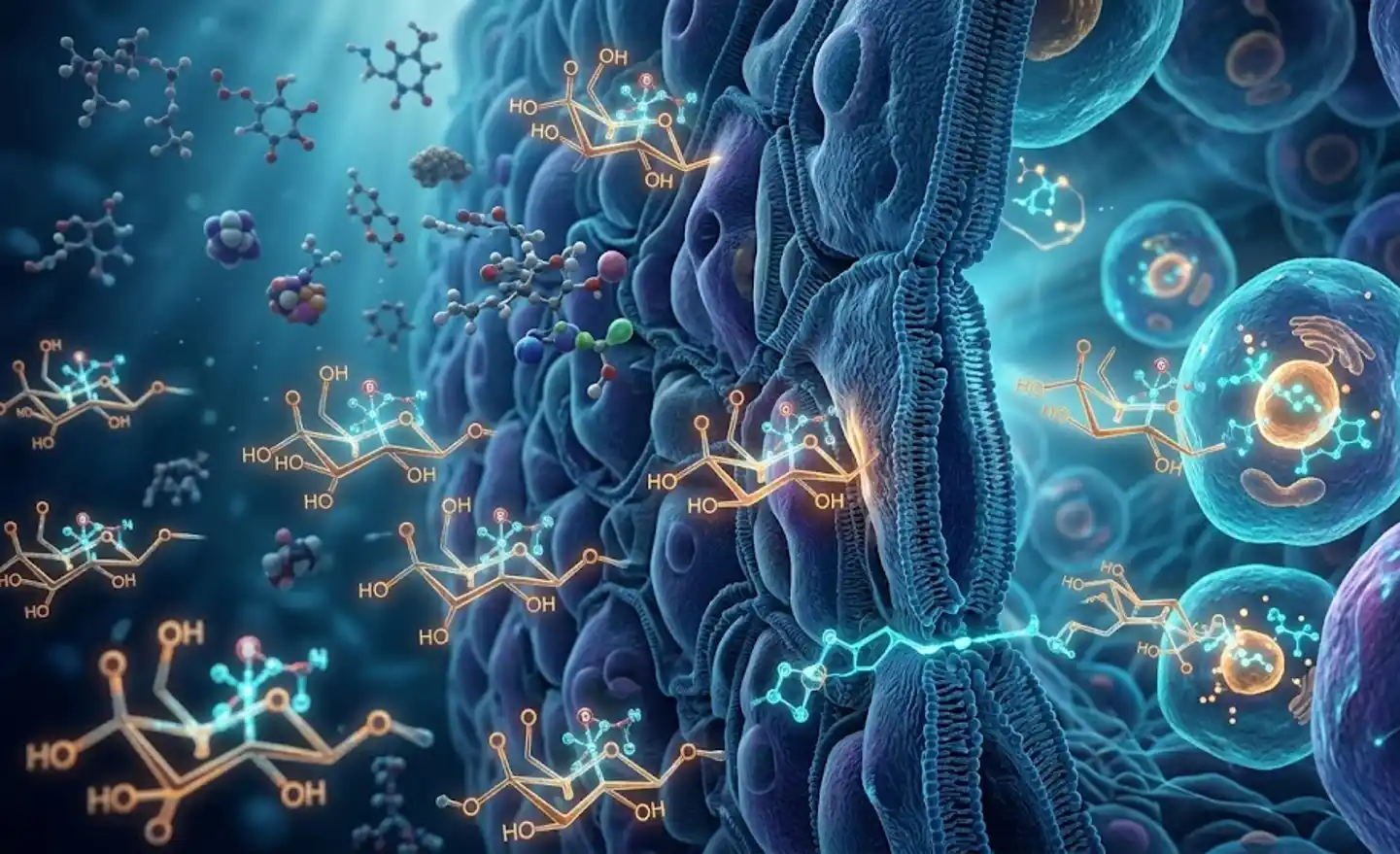
For decades, the human cell has stood as an impenetrable fortress. Its outer wall, the plasma membrane is a sleek, oily, hydrophobic shield designed to keep the outside world out and the inside world in. This architectural masterpiece presents a lethal paradox for modern medicine. To cure diseases like cancer, scientists must deliver specialized sugars (glycans) into the heart of the cell. But these sugars are hydrophilic water-loving, oil-hating entities. Try pushing a natural sugar through a cell membrane, and it behaves like oil meeting water: total, absolute rejection.
To bypass this, science made a deal with the devil. For years, researchers forced sugars inside by soaking them in Dimethyl Sulfoxide (DMSO), a harsh, toxic chemical solvent. It was a scorched-earth strategy. DMSO punched holes in the fortress walls to let the sugars through, but it often left the cell dead or structurally ruined in the process. Now, a biochemical revolution has arrived. By weaponizing tiny, boron-based nano-structures, scientists have created a molecular Trojan Horse, smuggling life-saving sugars across enemy lines without a single drop of toxic solvent. This breakthrough, pioneered by institutions like the University of Manchester, Stanford University, and the Max Planck Institute, is rewriting the future of biochemistry and medicine.
Real-Life Battlegrounds and Clinical Scope
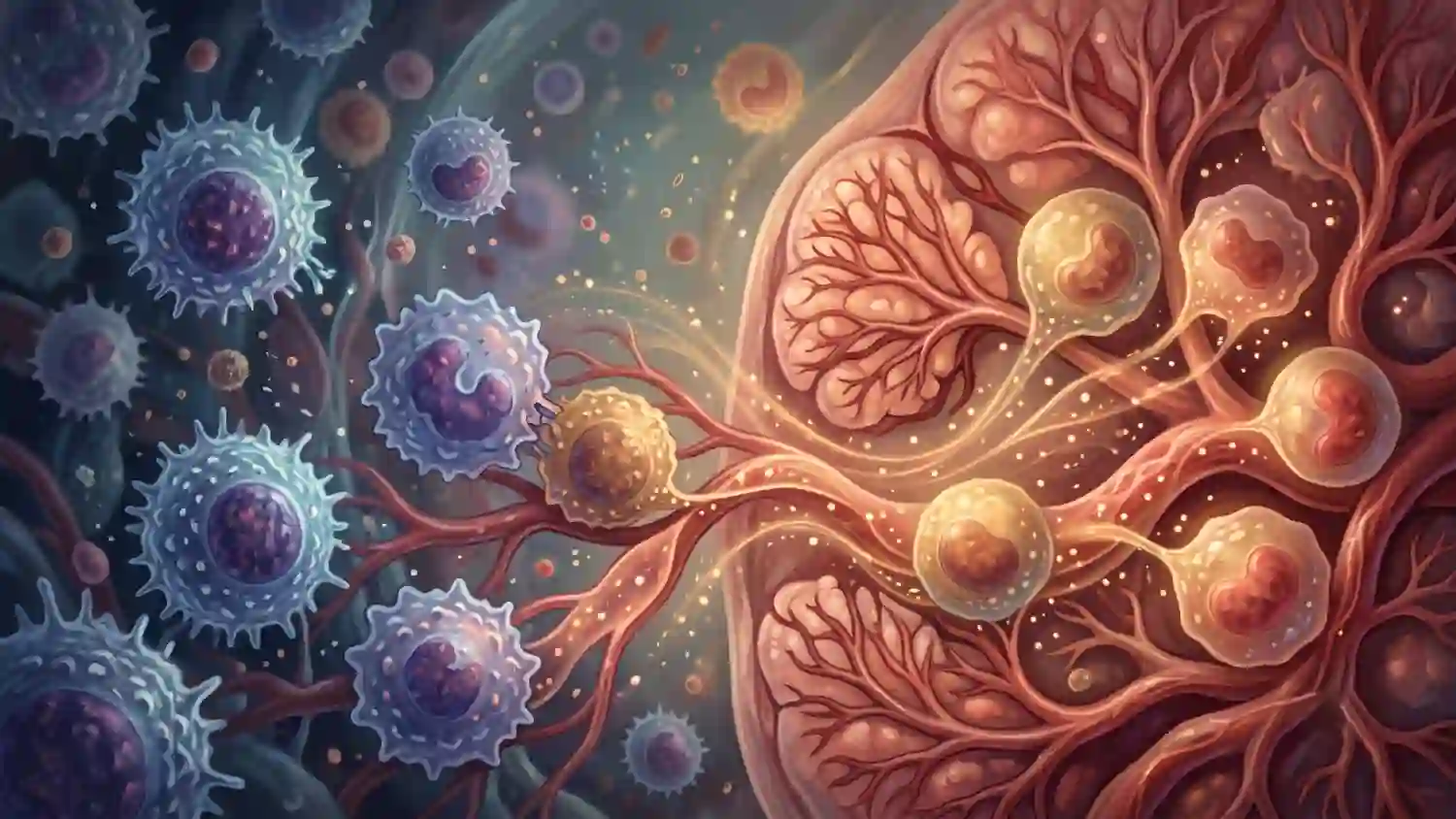
To understand why this matters, look at the front lines of human health, starting with the immunotherapy race. Imagine an oncology ward where a patient’s own immune cells are harvested. Normally, cancer cells wear a deceptive sugar coat that makes them invisible to the immune system. Using this new boron-shuttle method, scientists can feed engineered sugars directly to these immune cells in the lab without harming them, modifying their surfaces into cellular bloodhounds that can sniff out and destroy hidden tumors. Similarly, in the viral stand-off, virologists can now watch in pristine, real-time exactly how a virus docks onto healthy sugar receptors on a cell surface, opening the door to true preventative antiviral blocks without the cell dying from chemical processing beforehand.
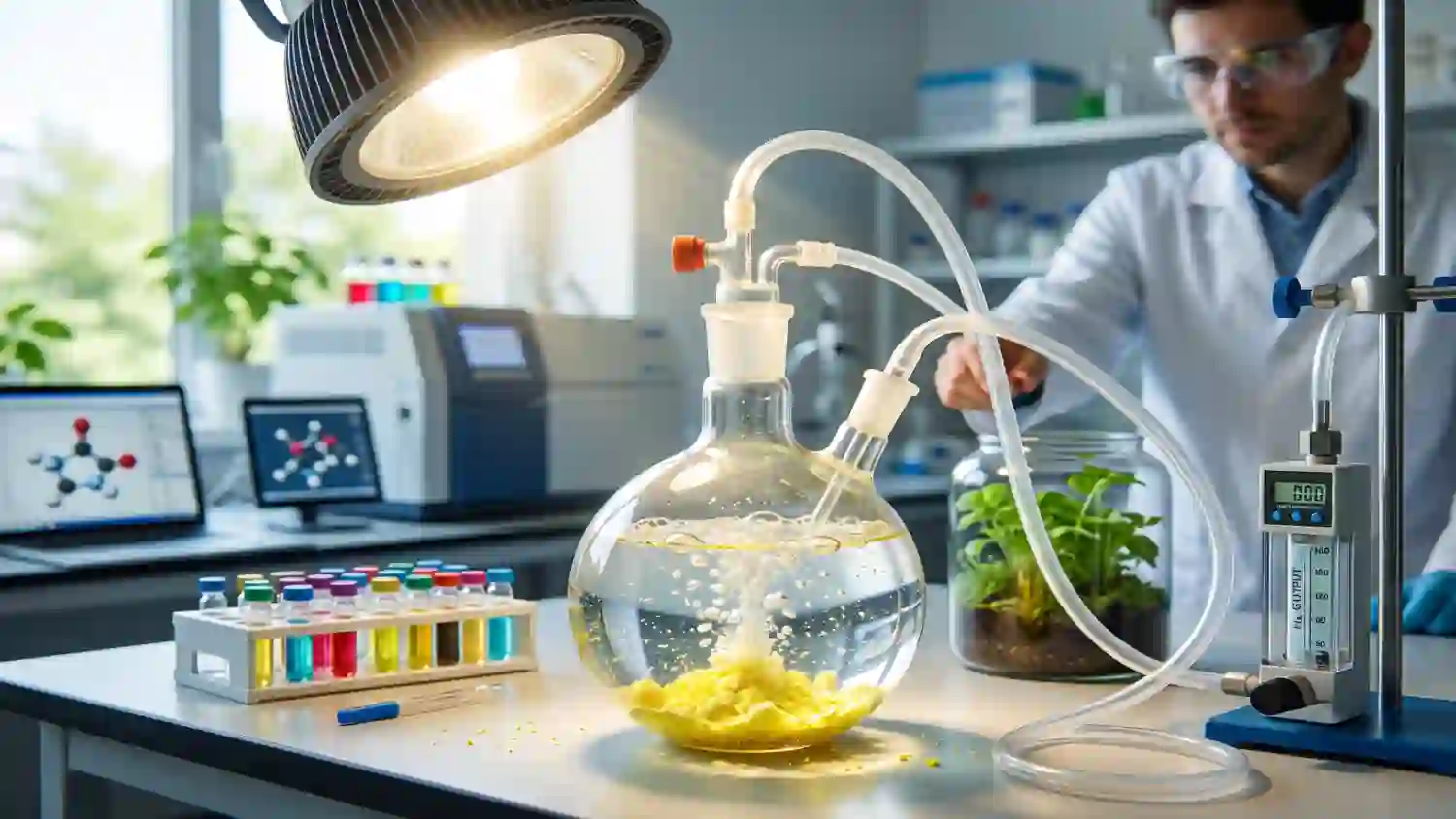
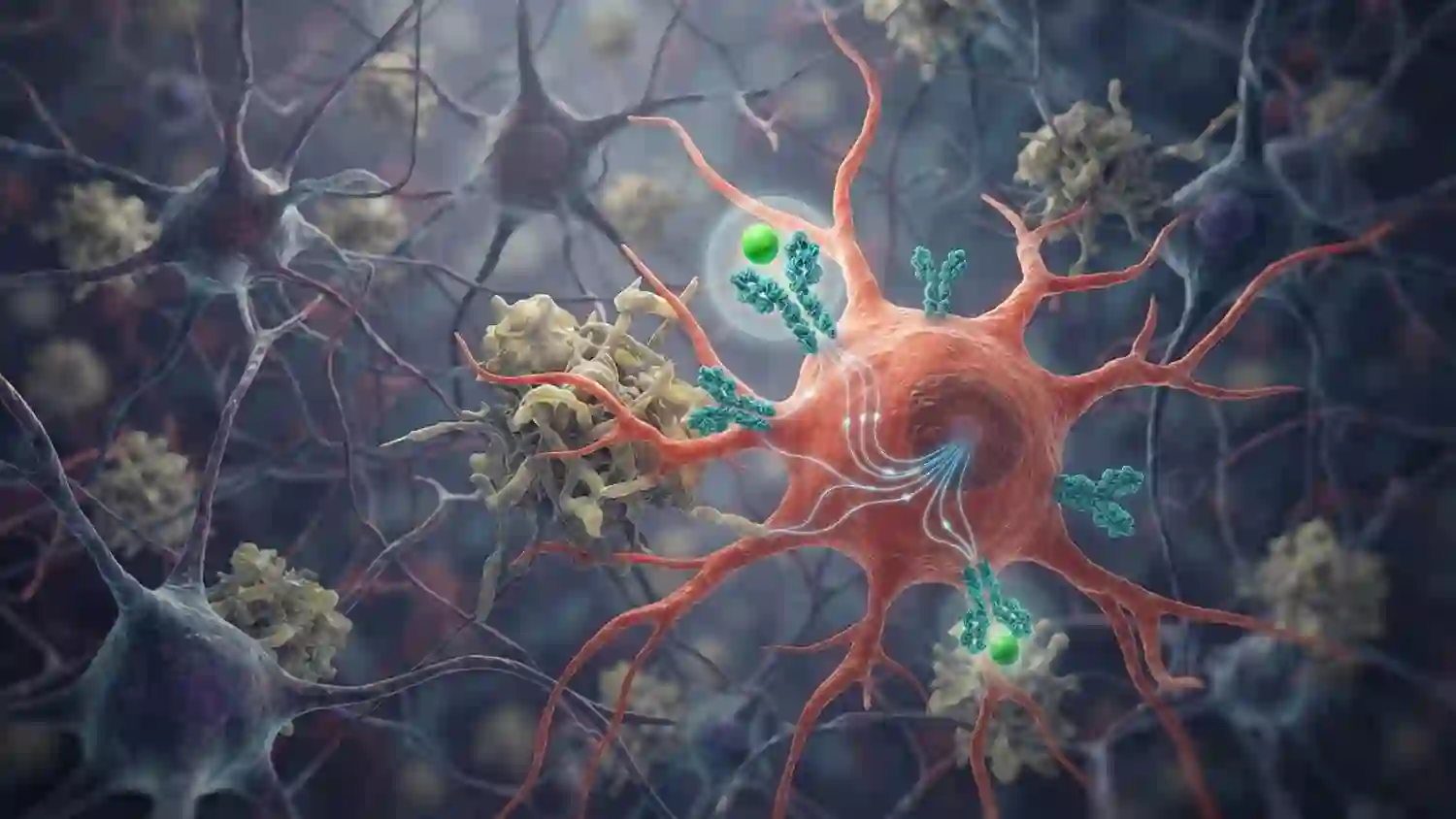
This breakthrough fundamentally shifts the boundaries of what is possible in the lab and the clinic. In the realm of advanced biochemistry, scientists are no longer blind. Previously, tracking the secret life of glycoRNA mysterious RNA molecules bound to sugars was nearly impossible because toxic solvents degraded the delicate RNA strands. Boron shuttles preserve the cell’s natural environment, allowing biochemists to map the cellular landscape with unprecedented clarity. In clinical medicine, this tool transforms drug delivery. Instead of blasting a patient’s entire body with chemotherapy, physicians can link toxic drugs to these boron-sugar vehicles. Because tumor cells are starved for energy, they greedily pull in these sugar packages, effectively triggering their own destruction while leaving healthy tissue completely untouched.
The Paradigm Shift and Its Limitations
The benefits of this transition are immediate and profound. By moving away from the old way of chemical modification and toxic solvents, laboratories achieve exceptionally high cell survival rates and preserve natural cell health. This completely eliminates the false positives in drug tests that used to be triggered by harsh solvents, ensuring that drug screening data remains absolutely pristine. Furthermore, the new method offers major practical advantages by cutting out weeks spent manually altering sugar molecules, resulting in instant transport, simpler workflow, and massive time and cost savings for research teams worldwide.
However, every scientific miracle has its limits, and this boron armor has a few distinct cracks. While boron nano-structures are highly biocompatible in short-term lab settings, we do not yet fully know how the human body clears these structures over long periods. If boron accumulates in organs like the liver or kidneys, it could trigger long-term toxicity. Additionally, manufacturing these precise, superchaotropic boron cages at an industrial, pharmaceutical scale remains incredibly complex and expensive. Finally, there is a target control problem; currently, these shuttles are excellent at entering any cell they touch, meaning scientists must still figure out how to program the boron shuttle so it targets only sick cancer cells while ignoring healthy ones. Even with these hurdles, the fortress wall of the cell has been breached, setting the stage for a healthier tomorrow.