
For years, treating many diseases has been like mopping up water from a leaking roof without repairing the hole. Doctors could ease pain, control symptoms, or slow the illness, but they could not fix the real problem hidden deep inside our genes. Now, science is opening a new door. CRISPR is giving researchers a chance to repair faulty genes instead of simply living with their effects. If a mistake can be corrected at its source, the whole story of treatment could change. “Why keep fighting the smoke when we can put out the fire?” is the question modern medicine is beginning to ask.
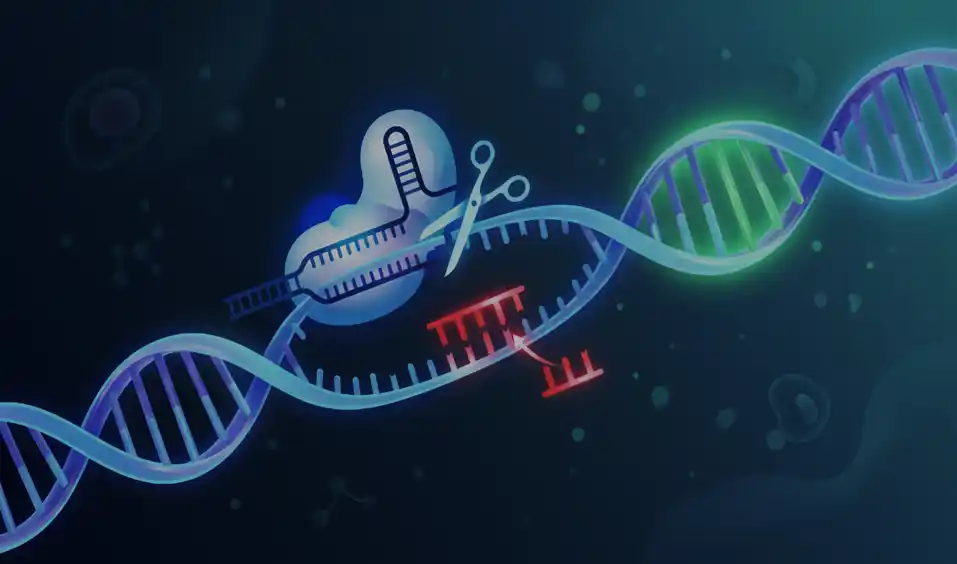
CRISPR, often called molecular scissors, is one of the most exciting discoveries in modern biology. It works like a highly skilled editor correcting spelling mistakes in a giant instruction book called DNA. Scientists can find a specific DNA sequence, cut it with great accuracy, and allow the cell to repair, remove, or replace the faulty part. This remarkable technology was first discovered as a defence system used by bacteria to protect themselves from invading viruses. Today, those tiny microbes have unknowingly handed humanity a powerful medical toolbox. In simple words, CRISPR is teaching doctors to repair the blueprint instead of repainting the walls.
The impact of this technology is already reaching hospitals. Researchers are using CRISPR to treat inherited diseases such as sickle cell disease and β-thalassaemia, where a single faulty gene causes lifelong illness. Correcting that single error can dramatically improve a patient’s health. Scientists have also reported encouraging progress in removing hidden HIV DNA from human immune cells. HIV often behaves like a silent burglar hiding inside a house, escaping medicines by remaining inactive for years. CRISPR aims to find that hidden intruder and remove it completely. Although these studies are still experimental, they offer fresh hope that future treatments may attack the disease at its roots instead of only keeping it under control.
CRISPR is also becoming smarter with time. New techniques called base editing and prime editing act like expert proofreaders, changing individual DNA letters with much greater precision while reducing unwanted changes. These advanced tools are expanding the possibilities for treating rare genetic disorders, certain cancers, and many other conditions that once seemed beyond human reach. In scientific jargon, these technologies improve genome editing accuracy while lowering off target effects. Step by step, they are turning what once sounded like science fiction into scientific fact.
Still, every shining sword must be handled with care. Scientists continue to work on ensuring that genetic edits happen only at the correct location and that the editing tools safely reach the right cells inside the body. Ethical questions about changing the human genome also remain important. There is a touch of irony here. The same technology that can rewrite disease could also rewrite difficult moral debates. Researchers, doctors, and policymakers are working together to ensure that this powerful tool is used wisely and responsibly.
The journey of CRISPR has been nothing short of extraordinary. From a humble bacterial defence system to a revolutionary medical technology, it has travelled a long road. Like a master locksmith crafting a new key for damaged locks, CRISPR is giving medicine a chance to unlock diseases that were once considered impossible to treat. The road ahead is still long, but each successful discovery brings us closer to a future where healing may not simply mean treating illness, but carefully rewriting the very code that created it.


