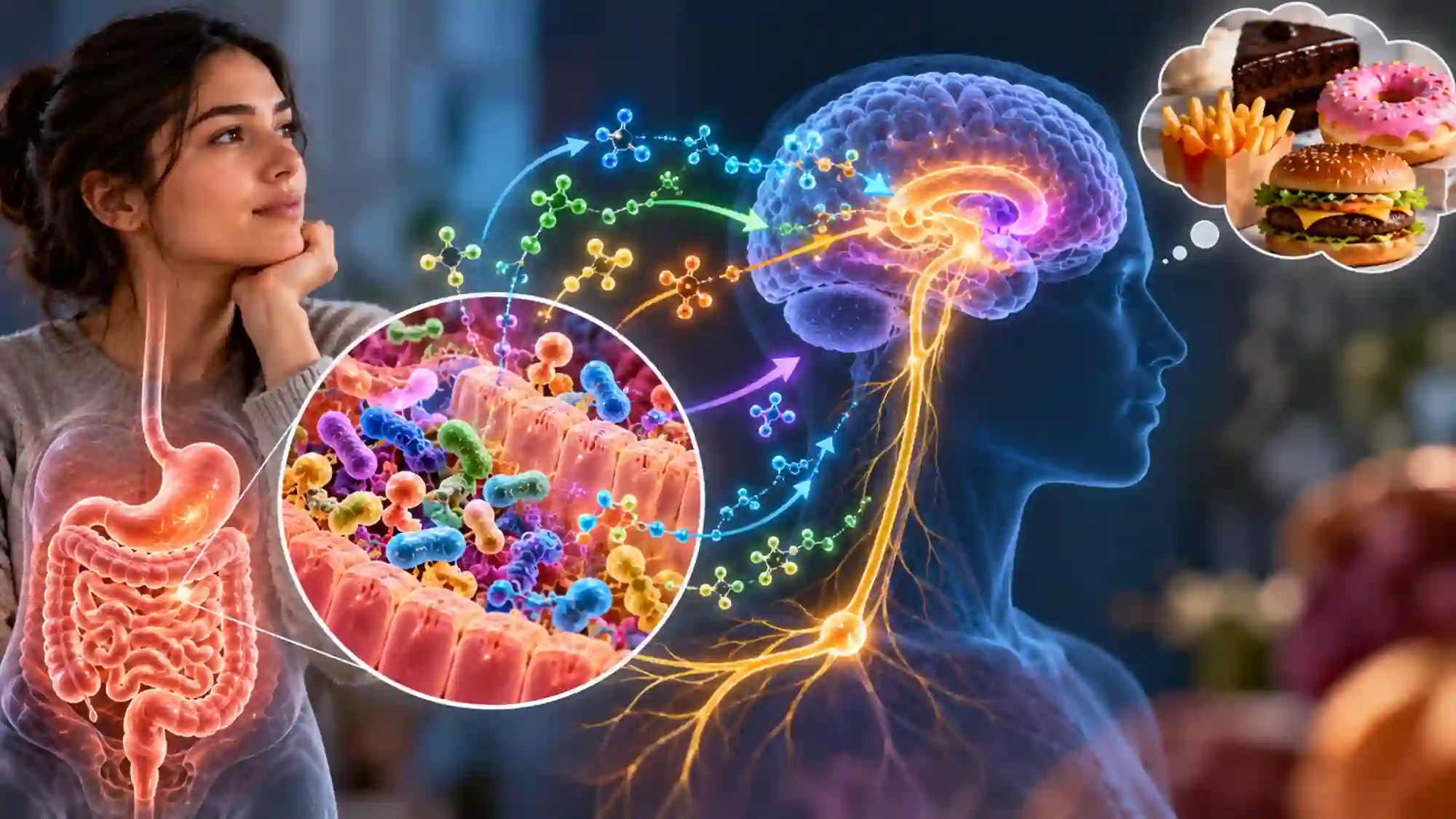
Have you ever wondered why you suddenly crave something sweet, why certain foods seem almost irresistible, or why your appetite changes depending on what you eat? While food cravings are usually attributed to habits, emotions, and brain chemistry, scientists are investigating another possible influence: the trillions of microorganisms living inside our digestive system.
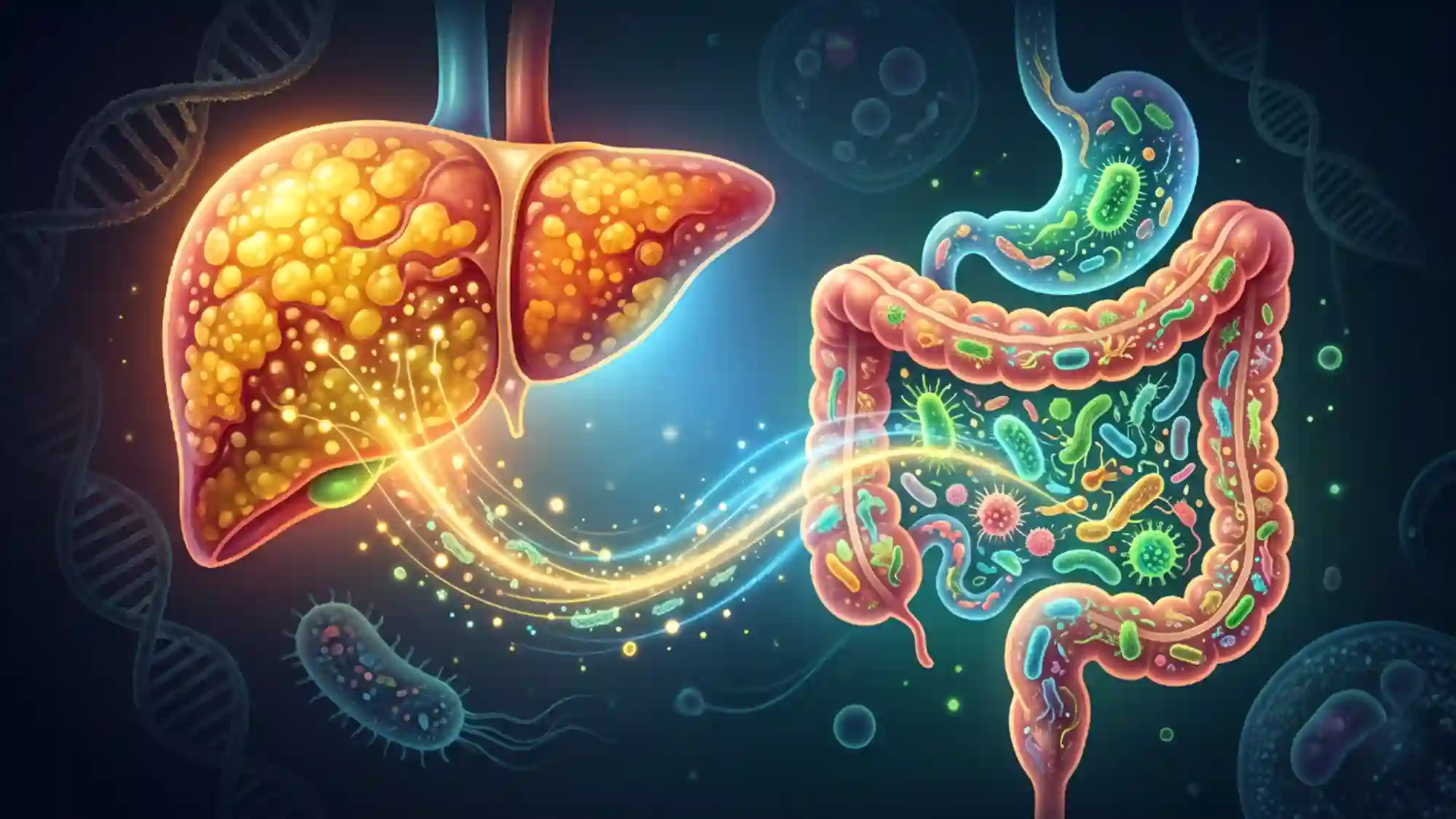
These microorganisms, collectively known as the gut microbiome, do much more than help digest food. They produce biologically active substances that communicate with the brain, influence appetite-regulating hormones and potentially affect the way we respond to rewarding foods.
This communication network is known as the microbiota–gut–brain axis.
Can Gut Bacteria Communicate With Your Brain?
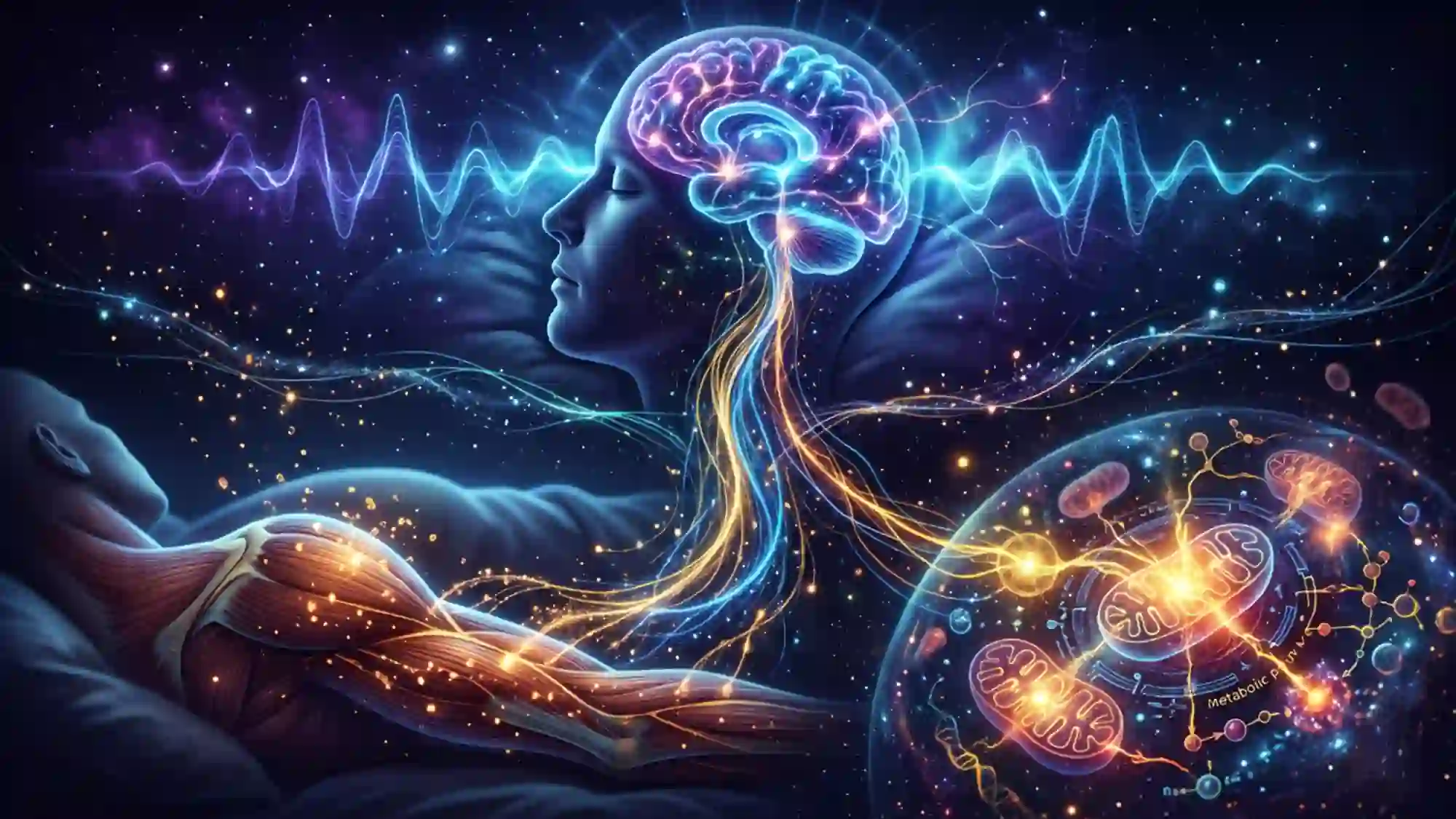
The gut and brain communicate through several interconnected pathways. One important route is the vagus nerve, which carries information from the digestive system to the brain. Gut microorganisms can also produce metabolites that influence intestinal cells, immune signalling and the release of hormones involved in appetite regulation.
Some of these metabolites are short-chain fatty acids (SCFAs), including acetate, propionate and butyrate. They are produced when gut bacteria ferment dietary fibre. These compounds can influence the release of hormones such as glucagon-like peptide-1 (GLP-1) and peptide YY (PYY), which contribute to feelings of fullness and help regulate food intake.
The result is a complex communication system in which microbial activity can potentially influence how hungry or satisfied we feel.
Can Microbes Influence Food Cravings?
The most intriguing possibility is that gut microorganisms may influence not only how much we eat, but also which foods we prefer.
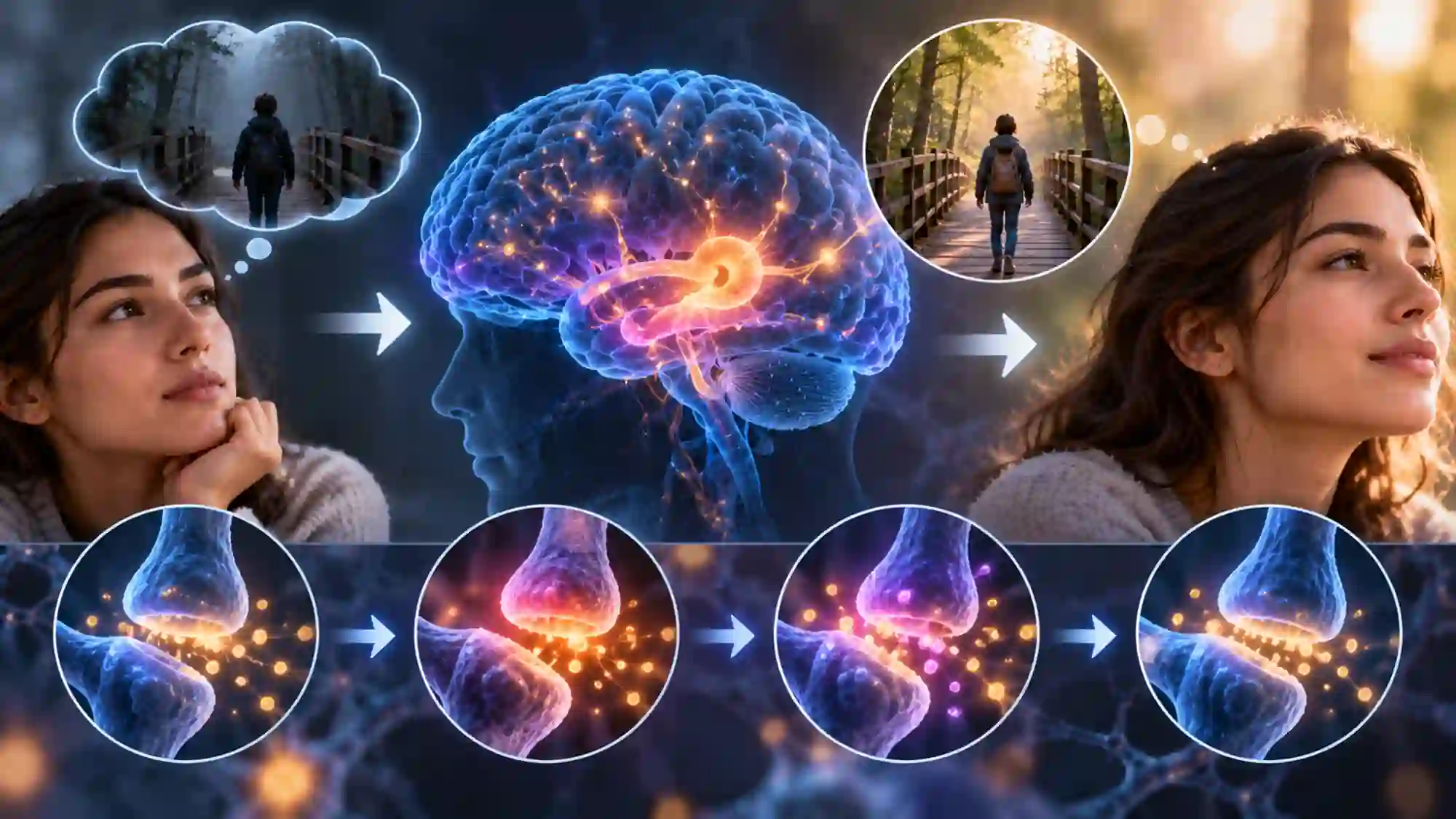
A 2022 review in Frontiers in Psychiatry described experimental evidence linking gut microbiota composition with the brain’s reward system. Researchers have found that microbial metabolites can interact with pathways involving serotonin, dopamine and other signalling molecules associated with motivation and food reward.
Animal experiments provide particularly interesting evidence. In one study, researchers transferred gut microorganisms from wild rodents with different dietary preferences into germ-free mice. The recipient mice subsequently developed differences in their food preferences, suggesting that gut microbial communities can influence eating behaviour under experimental conditions.
More recently, a 2025 study highlighted another possible mechanism involving bacteriophages, viruses that infect bacteria. Researchers reported associations between gut phage communities, microbial metabolism of aromatic amino acids, and food-addiction-related behaviour. This suggests that viruses living within the gut microbiome may indirectly influence pathways associated with food reward.
However, these findings do not establish that particular microbes make humans crave specific foods. Much of the strongest mechanistic evidence still comes from animal experiments.
Is Your Gut Microbiome Controlling What You Eat?
Not exactly. Food preferences are shaped by genetics, culture, emotions, learned experiences, hormones, and environmental influences. Gut microorganisms may contribute to this network, but they do not independently decide what you eat.
The relationship is also bidirectional. Your dietary choices influence which microorganisms thrive in your gut, while microbial activity may influence appetite and metabolic signalling. This creates a feedback loop between diet, microbes and the brain.
Could Changing Gut Bacteria Change Food Cravings?
Scientists are investigating whether dietary fibre, prebiotics, probiotics and other microbiome-targeted approaches could influence appetite and food-related behaviour.
A 2025 systematic review found associations between gut microbiome characteristics and eating behaviour across human studies. However, the effects of probiotic and synbiotic interventions were inconsistent, and the overall evidence was insufficient to establish that manipulating gut bacteria reliably changes food cravings.
The research is still developing, but it offers a fascinating perspective on human behaviour. Your food choices may not be determined by your brain alone. The microscopic ecosystem inside your gut could be one of several biological systems influencing what you feel like eating.