Bengaluru: Cancer chemotherapy saves lives, but for many patients it comes at a painful cost. Scientists at the Indian Institute of Science (IISc), Bengaluru, have now identified a brain circuit that controls both the physical pain and emotional distress caused by chemotherapy, opening new possibilities for more effective treatments.
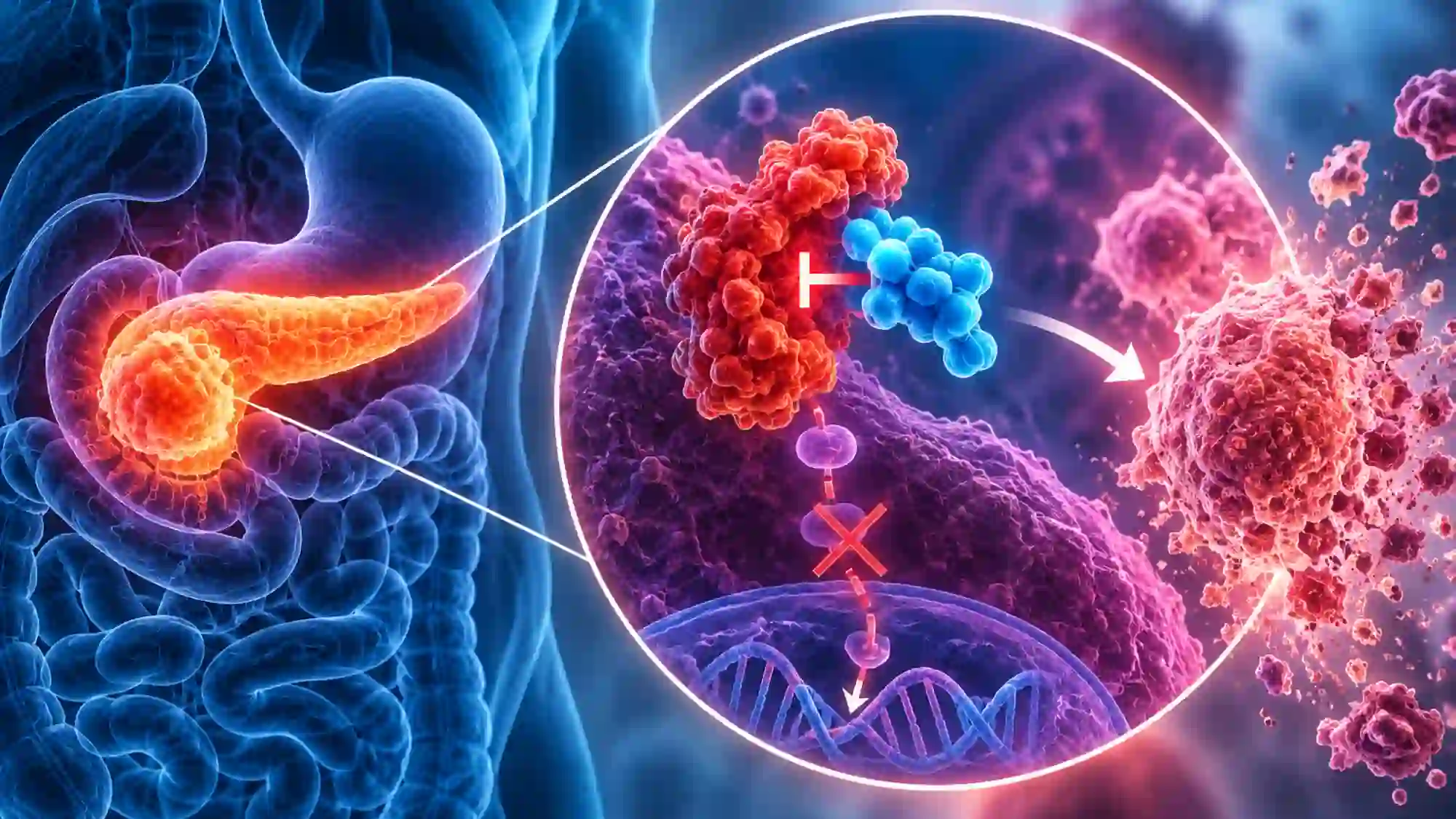
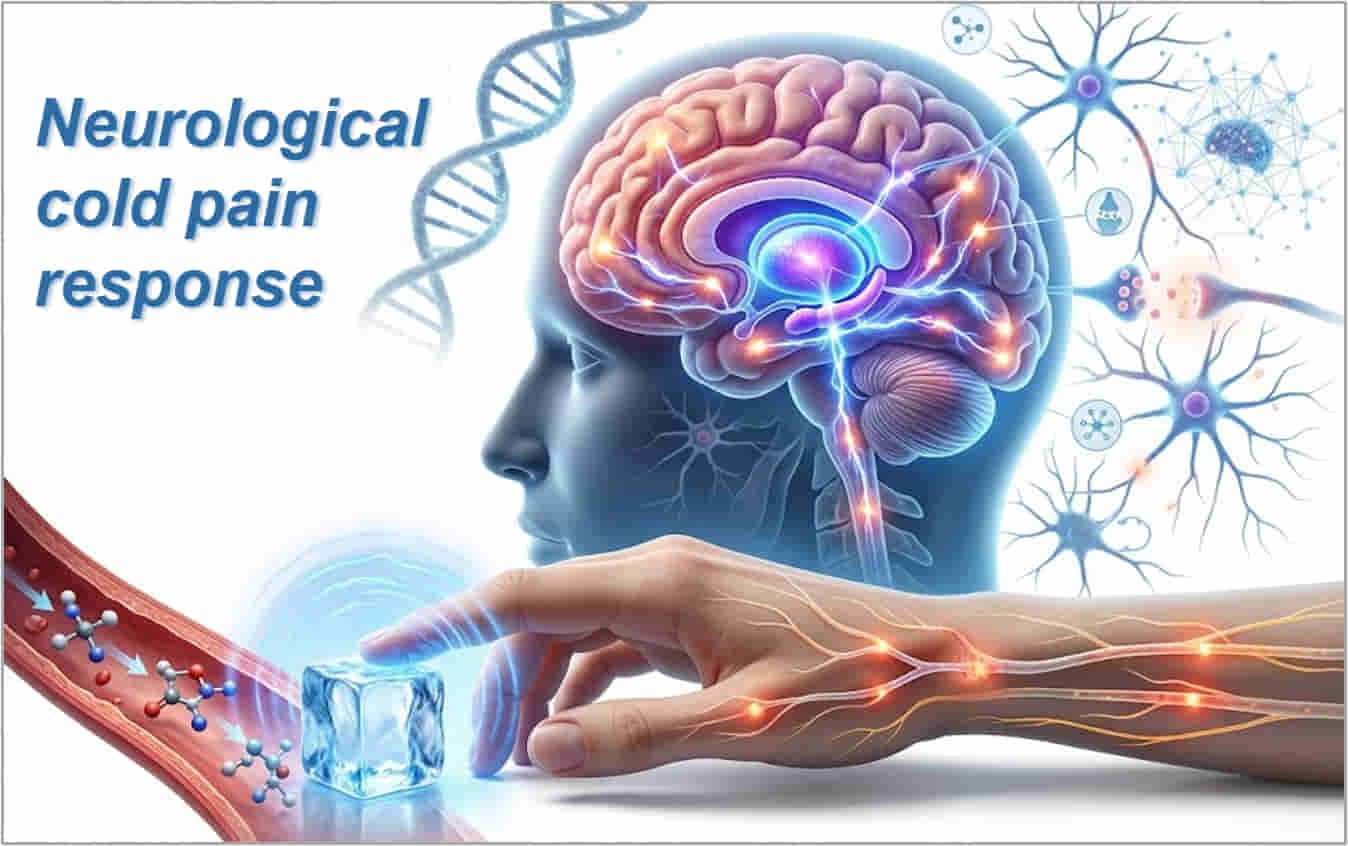
The study, conducted by researchers at the Centre for Neuroscience, IISc, in collaboration with neuroscientists from Kolkata, focused on cold allodynia, a condition in which normally harmless cold temperatures become intensely painful. This side effect is particularly common in patients receiving platinum-based chemotherapy drugs such as cisplatin and oxaliplatin, affecting up to 90% of patients on certain treatment regimens.
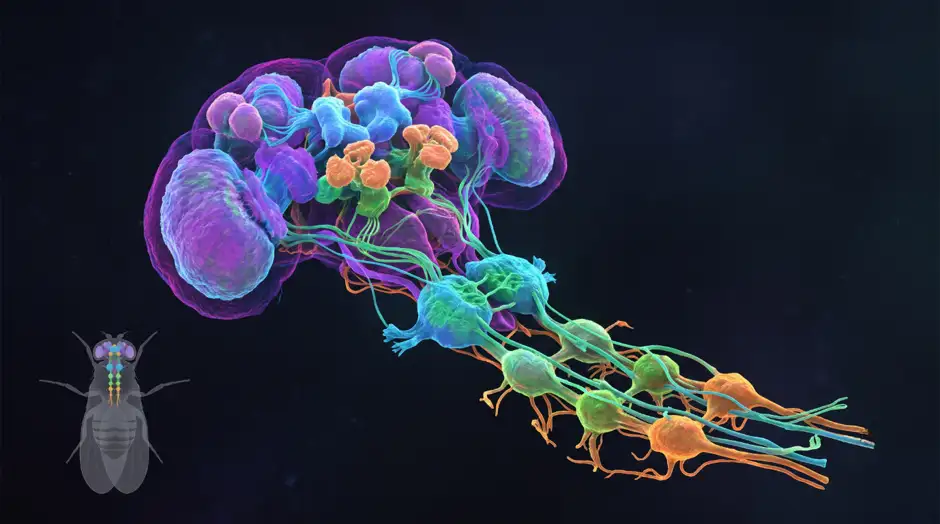
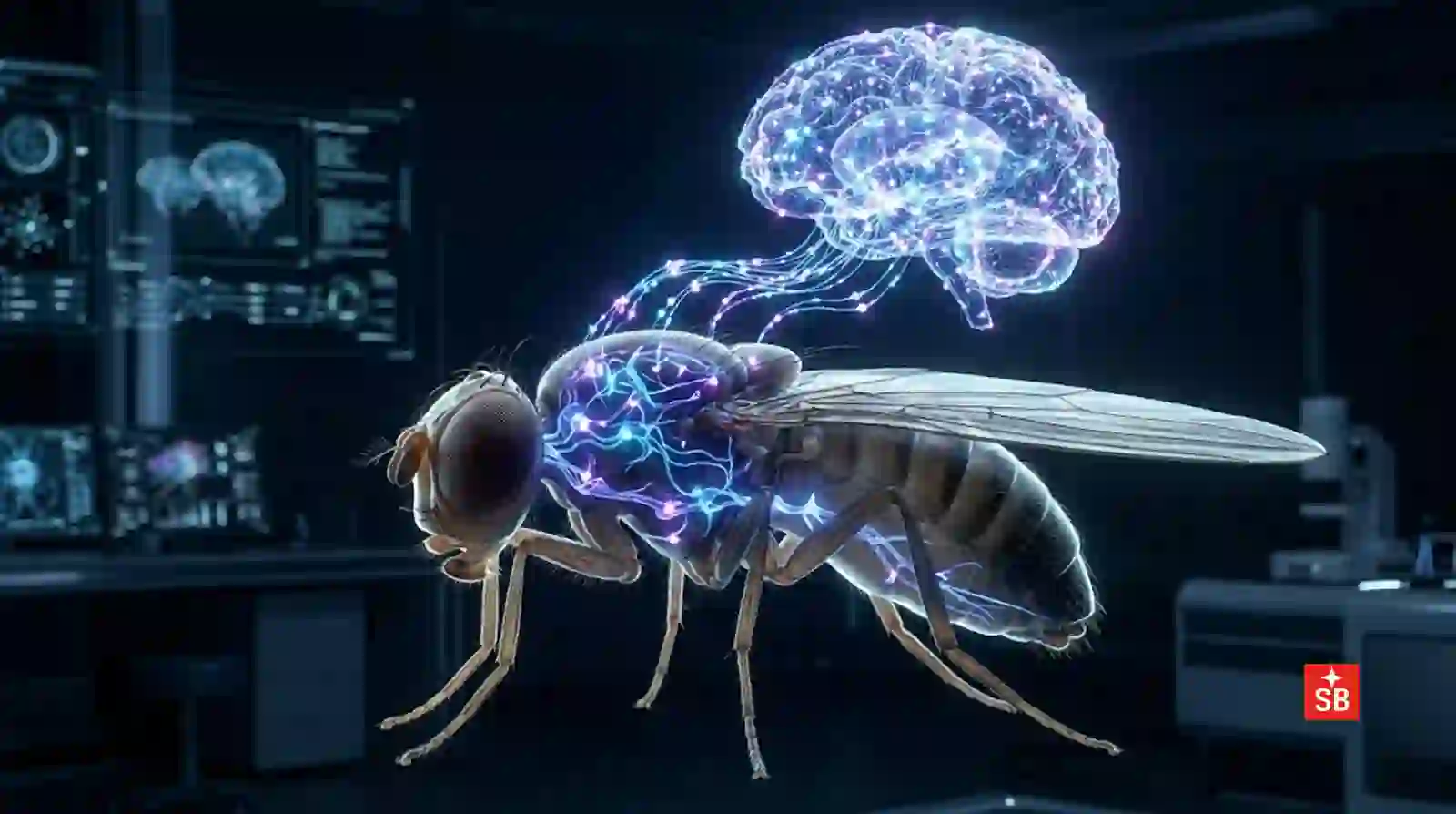
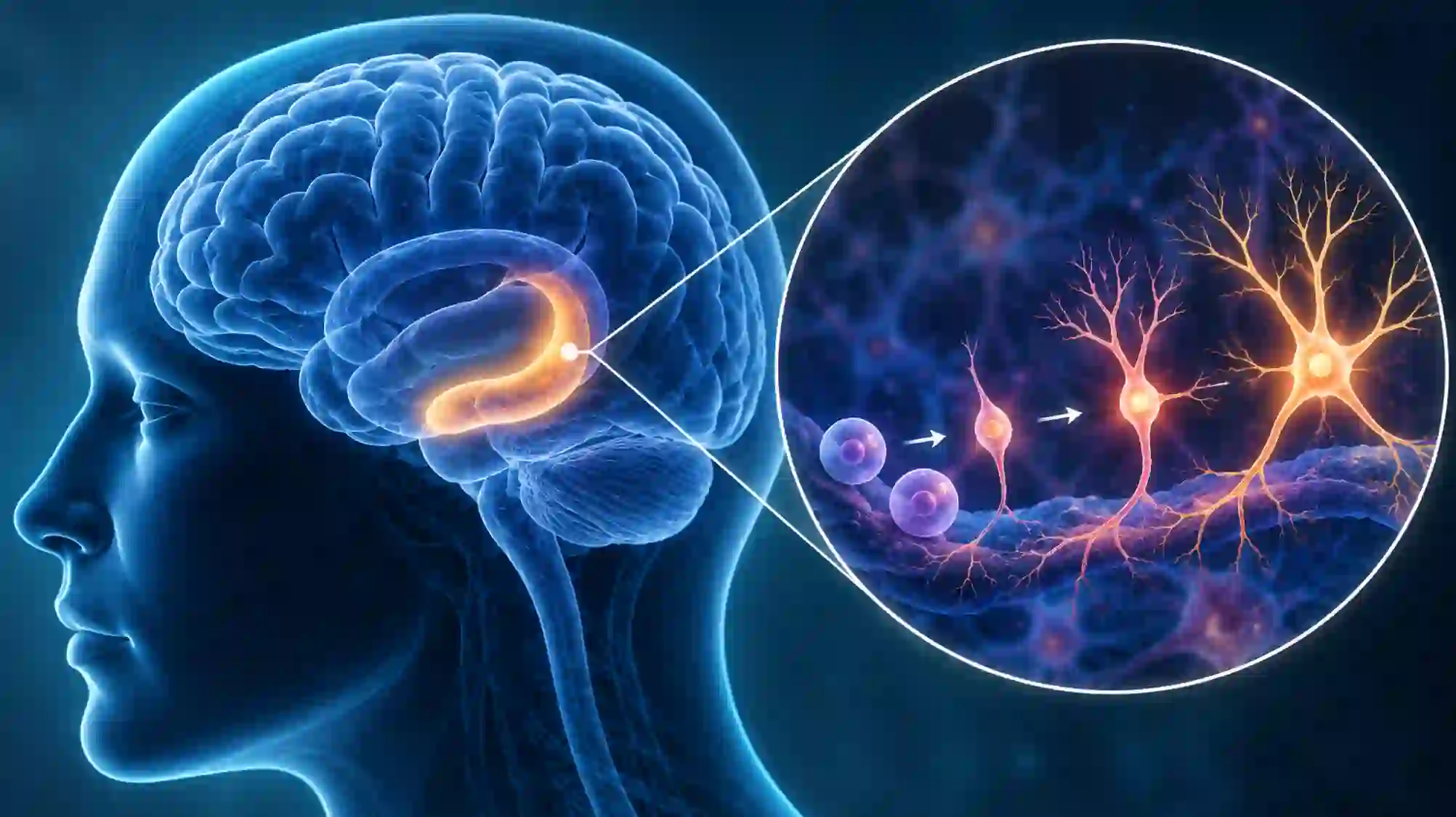
Led by Dr. Arnab Barik, the researchers used advanced mouse models to investigate how the brain processes chemotherapy-induced pain. Their findings, published in the journal Cell Reports, revealed a previously unknown neural circuit within the thalamus, a key brain region responsible for relaying sensory information.
The team discovered that this thalamic circuit not only regulates the sensation of pain but also influences the emotional suffering associated with cold hypersensitivity. When the pathway was activated, mice displayed stronger pain-related behaviors and greater signs of negative emotional states. The researchers also identified a neighboring thalamic region that primarily controls the emotional and motivational aspects of pain, highlighting how closely physical pain and emotions are linked in the brain.
These findings provide important insights into chemotherapy-induced peripheral neuropathy (CIPN), a debilitating nerve disorder that often develops early during cancer treatment. CIPN can cause pain, numbness, tingling, and extreme sensitivity to temperature, yet current treatment options remain limited.
According to Dr. Barik, further studies will investigate whether the same neural circuit contributes to other forms of chronic pain and nerve injury. The researchers also hope to determine whether targeting this brain pathway could lead to new therapies that relieve chemotherapy-related pain without affecting cancer treatment itself.
The discovery is especially significant as India’s cancer burden continues to grow. The country reports more than 14 lakh new cancer cases each year, and this number is expected to rise due to population ageing, lifestyle changes, and increasing life expectancy.
By uncovering how the brain processes chemotherapy-induced pain, the IISc study marks an important advance toward developing more effective treatments that could improve the quality of life of millions of cancer patients worldwide.