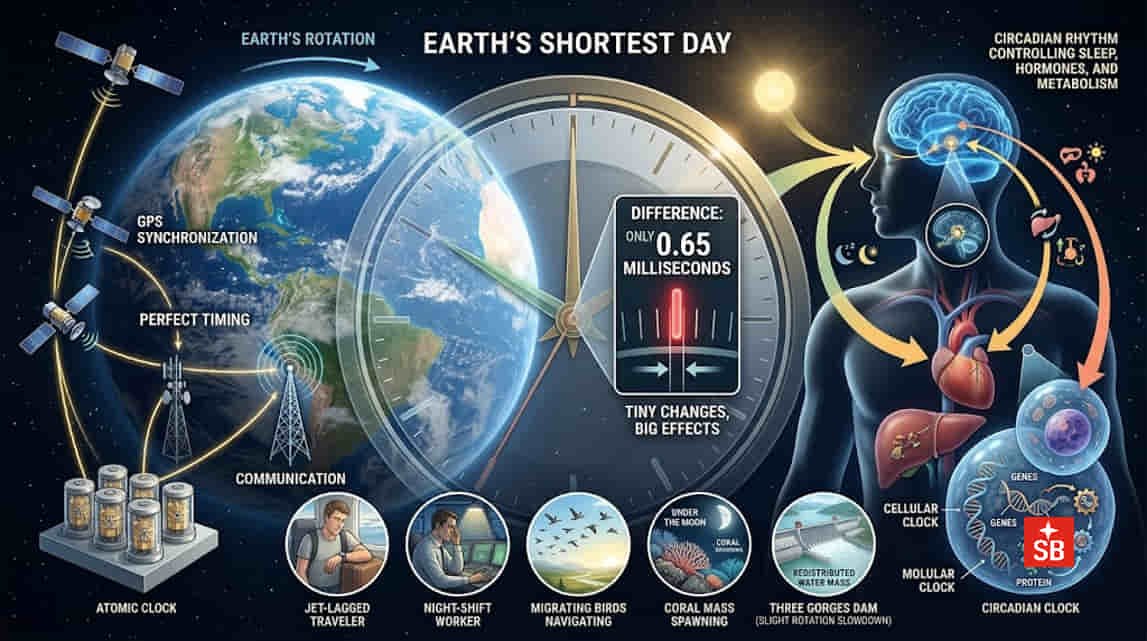
July 26, 2026 came and went like any other day. The Sun rose, people went to work, children went to school, and nobody noticed anything unusual. Yet our planet quietly completed one full spin about 0.65 milliseconds faster than the usual 86,400 seconds, making it the shortest day of the year. A millisecond is so tiny that it is like removing a single grain of sand from a huge beach. To us, nothing seemed different. But for atomic clocks, satellites, and scientists, that tiny difference was loud enough to hear. Sometimes, the smallest whisper carries the biggest message.
“Great changes often begin with the smallest moments.”
Earth may look like a giant spinning ball, but it behaves more like a perfectly tuned clock. Scientists from the International Earth Rotation and Reference Systems Service, or IERS, carefully monitor every tiny change in Earth’s rotation. They compare Earth’s spinning time with the incredibly precise time kept by atomic clocks. These clocks are so accurate that they lose only about a second over millions of years. They quietly remind Earth, “Stay in step with me.” If the difference becomes too large, technologies we depend on every day, including GPS navigation, mobile communication, internet networks, and financial transactions, could begin to lose their perfect synchronisation.

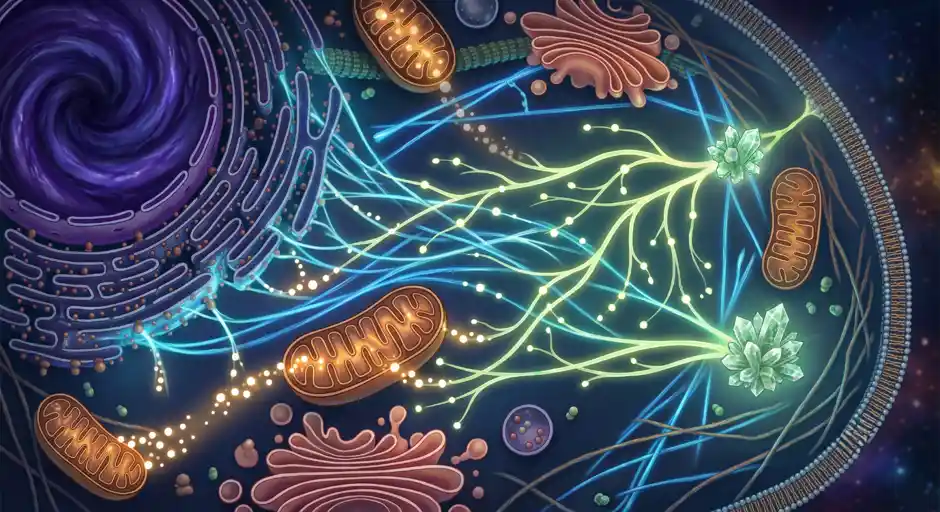
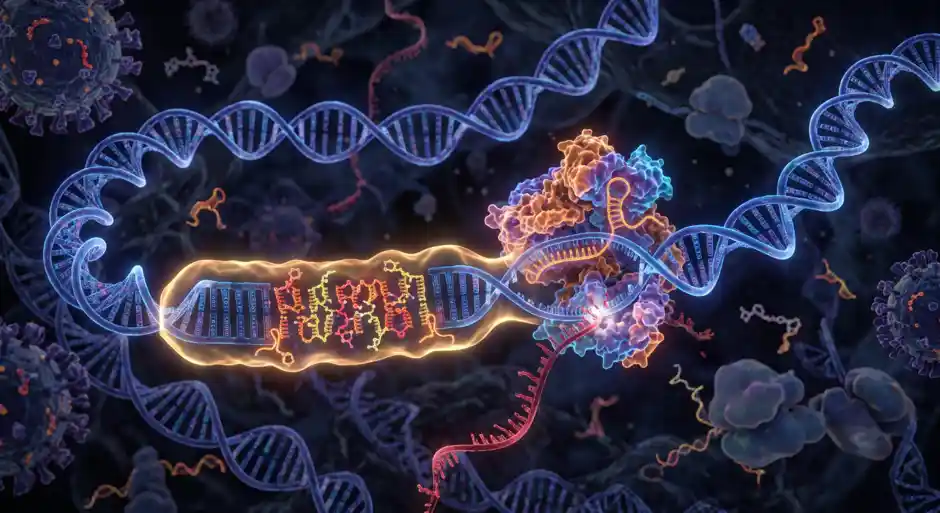
The surprising part is that your own body works in much the same way. Hidden inside almost every cell is a tiny biological clock known as the circadian clock. This remarkable system runs through a cycle of about twenty four hours using a carefully controlled conversation between genes and proteins. These molecules seem to tell each other, “It is time to wake up,” “Now produce hormones,” or “It is time to sleep.” Scientists call this process a transcription, translation feedback loop, one of the most beautiful examples of biological precision. Like musicians following the same rhythm, billions of cells stay in harmony to keep the body healthy.
This internal clock is far more delicate than most people realise. Even without sunlight or a watch, it continues ticking with remarkable accuracy. However, just as a tiny change in Earth’s spin matters to satellites, a small but repeated mismatch between your body clock and the outside world can gradually create problems. It is like wearing a watch that loses only one minute each day. On the first day, you hardly notice. After several weeks, you could miss an important train. Small errors become big consequences when they are repeated.
This explains why jet lag feels much worse than simply changing time zones. After a long flight, your brain may know you have arrived, but your body’s clock is still living in yesterday. It quietly protests, “I am not ready for breakfast yet.” Shift workers experience a similar struggle because their work schedules constantly force the body to ignore its natural rhythm. Scientists have linked long-term disruption of the circadian clock with higher risks of obesity, diabetes, heart disease, and metabolic disorders. Even losing a single hour of sleep during daylight saving time has been associated with increases in traffic accidents and heart attacks. Time, quite literally, waits for no one.
Humans are not the only creatures that depend on perfect timing. Nature itself is a master conductor leading an enormous orchestra. Coral colonies release eggs and sperm almost together during specific moon phases. Migratory birds sense tiny changes in daylight lasting only a few minutes from one week to the next and use them as invisible maps during their incredible journeys. Flowers open and close like tiny living clocks. These organisms are not responding to dramatic changes. They are responding to whispers of time that most people never notice.
Even humans can slightly influence the spinning of our planet. In 2005, NASA geophysicist Benjamin Fong Chao showed that filling China’s enormous Three Gorges Dam with about forty cubic kilometres of water shifted enough mass to slightly change Earth’s rotation. The effect is tiny, increasing the length of a day by about 0.06 microseconds while moving Earth’s rotational pole by roughly two centimetres. It works much like a figure skater extending their arms during a spin. As the weight moves farther from the centre, the spin becomes slightly slower. The Earth almost seems to say, “Even I respond to balance.”
Whether the change comes from the Moon’s gravity, melting glaciers, giant dams, or a late-night flight across continents, the lesson remains the same. Precision systems do not need powerful shocks to change. They only need small changes repeated over time. The same truth guides both planets and people. As the proverb wisely reminds us, “Little drops make the mighty ocean.”

The shortest day of 2026 may have passed without anyone feeling it, but it carries a powerful reminder. Nature measures life with astonishing precision. The clocks inside your body are just as important as the clocks guiding satellites above your head. Protecting your sleep, following regular meal times, and respecting your daily rhythm may seem like small habits, but they keep one of the most extraordinary timepieces in the universe running smoothly, the one beating quietly inside you.