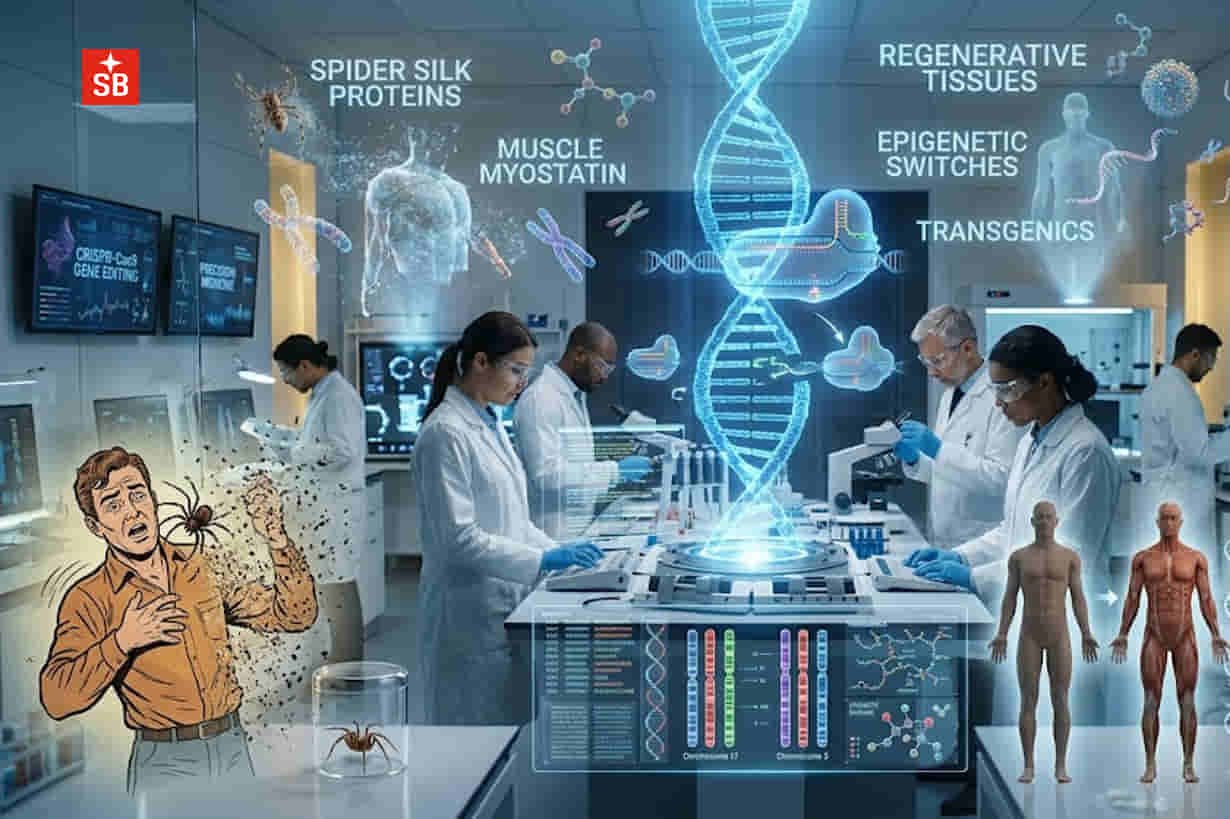
Comic books taught us that one spider bite could turn an ordinary person into a superhero. Reality tells a very different story. A spider’s bite is far more likely to bring pain, swelling, or a visit to the hospital than super strength or web shooting. The real superhero factory is not a dark alley, but a bright laboratory filled with microscopes and DNA sequencers. It is like replacing a lucky lottery ticket with careful engineering. “Do not expect miracles from accidents,” science quietly says, “build them with knowledge.” As we know, “Knowledge is power.” Today’s genetic engineering is opening doors that once belonged only to the pages of science fiction.
The biggest flaw in the superhero story is simple biology. Spider venom is designed to protect the spider and capture its prey, not to improve human abilities. The moment venom enters the body, the immune system rushes in like a fearless security force shouting, “Enemy detected, remove it immediately.” Most venom proteins are quickly broken down before they can do anything useful. Even if a virus carrying foreign genes entered the body, it could affect only a tiny number of cells, not the nearly 30 trillion cells that make up an adult human. Changing a whole human body is like trying to repaint an entire city using a single paintbrush.
There is another challenge that comic books quietly ignore. Every extraordinary ability comes with an extraordinary cost. Flying with wings would require a completely different skeleton, stronger chest muscles, and an enormous amount of energy. A human body cannot suddenly grow working bat wings any more than a bicycle can become an aeroplane by adding feathers. Radiation, despite its dramatic reputation, usually damages cells instead of giving them magical powers. Ironically, what fiction celebrates as a miracle would be considered a medical emergency in real life.
Where accidents fail, genetic engineering succeeds through precision. Scientists are now learning to edit DNA with remarkable accuracy instead of waiting for random mutations. DNA is often called the blueprint of life, but it can also be compared to the operating system of a computer. Rather than smashing the computer with a hammer and hoping it becomes faster, researchers carefully rewrite selected lines of biological code.
One of the most powerful tools is CRISPR Cas9, often called the molecular scissors. This technology allows scientists to cut DNA at very specific locations and make carefully planned changes. For example, researchers can remove or modify the myostatin gene, which normally limits muscle growth. In several animal species, the absence of this gene leads to unusually large muscles without extra exercise. CRISPR does not wave a magic wand. It performs highly targeted gene editing using precise molecular mechanisms.
Another exciting field is transgenic technology, where useful genes from one species are introduced into another. Scientists have already inserted spider silk genes into goats, allowing them to produce silk proteins in their milk. Spider silk is one of the strongest natural materials known. Such research may one day inspire new medical materials, stronger artificial tissues, or advanced wound healing technologies. This is not about creating Spider Man, but about borrowing nature’s best inventions for human benefit. Nature becomes the greatest teacher, and biotechnology becomes the brightest student.
Scientists are also exploring epigenetics, which studies how genes can be switched on or off without changing the DNA sequence itself. You can think of genes as musical instruments inside an orchestra. Not every instrument plays at the same time. Epigenetic signals act like a conductor deciding which genes should perform and which should remain silent. Researchers hope this approach could one day improve tissue repair, organ regeneration, or recovery from severe injuries by awakening natural biological pathways that are usually inactive in adults.
Despite these exciting possibilities, science still faces many challenges. Human biology is extremely complex, and changing one gene can affect many others in unexpected ways. Ethical questions, safety concerns, long term effects, and strict regulations remain essential before any genetic enhancement can become reality. Scientists must move carefully because even the most advanced technology should never run ahead of responsibility. As another saying reminds us, “Measure twice, cut once.”
The Future Blueprint: Designing the Tomorrow Crew
If we leave the comic books behind and look into the laboratory of the next century, genetic engineering will create a new class of enhanced humans tailored for extreme survival.
| Superhuman Archtype | The Fiction (Accidental) | The Future Reality (Engineered) | Biological Mechanism |
| The Apex Titan | Bitten by a radioactive beast to gain brute strength. | Engineered through Myostatin suppression and enhanced bone mineralization. | Densified skeletal frames and double-bound muscle fibers that never atrophy. |
| The Ghost Walker | Ingesting exotic herbs or serums for sensory mastery. | Tardigrade gene integration ($Dsup$ protein) and artificial tapetum lucidum. | Cells that survive dehydration and extreme vacuum, paired with perfect low-light vision. |
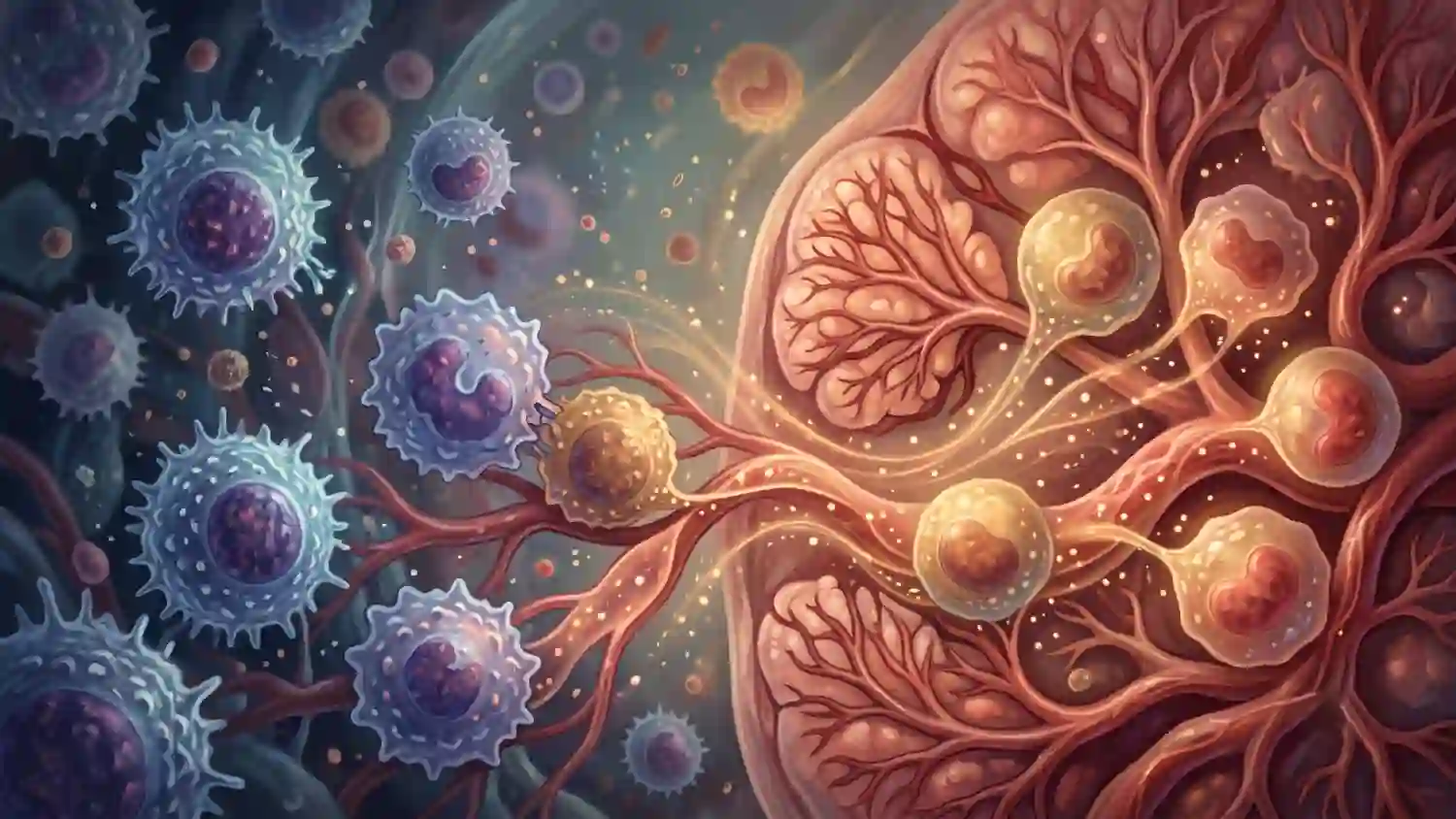
| The Iron Vessel | Surviving a lab explosion to gain an unstoppable immune system. | CRISPR-enhanced T-cells and synthetic metabolic pathways. | Upgraded white blood cells that identify and shred any known pathogen or cancer cell instantly. |
The future may not belong to superheroes born from radioactive accidents, but to carefully designed medical breakthroughs that improve health and treat disease. The greatest superpower of humanity has never been venom, radiation, or magical mutations. It is curiosity guided by wisdom. Tomorrow’s heroes may not wear colourful capes or masks. Their greatest strength could be healthier bodies, stronger cells, and diseases defeated through the remarkable language of DNA, written not by chance, but by science itself.