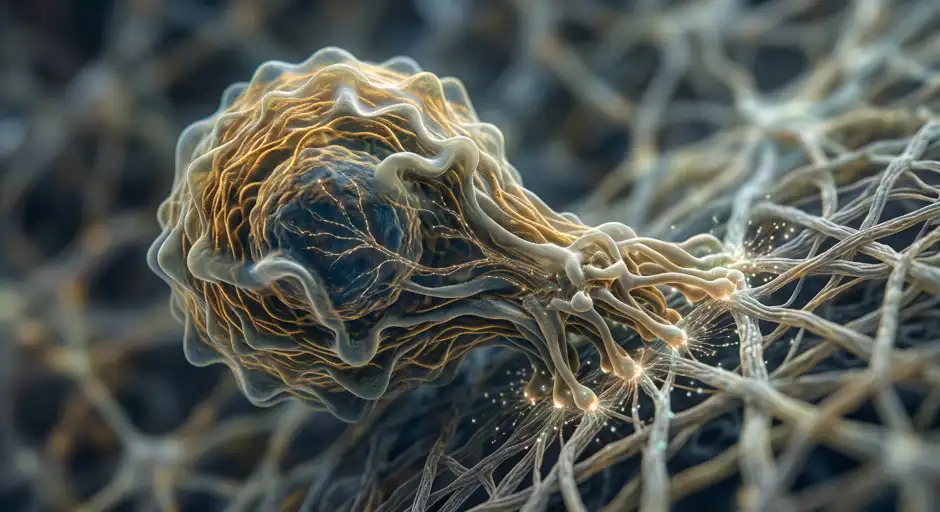
Your immune system is constantly moving. Its cells squeeze through tissues, attach to surfaces and push against their surroundings. But could these cells actually tell when something is physically touching them? Scientists have now found evidence that they can. This reveals that immune cells do more than respond to chemical messages. They can also detect mechanical forces in their environment; a kind of cellular sense of touch that may help them decide how to move and respond to threats.
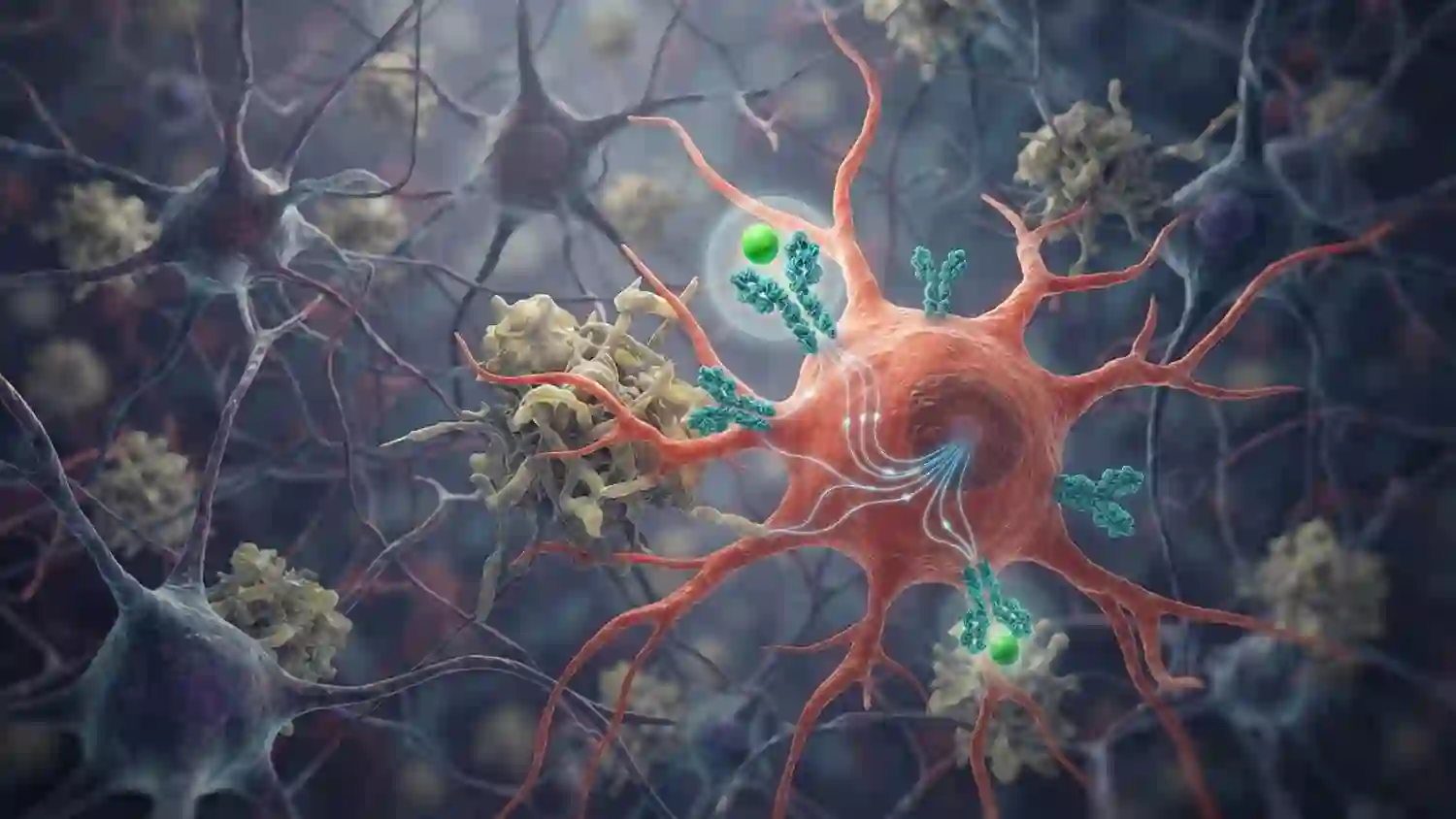
The key players are macrophages, immune cells that patrol the body looking for damaged cells, invading microbes and other unwanted material. When they find something suspicious, macrophages can engulf it and destroy it. To do this effectively, however, they need to physically interact with their surroundings. They discovered that macrophages use a protein called Piezo1 to detect mechanical changes around them.
Piezo1 is a mechanosensitive ion channel: when the cell membrane is stretched or subjected to physical force, the channel can open and allow ions to flow into the cell. That movement acts like a signal. These mechanical forces could influence how macrophages behave, including how strongly they attach to surfaces and how they move through their environment. In other words, the cells aren’t simply waiting for chemical instructions. They are responding to the physical world around them.
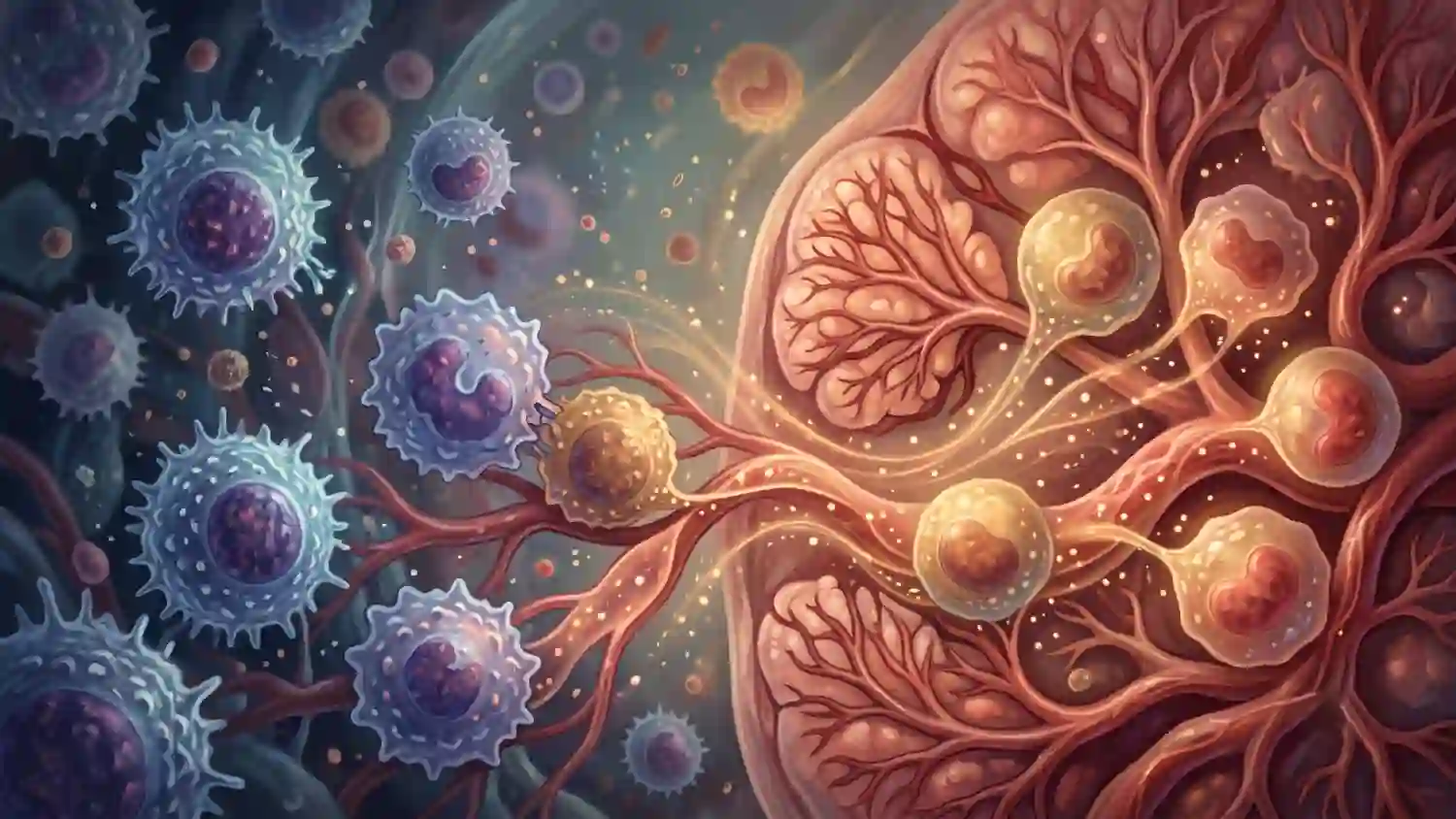
This matters because the tissues inside our bodies are constantly changing. Injuries can make tissues stiffer or softer, tumours can alter the mechanical properties of their surroundings, and inflammation can change the physical environment around immune cells. A macrophage that can detect these changes may therefore be better equipped to understand where it is and what is happening around it. This adds another layer to how we think about communication inside the body. Cells have receptors that detect chemicals, proteins that respond to temperature and molecules that detect light.
Now, mechanical force can be added to that list. But calling this a “sense of touch” does not mean immune cells experience touch in the way humans do. They don’t have a nervous system or a conscious sensation. Instead, their membranes contain molecular sensors that convert physical forces into biochemical signals. That tiny ability could have much larger consequences.
Understanding how immune cells sense mechanical forces could eventually help scientists investigate diseases in which tissue structure changes, including cancer and chronic inflammation. Our immune system may be better described than we thought, which is that its cells don’t just know what is around them, they can also, in a molecular sense, feel it.